
The Enduring Flow: Qanats in the Modern Era
For millennia, the qanat has been a testament to human ingenuity, an intricate subterranean aqueduct system that has sustained communities in arid and semi-arid regions across the globe. From the sun-baked plains of Iran, where the term originates, to the ancient landscapes of North Africa, the Iberian Peninsula, and even parts of China and the Americas, qanats represent a sophisticated understanding of hydrology, geology, and community cooperation. These marvels of ancient engineering, often stretching for many kilometers, tap into underground aquifers, channeling water through a series of gently sloping tunnels to irrigate agricultural lands and supply domestic needs. While their construction predates modern technology by centuries, the qanat system remains remarkably relevant today, not only as a vital source of water in many regions but also as a symbol of sustainable water management. However, the continued efficacy of these ancient systems hinges on their adaptation to contemporary challenges and the diligent application of both traditional wisdom and modern maintenance practices.
Qanats, the ancient underground aqueduct systems, continue to play a crucial role in water management in arid regions today. Their maintenance is essential for sustaining agricultural practices and ensuring water supply in communities that rely on these historical structures. For a deeper understanding of how ancient engineering techniques like qanats have influenced modern water management and geopolitical dynamics, you can read the article on the geopolitical analysis of ancient empires at this link.
Understanding the Qanat’s Ingenious Design
The fundamental principle behind a qanat is surprisingly simple yet profoundly effective: gravity. It leverages the natural slope of the land to transport water from a subterranean source to the surface. The system typically comprises several interconnected components, each playing a critical role in its operation. The construction of a qanat is a labor-intensive undertaking, requiring meticulous planning and execution.
The Mother Well and Water Source Identification
The genesis of every qanat lies in the identification of a suitable water source. This is typically an underground aquifer, often found in the foothills of mountains or areas with significant rainfall that percolates into the earth. The process of locating this source was an art form mastered by ancient engineers, often relying on observing changes in vegetation, soil moisture, and geological formations. The “mother well,” or “sur,” is the first vertical shaft dug to tap into this aquifer. Its depth is determined by the water table, and its construction is crucial for establishing the qanat’s flow. The success of the entire system depends on the consistent availability and yield of water from this initial point. Modern hydrological surveys and geophysical methods can now aid in more precise identification of promising aquifer locations, enhancing the initial stages of qanat development or rehabilitation.
The Tunnel Network: Conveyance and Gravity Flow
From the mother well, a series of gently sloping tunnels, known as the qanat itself, extends towards the desired destination. These tunnels are excavated horizontally, following the natural gradient of the land. The slope is critical: too steep, and the water flows too rapidly, leading to erosion within the tunnel and potential structural damage; too shallow, and the water will not reach the surface or will seep out prematurely. The gradient is typically very slight, often only a few centimeters per kilometer, ensuring a steady and controlled flow. The tunnels vary in diameter, usually just large enough for workers to excavate and maintain them. Periodically, vertical shafts, called “access wells” or “ventilation shafts,” are dug along the length of the qanat. These shafts serve multiple purposes: they allow for the removal of excavated material during construction, provide access for maintenance and repairs, and facilitate ventilation within the long, dark tunnels. The precision required to maintain the correct slope over vast distances, often through challenging geological formations, is a testament to the skill of the ancient qanat builders. Modern surveying equipment, including laser levels and GPS, can significantly enhance the accuracy of slope maintenance and new tunnel construction.
The Outlet and Distribution System
At the end of its subterranean journey, the qanat emerges at the surface, usually near agricultural fields or a settlement. This point, known as the “mazhar” or “outlet,” is where the water is released. From the outlet, the water is often channeled into a system of open ditches or smaller underground conduits to distribute it to various fields or storage cisterns. The control of water flow at the outlet is typically managed by simple sluice gates or by strategically placed rocks, allowing for equitable distribution among users. The design and management of these distribution systems were often governed by complex social agreements and customary laws, ensuring fairness and preventing water disputes. Modern irrigation techniques, such as drip irrigation, can be integrated with qanat outlets to maximize water efficiency and reduce losses from evaporation.
The Imperative of Maintenance: Preserving a Lifeline

The longevity of a qanat is not solely dependent on its initial construction but on continuous and dedicated maintenance. Over time, these subterranean channels are susceptible to a variety of issues that can impede water flow or compromise structural integrity. These challenges range from natural geological processes to human-induced impacts. Proactive and reactive maintenance practices are essential for ensuring the continued functionality of these vital water resources.
Sedimentation and Blockages: The Silent Threat
One of the most persistent challenges facing qanats is sedimentation. As water flows through the tunnels, it carries fine particles of sand, silt, and clay. Over time, these sediments accumulate, gradually reducing the effective cross-sectional area of the tunnel and impeding the water flow. Access wells play a crucial role in managing sedimentation. Regular cleaning of the tunnels, often undertaken by specialized teams or community members, involves removing accumulated sediment. This is a physically demanding task, often requiring workers to enter the tunnels with shovels and buckets, or using more modern methods like vacuum trucks in some accessible sections. Blockages can also occur due to debris falling from the surface through the access wells, or from collapses within the tunnel itself. Prompt identification and removal of these blockages are critical to preventing a complete cessation of water flow. Modern techniques for sediment removal, such as hydro-jetting or specialized dredging equipment, can offer more efficient solutions in certain situations.
Tunnel Collapses and Structural Integrity
The geological conditions through which qanats are excavated can vary significantly. Tunnels passing through unstable soil, soft rock, or areas prone to seismic activity are at risk of collapse. Water seepage can also contribute to the erosion of tunnel walls and ceilings over time, weakening their structure. Repairing a collapsed section of a qanat is a complex and often dangerous undertaking. It typically involves reinforcing the tunnel with materials such as stone, brick, or concrete. In some cases, sections may need to be completely re-excavated and rebuilt. The structural integrity of the mother well and the outlet are also paramount, as damage to these points can render the entire system inoperable. Regular inspections of the tunnel lining and supports are vital for early detection of potential structural weaknesses. Techniques like ground-penetrating radar can aid in assessing the stability of tunnel walls without extensive excavation.
Water Table Fluctuations and Aquifer Depletion
Climate change and increased demand for water can lead to significant fluctuations in groundwater levels. If the water table drops below the level of the mother well, the qanat will no longer be able to draw water. Over-extraction from the aquifer, whether for qanat use or other purposes, can lead to its depletion, with severe long-term consequences. Sustainable management of the aquifer is therefore crucial. This involves monitoring water levels, regulating extraction rates, and, where possible, implementing measures to recharge the aquifer, such as rainwater harvesting and controlled infiltration. Traditional knowledge about the local hydrology and the interconnectedness of water sources is invaluable in understanding and mitigating these impacts.
Modern Innovations and Qanat Revitalization
While qanats are an ancient technology, they are not static. In recent decades, there has been a growing recognition of their importance, leading to efforts to revitalize and modernize them to meet contemporary needs. This involves integrating new technologies and management approaches while respecting the traditional knowledge and community structures that have sustained them for centuries.
Technological Advancements in Construction and Repair
Modern surveying and mapping technologies have revolutionized the precision with which new qanat sections can be planned and excavated. Laser levels, GPS, and geographic information systems (GIS) allow for highly accurate gradient calculations and route planning, minimizing the risks of errors that could lead to water loss or structural instability. For repair work, technologies like fiber-optic cameras can be used to inspect the interior of qanats and identify problem areas without extensive digging. Advanced materials, such as specialized water-resistant concrete and geotextiles, can be employed to reinforce tunnels and prevent erosion. In regions where access is particularly challenging, Tunnel Boring Machines (TBMs) designed for smaller diameters are beginning to be explored for the construction of new qanats or the rehabilitation of severely damaged sections.
Integrated Water Management and Community Involvement
The successful operation and maintenance of qanats have always been intrinsically linked to community governance. Modern approaches are increasingly emphasizing the importance of integrated water resource management, which considers the qanat within the broader hydrological system and the needs of all water users. This often involves establishing water user associations that are responsible for the equitable distribution of water and the collection of funds for maintenance. Participatory approaches, where local communities are actively involved in the planning and implementation of rehabilitation projects, are proving to be highly effective. This ensures that interventions are culturally appropriate and address the specific needs and priorities of the users. Furthermore, linking qanat management with broader watershed conservation efforts can enhance the long-term sustainability of the water source.
Qanats as Heritage and Sustainable Tourism
Beyond their practical function, qanats represent a significant part of human cultural heritage. Many qanat systems are recognized by UNESCO as World Heritage Sites, acknowledging their historical and technological importance. This recognition has spurred efforts to preserve and showcase these ancient marvels. In some regions, qanats are being incorporated into sustainable tourism initiatives, offering visitors a unique glimpse into traditional engineering and water management practices. These initiatives can generate revenue that can be reinvested in qanat maintenance and community development, creating a virtuous cycle of preservation and economic benefit. Educational programs that highlight the ingenuity of qanat builders can also foster a greater appreciation for these systems and encourage future generations to be stewards of this invaluable resource.
In the context of ancient irrigation systems, qanats continue to play a vital role in water management in arid regions, and their maintenance has evolved with modern techniques. A recent article explores how traditional practices are being complemented by contemporary technology to ensure the sustainability of these crucial water channels. For more insights on global advancements and their implications, you can read about Russia’s role in the new moon race here. This blend of old and new methods highlights the importance of preserving historical engineering while adapting to current challenges.
Challenges and the Path Forward
| Maintenance Aspect | Method | Frequency | Tools Used | Responsible Parties | Challenges |
|---|---|---|---|---|---|
| Cleaning of Water Channels | Manual removal of debris and sediment | Annually or biannually | Shovels, buckets, brushes | Local water user associations, qanat caretakers | Labor-intensive, access difficulties |
| Structural Repairs | Replacing damaged walls and ceilings of tunnels | As needed, typically every 5-10 years | Stone, mortar, hand tools | Skilled masons, local workers | Material availability, technical expertise |
| Water Flow Monitoring | Regular inspection of water levels and flow rates | Monthly or seasonally | Flow meters, visual inspection | Water management committees | Inconsistent data, environmental changes |
| Vegetation Control | Clearing roots and plants near qanat shafts | Annually | Hand tools, pruning equipment | Local caretakers | Rapid regrowth, erosion risks |
| Community Engagement | Organizing maintenance schedules and funding | Ongoing | Meetings, communication tools | Local councils, water user groups | Coordination challenges, funding shortages |
Despite the enduring relevance and ongoing efforts to preserve and modernize qanats, significant challenges remain. The economic viability of maintaining these systems can be a major hurdle, especially in regions with limited resources. The increasing availability of more readily accessible modern water infrastructure, such as piped water or boreholes, can sometimes lead to a decline in the perceived value of traditional qanat systems, resulting in reduced community investment and expertise.
Economic Constraints and Resource Allocation
The cost of maintaining and repairing qanats can be substantial, particularly for extensive systems or those requiring significant structural intervention. In many rural communities that rely on qanats, economic resources are scarce. Securing funding for ongoing maintenance can be a perpetual struggle. Government support, international aid, and innovative financing mechanisms are often necessary to bridge this gap. The challenge lies in ensuring that these resources are allocated effectively and reach the communities that depend on the qanats. Developing sustainable economic models that link qanat maintenance to tangible benefits, such as increased agricultural productivity or the development of eco-tourism, is crucial for long-term viability.
Knowledge Transfer and Skill Preservation
The traditional knowledge and skills required for constructing and maintaining qanats have been passed down through generations. However, with increasing urbanization and changing societal structures, this knowledge transfer is becoming increasingly precarious. Younger generations may not have the same opportunities or inclination to learn these specialized skills. Efforts to document traditional knowledge, establish apprenticeship programs, and integrate qanat-related education into school curricula are essential for preserving this valuable human capital. The collaboration between traditional knowledge holders and modern engineers is vital to ensure that best practices are combined and adapted for the future.
Policy and Legal Frameworks
Effective policies and legal frameworks are needed to support the preservation and sustainable management of qanats. This includes recognizing qanats as vital water infrastructure, establishing clear rights and responsibilities for qanat users, and providing legal backing for community-based water management initiatives. Policies that encourage the integration of qanats into broader water resource management plans, and that provide incentives for their maintenance and modernization, can play a significant role. Furthermore, land-use planning that considers the protection of qanat corridors from development and pollution is essential to safeguard these ancient systems.
The future of qanats is a story of resilience, adaptation, and the enduring power of human ingenuity. These subterranean lifelines, born from a deep understanding of natural systems, continue to provide vital water resources in many parts of the world. By embracing modern innovations, fostering strong community involvement, and implementing effective policies, these ancient marvels can continue to flow, sustaining communities and contributing to sustainable water management for generations to come. The enduring flow of the qanat is not merely a testament to the past; it is a vital component of a sustainable future.
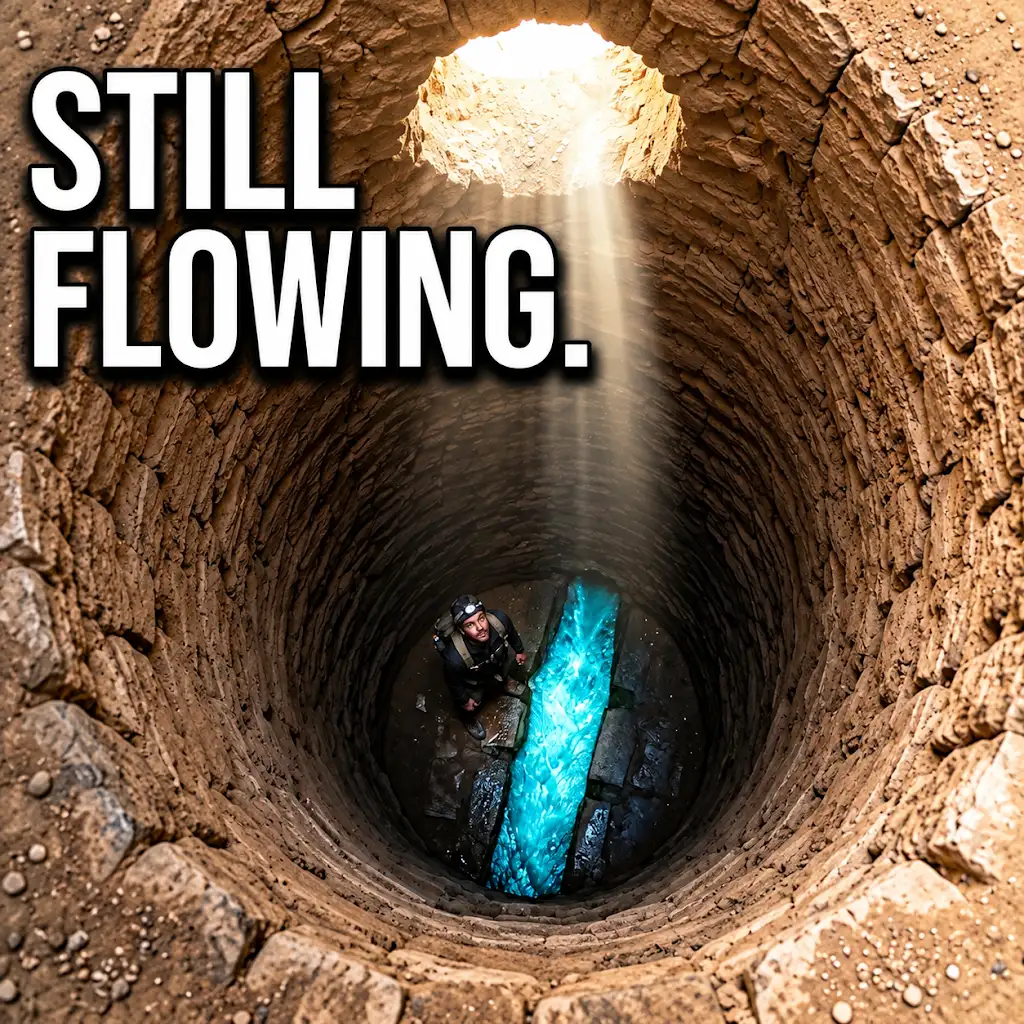
They Dug Water Tunnels Under the Desert… And They Still Flow
FAQs
1. How are qanats cleaned and maintained today?
Qanats are cleaned and maintained today using modern equipment such as cameras, sensors, and cleaning tools. Workers may use robotic devices to inspect and clear blockages in the tunnels.
2. What are some common issues that arise in qanats that require maintenance?
Common issues in qanats that require maintenance include blockages from debris, sediment buildup, and structural damage such as collapses or leaks. These issues can affect the flow of water and the overall functionality of the qanat system.
3. Who is responsible for the maintenance of qanats in modern times?
In modern times, the maintenance of qanats is typically the responsibility of local communities, government agencies, or specialized organizations dedicated to preserving traditional water systems. These entities work together to ensure the proper functioning of qanats.
4. How is technology used to assist in the maintenance of qanats today?
Technology is used to assist in the maintenance of qanats today by providing tools for monitoring water flow, detecting leaks, and identifying blockages. Remote sensing and data analysis help in assessing the condition of qanats and planning maintenance activities.
5. Are there any challenges in maintaining qanats in modern times?
Some challenges in maintaining qanats in modern times include funding for maintenance activities, ensuring the availability of skilled workers, and addressing environmental factors that may impact the sustainability of qanat systems. Collaboration and innovation are key to overcoming these challenges.