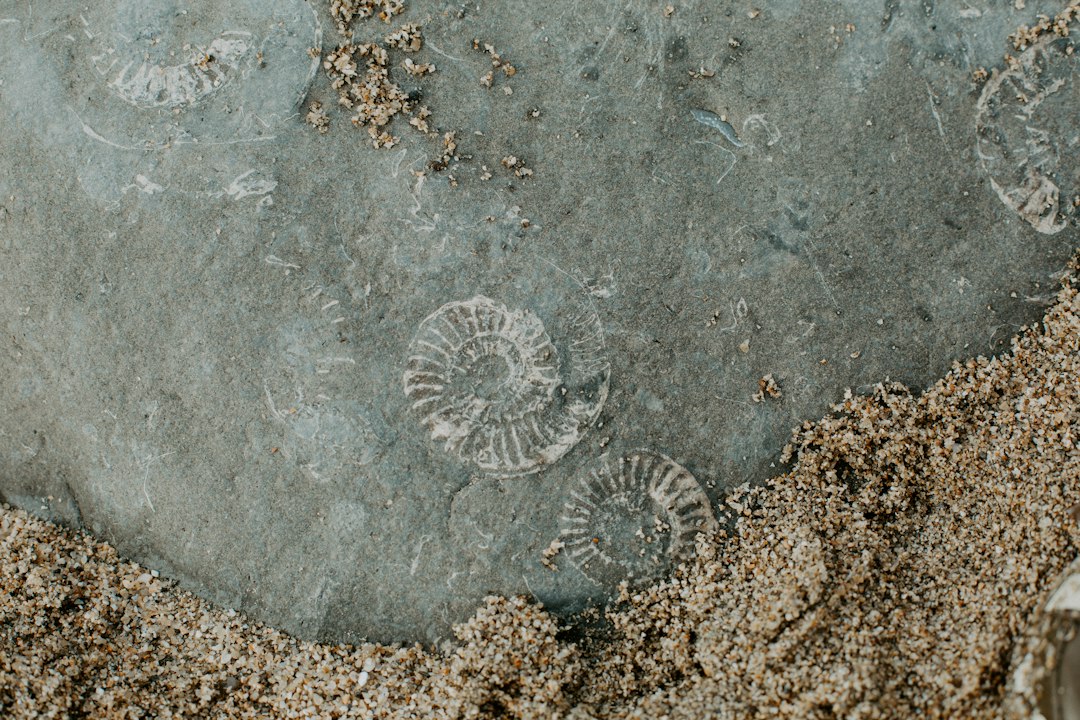
The secrets of the Earth’s crust, painstakingly drilled into by human endeavor, have yielded an extraordinary and unexpected treasure. Deep within the frigid expanse of the Kola Peninsula, at the very depths of the Kola Superdeep Borehole, a trove of remarkably preserved microfossils has been unearthed, fundamentally altering our understanding of ancient microbial life and the conditions under which it thrived. This monumental discovery, a testament to scientific curiosity and technological prowess, opens a new chapter in paleontology and astrobiology, offering tantalizing clues about the resilience and adaptability of life in extreme environments.
The Kola Superdeep Borehole, located on the Kola Peninsula in northwestern Russia, stands as a monumental achievement in geological research. Initiated in 1970 by the Soviet Union, its primary objective was to penetrate the Earth’s crust and study its composition, structure, and physical properties at unprecedented depths. The project, driven by a desire to understand the Mohorovičić discontinuity and the transition from continental to oceanic crust, pushed the boundaries of drilling technology and scientific exploration. For over two decades, the borehole extended downwards, eventually reaching a staggering depth of 12,262 meters (approximately 7.6 miles). This extraordinary feat made it the deepest artificial point on Earth, a testament to human ambition and ingenuity.
A Legacy of Scientific Pursuit
The genesis of the Kola Superdeep Borehole project can be traced back to the mid-20th century, a period of intense scientific competition and a burgeoning interest in understanding our planet’s fundamental structure. The International Geophysical Year of 1957-58 fueled a global push for geophysical research, and the Soviet Union was keen to contribute significantly to this endeavor. The idea of a superdeep borehole was conceived as a way to directly sample and analyze the Earth’s deep crust, bypassing the indirect methods of seismic surveys and magnetic field analysis. The Kola Peninsula was chosen for its unique geological setting, offering a relatively stable and accessible location with a thick continental crust.
Early Challenges and Technological Innovations
The sheer scale of the undertaking presented immense technological hurdles. Drilling at such extreme depths meant confronting incredibly high temperatures and pressures, as well as complex geological formations. Early drilling attempts encountered significant difficulties, requiring the development of specialized drill bits, robust casing materials, and sophisticated mud circulation systems. The problem of heat, in particular, was a major challenge. Temperatures at the bottom of the borehole reached over 180 degrees Celsius (356 degrees Fahrenheit), a condition that pushed the limits of available equipment and posed a constant threat to the integrity of the borehole. The engineers and scientists involved in the project had to innovate constantly, developing new alloys, cooling systems, and drilling techniques to overcome these obstacles.
Unforeseen Scientific Bounty
While the primary scientific goals were geological, the Kola Superdeep Borehole proved to be a treasure trove for various scientific disciplines. The core samples extracted from different depths provided invaluable data on the composition, mineralogy, and seismic properties of the Earth’s crust. However, it was the discovery of ancient organic matter and, more recently, well-preserved microfossils that has captivated the scientific community and expanded the scope of the borehole’s legacy far beyond its initial intentions. The unexpected presence of these biological signatures at such profound depths challenges long-held assumptions about the limits of life and its potential ubiquity.
Recent discoveries of fossils in the Kola Superdeep Borehole have sparked significant interest among paleontologists and geologists alike. These findings provide valuable insights into the ancient ecosystems that existed millions of years ago. For those interested in exploring the broader implications of geological discoveries, a related article discusses the impact of historical events on resource management, which can be found at this link.
The Unexpected Biological Signatures
The initial exploration of the Kola Superdeep Borehole focused heavily on geological and geochemical analyses. The rock cores revealed a complex stratigraphy, providing insights into the formation and evolution of the Earth’s continental crust. However, as deeper sections of the borehole were explored and analyzed, anomalies began to emerge. Traces of organic compounds, initially dismissed as contaminants or artifacts of the drilling process, started to appear with increasing regularity. This persistent presence of organic matter hinted at a more profound biological story waiting to be uncovered.
Early Indications of Ancient Life
As drilling progressed, scientists began to find evidence of ancient organic molecules within the rock strata. These were not necessarily fossilized organisms in the traditional sense, but rather chemical signatures indicative of biological processes. The analysis of these organic compounds, such as alkanes and aromatic hydrocarbons, suggested the presence of past microbial life. The types of molecules detected and their distribution within the rock layers provided clues about the potential metabolic pathways of these ancient microorganisms.
The Challenge of Contamination
One of the primary challenges in identifying and confirming biological signatures from deep subsurface environments is the potential for contamination. Surface materials and drilling fluids can easily introduce foreign organic matter into the borehole. Rigorous protocols were implemented to prevent contamination, and the scientific community developed sophisticated analytical techniques to distinguish between indigenous organic matter and introduced contaminants. Despite these efforts, skepticism often accompanied early findings, necessitating extensive validation and cross-referencing.
The Breakthrough: Discovery of Microfossils
The most significant breakthrough came with the discovery of actual microfossils within the rock cores. These microscopic remnants of ancient organisms, primarily bacteria and archaea, were found encased in rock formations that are millions of years old. The level of preservation was remarkable, allowing for detailed morphological analysis. These findings were not confined to a single depth but were distributed across various sections of the borehole, suggesting a widespread presence of microbial life in the ancient subsurface.
Morphology and Preservation
The microfossils identified exhibit a range of morphologies, including coccoid, rod-shaped, and filamentous forms, characteristic of known prokaryotic microorganisms. The exceptional preservation is attributed to several factors. The rapid burial of the organic matter within the impermeable rock strata, coupled with the absence of oxygen and the stable, high-pressure environment, prevented degradation. Furthermore, the mineral matrices in which the fossils are embedded, such as silica and clay minerals, played a crucial role in encapsulating and protecting the delicate cellular structures.
Unveiling Ancient Microbial Ecosystems

The discovery of these microfossils has opened a revolutionary window into the microbial ecosystems that once thrived in the Earth’s deep subsurface. These ancient life forms existed in environments drastically different from those we typically associate with life, pushing the boundaries of our understanding of habitability. Their survival and proliferation at such depths suggest an incredible adaptability to extreme conditions.
Recent discoveries of fossils in the Kola Superdeep Borehole have sparked significant interest among scientists studying ancient life forms and their environments. These findings provide valuable insights into the Earth’s geological history and the conditions that existed millions of years ago. For those interested in understanding the broader implications of such discoveries, an insightful article titled “Lessons from Ancient Climate Crisis: A Historical Perspective” explores how ancient climate events have shaped our planet. You can read more about it here.
Prokaryotic Dominance in the Deep Biosphere
The vast majority of the discovered microfossils belong to prokaryotic organisms – bacteria and archaea. This is consistent with our current understanding of the deep biosphere, which is dominated by these single-celled microbes. The ancient prokaryotes found at Kola represent early forms of life that likely existed during periods when the Earth’s surface was also teeming with microbial communities. Their presence at such depths suggests that the deep subsurface was not an inert environment but a dynamic realm supporting a diverse array of life.
Metabolic Strategies for Survival
Scientists are working to infer the metabolic strategies these ancient microbes employed to survive in the deep subsurface. It is likely that many of them were chemotrophs, deriving energy from chemical reactions involving inorganic compounds present in the rocks. This could include the oxidation of sulfur, iron, or methane, or the reduction of sulfate. The absence of sunlight at these depths precludes photosynthesis, making chemosynthesis the primary energy source for any life forms.
Evidence of Diverse Microbial Communities
The variety of morphologies observed in the microfossils suggests the presence of diverse microbial communities. Different shapes and sizes often correlate with different metabolic capabilities and ecological niches. The discovery implies that even in the seemingly barren depths of the Earth’s crust, complex microbial ecosystems could evolve and flourish, interacting with each other and their geological surroundings.
The Role of Hydrothermal Activity and Fluid Flow
Geological conditions such as hydrothermal activity and fluid flow likely played a critical role in supporting these ancient microbial ecosystems. These processes can transport essential nutrients and energy sources, creating localized habitable zones within the otherwise challenging subsurface environment. The interaction between water, rock, and dissolved minerals would have provided the chemical gradients necessary for microbial metabolism.
Implications for Astrobiology and the Search for Extraterrestrial Life
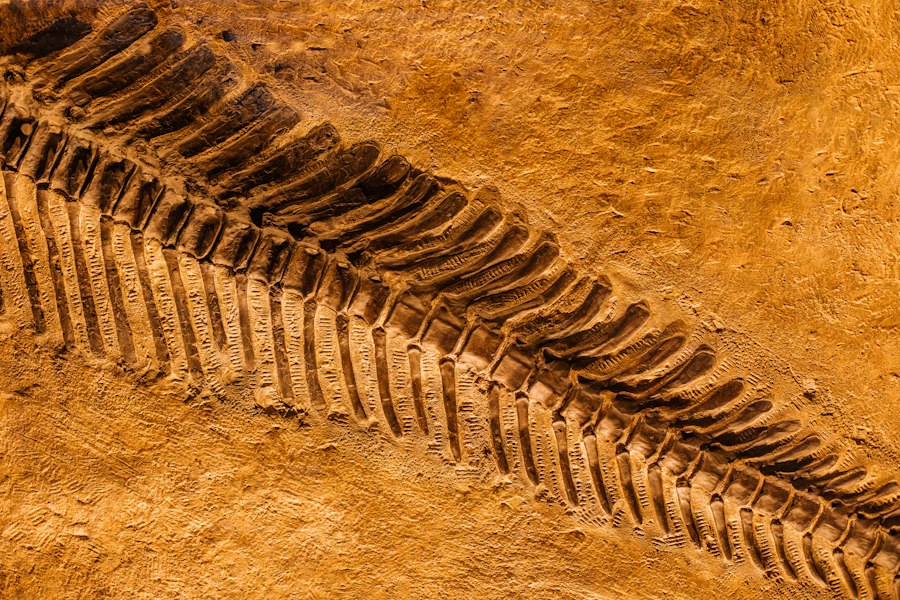
The findings from the Kola Superdeep Borehole have profound implications for astrobiology, the study of life beyond Earth. The discovery of life in such extreme subsurface environments on our own planet significantly broadens the range of potential habitable environments on other celestial bodies.
Redefining the Habitable Zone
Traditionally, the concept of a “habitable zone” around a star has been defined by the potential for liquid water to exist on a planet’s surface. However, the Kola discoveries suggest that subsurface environments, even on planets or moons lacking surface liquid water, could harbor life. This expands the scope of our search for extraterrestrial life to include subsurface oceans on icy moons like Europa and Enceladus, or even deep underground on planets like Mars.
Life in Extreme Subsurface Environments
The conditions within the Kola Superdeep Borehole – high temperatures, extreme pressures, and a lack of sunlight – are analogous to those found in many subsurface environments across the solar system. The resilience and adaptability of the discovered microfossils demonstrate that life can persist and thrive in conditions previously

They Drilled 12 KM Into Earth — Then Everything Changed
FAQs
What are fossils found in the Kola Superdeep Borehole?
Fossils found in the Kola Superdeep Borehole include single-celled organisms such as bacteria and archaea, as well as microscopic algae and fungi.
How old are the fossils found in the Kola Superdeep Borehole?
The fossils found in the Kola Superdeep Borehole are estimated to be around 2 billion years old, dating back to the Precambrian era.
Why are the fossils found in the Kola Superdeep Borehole significant?
The fossils found in the Kola Superdeep Borehole are significant because they provide valuable insights into early life forms and the Earth’s ancient ecosystems, helping scientists understand the evolution of life on our planet.
How were the fossils preserved in the Kola Superdeep Borehole?
The fossils found in the Kola Superdeep Borehole were preserved in the rock formations deep underground, where the lack of oxygen and extreme pressure and temperature conditions helped protect them from decay.
What can we learn from studying the fossils found in the Kola Superdeep Borehole?
Studying the fossils found in the Kola Superdeep Borehole can help scientists better understand the origins of life on Earth, the early stages of evolution, and the environmental conditions that existed billions of years ago.