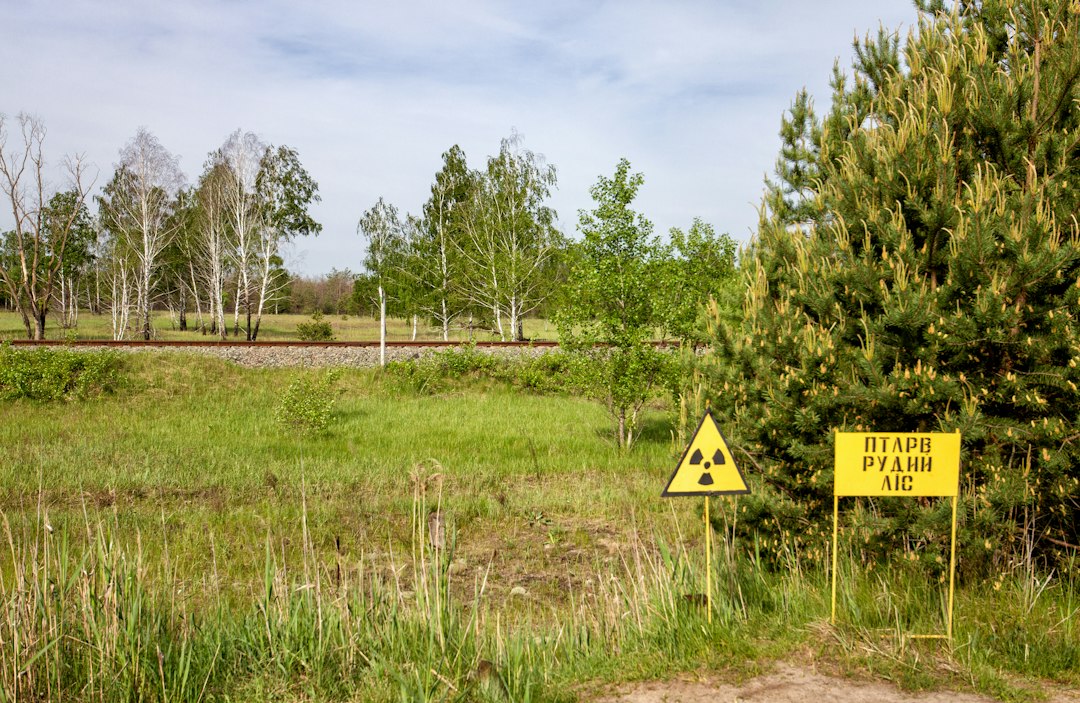
The ability to discern the subtle cues embedded within a situation, project, or organizational environment is an invaluable skill. It allows for the anticipation of future outcomes, enabling proactive adjustments that steer toward success rather than reactive damage control. This practice, often referred to as “reading the landscape,” involves a careful observation and interpretation of various indicators that signal potential opportunities or emerging challenges. For individuals and organizations alike, mastering this art can be the difference between navigating a complex world with confidence and being caught off guard by unforeseen obstacles. It’s about developing a keen awareness, a sort of strategic intuition, that goes beyond superficial appearances to understand the underlying dynamics at play.
Unveiling the Hidden Currents: The Importance of Landscape Reading
To understand the significance of reading the landscape, one must first appreciate the nature of complexity. Modern environments, whether business, social, or personal, are rarely simple and linear. They are dynamic systems, replete with interconnected variables, emergent properties, and a constant flux of information. In such environments, relying solely on established plans or past experiences can be a precarious strategy. The landscape is always shifting, and without a conscious effort to observe and interpret these shifts, one risks becoming obsolete or ineffective. Reading the landscape, therefore, is not merely an optional skill; it is a fundamental requirement for sustained success. It is the process of actively engaging with one’s surroundings, not as a passive observer, but as an informed interpreter. This involves looking beyond the obvious, the readily apparent facts, and delving into the nuances, the subtle signals that often precede significant developments.
The Illusion of Static Environments
Many individuals and organizations fall prey to the illusion that their operating environment is static or predictable. They establish a course of action, implement a strategy, and then assume that their work is done. However, the world is not a laboratory with controlled variables. External factors – economic shifts, technological advancements, competitor actions, evolving customer needs, political changes, even shifts in public sentiment – are constantly at play, subtly or dramatically altering the terrain. To ignore these forces is to invite unexpected turbulence. The perceived stability of a situation can be a deceptive calm before a storm, and a failure to acknowledge this dynamism can lead to a rude awakening. Understanding this inherent instability is the first step in developing a proactive mindset.
Proactive Navigation Versus Reactive Scramble
The fundamental benefit of landscape reading lies in its power to enable proactive navigation. Instead of waiting for problems to manifest and then scrambling to find solutions, the landscape reader anticipates potential issues and takes preventative measures. This might involve identifying a competitor’s emerging technology and investing in research and development to counter it, or noticing a shift in consumer preference and pivoting a product strategy before sales decline. This proactive approach saves resources, reduces stress, and significantly increases the probability of achieving desired outcomes. It transforms challenges from insurmountable obstacles into manageable hurdles that can be overcome with foresight and preparation.
Cultivating a Strategic Mindset
The practice of reading the landscape inherently cultivates a strategic mindset. It encourages individuals to think beyond the immediate task and consider the broader implications of actions and events. This involves developing the habit of asking “what if?” and “what else?” It fosters a culture of continuous learning and adaptation, where information is not just gathered but actively interpreted for its strategic value. This shift in perspective is crucial for long-term vision and for building resilience in the face of uncertainty. A strategic mindset sees the present as a precursor to the future, and understanding the present landscape is key to shaping that future.
Understanding how to read the landscape for warning signs is crucial for anticipating potential challenges in various environments. For those interested in exploring the intersection of ancient wisdom and modern technology, a related article titled “Unlocking the Power of Ancient Tech for Modern Solutions” provides valuable insights. This piece delves into how ancient techniques can inform contemporary practices, helping us better interpret our surroundings and respond to emerging threats. You can read the article here: Unlocking the Power of Ancient Tech for Modern Solutions.
Identifying the Subtle Signals: Observational Tools

Reading the landscape is not an esoteric art; it is a skill that can be honed through deliberate practice and the application of specific observational tools. These tools are not always tangible or technological; often, they are rooted in keen observation, active listening, and a systematic approach to gathering information. The key is to look for patterns, anomalies, and trends that might otherwise go unnoticed. It’s about developing a discerning eye for the qualitative as well as the quantitative.
The Power of Active Listening and Observation
At its core, reading the landscape is about paying attention. This means engaging all senses and actively listening to what people are saying, and more importantly, what they are not saying. In meetings, listen to the unspoken concerns, the hesitations, the subtle disagreements masked by polite agreement. Observe body language, shifts in tone, and the general atmosphere. In client interactions, listen for unmet needs, recurring frustrations, or latent desires. Beyond interpersonal dynamics, observe the physical environment – is it clean and organized, or chaotic? Is there a sense of urgency, or complacency? These seemingly minor details can provide significant clues about the health and direction of a situation.
Analyzing Trends and Anomalies
Reading the landscape involves a constant effort to identify trends and anomalies. Trends are the general directions in which things are moving, whether it’s market growth, technological adoption, or shifts in consumer behavior. Recognizing these trends allows for strategic positioning. Anomalies, on the other hand, are deviations from the expected or the norm. These can be particularly important as they often signal emerging issues or opportunities that are not yet widely recognized. For example, a sudden drop in website traffic, a spike in customer complaints about a specific feature, or an unexpected change in a competitor’s marketing message could all be anomalies that warrant investigation.
Gathering Qualitative and Quantitative Data
A comprehensive reading of the landscape requires the synthesis of both qualitative and quantitative data. Quantitative data, such as sales figures, market share, or financial reports, provides measurable insights into performance. However, these numbers alone may not tell the full story. Qualitative data – customer feedback, employee sentiment surveys, market research interviews, industry reports, news articles, and even social media discussions – provides context and depth to the quantitative findings. For instance, a decline in sales figures (quantitative) might be explained by negative customer reviews regarding a product’s durability (qualitative).
Decoding the Human Element: People as Indicators
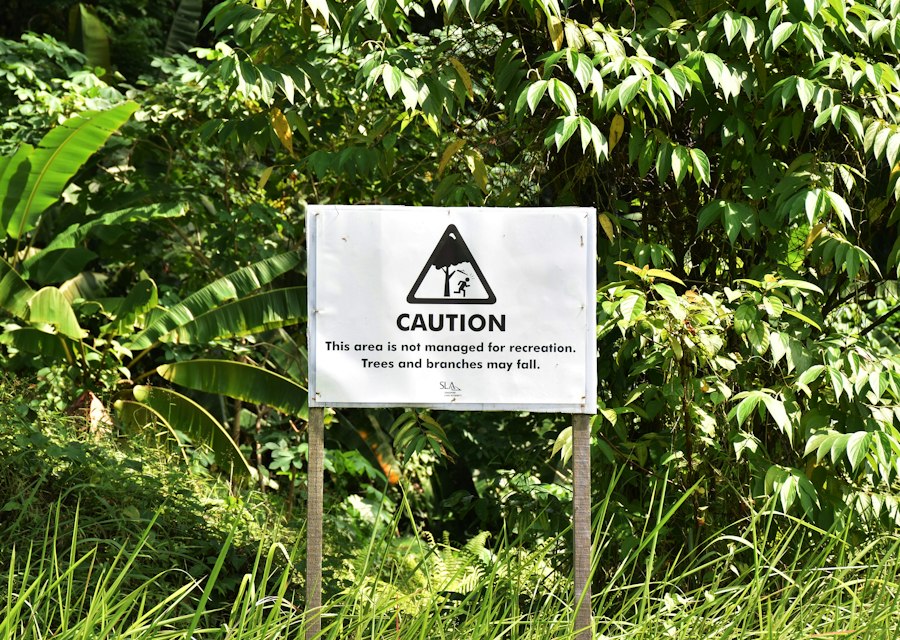
Perhaps the most crucial aspect of reading the landscape lies in understanding the human element. People are often the first to sense changes, the first to express concerns, and the first to embrace new ideas. Their behaviors, attitudes, and communication patterns are rich sources of information about the underlying dynamics of any situation. Ignoring the human factor is to miss some of the most potent early warning signs.
Understanding Team Dynamics and Morale
Within a team or organization, the morale and dynamics of the people are powerful indicators. Low morale, a sense of disengagement, increased absenteeism, a rise in internal complaints, or a lack of collaboration can all signal underlying problems such as poor leadership, unclear objectives, or overwhelming workloads. Conversely, high morale, enthusiastic participation, open communication, and a willingness to go the extra mile often indicate a healthy and successful environment. Observing how team members interact, support each other, and approach their work can reveal much about the prevailing conditions.
Recognizing Shifting Attitudes and Beliefs
Attitudes and beliefs, particularly those held by key stakeholders or influential individuals, can be strong predictors of future actions. A growing skepticism towards a particular strategy, a quiet shift in support for a leader, or an increasing enthusiasm for a new direction can all foreshadow significant changes. This requires careful observation of conversations, informal feedback, and even the general “buzz” within a group or community. It’s about picking up on the subtle currents of opinion that may not yet be formally expressed.
The Importance of Informal Networks and Whispers
Formal communication channels are important, but informal networks and the “whispers” that travel through them often reveal truths that are not being openly discussed. These informal networks can highlight emerging issues, unexpressed frustrations, or nascent opportunities that might be overlooked by official channels. Understanding who talks to whom, what information flows through these networks, and the sentiment associated with that information can provide invaluable insights into the true state of affairs. It’s about understanding the grapevine not as gossip, but as a barometer of sentiment and potential future actions.
Interpreting Environmental and Market Signals
Beyond the human element, the external environment and market dynamics provide a wealth of information that can be interpreted to identify early warning signs for success. These signals often manifest in subtle shifts that, if recognized, can lead to significant strategic advantages. This involves looking beyond immediate transactions to understand the broader forces shaping the playing field.
Monitoring Competitor Activity and Innovation
A constant awareness of competitor activity is essential. This includes not just their overt actions like product launches or marketing campaigns, but also their strategic shifts, investments in new technologies, hiring patterns, and even their stated goals and visions. Are competitors focusing on a particular niche? Are they acquiring companies in related fields? Are they increasing their R&D spending? These observations can signal emerging threats or opportunities for one’s own organization. Innovation, in particular, is a critical area to monitor; the company that innovates consistently is likely to be the one that sets the pace.
Analyzing Market Trends and Consumer Behavior
Understanding broader market trends and evolving consumer behavior is paramount. This involves looking at demographic shifts, economic forecasts, technological disruptions, regulatory changes, and shifts in societal values. How are customer needs and preferences changing? Are there new segments of the market emerging? Are existing segments consolidating or fragmenting? For instance, a growing awareness of environmental sustainability among consumers might signal an opportunity for eco-friendly products or services, or a threat to businesses that are not environmentally conscious.
Leveraging Economic and Regulatory Indicators
Economic and regulatory indicators can provide crucial foresight. Changes in interest rates, inflation, unemployment, or GDP growth can all impact market conditions and consumer spending. Similarly, new regulations, policy shifts, or geopolitical events can create both challenges and opportunities. For example, a new government mandate for renewable energy could create a booming market for solar power companies, while also posing challenges for fossil fuel industries. Being attuned to these macro-level shifts allows for strategic planning and adaptation.
Understanding the nuances of consumer behavior can be crucial for businesses looking to thrive in today’s market. A related article discusses the rise of the Mexican consumer and offers valuable insights into how companies can adapt to shifting trends and preferences. By examining these changes, businesses can better read the landscape for warning signs that may indicate shifts in demand or emerging opportunities. For more information, you can read the full article on the Mexican consumer’s rise here.
Actionable Insights: Translating Observation into Strategy
| Metric | Description | Measurement Method | Typical Values | Warning Sign Threshold |
|---|---|---|---|---|
| Vegetation Health | Assessment of plant vitality and stress levels | Visual inspection, NDVI (Normalized Difference Vegetation Index) via satellite imagery | NDVI: 0.6 – 0.9 (healthy) | NDVI below 0.4 indicates stress or dieback |
| Soil Moisture | Amount of water present in the soil | Soil moisture sensors, gravimetric analysis | 20% – 30% volumetric water content | Below 10% indicates drought stress |
| Animal Behavior | Changes in wildlife activity or migration patterns | Field observation, camera traps | Normal seasonal migration and activity | Unusual congregation or absence of species |
| Water Levels | Height of water bodies such as rivers, lakes, and ponds | Water gauges, satellite data | Stable or seasonal variation within normal range | Rapid drop or rise beyond seasonal norms |
| Soil Erosion | Loss of topsoil due to wind or water | Visual assessment, sediment traps | Minimal erosion, stable ground cover | Visible gullies, exposed roots, sediment increase |
| Weather Patterns | Changes in temperature, precipitation, and wind | Meteorological data analysis | Seasonal averages within historical range | Extreme deviations or prolonged drought/rainfall |
The ultimate goal of reading the landscape is to translate observations into actionable insights that drive strategic decisions and ultimately lead to success. This is where the art of interpretation meets the science of strategy. It’s not enough to simply identify signals; one must understand their implications and develop a plan to respond.
Connecting the Dots: Synthesizing Information
Effective landscape reading requires the ability to connect the dots between seemingly disparate pieces of information. A change in team morale, a competitor’s new product, and a shifting market trend might all seem independent, but they could be interconnected, pointing towards a larger underlying force. The process of synthesis involves bringing together qualitative and quantitative data, human insights, and external market signals to form a cohesive picture. This requires critical thinking, analytical skills, and a willingness to challenge assumptions.
Developing Contingency Plans and Strategic Pivots
Once potential challenges or opportunities are identified, the next step is to develop appropriate responses. This might involve creating contingency plans to mitigate risks, such as developing alternative supply chains or backup operational procedures. It could also involve making strategic pivots, adjusting a business model, reallocating resources, or developing new products and services to capitalize on emerging opportunities. The key is to be agile and adaptable, willing to change course when the landscape dictates.
Fostering a Culture of Continuous Scanning and Adaptation
For landscape reading to be truly effective, it must become an ingrained practice, not a one-off exercise. This means fostering a culture of continuous scanning and adaptation within an organization or individual life. Encourage curiosity, promote open communication, and reward proactive observation and insightful analysis. Regular reviews of the landscape, even when things appear to be going well, are essential to maintain an edge. This ongoing vigilance ensures that one is always prepared for what lies ahead, transforming the act of reading the landscape from a reactive necessity into a proactive engine of success.