Recognizing Key Developmental Milestones in Children
The journey of childhood is characterized by a series of observable changes in a child’s physical, cognitive, social, and emotional growth. These changes are often referred to as developmental milestones, serving as markers that indicate a child is progressing along a typical developmental trajectory. Understanding and recognizing these milestones is crucial for parents, caregivers, and educators, enabling them to monitor a child’s development, identify potential areas of concern, and provide appropriate support and stimulation. While individual children develop at their own pace, a general framework of expected milestones within specific age ranges offers valuable insights. This article delves into recognizing these key developmental milestones across various domains, providing an overview of what to expect and why it matters.
Developmental milestones are not rigid deadlines but rather provide a general timeline for when children typically achieve certain skills or demonstrate specific behaviors. These milestones are rooted in a complex interplay of genetic predispositions, environmental influences, and the ongoing process of learning and adaptation.
Biological and Genetic Influences
A child’s genetic makeup plays a foundational role in their developmental trajectory. Genes influence everything from physical growth rates and predispositions to certain cognitive abilities. These intrinsic factors set the stage for a child’s potential and predispose them to certain developmental pathways.
Environmental Impact and Stimulation
The environment in which a child grows significantly shapes their development. This encompasses not only the physical surroundings but also the social and emotional interactions they experience. Access to adequate nutrition, safe living conditions, and enriching experiences such as reading, playing, and engaging in conversation all contribute to healthy development. The quality and quantity of stimulation provided play a critical role in how a child progresses through developmental stages.
The Interconnectedness of Developmental Domains
It is important to recognize that developmental domains are not isolated entities but are intricately interconnected. For instance, a child’s ability to walk (gross motor skill) can influence their opportunities for social interaction and exploration, which in turn can impact their cognitive development. Similarly, language development is closely tied to cognitive growth and the ability to form social connections. This interconnectedness means that progress in one area often supports and enhances development in others.
In exploring the intricacies of child development, understanding structural logic is essential for recognizing the signs of cognitive growth. A related article that delves into the complexities of development is available at Uncovering the Secrets Beneath Antarctica’s Ice, which, while primarily focused on environmental science, offers insights into how structured environments can influence developmental outcomes in children. This connection highlights the importance of context and structure in fostering cognitive abilities and emotional resilience in young learners.
Gross Motor Skill Milestones
Gross motor skills involve the use of large muscle groups for activities such as sitting, crawling, walking, and running. These skills are fundamental for a child’s mobility, exploration, and engagement with their environment.
Infancy (0-12 Months)
During infancy, the development of gross motor skills is particularly rapid.
Head Control and Rolling Over
By around 2-4 months, infants typically gain head control while being held or placed on their stomach. They begin to lift their head and chest. Soon after, many infants learn to roll over from their stomach to their back and vice versa, usually between 4-6 months. This requires developing core strength and coordination.
Sitting Independently
By 6-9 months, many infants can sit without support for increasing periods. This is a significant milestone that allows for greater visual exploration and interaction. They develop balance and the ability to shift their weight.
Crawling and Cruising
Crawling, the earliest form of independent locomotion, usually emerges between 7-10 months. This can take various forms, including commando crawling, classic hands-and-knees crawling, or bear crawling. Following crawling, many infants begin to “cruise,” walking while holding onto furniture or walls, typically between 9-12 months. This is a precursor to independent walking.
Toddlerhood (1-3 Years)
Toddlerhood is characterized by the acquisition of independent walking and more complex gross motor abilities.
Walking Independently
The ability to walk independently is a hallmark of toddlerhood, usually occurring between 12-18 months. Initially, their gait may be unsteady, with wide stances and arms held out for balance. This progresses to a more stable and coordinated walk.
Stairs and Climbing
By 18-24 months, toddlers often learn to climb stairs, sometimes with assistance and sometimes independently, often by crawling up. They may begin to ascend stairs with a step-to-verb pattern (bringing both feet to the same step before moving to the next).
Running and Jumping
Towards the end of toddlerhood (2-3 years), children typically develop the ability to run with more coordination and may even be able to jump with two feet off the ground. They also begin to pedal a tricycle.
Preschool Years (3-5 Years)
Preschool-aged children refine their gross motor skills, becoming more agile and confident.
Hopping and Galloping
By around 3-4 years, many children can hop on one foot and begin to gallop. These skills require increased balance and coordination.
Riding a Bicycle
With training wheels, many children can ride a tricycle or a small bicycle by age 4-5. They also develop better coordination for activities like kicking a ball or throwing a ball overhand.
More Advanced Coordination
Children in this age range exhibit improved coordination in activities such as skipping, climbing playground equipment, and participating in organized games.
Fine Motor Skill Development

Fine motor skills involve the coordination of small muscles, particularly in the hands and fingers, for precise movements. These skills are essential for tasks like eating, writing, and manipulating objects.
Infancy (0-12 Months)
Early fine motor development focuses on grasping and exploring objects.
Palmar Grasp
At around 2-4 months, infants develop a palmar grasp, where they use their whole hand to hold objects. The grasp is reflexive and less controlled at this stage.
Reaching and Grasping
Between 4-8 months, infants begin to reach for objects and develop a more voluntary grasp. They start to explore objects by mouthing them and shaking them.
Pincer Grasp
A significant milestone is the development of the pincer grasp, typically between 8-12 months. This involves using the thumb and index finger to pick up small objects. This allows for greater dexterity and precision.
Toddlerhood (1-3 Years)
Toddlerhood sees the development of more deliberate and controlled fine motor actions.
Stacking Blocks
By 12-18 months, toddlers can typically stack two to four blocks. This requires hand-eye coordination and controlled release.
Scribbling
Around 18-24 months, toddlers begin to make marks on paper, developing the ability to scribble. Initially, this is a gross motor action, but it gradually becomes more controlled.
Using Utensils
Toddlers also begin to use spoons and forks with increasing skill, though they may still spill food. They can turn pages in a book, albeit clumsily.
Preschool Years (3-5 Years)
Preschoolers refine their fine motor skills, preparing them for pre-writing and more complex manipulation.
Drawing Shapes and Lines
By age 3-4, children can typically draw simple shapes like circles and lines and may begin to draw a person with a few body parts. They can also use scissors with supervision to cut along a line.
Buttoning and Zipping
Mastery of self-care tasks involving fine motor skills, such as buttoning clothes and zipping zippers, usually emerges between 4-5 years. This requires dexterity and finger isolation.
Holding a Pencil Correctly
Towards age 5, children begin to adopt a more mature pencil grip, moving away from a fist grip towards a tripod or quadrupod grasp. This is crucial for effective writing.
Language and Communication Milestones
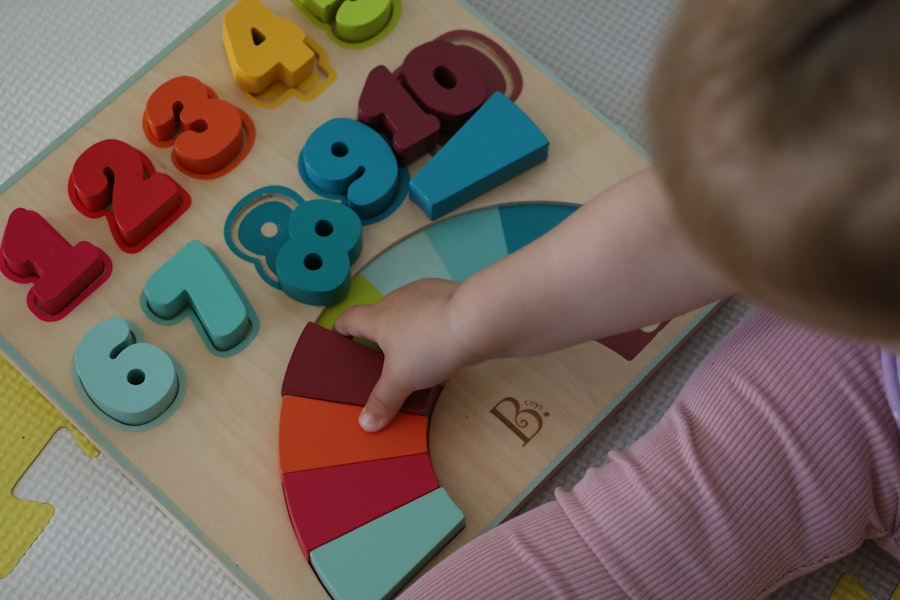
Language development encompasses both understanding spoken language (receptive language) and producing spoken language (expressive language), as well as developing non-verbal communication skills.
Infancy (0-12 Months)
Early communication in infancy is primarily non-verbal, evolving into vocalizations.
Cooing and Babbling
From 2-4 months, infants begin to coo, producing vowel-like sounds. By 6-9 months, they enter the babbling stage, producing consonant-vowel combinations like “bababa” or “dadada.” This is a precursor to meaningful speech.
Understanding Simple Commands
By 9-12 months, infants can often understand simple commands, such as “no” or “bye-bye,” even if they cannot yet produce the words themselves. They also begin to use gestures to communicate, such as waving.
First Words
The first meaningful words typically emerge between 12-18 months. These are often simple words referring to familiar people or objects, such as “mama,” “dada,” or “ball.”
Toddlerhood (1-3 Years)
Toddlerhood is a period of rapid expansion in vocabulary and the development of simple sentences.
Vocabulary Explosion
Between 18-24 months, many toddlers experience a “vocabulary explosion,” rapidly acquiring new words. They can typically use 50 or more words by 24 months.
Two-Word Phrases
By 18-24 months, toddlers begin to combine words into two-word phrases, such as “more juice” or “daddy go.” This marks the beginning of grammatical development.
Following Two-Step Commands
As their comprehension grows, toddlers can typically follow two-step commands, such as “Pick up the toy and give it to me,” by age 2-3.
Preschool Years (3-5 Years)
Preschoolers develop increasingly complex sentence structures and conversational skills.
Elaborated Sentences
By age 3-4, children are typically using longer and more complex sentences, often with four to five words or more. They begin to use pronouns and past tense verbs.
Asking Questions
Preschoolers are often very curious and ask many questions, typically starting with “What,” “Where,” and “Why.” This demonstrates their developing cognitive understanding and desire to learn.
Engaging in Conversations
By age 4-5, children can engage in conversations, taking turns speaking and listening. They can recount simple stories and participate in imaginary play that involves complex dialogue.
Understanding structural logic in child development is crucial for recognizing the signs of cognitive growth and emotional maturity. A related article discusses how external factors, such as economic conditions, can influence child development, emphasizing the importance of a stable environment for fostering healthy growth. For more insights on how various societal issues may impact children’s development, you can read the article here: external factors. This connection highlights the intricate relationship between a child’s surroundings and their developmental milestones.
Social and Emotional Development Milestones
| Developmental Stage | Signs of Structural Logic |
|---|---|
| Infancy (0-2 years) | Ability to grasp objects, reaching for objects, exploring with hands and mouth |
| Early Childhood (2-6 years) | Understanding cause and effect, sorting objects by size or color, building simple structures with blocks |
| Middle Childhood (6-12 years) | Developing problem-solving skills, understanding basic mathematical concepts, organizing thoughts and ideas |
| Adolescence (12-18 years) | Abstract thinking, logical reasoning, understanding complex systems and relationships |
Social and emotional development refers to a child’s ability to understand and manage their emotions, build relationships, and navigate social situations.
Infancy (0-12 Months)
Early social and emotional development focuses on forming attachments and basic emotional expressions.
Social Smiling
Infants begin to smile socially, responding to faces and interactions, usually by 6-8 weeks. This is a crucial early step in social bonding.
Recognizing Familiar Faces
By 2-4 months, infants start to show a preference for familiar faces and can distinguish them from strangers.
Stranger Anxiety
Around 6-12 months, many infants experience stranger anxiety, showing distress when separated from their primary caregiver or in the presence of unfamiliar people. This is a normal developmental stage indicating attachment.
Expressing Basic Emotions
Infants learn to express basic emotions like joy, sadness, anger, and fear through crying, facial expressions, and body language.
Toddlerhood (1-3 Years)
Toddlers begin to assert their independence and develop self-awareness.
Parallel Play
In toddlerhood, children often engage in parallel play, playing alongside other children but not directly interacting with them. This is a precursor to more cooperative play.
Showing Affection
Toddlers often show affection to their caregivers and may begin to show empathy towards others, such as offering a toy to a crying friend.
Temper Tantrums
The emergence of temper tantrums is common in toddlerhood as children assert their will and struggle to manage frustration. This reflects their growing independence and limited emotional regulation skills.
Preschool Years (3-5 Years)
Preschoolers develop more complex social skills, empathy, and an understanding of rules.
Cooperative Play
By age 3-4, children begin to engage in cooperative play, sharing toys and working together in shared activities.
Understanding Rules and Sharing
Preschoolers start to grasp the concept of rules in games and are beginning to learn to share, though this can still be a challenge.
Developing Friendships
Children in this age range begin to form genuine friendships, showing preferences for certain playmates and developing a sense of social belonging.
Empathy and Perspective-Taking
As their emotional understanding grows, preschoolers develop a greater capacity for empathy, understanding the feelings of others. They begin to develop a rudimentary ability to see things from another person’s perspective.
Understanding structural logic in child development is crucial for recognizing the signs of cognitive growth and emotional maturity. A fascinating article that delves into this topic is available at this link, where it explores how various environments can influence a child’s developmental milestones. By examining these factors, parents and educators can better support children’s learning processes and foster their overall well-being.
Cognitive Development Milestones
Cognitive development encompasses the progression of thinking, learning, problem-solving, and memory.
Infancy (0-12 Months)
Infant cognition is largely sensorimotor, focused on direct experience and physical interaction.
Object Permanence
A significant cognitive milestone is the development of object permanence, the understanding that objects continue to exist even when they are out of sight. This typically emerges between 8-12 months.
Cause and Effect
Infants begin to understand cause and effect through repeated actions, such as shaking a rattle to make a sound.
Imitation
By 12 months, many infants begin to imitate simple gestures and behaviors they have observed.
Toddlerhood (1-3 Years)
Toddlers’ thinking becomes more symbolic, and they begin to engage in imaginative play.
Pretend Play
Toddlers start to engage in pretend play, using objects symbolically, such as pretending a block is a phone or a doll is a baby.
Sorting and Matching
By age 2-3, toddlers can often sort objects by color or shape and may begin to match simple patterns.
Understanding Concepts of Time and Space
They begin to grasp basic concepts of time (“later”) and space (“in” or “on”).
Preschool Years (3-5 Years)
Preschoolers develop more advanced reasoning, memory, and problem-solving skills.
Conservation (Early Stages)
While full understanding of conservation (e.g., that the quantity of liquid remains the same even if poured into a different-shaped container) develops later, preschoolers begin to show early signs of understanding that some properties remain constant.
Classification
Preschoolers can classify objects based on multiple attributes, such as sorting toys by animal type and color.
Memory and Recall
Their memory improves, allowing them to recall past events and recognize familiar people and objects. They can often recount simple stories or routines.
Problem-Solving
Preschoolers are increasingly able to solve simple problems, such as figuring out how to fit puzzle pieces together or overcoming obstacles in their play.
Recognizing these key developmental milestones provides a valuable roadmap for understanding a child’s journey from infancy through the preschool years. It is important to remember that this is a general guide, and variations in timing are normal. If there are significant concerns about a child’s development, consulting with healthcare professionals, such as pediatricians or developmental specialists, is the most appropriate course of action. Early identification and intervention can make a substantial difference in supporting a child’s overall well-being and maximizing their potential.
FAQs
What is structural logic in child development?
Structural logic in child development refers to the ability of a child to understand and apply logical reasoning in their thinking and problem-solving skills. It involves the development of cognitive processes such as categorization, sequencing, and understanding cause and effect.
What are some signs of structural logic in child development?
Signs of structural logic in child development include the ability to categorize objects or ideas, understand and follow sequential instructions, solve problems using logical reasoning, and recognize cause-and-effect relationships in their environment.
At what age do children typically begin to demonstrate signs of structural logic in their development?
Children typically begin to demonstrate signs of structural logic in their development around the age of 3 to 4 years old. This is when they start to show an understanding of categorization, sequencing, and cause-and-effect relationships in their thinking and problem-solving skills.
How can parents and caregivers support the development of structural logic in children?
Parents and caregivers can support the development of structural logic in children by providing opportunities for them to engage in activities that promote categorization, sequencing, and logical reasoning. This can include playing games that require problem-solving, providing toys that encourage sorting and matching, and engaging in conversations that help children understand cause-and-effect relationships.
Why is the development of structural logic important in child development?
The development of structural logic is important in child development as it lays the foundation for critical thinking, problem-solving, and decision-making skills. It helps children make sense of the world around them and develop the cognitive abilities necessary for academic success and lifelong learning.