The chilling winds of the Pleistocene Epoch, a period stretching from roughly 2.6 million to 11,700 years ago, sculpted a world vastly different from our own. During this era, colossal ice sheets advanced and retreated, a rhythmic dance that dramatically reshaped continents, dictated the distribution of life, and set the stage for the emergence of our own species. Reconstructing these lost worlds, therefore, is not merely an academic exercise; it is a profound journey into the deep past, a quest to understand the environmental pressures that forged humanity and the incredible adaptations of life that thrived under its icy dominion. This endeavor, often referred to as “Ice Age archaeology” or “paleoecology,” relies on a multidisciplinary approach, weaving together evidence from geology, paleontology, genetics, and a host of sophisticated analytical techniques. The secrets buried within glacial sediments, permafrost, and ancient cave deposits offer tantalizing glimpses into ecosystems teeming with now-extinct megafauna, early human migrations, and the nascent sparks of cultural innovation. Unveiling these ancient secrets allows us to grasp the resilience of life, the profound impact of climate change, and the remarkable ingenuity of our ancestors in navigating one of Earth’s most formidable epochs.
Echoes of the Glacial Maximum: Landscapes Under Ice
The most defining feature of the Ice Age was its dramatic climatic fluctuations, characterized by repeated glacial and interglacial periods. The Last Glacial Maximum (LGM), which occurred approximately 20,000 years ago, represents the peak of this icy dominance. During this time, vast ice sheets, some kilometers thick, covered significant portions of North America, Europe, and Asia. These colossal frozen expanses were not static entities; they advanced and retreated, leaving behind a geological fingerprint that scientists painstakingly decipher. Understanding these glacial landscapes is crucial to comprehending the habitats available to Ice Age fauna and the migratory routes of early humans.
The Sculpting Power of Ice Sheets
The sheer mass of glacial ice exerted immense pressure on the Earth’s crust, leading to isostatic depression – the sinking of landmasses under the weight of ice. As glaciers advanced, they scoured the underlying bedrock, carving out valleys, fjords, and the characteristic U-shaped valleys that define many mountainous regions today. The erosive power of ice, laden with rocks and debris, pulverized landscapes, grinding them into fine glacial flour and larger cobbles. Terminal moraines, vast ridges of accumulated debris pushed forward by the advancing ice front, mark the furthest extent of glacial reach, acting as time capsules of past ice sheet margins.
Periglacial Environments: Life on the Edge
Beyond the direct reach of the ice sheets lay the periglacial zones – environments characterized by extreme cold and permafrost, ground that remains frozen for at least two consecutive years. These regions were not barren wastelands but rather dynamic mosaics of tundra, steppe, and shrubland. Vegetation adapted to the harsh conditions, with hardy grasses, sedges, and low-lying shrubs dominating the flora. These ecosystems, though seemingly austere, supported a remarkable array of large herbivores, forming the foundation of the Ice Age food web. The thawing and refreezing cycles in periglacial environments also played a significant role in shaping the land, creating features like patterned ground, polygonal ice wedges, and solifluction lobes.
Sea Level Drop and Exposed Land Bridges
A dramatic consequence of the vast amount of water locked up in ice sheets was a significant drop in global sea levels. During the LGM, sea levels were estimated to be around 120 meters lower than they are today. This lowered sea level exposed vast tracts of continental shelf, creating land bridges that facilitated the movement of animals and humans between continents. The Bering Land Bridge, connecting present-day Siberia and Alaska, is the most famous example, providing a critical pathway for the migration of megafauna and early human populations into the Americas. Understanding these submerged landscapes and exposed routes is vital for reconstructing ancient migration patterns and the biogeography of Ice Age species.
In the quest to understand the ecosystems of the Ice Age, researchers are employing innovative techniques to reconstruct lost worlds, shedding light on the flora and fauna that once thrived in these ancient environments. This fascinating topic is explored in depth in a related article that discusses how modern technology is revolutionizing our understanding of historical ecosystems. For more insights into how advancements in various fields can reshape our understanding of the past, you can read the article here: Revolutionizing the North American Supply Chain: Embracing the Future.
Ghosts of the Pleistocene: Megafauna and Their Worlds

The Ice Age is inextricably linked with its magnificent, often colossal, inhabitants – the megafauna. These creatures, adapted to the cold and the open landscapes, were central to the ecosystems of the time and played a crucial role in the lives of early humans. Paleontological discoveries, from fossilized bones to exquisitely preserved specimens found in permafrost, offer invaluable insights into their anatomy, diet, behavior, and the ecological niches they occupied.
Giants of the Tundra and Steppe
The Pleistocene megafauna encompassed an astonishing diversity of species. In Europe and Asia, mammoths – both woolly mammoths and the larger steppe mammoths – roamed in vast herds, their thick, shaggy coats providing insulation against the biting cold. Saber-toothed cats, with their iconic elongated canines, were apex predators, likely preying on large herbivores. Cave bears, enormous ursids with a predominantly herbivorous diet, sought shelter in the abundant cave systems. Reindeer, horses, and aurochs (an ancestor of modern cattle) were also widespread, forming the primary prey for human hunters.
The American Frontier: Unique Assemblages
North America boasted its own unique cast of megafauna. The woolly mammoth was present, alongside the Columbian mammoth, a larger, tusked species that favored warmer environments. Giant ground sloths, some reaching the size of elephants, browsed on vegetation. The American lion, a formidable predator, and the dire wolf, a powerful canid, shared this continent with the now-extinct American horse and the peculiar glyptodon, a giant armadillo-like creature. The extinction of these animals, a process that occurred at the end of the Pleistocene, remains a subject of intense scientific debate.
Tracing Diets and Behaviors Through Fossils
The study of fossil remains provides remarkable insights into the lives of these extinct giants. Isotopic analysis of tooth enamel can reveal dietary habits, indicating whether an animal was primarily a grazer, browser, or omnivore. Wear patterns on teeth can suggest the types of vegetation consumed and the consistency of their food. The discovery of articulated skeletons in predator kill sites or ancient watering holes can reconstruct hunting strategies and social behaviors. For instance, finding multiple mammoth skeletons together might indicate herd behavior, while the presence of saber-tooth marks on bones points to predatory interactions.
Early Human Footprints: Migrations and Innovations
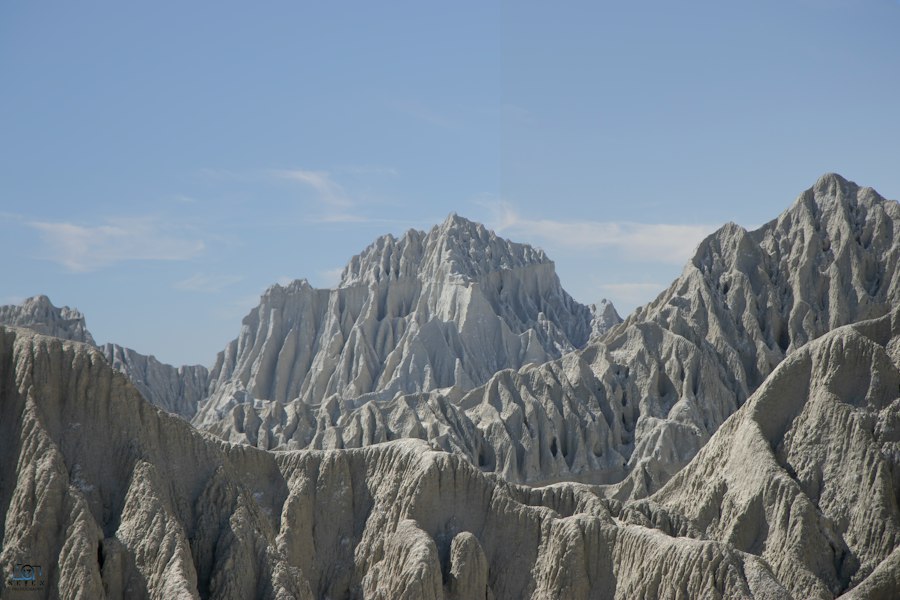
The Ice Age was a crucible for human evolution and migration. It was during this period that Homo sapiens emerged and began to spread across the globe, adapting to diverse and often challenging environments. The archaeological record, though sparse in places, provides compelling evidence of early human presence, their technological advancements, and their complex social lives.
The Dawn of Homo sapiens and Out of Africa
The story of Homo sapiens is intrinsically linked to the Ice Age. Our species originated in Africa, and evidence suggests that early migrations out of the continent occurred during periods of glacial advance and retreat, when environmental conditions might have been more conducive to dispersal. These early pioneers encountered a world populated by other hominin species, such as Neanderthals in Eurasia, and had to navigate unfamiliar landscapes and compete for resources.
Navigating the Ice: Technological Adaptations
Survival in Ice Age environments demanded ingenuity and sophisticated toolkits. The Paleolithic period, encompassing the Old Stone Age, witnessed the development of increasingly specialized stone tools. Early humans crafted handaxes, scrapers, and points for hunting, butchering, and preparing hides. As the Ice Age progressed, the technology became more refined, with the emergence of composite tools, such as spears with attached stone points, and the development of bone and antler tools for crafting finer objects and clothing. The invention of the spear thrower (atlatl) significantly increased hunting efficiency, allowing for greater distance and accuracy.
Cultural Expressions in a Frozen World
The Ice Age was also a period of burgeoning cultural expression. Cave paintings, such as those found at Lascaux in France and Altamira in Spain, depict a vibrant world of animals and hunting scenes, offering profound insights into the beliefs, rituals, and artistic sensibilities of our ancestors. The creation of portable art, including carved figurines and ornaments, further attests to the development of symbolic thought and aesthetic appreciation. The presence of organized burials, sometimes with grave goods, suggests complex social structures and beliefs about the afterlife. These early cultural achievements, forged in the crucible of the Ice Age, laid the groundwork for the diverse civilizations that would follow.
Decoding the Past: Scientific Tools and Techniques
Reconstructing the lost worlds of the Ice Age is a testament to the power of scientific inquiry. A diverse array of sophisticated techniques, from geological mapping to molecular genetics, allows researchers to piece together fragments of information and build increasingly detailed pictures of ancient ecosystems and human activities.
Geological Fingerprints: Sediments and Landforms
Geologists play a pivotal role by studying the physical evidence left behind by glaciers. Examining glacial till, outwash plains, and moraines provides information about the extent, thickness, and movement of ice sheets. Sediment cores extracted from lakes and ocean floors offer invaluable archives of past climate. By analyzing layers of pollen, ice crystals, and chemical isotopes within these cores, scientists can reconstruct temperature fluctuations, vegetation changes, and even atmospheric composition over millennia.
The Bioarchaeological Toolkit: Bones, Teeth, and DNA
Paleontologists and bioarchaeologists analyze fossilized remains of both animals and humans. The study of animal bones reveals dietary habits, hunting patterns, and the presence of specific species in particular regions. Human skeletal remains provide information about physical characteristics, health, disease, and trauma. Perhaps most revolutionary is the field of ancient DNA (aDNA) analysis. By extracting and sequencing DNA from fossilized bones, teeth, and even sediments, researchers can trace migration routes, understand evolutionary relationships between extinct and extant species, and identify different human populations. This technology has fundamentally reshaped our understanding of human dispersal and the genetic makeup of Ice Age populations.
Dating the Epoch: Radiocarbon and Beyond
Accurate dating is fundamental to reconstructing chronological sequences of events. Radiocarbon dating, which measures the decay of the radioactive isotope carbon-14, is a cornerstone technique for dating organic materials up to around 50,000 years old. For older materials, other radiometric dating methods, such as potassium-argon dating (for volcanic rocks) and luminescence dating (for sediments), are employed. Combining these dating methods with stratigraphic analysis of geological layers allows for the establishment of robust timelines for Ice Age phenomena.
Researchers are continually fascinated by the task of reconstructing lost worlds of the Ice Age, as they delve into ancient landscapes and ecosystems that have long since vanished. A compelling exploration of historical cartography can be found in the article about the Piri Reis map, which highlights how ancient maps can provide insights into our understanding of the past. For those interested in the intersection of geography and history, this article offers a unique perspective on how ancient civilizations perceived their world. You can read more about it in this fascinating article.
Lessons from the Ice: Relevance for Today and Tomorrow
| Metric | Description | Value/Estimate | Unit |
|---|---|---|---|
| Ice Age Period | Time span of the last Ice Age | 2.58 million – 11,700 | Years ago |
| Maximum Ice Sheet Coverage | Percentage of Earth’s surface covered by ice | 30 | Percent |
| Sea Level Drop | Global sea level decrease during peak glaciation | 120 | meters |
| Average Global Temperature Drop | Temperature difference compared to pre-industrial levels | 5 | °C |
| Extinct Megafauna Species | Number of large animal species lost after Ice Age | 35 | species |
| Fossil Sites Discovered | Number of key Ice Age fossil excavation sites | 150+ | sites |
| Carbon Dating Range | Age range for radiocarbon dating of Ice Age artifacts | Up to 50,000 | years |
| Glacial Lake Volume | Estimated volume of water in glacial lakes | Thousands | cubic kilometers |
The study of the Ice Age is far from being a purely historical pursuit. The insights gained from reconstructing these ancient worlds offer profound lessons for our present and future, particularly in the context of ongoing climate change and the challenges of human adaptation.
The Power of Climate Change: Past and Present
The dramatic climate shifts of the Pleistocene serve as a stark reminder of Earth’s inherent climatic volatility. The rapid warming that marked the end of the last glacial period and the subsequent deglaciation led to profound environmental changes, including sea-level rise and shifts in ecosystems. Understanding the mechanisms and consequences of these past climate transitions provides valuable context for our current anthropogenic climate change. By studying how past societies and ecosystems responded to similar pressures, we can gain insights into potential future scenarios and develop more effective mitigation and adaptation strategies.
Resilience and Adaptation: The Human Story
The survival and dispersal of Homo sapiens throughout the Ice Age is a testament to the remarkable resilience and adaptability of our species. Facing extreme cold, scarcity of resources, and competition with other hominins, early humans developed sophisticated technologies, social structures, and cognitive abilities that allowed them to thrive in diverse environments. Their ability to innovate, cooperate, and learn from their surroundings provides a powerful model for how humanity can overcome future challenges. Examining their strategies for survival in resource-limited and climatically unstable conditions can inform contemporary efforts in sustainable living and environmental stewardship.
Conservation and the Shadow of Extinction
The widespread extinction of Ice Age megafauna underscores the fragility of ecosystems and the profound impact that both environmental changes and human activities can have on biodiversity. The ongoing debate about the causes of megafaunal extinction – whether primarily driven by climate change, human hunting, or a combination of factors – highlights the complex interplay of forces that can lead to species loss. This historical perspective serves as a cautionary tale, emphasizing the critical importance of conservation efforts in protecting current biodiversity from the threats of habitat loss, climate change, and other anthropogenic pressures. By understanding the causes and consequences of past extinctions, we are better equipped to prevent future ones.

Beneath the Ice: Surviving the Ice Age 20,000 Years Ago
FAQs
What is the significance of reconstructing lost worlds of the ice age?
Reconstructing lost worlds of the ice age helps us understand the Earth’s past climate, ecosystems, and the adaptations of ancient species to extreme conditions. This knowledge can provide insights into how current species may respond to climate change.
How do scientists reconstruct lost worlds of the ice age?
Scientists use various methods such as studying ice cores, analyzing fossil records, examining ancient DNA, and conducting geological surveys to reconstruct the environments and species that existed during the ice age.
What can the study of ice age ecosystems tell us about ancient human populations?
Studying ice age ecosystems can provide information about the resources available to ancient human populations, their hunting and gathering practices, and how they adapted to the harsh conditions of the ice age.
Why is it important to preserve ice age fossils and artifacts?
Preserving ice age fossils and artifacts is crucial for further research and understanding of the past. These remains provide valuable information about extinct species, ancient environments, and human history.
What challenges do scientists face when reconstructing lost worlds of the ice age?
Scientists face challenges such as incomplete fossil records, degradation of ancient DNA, and the difficulty of accurately recreating past environments. Interdisciplinary collaboration and technological advancements are essential in overcoming these challenges.