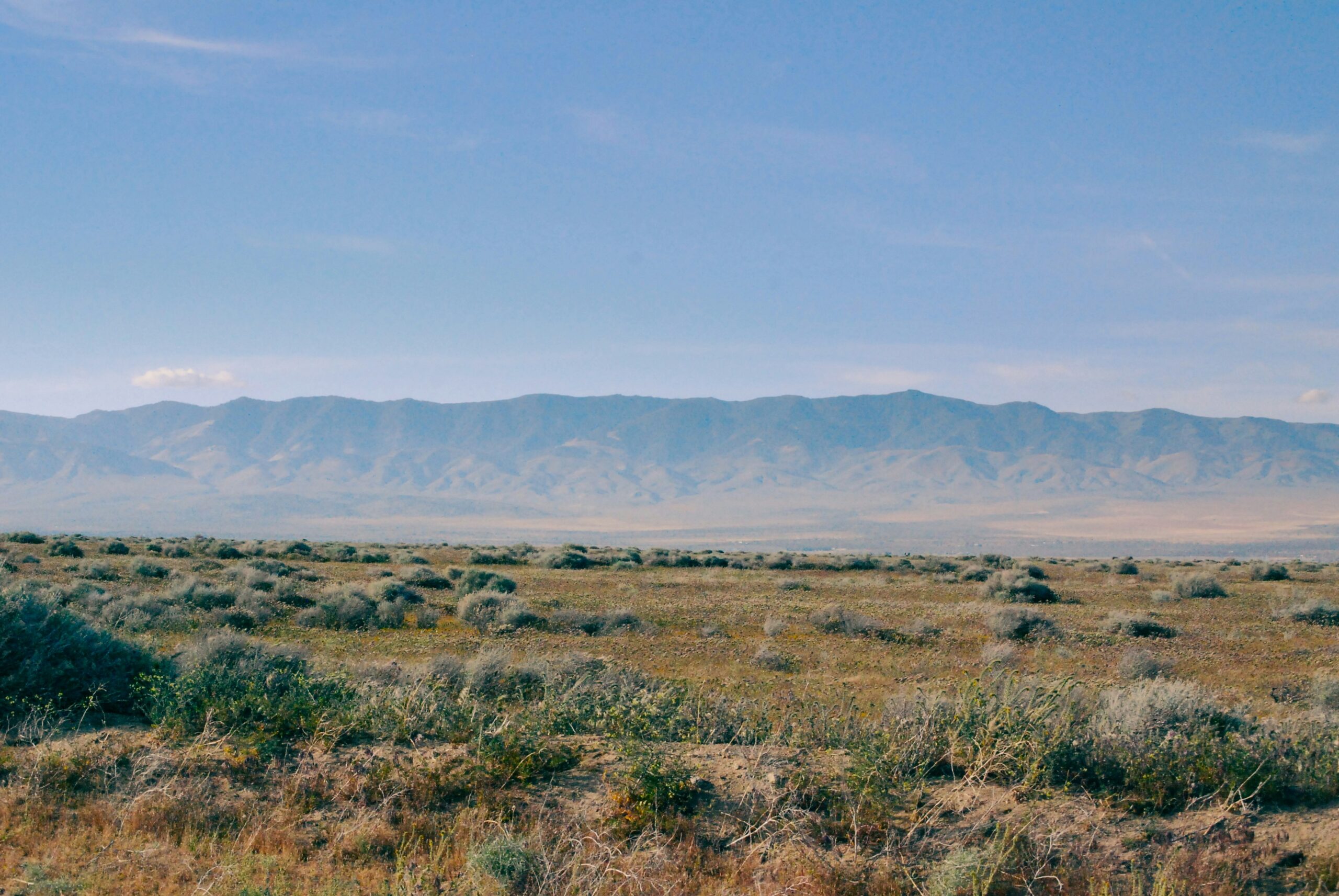
The concept of wilderness has long been intertwined with notions of untouched, primal spaces, where human influence is minimal and nature unfolds according to its own ancient rhythms. However, a growing body of work and a paradigm shift in ecological thinking are challenging these traditional definitions. The notion of “human-engineered wilderness” is emerging, suggesting that actively designing and managing natural spaces, even those intended to feel wild, is not only inevitable but potentially beneficial. This article explores this burgeoning field, examining how humanity is increasingly becoming the architect of its own wild spaces, blurring the lines between the natural and the artificial, and what this signifies for the future of conservation and our relationship with the environment.
The romantic ideal of wilderness as a place utterly divorced from human intervention has held sway for centuries. It conjures images of vast, untamed landscapes, places where only the hardiest explorers or indigenous peoples have trod. This perspective, deeply embedded in Western thought, often views human presence as a contamination, an aberration that degrades the purity of the natural world. Yet, the reality is far more complex.
The Myth of Pristine Nature
The very notion of a truly “pristine” wilderness is increasingly being questioned by scientists and historians. Many landscapes we perceive as wild have, in fact, been shaped by millennia of human activity, from indigenous land management practices like controlled burning to the long-term impacts of agriculture and resource extraction.
Indigenous Land Management and its Legacy
For countless generations, indigenous peoples actively managed their environments, not to dominate nature, but to coexist and foster biodiversity. Practices such as rotational agriculture, selective harvesting, and the deliberate use of fire created mosaics of habitats that supported a rich array of flora and fauna. These were not passive landscapes; they were, in a sense, co-created with human intention.
The Anthropocene and its Unavoidable Fingerprint
The advent of the Anthropocene, the proposed geological epoch defined by significant human impact on Earth’s geology and ecosystems, has rendered the concept of untouched wilderness even more tenuous. Human activities, from climate change to habitat fragmentation, have altered natural processes on a global scale. Therefore, the question is no longer if humans influence nature, but how and to what extent.
Redefining Wilderness in a Human-Dominated World
As the boundaries between human civilization and the natural world become increasingly blurred, so too must our definition of wilderness. The emerging concept of human-engineered wilderness embraces this reality, suggesting that intentional human intervention can be a tool for creating and sustaining wildness.
Active Conservation as a Form of Engineering
Modern conservation efforts, even those aiming for self-sustaining ecosystems, often involve active management. This can include reintroducing species, controlling invasive plants, managing water flows, and even manipulating landscapes to create specific habitat conditions. These are not natural processes in their purest form, but rather carefully considered interventions designed to achieve ecological goals.
The Ethical Implications of “Designing” Nature
This shift raises profound ethical questions. If we are designing wilderness, what are our responsibilities? What are the long-term consequences of our interventions? Who decides what constitutes desirable wildness, and for what purpose? These are complex debates that require careful consideration.
Human engineered wilderness is an intriguing concept that explores the intersection of nature and human innovation, aiming to create sustainable environments that benefit both ecosystems and communities. For a deeper understanding of how urban development can harmonize with natural landscapes, you may find the article on Monterrey’s nearshoring investment opportunities insightful. It discusses how strategic planning in urban areas can lead to enhanced living conditions while promoting environmental sustainability. You can read more about it here: Monterrey: The Ideal Nearshoring Investment Opportunity.
The Architects of the Wild: Intentional Design and Management
The idea of human-engineered wilderness is not about creating sterile, artificial parks. Instead, it’s about a deliberate and informed approach to shaping landscapes that mimic natural processes and provide habitat for biodiversity, even in areas with significant human influence. This involves a deep understanding of ecological principles and a willingness to experiment and adapt.
Rewilding: A Prime Example of Engineered Wilderness
Rewilding is perhaps the most prominent manifestation of human-engineered wilderness. It goes beyond traditional conservation by aiming to restore natural processes and ecological functions, often by allowing ecosystems to largely manage themselves after a period of significant intervention.
Core Principles of Rewilding
Rewilding emphasizes the reintroduction of keystone species, the restoration of natural disturbance regimes (like fire and floods), and the de-domestication of landscapes. The goal is to allow ecosystems to regain their natural resilience and complexity.
Case Studies: From European Plains to Coastal Ecosystems
Examples of rewilding projects abound, from the reintroduction of wolves in Yellowstone National Park, which dramatically altered the ecosystem’s dynamics, to ambitious projects in Europe aiming to restore vast tracts of semi-natural grassland and forest. Coastal rewilding, focusing on the restoration of saltmarshes and mangrove forests, also exemplifies this approach.
Ecological Restoration: Repairing and Rebuilding
Ecological restoration is a broader term that encompasses efforts to repair degraded ecosystems. While not always aiming for “wilderness” in the traditional sense, many restoration projects employ principles that align with engineered wilderness, focusing on recreating natural conditions.
Habitat Reconstruction and Species Reintroduction
This can involve rebuilding lost habitats, such as creating wetlands on former agricultural land, or reintroducing native plant and animal species that have been extirpated. The aim is to recreate functioning ecological communities.
Managing for Resilience in a Changing Climate
Restoration efforts are increasingly focused on building resilience to climate change. This might involve creating more diverse plant communities, enhancing soil health, or designing landscapes that can better withstand extreme weather events.
Beyond the Wilderness Ideal: Biodiversity Hotspots and Urban Oases
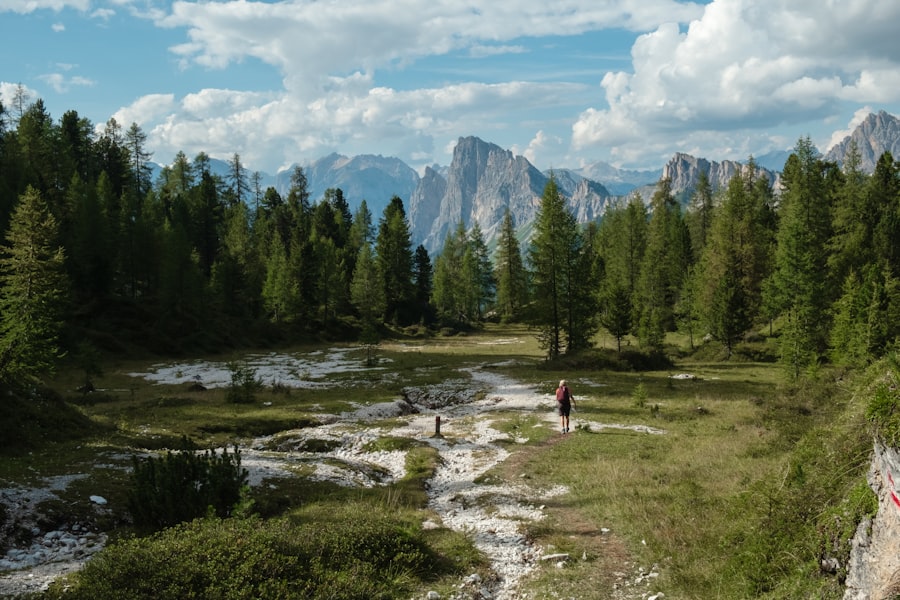
Human-engineered wilderness is not confined to remote, protected areas. It is also manifesting in surprising ways within or adjacent to human settlements, blurring the lines between urban and wild.
Urban Rewilding: Bringing Nature Back to Cities
Urban environments, often perceived as antithetical to nature, are increasingly becoming sites for engineered wilderness. This “urban rewilding” seeks to integrate natural processes and habitats into the urban fabric.
Green Infrastructure and Ecosystem Services
The development of green roofs, living walls, urban forests, and bioswales are examples of engineered wilderness within cities. These not only enhance biodiversity but also provide crucial ecosystem services like stormwater management, air purification, and temperature regulation.
Creating Havens for Wildlife
Even small patches of intentionally designed wildness in urban areas can provide vital refuges for insects, birds, and other wildlife, creating urban oases that connect fragmented natural habitats.
Agricultural Landscapes as Engineered Ecosystems
Even highly managed agricultural landscapes can be reimagined as engineered ecosystems that support biodiversity. This involves integrating natural elements and processes into farming practices.
Agroforestry and Permaculture
Systems like agroforestry, which combines trees with crops and livestock, and permaculture, which designs sustainable human settlements and agricultural systems based on natural ecosystems, represent forms of engineered wilderness within productive landscapes.
Creating Wildlife Corridors and Habitat Patches
Farmers can actively create habitat for wildlife through the establishment of hedgerows, wildflower strips, and ponds, effectively engineering ecological connectivity within agricultural matrices.
The Tools and Technologies of Engineered Wilderness

The development of human-engineered wilderness relies on a growing toolkit of scientific knowledge, technological advancements, and innovative methodologies.
Advanced Ecological Modeling and Data Analysis
Our understanding of complex ecological systems has been dramatically enhanced by sophisticated modeling techniques and vast datasets.
Predictive Modeling for Ecosystem Dynamics
Scientists can now model how ecosystems are likely to respond to various interventions, allowing for more informed decision-making in the design and management of engineered wilderness.
Remote Sensing and GIS for Monitoring and Mapping
Technologies like satellite imagery, drone technology, and Geographic Information Systems (GIS) provide invaluable data for monitoring the health and extent of engineered wilderness areas, and for identifying opportunities for intervention.
Biotechnology and Genetic Engineering: A Controversial Frontier
The role of biotechnology and genetic engineering in shaping future wilderness is a subject of intense debate. While offering potential solutions, it also raises significant ethical and ecological concerns.
De-extinction and the Restoration of Lost Species
The concept of de-extinction, bringing back extinct species, could theoretically contribute to the reestablishment of lost ecological functions. However, the feasibility, ethics, and ecological implications are highly complex.
Genetically Modified Organisms for Ecological Benefit
There is ongoing research into using genetically modified organisms to address specific ecological challenges, such as creating plants more resistant to disease or invasive species. This remains a highly controversial area.
Citizen Science and Community Engagement
The involvement of the public is increasingly vital for the success of engineered wilderness projects.
Crowdsourced Data Collection and Monitoring
Citizen scientists can contribute valuable data on species presence, environmental conditions, and the impact of interventions, augmenting the work of professional researchers.
Fostering Public Understanding and Stewardship
Engaging local communities in the design and maintenance of engineered wilderness fosters a sense of ownership and stewardship, crucial for the long-term success of these initiatives.
Human engineered wilderness is an intriguing concept that explores the intersection of nature and human creativity, often resulting in landscapes that are both functional and aesthetically pleasing. For those interested in the artistry behind crafting unique materials, a fascinating read can be found in an article about the art of creating Damascus steel. This piece delves into the intricate techniques and historical significance of this remarkable metal, which parallels the careful design and engineering found in human-made natural environments. You can learn more about it by visiting the art of crafting Damascus steel.
Challenges and Future Directions: Navigating the Uncharted Territory
| Metrics | Data |
|---|---|
| Area of Wilderness | 5000 square miles |
| Number of Species | Over 1000 |
| Percentage of Native Plants | 85% |
| Visitor Numbers | 500,000 per year |
While the concept of human-engineered wilderness offers exciting possibilities, it is not without its challenges and necessitates careful consideration of its future trajectory.
Unintended Consequences and Ecological Risks
Any intervention in natural systems carries the risk of unforeseen outcomes. The complexity of ecosystems means that even well-intentioned actions can have unintended negative consequences.
The Importance of Adaptive Management
Adaptive management, a continuous process of planning, acting, monitoring, and learning, is crucial for navigating the uncertainties inherent in engineered wilderness. It allows for adjustments based on observed outcomes.
Long-Term Monitoring and Research
Sustained, long-term monitoring and research are essential to understand the true impact of engineered wilderness interventions and to identify potential problems before they become insurmountable.
Ethical and Societal Considerations
The power to engineer nature brings with it significant ethical and societal responsibilities.
Defining “Naturalness” and Human Values
The ongoing debate about what constitutes “natural” and how human values should be incorporated into ecological design will continue to shape the future of engineered wilderness.
Equity and Access in Engineered Wild Spaces
Ensuring that the benefits and access to these engineered wild spaces are equitable across different social groups is paramount to avoid creating new forms of environmental injustice.
The Evolving Relationship Between Humanity and Nature
Ultimately, the rise of human-engineered wilderness reflects a profound evolution in humanity’s relationship with the natural world. It signals a move away from a binary of nature versus humanity towards a more integrated understanding.
Towards a Symbiotic Future
The goal is not to replicate pristine wilderness, but to foster a more symbiotic relationship where human ingenuity and ecological understanding work in concert to create resilient, biodiverse, and vibrant landscapes for all life.
The Ongoing Dialogue and the Future of Wildness
The concept of human-engineered wilderness is still in its nascent stages, and its trajectory will be shaped by ongoing scientific discovery, ethical debate, and societal choices. The future of what we define as “wild” will be a testament to our evolving understanding of our place within the grand tapestry of life.

The Wilderness Was Engineered
FAQs
What is human engineered wilderness?
Human engineered wilderness refers to the intentional design and creation of natural environments by humans, often with the goal of restoring or enhancing ecological functions and biodiversity.
What are some examples of human engineered wilderness?
Examples of human engineered wilderness include reforestation projects, wetland restoration, wildlife corridors, and green infrastructure such as green roofs and urban gardens.
What are the benefits of human engineered wilderness?
Human engineered wilderness can provide numerous benefits, including improved habitat for wildlife, enhanced ecosystem services such as water purification and flood control, and opportunities for recreation and education.
What are the challenges of creating human engineered wilderness?
Challenges of creating human engineered wilderness include the need for careful planning and management to ensure long-term success, potential conflicts with existing land uses, and the need for ongoing maintenance and monitoring.
How can individuals get involved in human engineered wilderness projects?
Individuals can get involved in human engineered wilderness projects by volunteering with environmental organizations, participating in community restoration efforts, and supporting policies and initiatives that promote the creation and preservation of natural habitats.