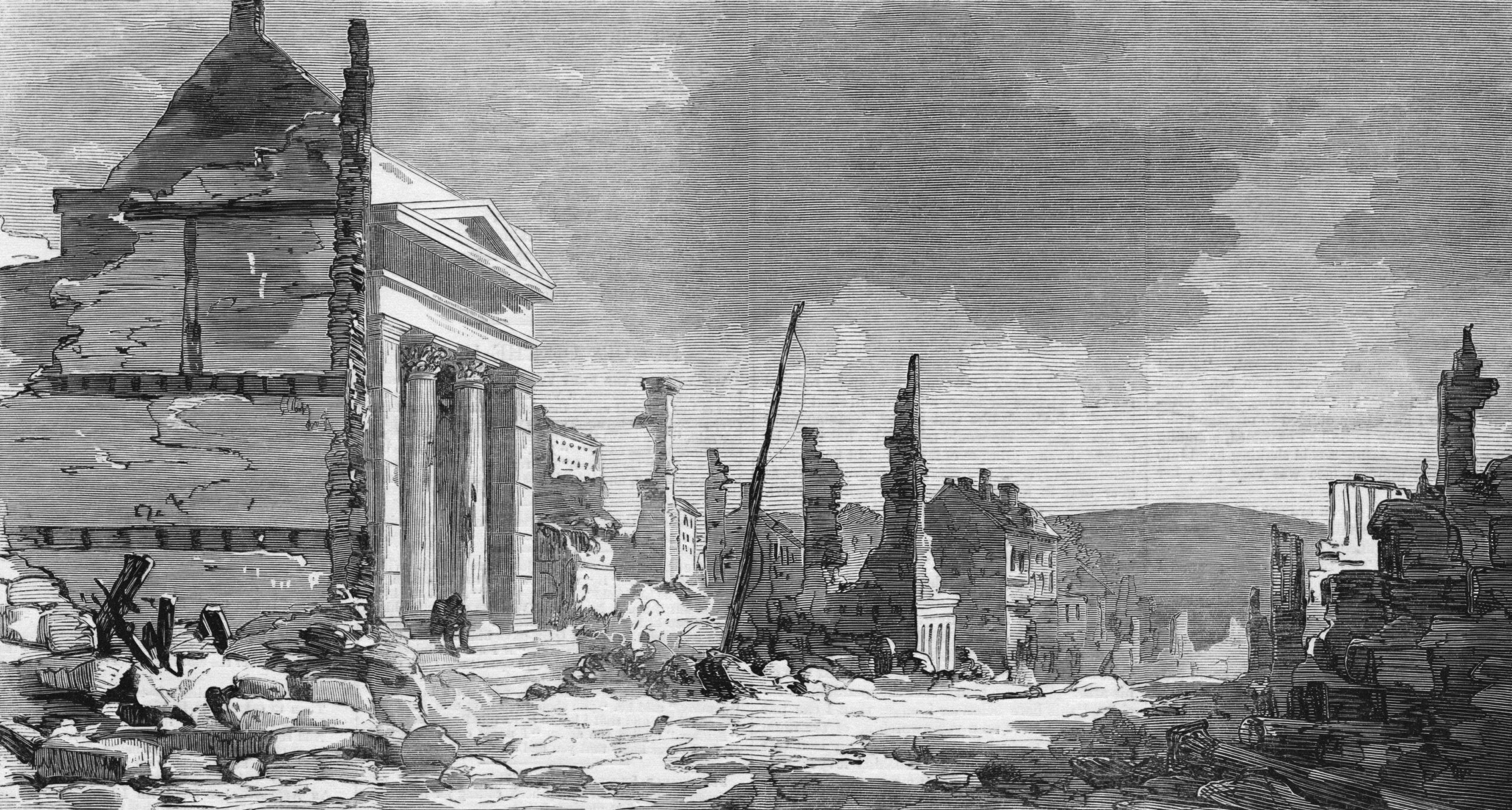
The tremors of the past are not always confined to dusty archives or academic journals. For many cultures, ancient disasters are not simply historical footnotes but vibrant, living forces that shape present-day anxieties, rituals, and understandings of the world. Cultural memory, the collective remembrance and transmission of shared experiences, plays a crucial role in how societies grapple with catastrophic events from millennia ago. These memories, often encoded in myths, legends, art, and oral traditions, offer insights into how ancient peoples perceived, interpreted, and ultimately processed the overwhelming forces that threatened their existence. Examining these enduring echoes allows us to understand not only the past but also the deep-seated psychological and social mechanisms that underpin human resilience and adaptation.
Flood Myths: A Global Phenomenon
Perhaps the most pervasive and potent ancient disaster narratives are those of the Great Flood. Across continents and cultures, from the Mesopotamian Epic of Gilgamesh to the biblical account of Noah’s Ark, from the indigenous stories of the Haida people to the Hindu Puranas featuring Manu, a colossal deluge serves as a recurrent motif. These stories, predating recorded history for many, speak to a collective unconscious memory or a shared, albeit fragmented, recollection of widespread flooding events. The sheer ubiquity of these myths suggests that significant hydrological catastrophes – perhaps extreme monsoons, glacial meltwater inundations, or coastal inundations due to tsunamis or seismic activity – were indeed experienced by early human populations, leaving an indelible mark on their collective psyche.
The Role of Divine Intervention
In many flood narratives, the disaster is not a random act of nature but a divine punishment for human misdeeds. This element serves a crucial social function, reinforcing moral codes and establishing a framework for understanding divine justice. The survivors, often a righteous few, are tasked with recommencing humanity, carrying the burden and the hope of a fresh start. This narrative of divine selection and subsequent renewal offers a sense of order and purpose even in the face of apocalyptic destruction.
Variations on a Theme: Localized and Universal Floods
While the broad strokes of flood myths often appear similar, their specific details reveal localized environmental conditions and cultural anxieties. Some focus on the breaching of rivers, others on the inundation of coastal plains, and still others on divine wrath manifesting as a cleansing force. The scale of destruction also varies, from regional devastation to a near-total annihilation of the world as it was known. These variations underscore how cultural memory adapts and reinterprets universal archetypes through the lens of specific local experiences.
Volcanic Eruptions: The Fiery Breath of the Gods
The raw, destructive power of volcanoes has also been a constant source of awe and terror for ancient societies. The sudden, violent expulsion of ash, lava, and toxic gases offered a stark and unforgettable spectacle.
Santorini and the Minoan Collapse
The eruption of Thera (modern Santorini) around 1600 BCE is a prime candidate for a disaster that resonated through cultural memory, potentially impacting the Minoan civilization on Crete. While direct textual evidence from the Minoans is scarce, subsequent Greek myths, such as stories of Atlantis, are sometimes interpreted as metaphorical echoes of this cataclysm. The widespread ashfall and potential tsunamis could have disrupted trade, agriculture, and coastal settlements, leading to a significant societal upheaval that, over time, may have morphed into legendary accounts of a lost, advanced civilization.
Vesuvius and the Cities of the Dead
The eruption of Mount Vesuvius in 79 CE, which buried Pompeii and Herculaneum, provides a more direct, albeit later, example of a volcanic disaster vividly preserved in both archaeological remains and historical accounts. The suddenness of the event, the preservation of everyday life frozen in time, and the tragic human cost have ensured that Vesuvius remains a potent symbol of volcanic destruction and the fragility of human endeavors. While not “ancient” in the same way as the Minoan event, its impact on Roman society and its subsequent rediscovery have solidified its place in cultural memory.
Earthquakes and Tsunamis: The Shaking of the World
The earth’s instability has always been a source of profound existential dread. Earthquakes, capable of leveling cities in moments, and their devastating oceanic counterparts, tsunamis, have left their mark on the collective consciousness of coastal and seismically active regions.
The Lisbon Earthquake of 1755: A Modern Echo
While not an “ancient” disaster in the strictest sense, the 1755 Lisbon earthquake, followed by a tsunami and fires, profoundly shook the philosophical and theological underpinnings of the Enlightenment. Its impact transcended geographical boundaries, prompting widespread debate about the nature of God, the problem of evil, and the predictability of natural phenomena. This event can be seen as a case study of how even more recent, well-documented disasters can enter cultural memory, prompting shifts in societal thought and shaping future responses to catastrophe.
Tsunamis in the Pacific: A Constant Threat
Indigenous cultures in the Pacific Rim have long lived with the threat of tsunamis, their ancestral lands often battered by these colossal waves. Many of these cultures have developed rich oral traditions that recount devastating tsunami events, often personifying the ocean as a powerful and capricious entity. These stories serve not only as historical records but also as mnemonic devices, teaching younger generations about safe locations and the signs of impending danger.
The cultural memory of ancient disasters often shapes the narratives and myths of civilizations, influencing how societies perceive their past and prepare for future challenges. An insightful article that delves into the connections between ancient catastrophes and cultural memory is available at this link: Unlocking the Mysteries of Lost Tech. This piece explores how lost technologies and forgotten histories can inform our understanding of resilience and adaptation in the face of disasters, highlighting the importance of remembering and learning from the past.
The Transmission of Trauma: Oral Traditions and Storytelling
The Power of Oral History
Before the advent of widespread literacy and recorded history, oral traditions were the primary vehicles for transmitting knowledge, beliefs, and experiences across generations. Catastrophic events, due to their dramatic impact and profound consequences, were particularly potent subjects for storytelling.
Rhyme, Rhythm, and Ritual: Enhancing Memory
The human mind is remarkably adept at remembering information presented in rhythmic and engaging ways. Ancient storytellers likely employed rhyme, alliteration, mnemonic devices, and dramatic performances to make disaster narratives memorable and easily transmissible. Rituals and ceremonies often accompanied these stories, further embedding the memory of the disaster into the fabric of daily life. By reenacting or commemorating the event, communities reinforced their shared understanding and emotional response.
The Bard and the Historian: Two Sides of the Same Coin
In many ancient societies, the role of the bard or storyteller was akin to that of a historian. They were not merely entertainers but custodians of communal memory, responsible for preserving the accounts of their ancestors, including accounts of devastating events. Their narratives often blended factual elements with mythological embellishments, creating a rich tapestry of cultural understanding.
The Ethical and Moral Framework of Disaster Stories
Lessons for Survival and Social Cohesion
Many ancient disaster narratives are not simply lamentations of loss but contain embedded lessons for survival and social cohesion. The emphasis on collective action, moral rectitude, and the importance of respecting the forces of nature often serves to unite communities in the face of adversity. These stories provided a moral compass, guiding individuals and groups on how to behave in times of crisis and how to rebuild after destruction.
Prophecy and Foreboding: The Future in the Past
Some cultural memories of ancient disasters are interwoven with prophetic elements, suggesting that the event held not only historical significance but also foreshadowed future calamities. This can be interpreted as a form of anxiety management, a way of preparing for the inevitable uncertainties of life by drawing parallels with past experiences of overwhelming forces.
Archaeological Evidence and the Materiality of Memory
Unearthing the Physical Scars of Catastrophe
The discipline of archaeology offers tangible evidence that often corroborates, or at least lends credence to, the enduring narratives of ancient disasters. Ruins, fossilized remains, and geological strata can speak volumes about the scale and nature of past catastrophes.
Witnessing the Impact: Stratigraphy and Destruction Layers
Archaeological excavation often reveals distinct “destruction layers” – layers of ash, rubble, or sediment that indicate a sudden and violent end to a settlement or structure. These layers provide physical proof of events that might otherwise be lost to time and can be correlated with known geological or climatic events.
Preserved Artifacts: Frozen Moments in Time
The catastrophic burial of settlements, as seen in Pompeii or the ash-covered settlements of the Near East, can preserve artifacts and architectural features in remarkable detail. These “frozen moments” offer invaluable insights into daily life and the immediate impact of a disaster, allowing us to connect the abstract concept of a past event with concrete, material realities.
Interpreting the Silence: Gaps and Ambiguities
While archaeology can provide powerful evidence, it is also important to acknowledge its limitations and the inherent ambiguities in interpretation. The absence of evidence for a specific disaster does not necessarily mean it did not occur, and the interpretation of archaeological findings is often subject to ongoing debate.
The Challenge of Dating and Correlation
Precisely dating catastrophic events can be a significant challenge. Radiocarbon dating and other analytical techniques help, but uncertainties can remain, making it difficult to definitively link archaeological evidence to specific written or oral accounts of disasters that may have occurred centuries or even millennia earlier.
The Narrative Overlay: When Science Meets Story
Reconciling archaeological findings with the rich tapestry of mythological narratives requires a nuanced approach. While archaeology can provide the “what,” cultural memory often provides the “why” and the emotional significance. Understanding the interplay between material evidence and intangible memory is crucial for a comprehensive understanding of how ancient disasters shaped human societies.
The Psychological and Social Impact of Enduring Disaster Memories
Collective Trauma and Resilience
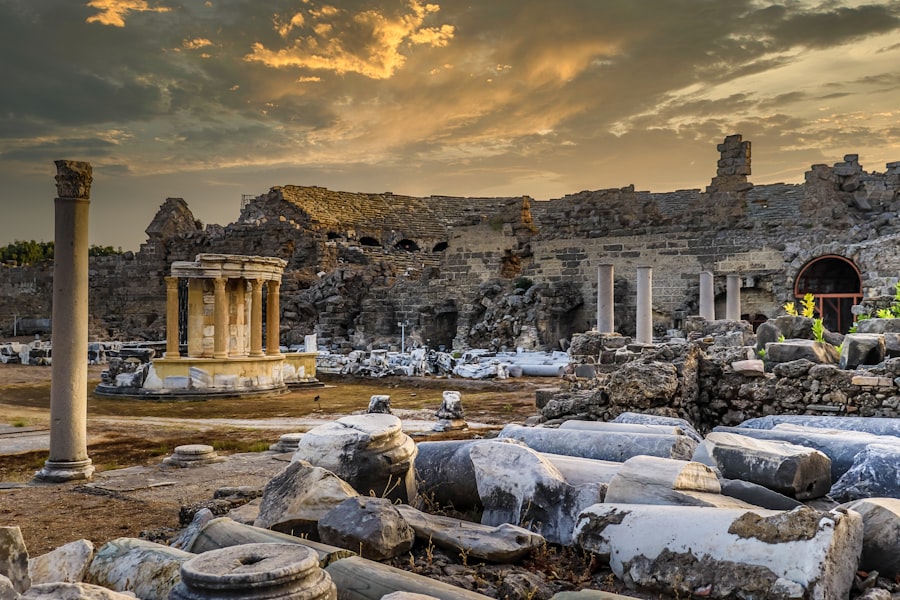
The memory of ancient disasters can leave a lasting psychological imprint on societies, fostering a sense of collective trauma that can manifest in various ways. Conversely, these memories also underscore remarkable resilience and the capacity for recovery.
Anxiety and Superstition: Fear of the Recurring
The psychological residue of overwhelming events can breed enduring anxieties and superstitions. The fear of a recurrence might manifest in specific rituals, taboos, or beliefs designed to appease or ward off the forces that caused the past devastation.
The Strength of Community: Forging Bonds through Shared Experience
Paradoxically, shared experiences of cataclysm can also strengthen community bonds. The necessity of collective action for survival and rebuilding can foster solidarity and a deep sense of mutual reliance, which can persist long after the immediate crisis has passed.
Ritual and Commemoration: Keeping the Memory Alive
Ancient cultures developed sophisticated systems of ritual and commemoration to ensure that the memories of significant events, especially disasters, were not forgotten. These practices served to honor the dead, reinforce cultural identity, and transmit vital lessons to future generations.
Sacred Sites and Memorials: Physical Anchors of Memory
The designation of sacred sites, the erection of monuments, or the creation of specific burial grounds often serve as physical anchors for collective memory. These places become focal points for remembrance, pilgrimage, and the reenactment of ancestral narratives.
Festivals and Observances: Cyclical Remembrance
Many ancient festivals and observances likely originated as ways to commemorate or appease the forces associated with particular disasters. These cyclical events, often tied to agricultural seasons or astronomical cycles, ensured that the memory of the past remained a living presence in the lives of the people.
The cultural memory of ancient disasters often shapes how societies respond to modern crises, reflecting on the lessons learned from past events. For instance, an intriguing article discusses how the wealthy prepare for potential economic downturns, highlighting the importance of understanding historical patterns in asset management. This connection between past and present can be explored further in the article about elite assets during a crash, which can be found here. By examining these themes, we can gain insights into how cultural memory influences contemporary strategies for resilience.
Cultural Memory in the Modern Age: Reinterpreting the Past for the Present
| Disaster | Location | Year | Impact |
|---|---|---|---|
| Pompeii eruption | Italy | 79 AD | Destroyed the city and preserved it in ash |
| Minoan eruption | Greece | ca. 1600 BC | Devastated the island of Thera and possibly led to the decline of the Minoan civilization |
| The Great Fire of Rome | Rome | 64 AD | Destroyed much of the city and led to widespread displacement |
The Ongoing Relevance of Ancient Disaster Narratives
In an era of increasing environmental instability and the ever-present threat of natural and man-made disasters, the cultural memories of ancient calamities hold a surprisingly contemporary relevance. They offer profound insights into human coping mechanisms, societal responses, and the enduring search for meaning.
Climate Change and the Echoes of Past Upheavals
As the world grapples with the impacts of climate change, ancient narratives of widespread environmental shifts and their devastating consequences often resonate with renewed urgency. These stories serve as cautionary tales, reminding us of the Earth’s power and the imperative of living in balance with it.
Social Dynamics in Crisis: Lessons from Antiquity
The study of how ancient societies responded to and recovered from disasters can provide valuable lessons for contemporary crisis management and disaster preparedness. Understanding the social dynamics, the challenges of rebuilding, and the psychological impact of overwhelming events can inform our own approaches.
The Evolution of Cultural Memory: From Oral Tradition to Global Media
The mechanisms by which cultural memory is transmitted have evolved dramatically over millennia. From the spoken word and ritualistic performance of ancient times to the printed word, the digital age, and global media, the ways in which we remember and share our past continue to transform.
Digital Archives and the Preservation of Stories
The advent of digital technology offers unprecedented opportunities for preserving and disseminating cultural memories, including those of ancient disasters. Online archives, digital storytelling platforms, and virtual reality experiences are creating new avenues for engaging with the past.
The Democratization of Memory: New Voices, New Perspectives
The fragmentation and democratisation of media in the modern era allow for a wider range of voices and perspectives to contribute to the ongoing construction of cultural memory. This can lead to a richer, more diasporic, and inclusive understanding of how ancient disasters have shaped diverse communities. Ultimately, remembering ancient disasters is not an act of morbid fascination but a vital process of understanding ourselves, our history, and our place in the ever-evolving narrative of human existence. The echoes of cataclysm, however distant, continue to shape our present and inform our future.

When the Ice Age Ended… Everything Changed
FAQs
What is cultural memory of ancient disasters?
Cultural memory of ancient disasters refers to the ways in which societies remember and commemorate catastrophic events from their past. This can include rituals, monuments, oral traditions, and other forms of cultural expression.
Why is it important to study the cultural memory of ancient disasters?
Studying the cultural memory of ancient disasters can provide insights into how societies cope with trauma, how they construct narratives of resilience, and how they transmit knowledge across generations. It can also shed light on the ways in which collective memory shapes cultural identity.
What are some examples of cultural memory of ancient disasters?
Examples of cultural memory of ancient disasters include the annual commemoration of the eruption of Mount Vesuvius in Pompeii, the rituals and ceremonies surrounding the sinking of the Titanic, and the construction of memorials and museums dedicated to events such as the destruction of Pompeii or the sinking of the Titanic.
How does the cultural memory of ancient disasters impact contemporary society?
The cultural memory of ancient disasters can influence contemporary society in various ways, including shaping attitudes towards risk and disaster preparedness, informing public policy and urban planning, and providing a sense of continuity and resilience in the face of ongoing threats.
What are some challenges in studying the cultural memory of ancient disasters?
Challenges in studying the cultural memory of ancient disasters include the fragmentary nature of historical records, the potential for myth-making and distortion over time, and the need to navigate complex and often emotionally charged narratives. Additionally, the interpretation of cultural memory can vary widely across different societies and cultural contexts.