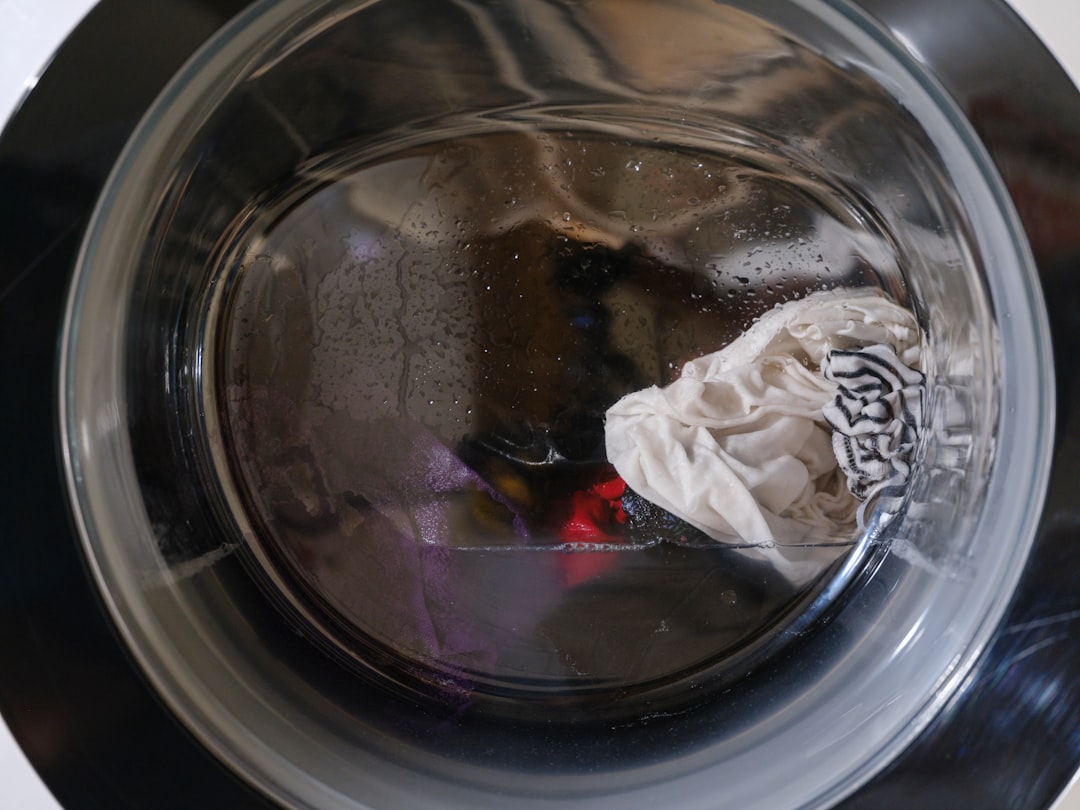
New garments, fresh from the store, often carry more than just the allure of a recent purchase. They are frequently imbued with a cocktail of chemicals used during manufacturing, which can range from dyes and finishing agents to flame retardants and antimicrobial treatments. These substances, while serving specific production purposes, can sometimes lead to skin irritation, allergic reactions, or release volatile organic compounds (VOCs) into the living environment. Understanding the presence and potential impact of these chemicals is the first step towards mitigating any negative effects. This comprehensive guide will provide a methodical approach to removing these unwanted guests from your new clothes, ensuring they are as safe and comfortable as they are stylish.
The journey of a garment from raw material to a ready-to-wear item involves numerous stages, each often accompanied by the application of chemical substances. These chemicals are not inherently malicious; they are tools employed by manufacturers to achieve desired qualities like colorfastness, wrinkle resistance, softness, and protection against pests or microbes. However, their presence on the finished product can be a cause for concern for individuals with sensitive skin, allergies, or those seeking to minimize their exposure to synthetic compounds.
The Purpose of Common Finishing Chemicals
- Dyes and Pigments: These are responsible for the vibrant colors seen in clothing. While many dyes are safe, some can be allergenic or contain heavy metals, particularly in cheaper or less regulated garments. They act as the visual painter, imbuing fabrics with their aesthetic appeal, but sometimes leave behind unwanted pigment residues.
- Formaldehyde Resins: Frequently used to prevent wrinkles and shrinkage, formaldehyde-based resins can bond to fabric fibers. Formaldehyde is a known irritant and allergen, and its release from clothing can contribute to indoor air pollution. It acts like a persistent binder, holding fabric fibers in a stiff, unyielding state to resist creases.
- Softeners and Finishing Agents: These chemicals are applied to improve the feel and drape of fabrics. While generally considered less problematic, some individuals may react to synthetic softeners. They are like the unseen hands, smoothing the rough edges of natural fibers to create a more luxurious touch.
- Flame Retardants: Applied to increase fire safety, particularly in children’s sleepwear and upholstery fabrics, these chemicals can be absorbed through the skin or inhaled. Their long-term health effects are a subject of ongoing research. They are the silent guardians, designed to slow the spread of fire, but their presence can be a lingering concern.
- Antimicrobial Treatments: Used in athletic wear and some everyday clothing to inhibit the growth of odor-causing bacteria, these treatments can also disrupt the skin’s natural microbiome. They are the invisible shield, warding off microbial invaders, but sometimes at an unseen cost to the natural balance.
- Pesticides and Insecticides: Residues from these chemicals used in growing natural fibers like cotton can sometimes be found on garments. While typically washed off extensively, trace amounts can persist.
Identifying Potential Irritants
While not all chemicals are problematic for everyone, certain indicators can signal a higher likelihood of irritation. If a garment has a strong chemical odor, feels stiff or excessively smooth, or if you have a history of skin sensitivities, it is prudent to assume the presence of these substances. The strong, acrid smell is akin to an uninvited guest announcing their presence with an overpowering aroma.
The Importance of Pre-Washing
The primary method for removing these chemicals is through washing. However, the approach to washing new clothes can be optimized for maximum chemical removal. This process is not merely about cleaning; it’s about purification, stripping away the artificial coatings and restoring the fabric to a more natural state.
When it comes to ensuring the safety of new clothes, it’s important to wash out any residual chemicals that may be present from the manufacturing process. For a deeper understanding of the potential risks associated with these chemicals, you might find the article on uncovering lost ancient technology insightful. It discusses how ancient practices can inform modern safety standards, including those related to textiles. You can read more about it here: Uncovering Lost Ancient Technology: A Documentary.
The Art of the First Wash: A Detailed Protocol
The inaugural wash of a new garment is a critical juncture in its lifecycle, marking the transition from a manufactured product to a wearable item. This is where the bulk of the chemical residues are dislodged. A well-executed first wash can significantly reduce the presence of unwanted substances and prepare the fabric for long-term comfort.
Pre-Wash Inspection and Sorting
Before introducing any garment to water, a thorough inspection is advisable. Examine labels for specific washing instructions, as these are formulated by manufacturers to best preserve the garment’s integrity and intended properties.
Examining Care Labels
- Temperature Guidelines: Pay close attention to the recommended water temperature. Hotter water can sometimes be more effective at dissolving certain residues, but it can also damage delicate fabrics or cause colors to bleed.
- Detergent Recommendations: Some labels may specify types of detergents or advise against certain cleaning agents.
- Bleaching Instructions: Understand if bleach is permissible, as it can react with certain chemical treatments.
Fabric Type Considerations
- Delicate Fabrics: Silk, lace, and fine knits require gentler washing cycles and lower temperatures to prevent damage. The vigorous action of a washing machine can be like a stormy sea to these fragile vessels.
- Durable Fabrics: Cotton, linen, and denim can generally withstand more robust washing methods.
Colorfastness Testing
- To prevent dyes from bleeding onto other garments or the washing machine itself, perform a colorfastness test. Dampen an inconspicuous area of the garment (e.g., an inner seam) with water and press it against a white cloth. If color transfers, the garment is likely to bleed and should be washed separately or with similar colors. This small test is like a scouting mission, assessing the potential for color leakage before a full-scale operation.
Choosing the Right Washing Method
The chosen washing method should be tailored to the garment’s characteristics and the desired outcome of chemical removal.
Machine Washing: The Standard Approach
- Water Temperature: For most new garments, a warm water wash (around 40°C or 104°F) is often a good balance between effective cleaning and fabric care. For heavily colored items or those with a strong chemical smell, an initial hot water wash (if the care label permits) might be considered.
- Detergent Selection: Opt for a mild, dye-free, and fragrance-free detergent. These formulations are less likely to introduce additional allergenic compounds or contribute to chemical buildup on the fabric. Some experts recommend using slightly more detergent than usual for the first wash to aid in the removal of manufacturing residues.
- Cycle Selection: A normal or permanent press cycle is generally suitable for most fabrics. For delicates, a gentle or hand wash cycle is recommended. Avoid overly aggressive cycles that can agitate the fabric excessively and potentially damage its structure.
- Load Size: Do not overstuff the washing machine. Garments need ample space to move freely in the water and detergent, allowing for thorough rinsing and removal of loosened chemicals. A crowded washing machine is like a packed elevator, where limited space hinders effective circulation.
- Rinse Cycles: Consider an extra rinse cycle. This ensures that any dissolved chemicals and detergent residues are thoroughly washed away from the fabric fibers.
Hand Washing: For Maximum Control and Gentleness
- Basin Preparation: Fill a clean basin or sink with cool to lukewarm water.
- Detergent Application: Add a small amount of mild, fragrance-free detergent and swish to create suds.
- Gentle Agitation: Immerse the garment and gently agitate the water, pressing and squeezing the fabric. Avoid vigorous scrubbing or wringing, which can damage delicate fibers.
- Soaking (Optional): For stubborn residues or strong odors, a short soaking period (15-30 minutes) in the soapy water can be beneficial.
- Thorough Rinsing: Drain the soapy water and refill the basin with clean water. Rinse the garment repeatedly until no suds remain.
- Delicate Squeeze: Gently squeeze out excess water, again avoiding harsh wringing.
Specialized Additives for Enhanced Chemical Removal
While plain water and mild detergent are often sufficient, certain additives can augment the chemical removal process.
Vinegar: The Natural Neutralizer
- Mechanism of Action: White vinegar (acetic acid) acts as a natural fabric softener and neutralizer for alkaline residues often found in dyes and finishing agents. It can help break down stubborn chemical bonds on the fibers.
- Application: Add ½ to 1 cup of white vinegar to the fabric softener compartment or directly into the rinse cycle of your washing machine. For hand washing, add it to the final rinse water.
- Dosage: Be mindful not to overuse vinegar, as it can be acidic.
Baking Soda: The Odor and Residue Absorber
- Mechanism of Action: Baking soda (sodium bicarbonate) is a mild abrasive and an excellent deodorizer. It can help lift residual chemicals and neutralize any lingering odors.
- Application: Add ½ cup of baking soda directly into the washing machine drum along with the detergent at the start of the wash cycle.
- Combination with Vinegar: While effective, it is generally not recommended to use baking soda and vinegar simultaneously in the same wash cycle, as they can neutralize each other. They are best used in separate washes or in sequential rinses.
The Importance of Drying and Subsequent Washes
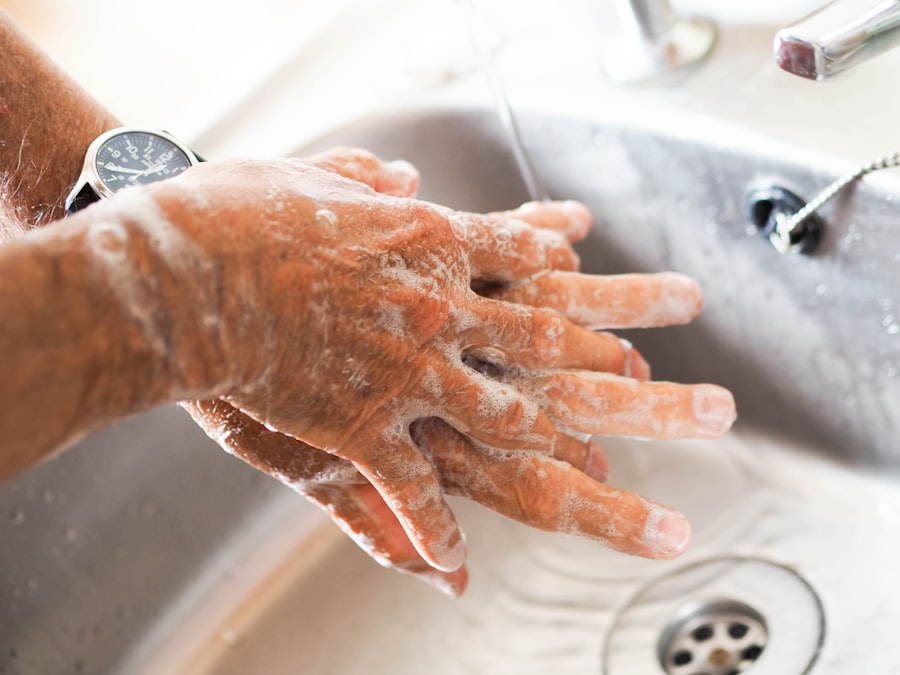
The drying process and subsequent washes are integral to completing the chemical removal and ensuring the garments are fully ready for wear.
Drying Techniques and Their Impact
The method used to dry clothes can influence the final state of the fabric and any residual chemicals.
Air Drying: The Gentle Approach
- Benefits: Air drying is the gentlest method for fabrics and allows residual chemicals to dissipate more freely into the air, rather than being reabsorbed by the fabric or a dryer sheet. It also conserves energy.
- Technique: Hang garments on a clothesline or drying rack, ensuring good air circulation. For items prone to stretching, lay them flat to dry. Sunlight can also act as a natural disinfectant and bleaching agent for white fabrics, but prolonged exposure can fade colors on dyed items.
Tumble Drying: Efficiency with Caution
- Low Heat Settings: If tumble drying is necessary, use the lowest heat setting possible. High heat can set chemical residues into the fabric or degrade certain finishes.
- Avoid Dryer Sheets: Conventional dryer sheets often contain fabric softeners and fragrances that can add a layer of chemicals to your clothes, counteracting the efforts of washing. Consider wool dryer balls as an alternative for softening and reducing static.
- Ventilation: Ensure your dryer is properly vented to effectively remove moisture and any released VOCs from the drying environment.
Subsequent Washing Cycles: Reinforcing the Process
While the first wash is the most impactful, subsequent washes play a role in further reducing any remaining chemical traces and maintaining the garment’s cleanliness.
Repeating the Wash Cycle
- For Sensitive Individuals: If you have particularly sensitive skin or a history of severe reactions, consider repeating the washing process (using the same methods described above) for several cycles. This iterative approach to purification can be likened to repeatedly filtering water to achieve absolute clarity.
- Gradual Improvement: You will likely notice a gradual reduction in any initial stiffness or odor with each subsequent wash.
Using Different Detergents (Optional)
- Exploring Alternatives: After the initial washes with a mild, fragrance-free detergent, you might consider trying a different brand or type of eco-friendly detergent. Some natural enzyme-based detergents might be more effective at breaking down specific types of organic residues.
Considering a “Break-In” Period
For some items, particularly those with stiff finishes or synthetic components, a period of wear between washes can also contribute to softening and a more natural feel. This is not a direct chemical removal method but rather a process of fabric relaxation through use.
Beyond the Wash: Additional Strategies and Considerations

While washing is the primary method, other strategies and considerations can contribute to a more chemical-free garment experience.
Steaming: A Gentle Refresh
- Chemical Release: The heat and moisture from steaming can help to release some surface-level chemicals and VOCs without the intensity of a full wash.
- Application: Use a garment steamer or hang clothes in a steamy bathroom after a shower. Ensure good ventilation during and after steaming.
Ventilation and Airing Out
- Off-Gassing: Even after washing, some garments might continue to release VOCs. Hanging new clothes in a well-ventilated area, such as a closet with open doors or outdoors on a dry day, can allow these compounds to dissipate. This is akin to airing out a new car, allowing any residual manufacturing odors to escape.
Natural Fiber Considerations
- Organic Options: When purchasing new clothes, consider opting for garments made from certified organic natural fibers. These fibers are grown without the use of synthetic pesticides and fertilizers, reducing the initial chemical load.
- Unprocessed Fabrics: Fabrics that are undyed and unfinished will naturally have fewer chemical treatments.
Dealing with Persistent Odors or Reactions
In rare cases, even after multiple washes, a strong chemical odor might persist, or a garment might still cause skin irritation.
- Professional Cleaning (with caution): If you are concerned about persistent odors, consult a reputable dry cleaner who specializes in eco-friendly methods. Inform them of your concerns, and they can advise on the safest approaches.
- Discontinuation: If a garment continues to cause irritation or has an overwhelming chemical smell after repeated attempts at cleaning, it may be best to discontinue use. The potential health benefits of removing those few extra dollars from your wallet often outweigh the risks of persistent chemical exposure.
When it comes to ensuring your new clothes are free from harmful chemicals, it’s essential to follow proper washing techniques. Many people are unaware that new garments often contain residues from manufacturing processes, which can irritate the skin. To learn more about effective methods for washing these chemicals out, you might find this article on the topic particularly helpful. Additionally, if you’re interested in exploring historical artifacts and their mysteries, you can check out this intriguing piece on the Piri Reis map accuracy debate, which offers a fascinating perspective on how we interpret historical documents.
When to Be Extra Vigilant: Sensitive Individuals and Specific Garment Types
| Step | Action | Recommended Detergent Type | Water Temperature | Duration | Additional Tips |
|---|---|---|---|---|---|
| 1 | Pre-rinse clothes | None | Cold | 5 minutes | Helps remove surface chemicals before washing |
| 2 | Use a gentle detergent | Hypoallergenic or fragrance-free | Warm | 30-40 minutes | Avoid harsh chemicals that can irritate skin |
| 3 | Double rinse cycle | None | Cold or warm | 10-15 minutes | Ensures removal of detergent and residual chemicals |
| 4 | Air dry clothes | None | Room temperature | Varies | Avoid heat to prevent chemical bonding |
| 5 | Repeat washing if needed | Gentle detergent | Warm | 30-40 minutes | For heavily treated fabrics, multiple washes may be necessary |
Certain individuals and types of clothing warrant a more cautious and thorough approach to chemical removal.
For Individuals with Sensitive Skin and Allergies
- Pre-emptive Measures: If you have a history of eczema, dermatitis, or chemical sensitivities, it is crucial to be particularly diligent with pre-washing all new garments. Do not assume a garment is safe for wear without this step.
- Patch Testing: For new items that you are particularly concerned about, consider a small patch test on an inconspicuous area of your skin after washing.
- Focus on Natural Fibers: Prioritize clothing made from natural, undyed, and unfinished fibers.
Specific Garment Types Requiring Extra Attention
- Children’s Clothing: Infants and young children have more permeable skin and developing immune systems, making them more susceptible to chemical absorption. Therefore, all new children’s clothing should be meticulously washed before use.
- Athletic Wear and Performance Fabrics: These often contain specialized treatments for moisture-wicking, odor control, and compression. While beneficial for performance, these treatments may be more persistent and require thorough washing.
- Brightly Colored and Dark Garments: These often utilize more dyes, which can be a source of allergenic compounds.
- Flame-Retardant Treated Items: As mentioned earlier, these chemicals can be concerning. If you are particularly cautious, consider seeking out garments that are not treated with flame retardants, or ensure thorough washing if they are.
- Synthetic Fabrics: While not all synthetics are problematic, some finishing processes on synthetic materials can be more difficult to remove.
Conclusion: Embracing a Healthier Wardrobe
Removing chemicals from new clothes is a straightforward yet crucial process that can significantly enhance comfort and well-being. By understanding the potential chemical landscape of new garments and implementing a methodical approach to washing and drying, you can transform your purchases into truly wearable items. This guide provides a framework for this essential step, empowering you to make informed choices and enjoy your new clothes with greater peace of mind. The effort invested in this initial preparation is a small price to pay for the long-term benefits of a healthier, more comfortable wardrobe – a sanctuary from the potential irritants of modern manufacturing.

WATCH NOW ▶️ WARNING: Why Europe Banned Your Wardrobe
FAQs
Why do new clothes have chemicals that need washing out?
New clothes often contain chemicals such as formaldehyde, dyes, and finishing agents used during manufacturing to preserve fabric, prevent wrinkles, and maintain color. Washing helps remove these substances to reduce skin irritation and odors.
What is the best method to wash chemicals out of new clothes?
The best method is to wash new clothes separately in cold or warm water using a mild detergent. Avoid using bleach or harsh chemicals. Multiple washes may be necessary to fully remove residual chemicals.
Can washing new clothes in hot water help remove chemicals more effectively?
Washing in hot water can help break down some chemicals faster, but it may also damage delicate fabrics or cause colors to fade. It is generally safer to use warm or cold water unless the care label specifies otherwise.
Are there any special detergents recommended for removing chemicals from new clothes?
Mild, fragrance-free detergents are recommended to avoid further irritation. Some people use detergents designed for sensitive skin or those with added enzymes to help break down chemical residues.
Is it necessary to wash all new clothes before wearing them?
Yes, it is advisable to wash all new clothes before wearing to remove manufacturing chemicals, dirt, and potential allergens. This helps reduce the risk of skin irritation and improves comfort.