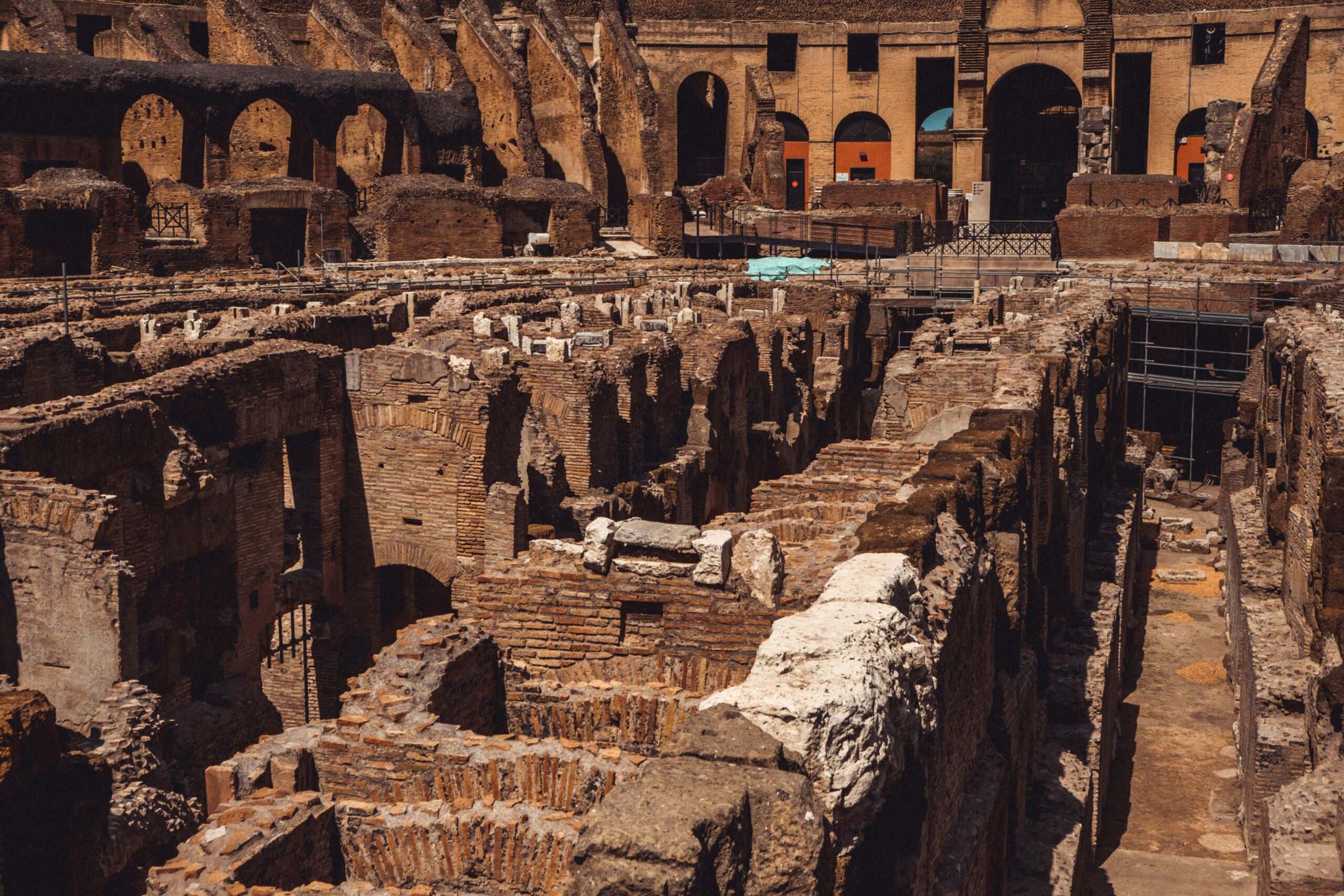
The earth, a restless giant, has sculpted its surface through tectonic shifts and volcanic upheavals for millennia. Within this dynamic landscape, human structures have strived to endure these powerful forces. Among the most enduring and historically significant are stone walls, their very construction a testament to resilience. For centuries, these stoic barriers have weathered the tremors and shocks of earthquakes, offering shelter and testament to the ingenuity of our ancestors. This exploration delves into the remarkable ability of stone walls to survive earthquakes, examining the principles of their construction, the geological factors at play, and the lessons they offer for contemporary seismic design.
The enduring presence of stone walls across civilizations speaks volumes about their inherent strength and longevity. From the cyclopean fortifications of ancient Greece to the intricate Inca masonry of Machu Picchu, stone has been a primary building material, chosen for its abundance, durability, and perceived permanence. This choice was not merely aesthetic or practical in terms of raw material; it was also informed by an intuitive, if not fully scientific, understanding of how to build structures that could withstand the vaguest of environmental challenges.
The Importance of Material Selection
The success of a stone wall in seismic events begins with the fundamental choice of materials. Not all stones are created equal, and ancient builders demonstrated a keen awareness of this.
Understanding Stone Types and Their Properties
Builders would meticulously select stone based on its density, hardness, and grain. Granite and basalt, known for their exceptional strength and durability, were often preferred for foundational elements and load-bearing sections. Limestone, while more easily worked, could still provide adequate structural integrity when used in carefully chosen applications, especially when its inherent bedding planes were exploited for stability. Sandstone, with its granular structure, could be more susceptible to erosion but offered ease of shaping and a surprising ability to interlock. The geological origin of the stone, its formation history, and its mineral composition all played a role in its aptitude for seismic resistance.
The Role of Mortar (or lack thereof)
Perhaps the most significant design feature contributing to the seismic resilience of many ancient stone walls is the strategic use of, or deliberate absence of, mortar.
Dry-Stone Walling: The Art of Interlocking
The practice of dry-stone walling, where stones are carefully shaped and fitted together without any binding material, is a cornerstone of seismic resilience. In this technique, the irregular shapes of the stones, often with projecting and receding surfaces, create a complex interlocking system. When subjected to ground motion, these stones can shift and slide against each other, dissipating seismic energy rather than accumulating stresses that would lead to catastrophic failure. The friction between the stones acts as a natural shock absorber, allowing the wall to deform and settle rather than break. Entire villages, agricultural terraces, and defensive fortifications built using dry-stone techniques have survived centuries of seismic activity in regions as diverse as the British Isles, the Mediterranean, and the Andes.
Mortared Masonry: A Balancing Act
When mortar was used, its composition and application were critical. Early mortars, often made from lime, sand, and water, were less rigid and more flexible than modern Portland cement-based mortars. This inherent flexibility allowed the masonry units to move slightly during an earthquake, again dissipating energy. The key was to avoid a completely rigid bond that would concentrate stress at weak points. The size and shape of the stones, the thickness of the mortar joints, and the overall pattern of the masonry were all considered to create a cohesive yet somewhat adaptable structure.
Stone walls have long been admired for their durability and resilience, particularly in regions prone to seismic activity. An interesting article that explores the implications of structural integrity during national emergencies can be found at this link. It discusses how certain construction techniques, including the use of stone, can enhance the ability of buildings to withstand earthquakes, ensuring that they remain standing even in the face of natural disasters.
Strategic Design Principles for Seismic Survival
Beyond material selection, ancient masons employed a range of design principles that significantly enhanced the seismic performance of their stone walls. These principles, often learned through generations of trial and error, echo many of the concepts explored in modern earthquake engineering.
The Embrace of Mass and Stability
The sheer mass of well-constructed stone walls contributes significantly to their stability. However, this mass must be deployed strategically to prevent instability during seismic events.
Foundations: The Unseen Heroes
The foundation of any structure is paramount, and for stone walls, this is no exception. Ancient builders understood the importance of a stable base

The Walls That Shouldn’t Still Be Standing

FAQs
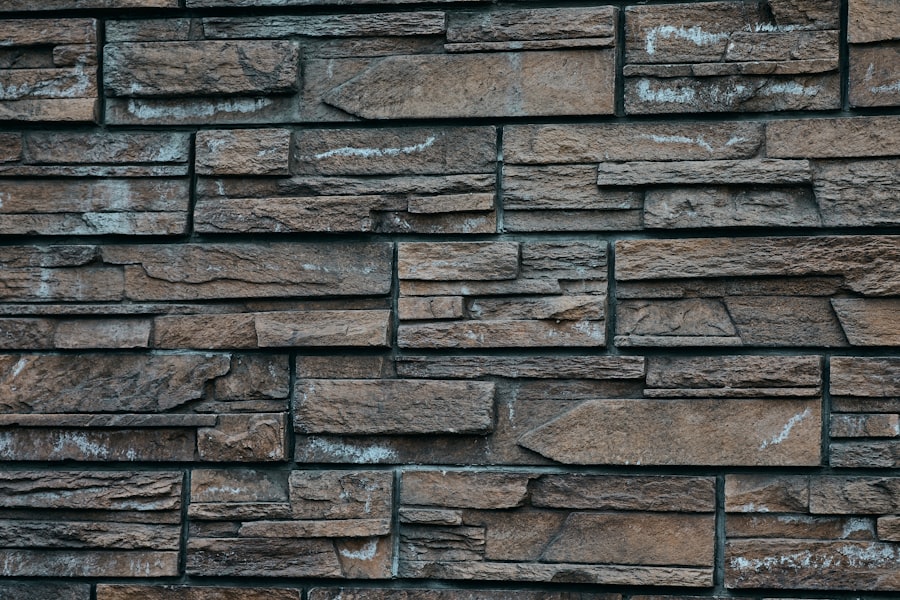
1. How do stone walls survive earthquakes?
Stone walls can survive earthquakes due to their strong and durable construction. The interlocking nature of the stones and the use of mortar provide stability and resistance to the shaking and shifting caused by earthquakes.
2. What factors contribute to the resilience of stone walls during earthquakes?
The quality of the stone, the skill of the masons who constructed the walls, and the use of proper building techniques all contribute to the resilience of stone walls during earthquakes. Additionally, the thickness and height of the walls can also play a role in their ability to withstand seismic activity.
3. Are there specific regions where stone walls have been known to survive earthquakes better?
Stone walls have been known to survive earthquakes better in regions where they are a traditional and common building material, such as parts of Europe and Asia. In these areas, the construction techniques and materials used have been refined over centuries to withstand seismic events.
4. Can modern engineering and technology improve the earthquake resistance of stone walls?
Yes, modern engineering and technology can improve the earthquake resistance of stone walls. Techniques such as reinforcing the walls with steel or using advanced seismic design principles can enhance their ability to withstand earthquakes.
5. What are some examples of stone walls that have survived earthquakes?
There are numerous examples of stone walls that have survived earthquakes, including the ancient walls of Machu Picchu in Peru, the Great Wall of China, and various medieval castles and fortifications throughout Europe. These structures stand as testaments to the durability and resilience of stone walls in the face of seismic activity.