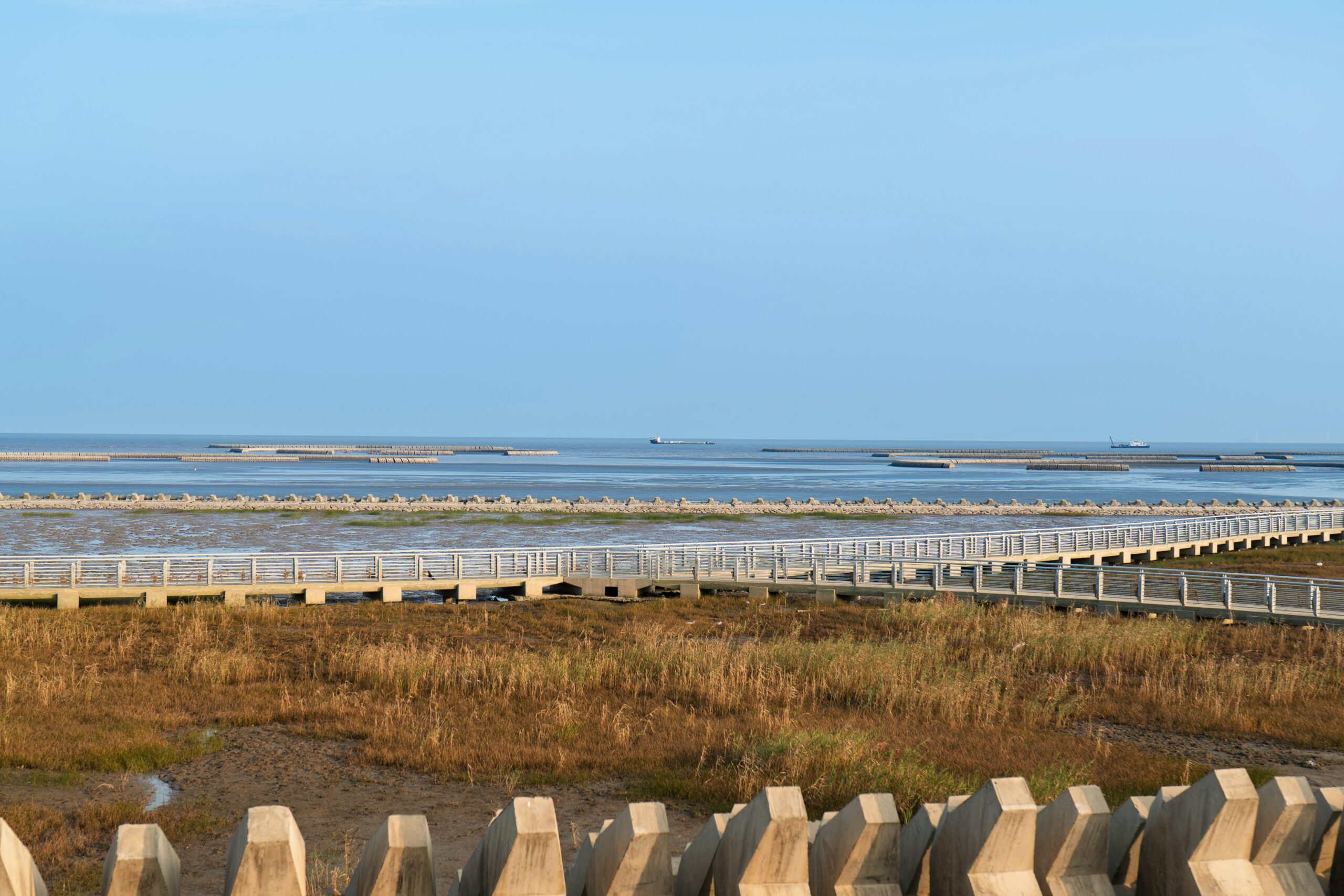
Restoring Damaged Ecosystems: The Role of Engineering
Human activities, from industrial development to agricultural expansion and the extraction of natural resources, have inevitably led to the degradation of countless ecosystems worldwide. These damaged environments, characterized by biodiversity loss, altered hydrological cycles, soil erosion, and pollution, pose significant threats not only to the natural world but also to human well-being. Addressing this ecological crisis requires a multifaceted approach, and increasingly, engineering disciplines are stepping to the forefront, offering innovative solutions and practical methodologies for ecosystem restoration. Engineering, in its broadest sense, encompasses the design, creation, and maintenance of systems, and when applied to ecological challenges, it translates into the development of structures, processes, and technologies that can help heal and rehabilitate degraded natural landscapes. This article explores the crucial and ever-expanding role of engineering in the vital task of restoring damaged ecosystems.
Before engineering solutions can be effectively implemented, a comprehensive understanding of the damage inflicted upon an ecosystem is paramount. This phase involves meticulous scientific investigation and analysis, often employing sophisticated engineering tools and techniques to quantify the extent of degradation and identify the root causes. Without this foundational knowledge, any restoration efforts risk being misdirected, inefficient, or even counterproductive.
Assessing Biodiversity Loss and Habitat Fragmentation
One of the most pervasive consequences of ecosystem damage is the decline in biodiversity. Human encroachment often leads to the destruction and fragmentation of natural habitats, isolating populations and hindering gene flow, which can ultimately lead to species extinction. Engineers play a role in this assessment phase through the use of remote sensing technologies, Geographic Information Systems (GIS), and spatial analysis to map habitat extent, connectivity, and quality. These tools allow for the precise identification of remaining intact areas, the degree of fragmentation, and the specific habitats that require the most urgent attention. Furthermore, ecological modeling, often powered by engineering principles of systems analysis, can predict how habitat loss impacts population dynamics and biodiversity persistence, guiding targeted conservation and restoration strategies.
Quantifying Soil Degradation and Erosion
Soil is the bedrock of terrestrial ecosystems, and its degradation through erosion, salinization, compaction, and nutrient depletion significantly impacts plant life, water quality, and carbon sequestration. Engineering methodologies are vital for quantifying these processes. Techniques like erosion pins, sediment traps, and detailed soil profile analysis, often supported by geodetic surveying and monitoring equipment, provide concrete data on soil loss rates. Advanced imaging techniques, including drone-based photogrammetry and LiDAR (Light Detection and Ranging), can create high-resolution topographic maps, revealing areas prone to erosion and allowing for the assessment of soil structure changes over time. Understanding the physical and chemical properties of degraded soils, often through laboratory analysis informed by chemical engineering principles, is crucial for developing appropriate remediation strategies.
Monitoring Water Quality and Hydrological Alterations
Water is the lifeblood of any ecosystem, and human activities frequently disrupt its natural flow and quality. Pollution from industrial discharge, agricultural runoff, and untreated sewage contaminates rivers, lakes, and groundwater, harming aquatic life and impacting human health. Hydrological alterations, such as dam construction, deforestation, and excessive water abstraction, disrupt natural water cycles, leading to floods, droughts, and changes in riparian habitats. Engineering plays a critical role in monitoring these changes. Sensor networks, deployed strategically, collect real-time data on water temperature, pH, dissolved oxygen, nutrient levels, and the presence of pollutants. Hydrological modeling, utilizing principles of fluid dynamics and computational engineering, simulates water flow patterns, groundwater recharge, and the impact of human interventions. This data-driven approach allows engineers to pinpoint pollution sources, understand the dynamics of water scarcity or excess, and design interventions to restore healthy hydrological regimes.
The question of whether engineering can restore damaged ecosystems is a complex one, often intersecting with various fields, including environmental policy and international trade. For instance, the evolution of trade agreements like NAFTA and USMCA has significant implications for environmental regulations and conservation efforts. Understanding these agreements can shed light on how economic policies influence ecological restoration initiatives. To explore this connection further, you can read the article on the evolution of NAFTA and USMCA at this link.
Engineering Strategies for Habitat Restoration
Once the extent of damage is understood, engineers can deploy a range of strategies to actively restore degraded habitats. These strategies often involve the construction of physical structures, the implementation of innovative land management techniques, and the development of specialized equipment. The goal is to recreate conditions conducive to the return of native flora and fauna and the re-establishment of ecological processes.
Re-establishing Riparian Zones and Wetlands
Riparian zones – the areas along rivers and streams – and wetlands are vital ecosystems that provide critical habitat, filter water, and regulate floodwaters. Damage to these areas often results in increased erosion, reduced water quality, and loss of biodiversity. Engineering approaches to their restoration can include bioengineering techniques that use live plant materials, such as willows and cottonwoods, in combination with structural elements like fascines, brush layers, and live stakes to stabilize streambanks and prevent erosion. In wetland restoration, engineers design and construct berms, dikes, and weirs to control water levels and reintroduce hydrological connectivity. This may involve the careful excavation of channels to mimic natural meanders or the installation of control structures to manage water flow. The reintroduction of native aquatic vegetation, often through the design of planting schemes and the creation of suitable substrates, is also a key engineering consideration.
Constructing Wildlife Corridors and Crossing Structures
Habitat fragmentation creates barriers for wildlife movement, isolating populations and increasing their vulnerability. Engineering plays a crucial role in mitigating this by designing and constructing wildlife corridors and crossing structures. Underpasses and overpasses, designed to safely accommodate animal movement across roads and other human infrastructure, are a common example. The design of these structures must consider the specific needs and behaviors of target species, including appropriate dimensions, substrate, and vegetative cover. Engineers also play a role in identifying and protecting existing natural corridors and implementing measures to enhance their connectivity, such as the removal of unnecessary fencing or the restoration of degraded vegetation. The use of GIS and wildlife movement modeling helps in identifying critical connectivity points and designing the most effective solutions.
Remediation of Contaminated Soils and Sediments
Industrial pollution and agricultural practices have left many soils and sediments heavily contaminated with heavy metals, pesticides, and other hazardous substances. Remediation of these sites is a complex engineering challenge. Bioremediation, a process that uses microorganisms to break down pollutants, is often employed, with engineers designing and optimizing the conditions for microbial activity, such as aeration, nutrient addition, and pH control. Phytoremediation, which utilizes plants to absorb or break down contaminants, is another approach where engineers select appropriate plant species and design planting schemes. Physical remediation techniques include soil washing, thermal desorption, and capping, all of which involve the design and implementation of specialized equipment and containment strategies. Chemical stabilization, which involves altering the chemical form of contaminants to reduce their mobility and bioavailability, is also an engineering-intensive process.
Engineering Innovations in Revegetation and Soil Stabilization

Successful ecosystem restoration hinges on the ability to re-establish plant life and stabilize the soil. Engineering plays a vital role in developing and deploying innovative techniques to achieve these goals, especially in challenging or degraded environments.
Advanced Erosion Control Technologies
Erosion is a primary driver of ecosystem degradation, particularly in arid, semi-arid, and sloped regions. Engineers have developed a range of advanced erosion control technologies. Geosynthetics, such as geotextiles, geogrids, and geonets, are widely used to reinforce soil, reduce erosion, and improve the stability of slopes. These materials can be incorporated into various designs, from blanket applications to more complex reinforcing structures. Hydroseeding, a method of spraying a mixture of seed, fertilizer, and mulch onto bare ground, is often facilitated by engineered equipment that ensures uniform application and seed-to-soil contact. Rolled erosion control products (RECPs), made from natural or synthetic materials, provide immediate protection to newly seeded areas while allowing vegetation to establish. Innovative design of check dams and gully plugs, often utilizing gabions or interlocking concrete blocks, helps to slow water flow and trap sediment, initiating the process of soil recovery.
Precision Revegetation Techniques
Simply scattering seeds is often insufficient for successful revegetation in degraded areas. Engineers are developing and implementing precision revegetation techniques that optimize seed placement, ensure adequate moisture, and protect seedlings. Drone technology, for instance, can be used for precision seeding, delivering seeds to specific locations based on topographical and soil data. Seed coating technologies, developed through material science and chemical engineering, can enhance germination rates, protect seeds from predation, and provide nutrients. Engineered irrigation systems, including drip irrigation and micro-sprinklers, can deliver water efficiently to new plantings, particularly in water-scarce environments. The design of protective structures, such as seedling guards and windbreaks, also falls within the purview of engineering, safeguarding vulnerable young plants.
Soil Amendment and Improvement Technologies
Degraded soils often lack the necessary structure, nutrients, and organic matter to support plant growth. Engineers are involved in developing and applying technologies for soil amendment and improvement. Techniques like soil loosening and ripping, carried out with specialized agricultural machinery, can break up compacted layers and improve aeration and water infiltration. The application of biochar, a charcoal-like material produced from organic waste, can improve soil fertility, water retention, and microbial activity. Engineers design the production processes for biochar and develop application methods to ensure its effective distribution. The controlled application of compost and other organic amendments, often guided by soil testing and analysis, is also an engineering consideration, ensuring optimal nutrient levels and soil structure.
Designing Sustainable Water Management Systems

Water is a critical element in all ecosystems, and its management is often at the heart of restoration efforts. Engineering plays a pivotal role in designing systems that restore natural hydrological processes, improve water quality, and ensure sustainable water availability.
Restoring Natural Flow Regimes
Human interventions, such as dam construction, channelization, and excessive water abstraction, have drastically altered natural flow regimes in many rivers and water bodies. Engineers employ various strategies to restore more natural flow patterns. This can involve modifying existing infrastructure, such as adjusting dam operations to release water in patterns that mimic natural flood pulses and seasonal variations. In some cases, it may involve the decommissioning of obsolete dams or the removal of unnecessary barriers to flow. For channelized rivers, techniques like creating meanders, side channels, and wetlands can reintroduce complexity and habitat variability. The design of fish passages and other structures to facilitate upstream and downstream movement of aquatic organisms is also a critical engineering task within this context.
Implementing Green Infrastructure for Stormwater Management
Urban and suburban development often leads to increased impervious surfaces, resulting in rapid stormwater runoff, increased flooding, and water pollution. Green infrastructure solutions, which utilize natural processes to manage stormwater, are increasingly being engineered. Permeable pavements, which allow water to infiltrate through the surface, are a prime example. Bioswales and rain gardens, designed with specific soil profiles and plant selections, capture and filter runoff. Green roofs, planted with vegetation, absorb rainfall and reduce the volume of water entering storm drains. Engineers are instrumental in the design, installation, and maintenance of these systems, ensuring their effectiveness in reducing runoff volumes, improving water quality, and recharging groundwater.
Constructed Wetlands for Wastewater Treatment
Constructed wetlands are engineered systems that mimic the natural functions of wetlands to treat wastewater. These systems utilize a combination of physical settling, biological decomposition, and plant uptake to remove pollutants from water. Engineers design the size, shape, and planting of these wetlands, selecting appropriate substrate materials and hydraulic loading rates to optimize treatment efficiency. Different types of constructed wetlands, such as free-surface flow wetlands and subsurface flow wetlands, are designed for specific applications and pollutant loads. These engineered systems offer a sustainable and cost-effective alternative to conventional wastewater treatment, particularly in rural or developing areas, and can also contribute to habitat creation.
The question of whether engineering can restore damaged ecosystems has garnered significant attention in recent years, as scientists and environmentalists explore innovative solutions to combat ecological degradation. A fascinating perspective on this topic can be found in an article that discusses how ancient wisdom can inform modern practices in environmental restoration. By examining the interplay between traditional knowledge and advanced engineering techniques, we can gain valuable insights into effective strategies for revitalizing our natural habitats. For more information, you can read the article here: unlocking ancient wisdom.
Monitoring and Adaptive Management: The Role of Engineering Technologies
| Metric | Description | Example Value | Relevance to Ecosystem Restoration |
|---|---|---|---|
| Soil Quality Improvement (%) | Percentage increase in soil nutrient content after engineering intervention | 30% | Indicates enhanced soil fertility supporting plant regrowth |
| Water Retention Capacity (L/m²) | Amount of water retained per square meter due to engineered structures | 15 L/m² | Improves hydration for flora and fauna, reducing drought stress |
| Biodiversity Index Increase | Change in species diversity measured by Shannon Index | +0.8 | Reflects recovery of ecosystem complexity and health |
| Vegetation Cover (%) | Percentage of area covered by vegetation post-restoration | 75% | Shows success in re-establishing plant communities |
| Carbon Sequestration Rate (tons/ha/year) | Amount of carbon captured by restored ecosystem annually | 2.5 tons/ha/year | Contributes to climate change mitigation |
| Restoration Timeframe (years) | Average time taken to observe significant ecosystem recovery | 5 years | Helps set expectations for project planning and monitoring |
Restoration is not a static process; it is an ongoing cycle of implementation, monitoring, and adaptation. Engineering technologies are indispensable for tracking the progress of restoration efforts, identifying areas that require adjustment, and ensuring long-term success.
Sensor Networks and Remote Sensing for Real-time Monitoring
The ability to monitor the health and progress of a restored ecosystem in real-time is crucial for adaptive management. Engineers design and deploy networks of sensors that measure key environmental parameters such as water quality, soil moisture, air temperature, and greenhouse gas fluxes. Remote sensing technologies, including satellite imagery and drone-based sensors, provide broad-scale data on vegetation cover, biomass, and land surface changes. This data can be used to assess the effectiveness of restoration interventions, identify areas where vegetation is struggling, or detect early signs of degradation. The integration of these diverse data streams, often through sophisticated data management platforms, allows for a comprehensive understanding of ecosystem response.
Data Analytics and Predictive Modeling
The vast amounts of data collected from monitoring efforts would be overwhelming without the application of advanced data analytics and predictive modeling. Engineers, often working alongside ecologists and data scientists, develop models that can interpret complex datasets, identify trends, and predict future ecosystem behavior. Machine learning algorithms can be used to identify patterns in environmental data that might not be apparent to human observation, allowing for early detection of problems. Predictive models can simulate the impact of different management scenarios, helping restoration practitioners to make informed decisions about where to focus their efforts and what interventions are most likely to succeed. This data-driven approach shifts restoration from a trial-and-error process to a more strategic and scientifically grounded endeavor.
Bioengineering for Long-term Resilience
Ultimately, the goal of restoration is to create ecosystems that are resilient to future disturbances, whether they be natural events or ongoing human pressures. Bioengineering, a field that integrates biological principles with engineering design, plays a crucial role in achieving this long-term resilience. It involves designing structures and systems that work with natural processes, rather than against them, to enhance ecosystem stability and function. Examples include the use of natural materials like logs, rocks, and vegetation to stabilize streambanks, or the design of artificial reefs that provide habitat for marine life. By understanding the complex interactions within ecosystems and applying engineering principles to mimic and enhance these processes, engineers can help to build a more sustainable future for both the environment and humanity. The continued development and application of engineering knowledge and technologies will be paramount in addressing the global challenge of restoring our damaged ecosystems.

A Dam Brought the Aral Sea Back—But Only Part of It
FAQs
What is ecosystem restoration engineering?
Ecosystem restoration engineering involves using engineering principles and techniques to restore damaged ecosystems back to their original state or to improve their ecological functions.
What are some examples of ecosystem restoration engineering projects?
Examples of ecosystem restoration engineering projects include restoring wetlands, reforesting degraded lands, creating artificial reefs, and reintroducing native species to their habitats.
How does engineering help in restoring damaged ecosystems?
Engineering helps in restoring damaged ecosystems by designing and implementing solutions to address specific environmental challenges, such as erosion control, water quality improvement, and habitat restoration.
What are the benefits of ecosystem restoration engineering?
The benefits of ecosystem restoration engineering include improving biodiversity, enhancing ecosystem services, mitigating climate change impacts, and promoting sustainable land use practices.
What are some challenges associated with ecosystem restoration engineering?
Challenges associated with ecosystem restoration engineering include high costs, long-term monitoring and maintenance requirements, uncertainties in outcomes, and potential conflicts with existing land uses or stakeholders.