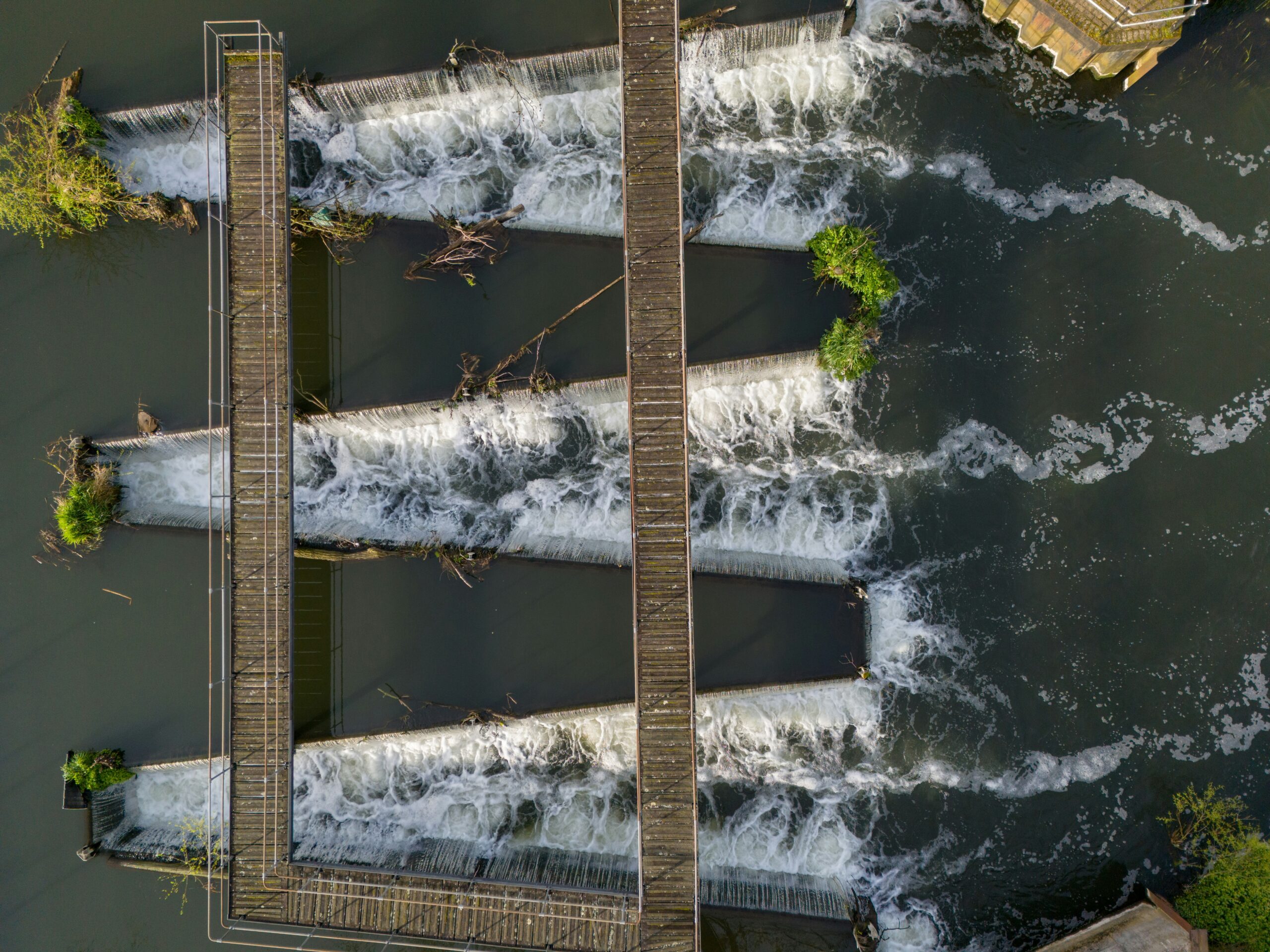
The role of dams in ecosystem restoration is a complex and multifaceted topic, often sparking debate due to their significant environmental impacts. Historically viewed as indispensable tools for progress, dams have shaped landscapes, provided essential resources, and fueled economic development. However, their construction and operation have also led to substantial ecological disruptions. Increasingly, the conversation has shifted from solely focusing on dam construction to exploring the potential of dams themselves, and even their removal, as instruments for ecosystem restoration. This article will delve into the nuanced ways dams can play a part in revitalizing degraded ecosystems, acknowledging both their potential benefits and inherent challenges.
Ecosystem degradation refers to the process by which the health and functionality of an ecosystem decline, leading to a loss of biodiversity, impaired natural processes, and reduced capacity to provide essential services. This degradation can manifest in various forms, including habitat loss and fragmentation, water pollution, soil erosion, and invasive species proliferation. The drivers of this degradation are often anthropogenic, stemming from activities such as deforestation, intensive agriculture, urbanization, industrial pollution, and the construction of infrastructure like dams.
The Multifaceted Nature of Ecosystem Degradation
Degradation is rarely a singular event; rather, it is a cascading series of interconnected problems. For instance, deforestation can lead to soil erosion, which then sediments rivers, harming aquatic life. Similarly, the alteration of hydrological regimes, often a consequence of dam construction, can lead to wetland drying, impacting plant and animal communities reliant on these habitats. Understanding the interconnectedness of these processes is crucial for developing effective restoration strategies.
The Importance of Biodiversity and Ecosystem Services
Healthy ecosystems are characterized by high biodiversity, which is the variety of life at all its levels, from genes to species to ecosystems. Biodiversity underpins ecosystem resilience, meaning the ability of an ecosystem to withstand and recover from disturbances. Furthermore, ecosystems provide a range of invaluable services to humanity, including clean water and air, pollination of crops, climate regulation, and flood control. Degradation diminishes the capacity of ecosystems to provide these services, with significant socio-economic consequences.
The Imperative for Ecosystem Restoration
Ecosystem restoration is the process of assisting the recovery of an ecosystem that has been degraded, damaged, or destroyed. It involves a range of interventions, from active planting and reintroduction of species to more passive approaches that allow natural processes to take hold. The goal is to not only bring back lost biodiversity but also to re-establish the ecological functions that support both wildlife and human well-being. With a growing understanding of the severity of degradation, the imperative for effective restoration strategies has never been greater.
Dams, often viewed as barriers to natural water flow, can surprisingly play a significant role in restoring ecosystems when managed thoughtfully. For instance, the strategic design and operation of dams can create reservoirs that support diverse aquatic habitats and promote biodiversity. An insightful article that delves into the complexities of ecosystem restoration in relation to human infrastructure can be found at this link, which explores how ancient civilizations interacted with their environments and the lessons we can learn for modern ecological restoration efforts.
Dams as Tools for Habitat Rehabilitation and Creation
While dams are often associated with habitat destruction, particularly for anadromous fish, they can also be deliberately engineered or managed to create or rehabilitate specific habitats. This can involve carefully designing reservoir operations, constructing artificial habitats within or around existing dams, or utilizing the altered flow regimes to benefit particular species or ecological communities.
Reservoir Creation and Wetland Restoration
Reservoirs, the artificial lakes created by dams, can, under specific management strategies, serve as valuable habitats. While their original purpose might be water storage or power generation, their existence can be leveraged for ecological benefit. For example, strategically fluctuating reservoir levels can mimic natural flood-and-drawdown cycles, creating and maintaining wetland habitats. These newly formed wetlands can support diverse plant life, attract waterfowl and other migratory birds, and provide breeding grounds for amphibians and insects. Careful planning and adaptive management are key to ensuring these created habitats are ecologically functional and not just static bodies of water.
Mimicking Natural Hydrological Cycles
The key to successful wetland creation through reservoirs lies in mimicking natural hydrological cycles. Natural wetlands experience seasonal flooding and drying, which drives nutrient cycling, seed germination, and provides varied ecological niches. By controlling dam releases to simulate these fluctuations, managers can foster conditions conducive to wetland vegetation growth and the associated faunal communities. This requires a deep understanding of the target ecosystem’s natural hydroperiod and the ability to manipulate dam operations accordingly.
Supporting Biodiversity in Reservoir Habitats
While the biodiversity of a reservoir might differ from a natural lake, it can still support a unique assemblage of species. Certain fish species may thrive in the deeper waters, while the shoreline and fluctuating zones can become rich in invertebrates and plants. The presence of these food sources can, in turn, attract a variety of birds, mammals, and other wildlife. The focus then shifts to managing the reservoir to optimize these conditions and foster a healthy food web.
Artificial Reefs and Submerged Habitats
The submerged structures of dams and their associated infrastructure can be intentionally modified or supplemented to create artificial habitats. This can involve the placement of concrete structures, rocks, or other materials to form artificial reefs. These reefs can provide shelter, spawning grounds, and foraging areas for fish and invertebrates, particularly in environments that might otherwise lack complex structural elements. This approach is particularly relevant in reservoirs where the natural substrate is limited or has been homogenized.
Enhancing Aquatic Biodiversity
Artificial reefs can significantly enhance aquatic biodiversity by providing essential habitat complexity. This complexity offers refuge from predators, increases surface area for algae and invertebrate colonization (which serve as food sources), and creates microhabitats that cater to a wider range of species. The effectiveness of artificial reefs depends on their design, placement, and the surrounding environmental conditions.
Substrate Enhancement for Spawning and Nursery Grounds
For many fish species, the availability of suitable substrate for spawning and nursery grounds is critical for population success. Artificial structures can be designed to replicate these natural substrates, providing areas for egg deposition and protection for juvenile fish. This can be particularly beneficial in areas where natural spawning sites have been degraded or are scarce.
Sediment Management and Nutrient Cycling Restoration

Dams significantly alter the natural flow of sediments and nutrients downstream, often leading to sediment starvation in deltas and floodplains, and nutrient depletion in receiving waters. Restorative efforts can involve managed dam releases to mimic natural sediment transport or the implementation of specific sediment bypass systems to restore downstream ecological processes.
Managed Sediment Flushes for Delta and Floodplain Restoration
Historically, rivers carried substantial sediment loads that nourished floodplains and built deltas. Dams trap these sediments, leading to coastal erosion and loss of fertile agricultural land. Strategic and controlled releases of water from dams, often referred to as “environmental flows” or “sediment flushes,” can be designed to transport sediment downstream. These managed floods mimic natural events and can help to rebuild deltas, restore floodplain fertility, and maintain the ecological integrity of downstream riverine and coastal ecosystems.
Re-establishing Floodplain Fertility
The deposition of nutrient-rich sediments onto floodplains is a natural process that has historically supported rich vegetation and agricultural productivity. By releasing sediment-laden water, dams can help to replenish these depleted floodplain soils, fostering the growth of native vegetation and improving habitat for a variety of terrestrial and riparian species.
Preventing Coastal Erosion and Maintaining Deltas
Deltas are dynamic ecosystems that are constantly being shaped by riverine sediment input and coastal processes. When dams trap this sediment, deltas can begin to erode, leading to loss of land, habitat, and increased vulnerability to sea-level rise and storm surges. Managed sediment flushes can help to counteract this erosion, maintain deltaic landforms, and preserve the vital habitats they provide.
Restoring Nutrient Flows to Aquatic Ecosystems
Nutrients are essential for the productivity of aquatic ecosystems. Dams, by trapping sediments, also trap nutrients. This can lead to nutrient-deficient downstream environments, impacting primary productivity and the entire food web. By releasing water that carries suspended sediments and dissolved nutrients, dams can help to restore these essential flows, revitalizing downstream aquatic life.
Enhancing Primary Productivity
The availability of nutrients like nitrogen and phosphorus is critical for the growth of phytoplankton and other primary producers in aquatic ecosystems. Restoring nutrient flows can lead to increased primary productivity, forming the base of a healthier food web that supports a greater abundance and diversity of fish and other aquatic organisms.
Supporting Downstream Food Webs
The entire downstream food web is often reliant on the nutrients and organic matter that would naturally be transported by a river. When dams trap these resources, the food web can be significantly impacted. Restoring these flows helps to re-establish a more robust and resilient food web, from microscopic organisms to larger fish and invertebrates.
Water Quality Improvement Through Dam Management

While dams can sometimes exacerbate water quality issues, particularly through thermal stratification and altered dissolved oxygen levels, strategic management of dam operations can also lead to significant improvements in downstream water quality. This includes managing temperature, dissolved oxygen, and the flushing of pollutants.
Temperature Regulation for Aquatic Life
The release of water from different depths in a reservoir can be used to regulate downstream water temperature. In many cases, dams create unnaturally warm or cold tailwaters, harming native aquatic species. By selectively releasing water from deeper, cooler layers or shallower, warmer layers, dam operators can create temperature regimes more suitable for native fish and invertebrate populations, facilitating their survival and reproduction.
Creating Suitable Thermal Regimes for Native Species
Many native aquatic species have evolved to thrive within specific temperature ranges. Dams can disrupt these ranges by releasing water that is consistently too warm or too cold. By manipulating the release layer, managers can tailor the water temperature to better suit the physiological needs of these species, promoting their health and reproductive success.
Reducing Thermal Shock and Stress
Sudden and extreme temperature fluctuations can cause thermal shock and stress to aquatic organisms. Controlled releases from dams, particularly those that maintain more stable temperatures or gradually change, can mitigate these impacts and create a more stable environment for downstream aquatic life.
Enhancing Dissolved Oxygen Levels
Thermal stratification in reservoirs can lead to low dissolved oxygen levels in deeper waters, which can be detrimental to aquatic life if released downstream. However, modern dam designs often incorporate mechanisms, such as selective withdrawal towers or aeration systems, to ensure that oxygen-rich water is released. In some cases, managed releases can even increase dissolved oxygen in downstream reaches that might otherwise suffer from hypoxic conditions.
Mitigating Hypoxic Conditions
Hypoxia, or low dissolved oxygen, can be a significant problem in rivers and lakes, leading to fish kills and ecosystem collapse. Dam management can play a role in mitigating these conditions by ensuring that oxygenated water is released. This is particularly important in areas where natural aeration processes are limited.
Promoting Aeration Through Controlled Releases
The turbulent nature of water released from a dam can itself contribute to aeration, increasing dissolved oxygen levels in the downstream river. By carefully controlling the release rate and the design of the outflow structure, dam operators can maximize this aeration effect, benefiting aquatic life.
Flushing of Pollutants and Contaminants
In certain situations, dam operations can be used to flush pollutants from reservoirs or downstream reaches. This can involve releasing large volumes of water to dilute and transport contaminants downstream, or to scour accumulated pollutants from riverbeds. While this approach needs to be carefully managed to avoid overwhelming downstream ecosystems, it can be a valuable tool in addressing localized pollution issues.
Dilution and Transport of Contaminants
When pollutants accumulate in a reservoir or a river, a controlled release of a large volume of water can help to dilute their concentration and transport them downstream. This can be particularly effective for less persistent pollutants, offering a temporary respite for the immediate area of contamination.
Scouring of Polluted Sediments
Over time, pollutants can accumulate in riverbed sediments. Managed high-flow releases can create turbulent conditions that scour these sediments, releasing pollutants into the water column for subsequent dilution and transport. This can be a crucial step in the remediation of polluted river sections.
Dams have often been viewed as barriers to natural ecosystems, but recent studies highlight their potential to restore habitats and improve biodiversity. For instance, a fascinating article discusses how strategic dam removal can lead to the revitalization of river systems, allowing fish populations to thrive and promoting healthier wetlands. This transformative approach not only benefits wildlife but also enhances the overall resilience of the ecosystem. To learn more about the broader implications of environmental changes, you can read this insightful piece on shifting wealth and its impact on global dynamics here.
Facilitating Fish Passage and Migratory Species Recovery
| Metric | Description | Impact on Ecosystem Restoration | Example Data |
|---|---|---|---|
| Water Flow Regulation | Controlled release of water to mimic natural river flow patterns | Restores aquatic habitats and supports native species breeding cycles | Flow variability increased by 30% after dam modification |
| Sediment Transport | Allowing sediment to pass downstream to rebuild riverbeds and deltas | Improves soil fertility and habitat structure for fish and plants | Up to 70% of sediment flow restored through sediment bypass systems |
| Water Quality Improvement | Management of temperature and oxygen levels in released water | Enhances survival rates of sensitive aquatic species | Oxygen levels increased by 15% in downstream waters |
| Fish Passage Facilities | Installation of fish ladders or lifts to enable migration | Supports fish population recovery and biodiversity | Fish migration success rates improved by 50% |
| Riparian Vegetation Restoration | Revegetation of riverbanks to stabilize soil and provide habitat | Reduces erosion and increases habitat complexity | Vegetation cover increased by 40% along restored banks |
While dams are a major barrier to fish migration, innovative dam designs and management strategies are being developed to mitigate these impacts and even restore connectivity for migratory species. This includes the construction of fish ladders, elevators, and the implementation of coordinated passage windows.
Fish Passage Technologies: Ladders and Elevators
The construction of fish ladders, which are ramps or channels designed to allow fish to bypass dams, has been a long-standing approach to facilitating fish passage. More advanced technologies, such as fish elevators and bypass channels, are also being implemented. These systems aim to move fish safely and efficiently around or through dams, restoring their access to upstream spawning and foraging grounds.
Enabling Upstream and Downstream Passage
The primary goal of fish passage technologies is to enable fish to move both upstream to reach their spawning grounds and downstream to return to their natal waters or to access different habitats. Effective passage solutions must address the needs of both upstream and downstream movements.
Addressing the Needs of Diverse Migratory Species
Different fish species have varying migratory behaviors and physical capabilities. Effective fish passage solutions must be designed to accommodate the needs of a diverse range of species, considering factors such as swimming ability, passage timing, and size.
Coordinated Passage Windows and Flow Management
Beyond physical structures, dam operations can be managed to create “passage windows” – periods of time when dam releases are optimized to facilitate fish migration. This can involve adjusting flow rates, reducing turbine operations, or creating specific flow pulses to encourage fish to move past the dam. Coordinated efforts across multiple dams on a river system are often necessary for successful migratory species recovery.
Timing Releases for Migration Periods
The timing of dam releases is critical for successful fish passage. By coordinating releases with known migration periods of target species, managers can create optimal conditions for fish to move past dams without being hindered by unfavorable flows or turbine operations.
Minimizing Turbine Mortality
Turbines in hydropower dams can pose a significant risk to migrating fish. Coordinated passage windows often involve temporarily shutting down or reducing the speed of turbines to minimize fish mortality. Alternative intake designs that draw water from less hazardous depths can also be employed.
Reconnecting Fragmented Habitats
The fragmentation of riverine habitats by dams isolates populations of fish and other aquatic organisms, hindering gene flow and reducing genetic diversity. By improving fish passage, dams can help to reconnect these fragmented habitats, allowing for the recolization of degraded areas and the re-establishment of healthy, interconnected populations.
Restoring Gene Flow and Genetic Diversity
The isolation of fish populations due to dams can lead to inbreeding and a loss of genetic diversity, making them more vulnerable to environmental changes and disease. Reconnecting habitats through improved passage allows for the exchange of genetic material between populations, increasing their resilience and adaptability.
Facilitating the Recovery of Endangered and Threatened Species
Many endangered and threatened aquatic species rely on access to a range of habitats for their life cycles. Dams can be a significant barrier to their recovery by restricting access to critical spawning or feeding grounds. Improving fish passage can be a crucial step in helping these species to recover and thrive.
Challenges and Future Directions in Dam-Related Ecosystem Restoration
Despite the potential, utilizing dams for ecosystem restoration is not without its challenges. These include the inherent conflicts between ecological goals and other dam purposes, the cost and complexity of modifications, and the need for long-term monitoring and adaptive management. Future directions will likely involve a greater emphasis on integrated river basin management and the development of more sophisticated ecological modeling.
Balancing Competing Interests: Energy, Water, and Ecology
Dams are often built for multiple purposes, including hydropower generation, water supply, flood control, and recreation. Integrating ecological restoration goals into these existing operational frameworks can be a significant challenge. Finding solutions that balance these competing interests requires collaborative planning, stakeholder engagement, and innovative management approaches.
Hydro-Power Generation Versus Ecological Flows
A common conflict arises between the need for consistent power generation and the requirement for environmentally significant flows. Hydropower operations are often dictated by energy demand, which may not align with the timing or volume of water releases needed for ecological restoration. Finding a compromise often involves implementing adaptive management strategies that allow for some flexibility in power generation to accommodate ecological needs.
Water Supply Needs and Sediment Management
Water supply reservoirs are managed to meet human demands. This can conflict with the need to release water for sediment transport or to maintain downstream water levels for ecological processes. Careful water budgeting and prioritization are essential to ensure that both human needs and ecological requirements are met to the extent possible.
Cost and Complexity of Dam Modifications
Modifying existing dams to incorporate ecological restoration features can be expensive and technically challenging. Retrofitting fish passage systems, altering outlet structures, or implementing advanced sediment management techniques require significant investment and expertise. The economic feasibility of such modifications needs to be carefully assessed against the ecological benefits.
Retrofitting Existing Infrastructure
Many existing dams were not designed with ecological considerations in mind. Retrofitting them with features like fish ladders, aeration systems, or selective withdrawal towers can be a complex engineering task, requiring substantial modifications to the existing structure.
Developing New Dam Designs with Ecological Integration
Future dam construction offers an opportunity to integrate ecological considerations from the outset. Designing dams with built-in features for fish passage, sediment transport, and flow management can be more cost-effective and ecologically sound than retrofitting older structures.
Long-Term Monitoring and Adaptive Management
Ecosystem restoration is an ongoing process, not a one-time event. Effective restoration strategies require continuous monitoring of ecological responses to dam management. This data is then used to adapt management practices, making necessary adjustments to optimize outcomes. Adaptive management is crucial for ensuring the long-term success of dam-related restoration efforts.
Assessing Ecological Responses to Interventions
It is essential to systematically monitor the ecological impacts of any dam modifications or operational changes. This includes tracking fish populations, water quality parameters, sediment transport, and the health of riparian vegetation. This data provides the evidence base for adaptive management.
Adjusting Management Strategies Based on Data
Based on the monitoring data, management strategies need to be flexible and responsive. If a particular dam operation is not yielding the desired ecological benefits, or is having unintended negative consequences, adjustments must be made. Adaptive management provides a framework for continuous learning and improvement.
Integrated River Basin Management and Holistic Approaches
Ultimately, the most effective approach to ecosystem restoration in dammed rivers involves integrated river basin management. This means considering the entire river system, from headwaters to the delta, and coordinating management decisions across all dams and land uses within the basin. A holistic approach recognizes the interconnectedness of ecological processes and aims to optimize ecosystem health across the entire watershed.
Considering the Entire River Continuum
Restoration efforts should not be limited to the immediate vicinity of a dam. A focus on the entire river continuum, from source to sea, is essential. This means understanding how dam operations at one location affect ecological processes at others and working towards coordinated management strategies that benefit the entire system.
Collaboration Among Stakeholders and Agencies
Successful integrated river basin management requires collaboration among a wide range of stakeholders, including government agencies, dam operators, environmental organizations, local communities, and researchers. Open communication, shared goals, and a commitment to collective action are crucial for achieving meaningful restoration outcomes. The role of dams in ecosystem restoration is a testament to the evolving understanding of our relationship with natural systems, moving towards a paradigm of coexistence and active healing.

A Dam Brought the Aral Sea Back—But Only Part of It
FAQs
1. How can dams restore ecosystems?
Dams can restore ecosystems by regulating water flow, which can help mimic natural flooding patterns and create habitats for various species. They can also improve water quality and provide opportunities for fish passage.
2. What role do dams play in ecosystem restoration?
Dams can play a crucial role in ecosystem restoration by creating wetlands, enhancing biodiversity, and supporting the recovery of endangered species. They can also help control invasive species and restore natural habitats.
3. Can dams help improve water quality in ecosystems?
Yes, dams can help improve water quality in ecosystems by trapping sediment and pollutants, allowing cleaner water to flow downstream. This can benefit aquatic life and overall ecosystem health.
4. Do dams impact the natural flow of rivers and streams?
Yes, dams can impact the natural flow of rivers and streams by altering water levels and flow patterns. However, with proper management and design, dams can be used to restore ecosystems and support biodiversity.
5. Are there any challenges associated with using dams for ecosystem restoration?
Some challenges associated with using dams for ecosystem restoration include potential impacts on downstream habitats, changes in water temperature, and barriers to fish migration. It is important to consider these factors and implement mitigation measures to minimize negative effects.