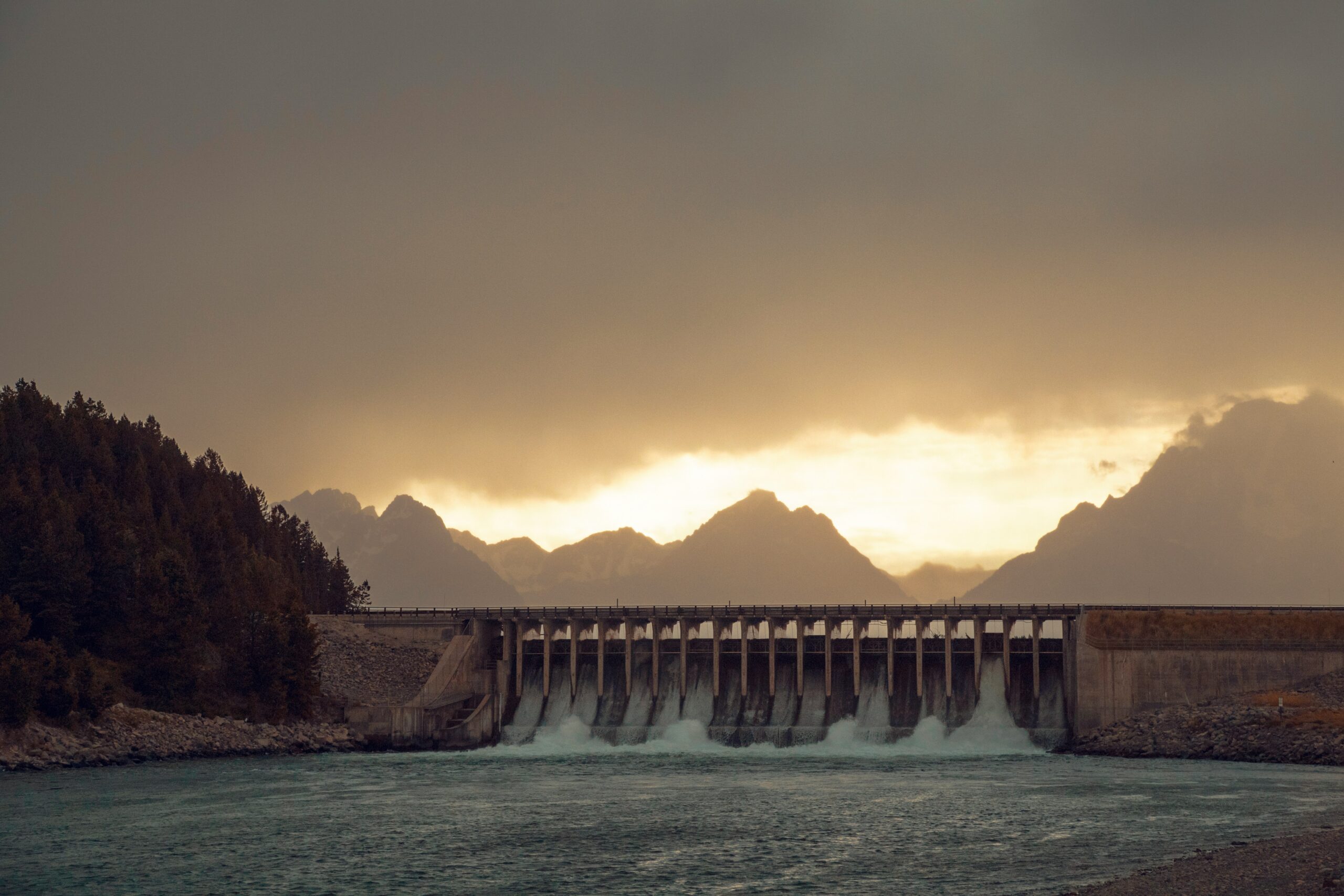
The plight of the Aral Sea, once the fourth-largest lake in the world, is a stark environmental catastrophe that has unfolded over decades. Its dramatic shrinkage, driven by the diversion of its feeder rivers for agricultural irrigation, has had devastating consequences for ecosystems, economies, and human health. However, amidst this desolation, a beacon of hope has emerged in the form of the Kok Aral Dam. This monumental engineering feat, designed to partially restore the Aral Sea’s northern basin, represents a remarkable testament to human ingenuity and a commitment to environmental restoration. The story of the Kok Aral Dam is not merely one of concrete and water, but a complex narrative of scientific endeavor, international cooperation, and the enduring struggle for ecological balance.
The Aral Sea’s decline began in earnest during the Soviet era, fueled by ambitious agricultural development plans that prioritized cotton production above all else. The vast desert regions of Central Asia were transformed into sprawling cotton fields, necessitating a massive redirection of water from the Amu Darya and Syr Darya rivers, the Aral Sea’s primary lifelines. This monumental undertaking, while achieving its immediate agricultural goals, set in motion an irreversible environmental tragedy.
The Soviet Union’s Grand Design
The Soviet Union’s economic policies of the mid-20th century were characterized by a top-down, centrally planned approach that often disregarded ecological sustainability. The vast expanses of the Central Asian republics were seen as fertile ground for expanding agricultural output, particularly cotton, which was a valuable export commodity.
The Amu Darya and Syr Darya: Lifelines Diverted
The ambitious irrigation projects undertaken by the Soviet government involved the construction of extensive canal systems, such as the Karakum Canal. These canals siphoned off billions of cubic meters of water annually from the Amu Darya and Syr Darya, effectively starving the Aral Sea. The impact was not immediately apparent, as the sea’s immense size initially masked the scale of water loss.
The Unforeseen Ecological Cascade
The gradual but relentless diversion of river water led to a dramatic decrease in the Aral Sea’s inflow. As the water level dropped, the salinity of the remaining water increased exponentially, rendering it uninhabitable for most of its native fish species. The exposed seabed, once teeming with life, became a vast expanse of salt-laden desert, releasing toxic dust storms that spread far and wide.
The Human Cost of a Shrinking Sea
The environmental devastation had profound and immediate consequences for the human populations living around the Aral Sea. The once-thriving fishing industry collapsed, leading to widespread unemployment and economic hardship. The toxic dust storms, laden with pesticides and salts, contributed to a sharp increase in respiratory illnesses, cancers, and other health problems among the local population.
Collapse of the Fishing Industry
For centuries, the Aral Sea had supported a vibrant fishing industry, providing a livelihood for thousands of people in the surrounding towns and villages. The loss of fish stocks meant the destruction of entire communities, forcing many to migrate in search of work and a better life. The iconic ports, once bustling with activity, were left stranded miles from the receding shoreline, silent testaments to a lost era.
Health Crises and Environmental Refugees
The pervasive dust storms, carrying microscopic particles of salt, sand, and agricultural chemicals, became a chronic health hazard. Respiratory diseases, including asthma and tuberculosis, became rampant. The increased salinity of the soil also affected local agriculture, further exacerbating the economic crisis. The term “environmental refugees” became synonymous with the people of the Aral Sea region, forced to abandon their homes due to the degradation of their environment.
The Kok Aral Dam restoration project has garnered attention for its significant impact on the Aral Sea’s ecosystem and local communities. For a broader understanding of how such environmental initiatives influence global geography and human settlements, you can explore the article titled “World Map Evolves: Changes Across the Globe” at this link: World Map Evolves: Changes Across the Globe. This article delves into various projects and their implications on the world’s landscape, providing context to the ongoing efforts like those at Kok Aral.
The Kok Aral Dam: A Bold Intervention in a Desperate Situation
Recognizing the dire circumstances, a concerted effort was initiated to salvage at least a part of the Aral Sea. The Kok Aral Dam, a 13-kilometer-long structure built across the northern part of the Aral Sea, emerged as the central component of this ambitious restoration project. Its primary objective was to separate the more saline southern basin from the northern Syr Darya-fed basin, allowing the latter to be replenished and its salinity to decrease.
Engineering for Resilience: Design and Construction
The construction of the Kok Aral Dam was a significant engineering undertaking, requiring innovative solutions to address the unique challenges posed by the Aral Sea’s environment. The dam’s design was meticulously planned to withstand the harsh climatic conditions and the fluctuating water levels of the region.
The Strategic Location and Purpose
The dam’s location was crucial. By separating the northern Aral Sea from the significantly more saline southern basin, it created an isolated environment that could be more easily managed and replenished. The northern basin, receiving water from the Syr Darya, had a much higher potential for recovery due to its lower initial salinity.
Overcoming the Challenges of the Aral Seabed
The unstable and saline nature of the Aral seabed presented significant construction challenges. Engineers had to employ specialized techniques and materials to ensure the dam’s stability and longevity. The sheer scale of the project, in such a remote and challenging environment, underscored the determination to reverse the ecological decline.
The Role of International Cooperation
The restoration of the Aral Sea was not a purely national endeavor. It required significant international collaboration, drawing upon financial, technical, and scientific expertise from various countries and organizations. This collaborative spirit was essential for the realization of such a large-scale and complex project.
The World Bank and Other Funding Agencies
The World Bank played a pivotal role in financing the Kok Aral Dam project, recognizing its environmental and socio-economic significance. Other international development agencies and national governments also contributed to the funding and technical assistance, demonstrating a global commitment to addressing this environmental crisis.
Scientific Expertise and Monitoring
The project benefited from the input of numerous scientists and environmental experts who provided crucial data and guidance. Continuous monitoring of water levels, salinity, and ecological indicators was essential to assess the dam’s effectiveness and to make necessary adjustments to the restoration strategy.
The Gradual Rebirth: Evidence of Ecological Recovery
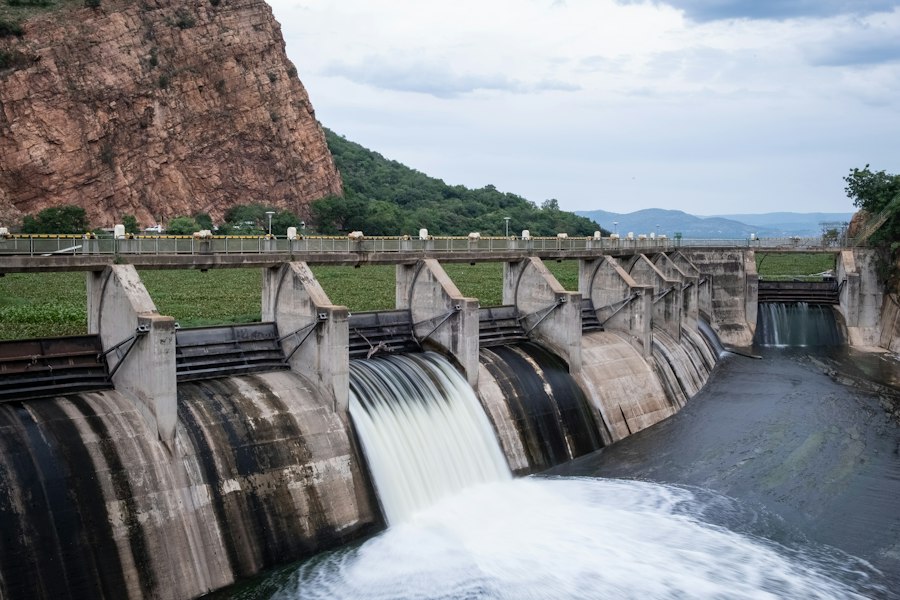
Since its completion, the Kok Aral Dam has begun to show remarkable results. The northern Aral Sea has witnessed a significant increase in its water level, and a gradual decrease in salinity. These changes have paved the way for the return of aquatic life and the gradual rejuvenation of the surrounding ecosystem.
Water Levels Rise: A Symbol of Hope
The most visible impact of the Kok Aral Dam has been the steady rise in the water level of the northern Aral Sea. The dam effectively acts as a barrier, preventing the more saline waters from the south from diluting the incoming freshwater from the Syr Darya. This controlled replenishment has allowed the northern basin to slowly regain its lost volume.
The Syr Darya’s Renewed Contribution
The successful management of the Syr Darya’s water flow has been critical. By ensuring a consistent and controlled release of water into the northern basin, the dam has maximized the river’s potential to restore the Aral Sea. This underscores the importance of sustainable water management practices upstream.
Measuring the Recovery: Salinity Reduction
A key indicator of the dam’s success is the reduction in salinity in the northern Aral Sea. As the water level rises and the basin becomes more isolated, the concentration of salts gradually decreases. This decrease is crucial for the return of fish and other aquatic organisms.
The Return of Biodiversity: A Living Ecosystem Re-emerges
The improved water quality and increased water volume have created conditions conducive to the re-establishment of aquatic life. The return of fish species, once thought to be lost forever, is a testament to the resilience of nature when given a chance to recover.
Fish Stocks Rebounding: A Glimmer of Economic Revival
The gradual decrease in salinity has allowed for the reintroduction of several fish species, including perch and bream. This has led to the slow but steady revival of local fishing communities, offering a glimmer of economic hope for a region that had been devastated by the sea’s disappearance. The ability to once again cast nets and bring in a catch is a powerful symbol of recovery.
Avian Life and the Broader Ecosystem
Beyond fish, the returning waters have also attracted a variety of bird species, from migratory waterfowl to resident seabirds. The re-establishment of aquatic vegetation and the improved conditions of the shoreline are contributing to a broader ecological recovery, creating a more vibrant and interconnected ecosystem.
Challenges and the Path Forward: Sustaining the Restoration
While the Kok Aral Dam has been a resounding success, the journey of Aral Sea restoration is far from over. Significant challenges remain, including the ongoing management of water resources, the impact of climate change, and the need for continued international support and investment.
Water Management: A Constant Balancing Act
The sustainable management of the Syr Darya’s water resources is paramount. The demands of agriculture, industry, and the Aral Sea restoration project must be carefully balanced to ensure long-term viability. This requires ongoing cooperation between riparian countries and a commitment to water-efficient practices.
The Delicate Balance of Upstream and Downstream Needs
Ensuring that sufficient water reaches the Aral Sea while also meeting the needs of downstream agricultural and urban populations is a complex undertaking. International agreements and transparent water-sharing mechanisms are essential to prevent future conflicts and to ensure the continued flow of water to the Aral Sea.
Embracing Water-Efficient Technologies
Promoting water-efficient irrigation techniques in agriculture, such as drip irrigation and the use of drought-resistant crops, is crucial to reduce overall water consumption. This not only benefits the Aral Sea but also improves the economic viability of farming in the region.
The Looming Shadow of Climate Change
Climate change poses a significant threat to the progress made in restoring the Aral Sea. Altered precipitation patterns, increased evaporation rates, and potential changes in glacial melt could impact the water supply from the Syr Darya. Adapting to these changes will require proactive planning and flexible strategies.
Predicting and Adapting to Shifting Weather Patterns
Scientific research and climate modeling are essential to predict the potential impacts of climate change on the region’s water resources. Developing adaptive strategies that can be implemented in response to changing conditions will be critical for the long-term success of the restoration effort.
Mitigating Evaporation and Conserving Water
Exploring and implementing measures to reduce water evaporation from the Aral Sea, such as the use of windbreaks or specialized covers, could further enhance water conservation efforts. These innovative solutions will be vital in a warming climate.
The Long-Term Vision: Beyond the Northern Basin
The success of the Kok Aral Dam has ignited hopes for a broader restoration of the Aral Sea. However, the challenges of replenishing the much larger and more saline southern basin are immense. Future efforts may involve exploring innovative technologies and seeking further international collaboration for a more comprehensive recovery.
The Scale of the Southern Basin Challenge
The southern Aral Sea is significantly larger and more saline than the northern basin. Restoring it would require massive amounts of freshwater, posing a considerable engineering and financial challenge. The vast distances and complex geography of the southern basin add further layers of difficulty.
Exploring Innovative Technologies and Partnerships
Future restoration efforts might explore advanced water management techniques, desalination technologies, or even the feasibility of connecting the Aral Sea to other water sources. Such ambitious undertakings would necessitate even greater international cooperation and investment, building upon the lessons learned from the Kok Aral Dam project.
The Kok Aral Dam restoration project has garnered attention for its potential to revitalize the Aral Sea and improve the livelihoods of local communities. This ambitious initiative highlights the importance of sustainable water management in addressing environmental challenges. For a deeper understanding of the complexities involved in such projects, you might find it interesting to explore the art of diplomatic language in ancient politics, which can provide insights into how negotiations and agreements have historically shaped environmental policies. You can read more about it in this article here.
A Symbol of Resilience and Hope: Lessons from the Aral Sea
| Metric | Value | Unit | Description |
|---|---|---|---|
| Project Start Date | 2018 | Year | Year when restoration efforts began |
| Dam Height | 14 | meters | Height of the Kok Aral Dam |
| Dam Length | 12 | kilometers | Length of the dam structure |
| Water Level Increase | 4 | meters | Rise in water level in the North Aral Sea after restoration |
| Area of North Aral Sea | 3,200 | square kilometers | Surface area of the restored North Aral Sea |
| Fish Population Recovery | 300% | percent | Increase in fish population after dam restoration |
| Annual Water Flow | 4.5 | cubic kilometers | Annual inflow of water into the North Aral Sea |
| Project Cost | 85 | million | Estimated cost of the restoration project |
| Completion Year | 2005 | Year | Year when the Kok Aral Dam was completed |
The story of the Kok Aral Dam is a powerful narrative of resilience, scientific innovation, and the possibility of environmental redemption. It demonstrates that even in the face of devastating ecological degradation, human intervention and concerted effort can bring about positive change. The dam stands as a beacon of hope, not only for the Aral Sea region but for a world grappling with its own environmental challenges.
A Global Exemplar of Ecological Restoration
The Kok Aral Dam project has become a globally recognized case study in ecological restoration. It offers valuable lessons for other regions facing similar environmental crises, showcasing the importance of scientific understanding, technological innovation, and international cooperation.
The Power of Collective Action
The success of the dam highlights the critical role of collective action and international partnerships in addressing complex environmental issues. When nations and organizations unite with a common purpose, the potential for positive change is immense.
Inspiring Future Generations of Environmental Stewards
The story of the Aral Sea and its partial recovery can inspire future generations to become engaged environmental stewards. It underscores the interconnectedness of human well-being and the health of the planet, motivating individuals to advocate for sustainable practices and responsible resource management.
The Enduring Legacy: A Warning and a Promise
The Aral Sea serves as a stark warning about the consequences of unsustainable development and the exploitation of natural resources. However, the Kok Aral Dam also offers a powerful promise: that through dedication, ingenuity, and a commitment to collaboration, even the most dire environmental situations can be ameliorated, and a future of ecological balance can be achieved. The dam’s legacy is one of both caution and an enduring, hopeful vision for the planet.

A Dam Brought the Aral Sea Back—But Only Part of It
FAQs
What is the Kok Aral Dam restoration project?
The Kok Aral Dam restoration project is a large-scale initiative aimed at restoring the Kok Aral Dam in Kazakhstan, which was built in the 1970s but has since fallen into disrepair.
Why is the restoration of the Kok Aral Dam important?
The restoration of the Kok Aral Dam is important because it will help to improve water management in the region, increase agricultural productivity, and provide a reliable source of water for local communities.
Who is leading the Kok Aral Dam restoration project?
The Kok Aral Dam restoration project is being led by the government of Kazakhstan, with support from international organizations and funding from various sources.
What are the main goals of the Kok Aral Dam restoration project?
The main goals of the Kok Aral Dam restoration project include repairing and upgrading the dam infrastructure, improving water storage capacity, and enhancing irrigation systems in the surrounding area.
When is the expected completion date for the Kok Aral Dam restoration project?
The expected completion date for the Kok Aral Dam restoration project is currently set for 2023, with ongoing efforts to meet this deadline and ensure the successful restoration of the dam.