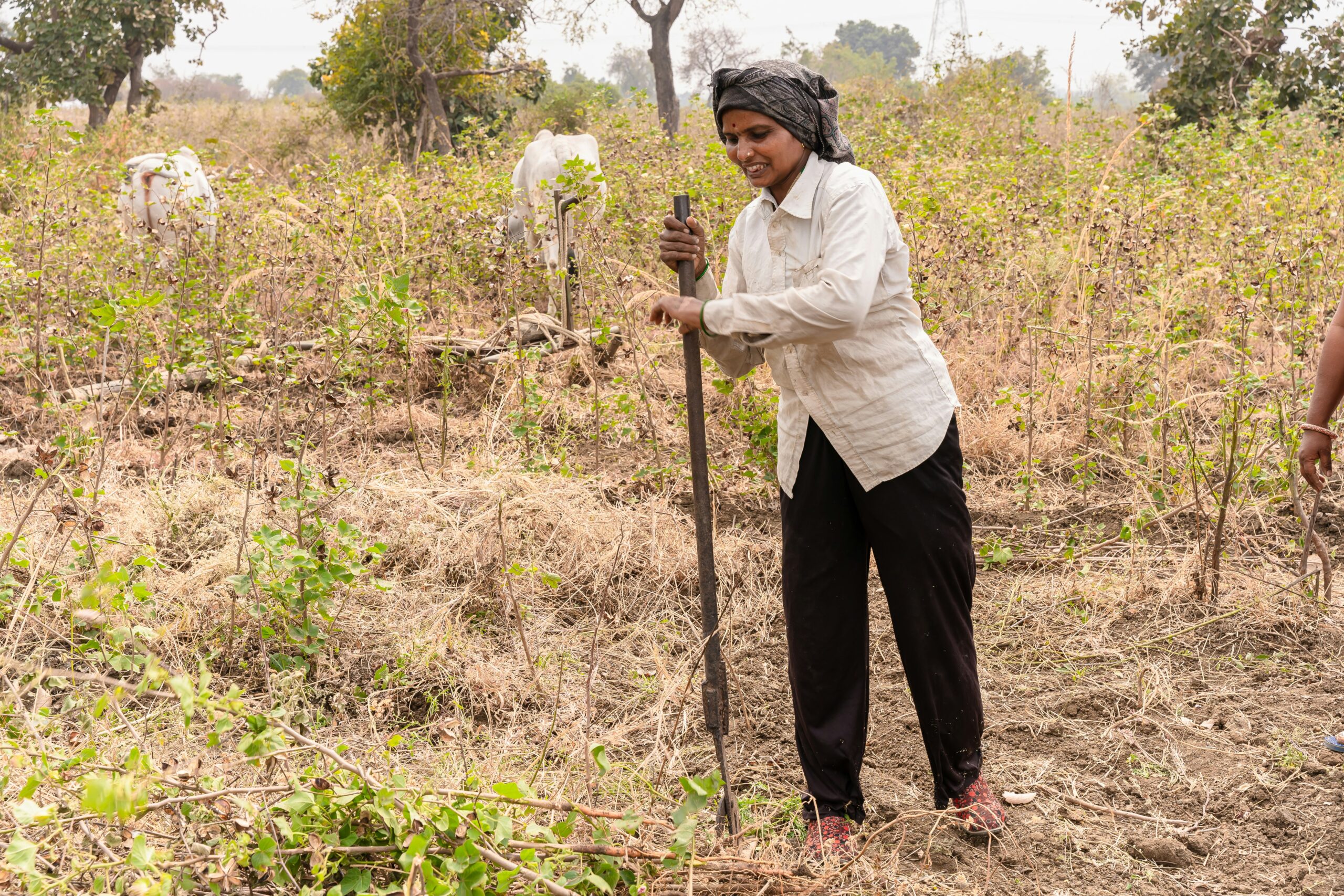
The embers of tradition are being fanned back to life, not with a roaring inferno, but with the gentle, deliberate lick of controlled flame. Aboriginal fire stick farming, an ancient and sophisticated land management practice, is experiencing a resurgence across Australia. For millennia, Indigenous peoples utilized fire as a tool, shaping landscapes, fostering biodiversity, and sustaining their cultures. Now, as Australia grapples with the devastating impacts of climate change and increasingly intense bushfires, this ancestral knowledge is proving to be not just a cultural heritage, but a vital solution for ecological resilience and a pathway to reconciliation.
For thousands of years, Aboriginal peoples were the custodians of the Australian continent, their intimate understanding of the land woven into the fabric of their spiritual beliefs and daily lives. Fire was not a force of destruction to be feared, but an integral element of their ecological stewardship. It was a tool wielded with precision, intention, and a profound respect for the intricate web of life. This practice, often referred to as “fire stick farming” or “cultural burning,” was not about setting vast tracts ablaze indiscriminately. Instead, it involved the careful application of small, controlled fires at specific times of the year, using hand-held burning sticks.
Understanding the Nuances of Cultural Burning
The terminology itself, “fire stick farming,” often conjures images of nomadic peoples setting fires to drive game. While hunting was indeed a benefit, the practice encompassed far more. It was a holistic approach to land management, deeply rooted in cultural protocols and a sophisticated understanding of ecological processes.
Fuel Load Management and Fire Intensity
A central tenet of fire stick farming was the proactive management of fuel loads. By conducting frequent, low-intensity burns, Indigenous peoples prevented the accumulation of dense undergrowth. This drastically reduced the potential for catastrophic, high-intensity bushfires that plague modern Australia. These controlled burns effectively cleared dead vegetation, creating mosaic landscapes of varied plant communities and open spaces.
The Concept of “Patch Burning”
A key strategy employed was “patch burning.” This involved burning small, discrete areas of land at different times, creating a diverse mosaic of habitats. This patchwork approach ensured that a proportion of the landscape was always unburnt, providing refuge for wildlife. It also promoted the growth of new vegetation, providing food sources and enhancing the overall health of the ecosystem.
Seasonal Considerations and Plant Life Cycles
The timing of burns was critical and was dictated by an intimate knowledge of plant life cycles and weather patterns. Burns were typically conducted during the cooler, drier months, when the risk of uncontrolled spread was minimized. This timing also coincided with the dormancy periods of certain plants or the seed-spreading mechanisms of others, allowing the fire to stimulate new growth and regeneration.
Aboriginal fire stick farming is a traditional land management practice that has been used for thousands of years to promote biodiversity and manage ecosystems. This method involves the strategic use of fire to clear underbrush, encourage new growth, and create habitats for various species. For those interested in exploring the broader implications of ancient practices and their connections to environmental stewardship, a related article can be found at Exploring the Enigmatic Queen Maud Land Coastline: Unraveling the Piri Reis Mystery, which delves into historical narratives that shape our understanding of land use and management across different cultures.
Environmental Benefits: A Symphony of Biodiversity
The impact of Aboriginal fire stick farming on the Australian environment was profound and multifaceted. It was a practice that actively promoted biodiversity, enhanced ecosystem health, and fostered a landscape resilient to natural disturbances.
Promoting Biodiversity Through Habitat Diversity
The mosaic burning approach, as discussed, was instrumental in creating a diverse range of habitats. Different plant communities thrived in the varied conditions created by the burns – some preferring open, recently burnt areas, while others flourished in the shade of older, unburnt vegetation. This diversity of plant life, in turn, supported a wider array of animal species, from insects and small mammals to birds and larger herbivores.
Creating Niches for Specific Species
Certain species have evolved to rely on fire for their survival. For example, some acacia seeds require the heat of a fire to germinate, while others benefit from the increased light penetration and nutrient availability in burnt areas. Fire stick farming ensured that these species, and the ecosystems they are part of, continued to thrive.
Encouraging New Growth and Food Sources
The clearing of old growth by fire stimulated the production of fresh, nutritious shoots and leaves. This new growth provided vital food sources for a wide range of herbivores, ensuring their continued survival and contributing to the health of the entire food chain.
Reducing the Risk of Catastrophic Bushfires
One of the most significant benefits of regular, low-intensity burning was the reduction in fuel loads. By consistently removing dead and dry vegetation, Indigenous peoples prevented the buildup of the combustible material that fuels today’s devastating bushfires. This proactive approach was a form of ecological insurance, safeguarding the land against uncontrollable infernos.
The “Fire Ladder” Effect
In dense vegetation, dry leaves and branches on the ground can ignite and, with the help of wind, climb up into the canopy. This “fire ladder” effect allows fires to spread rapidly and become incredibly destructive. Cultural burning, by clearing the undergrowth, effectively removed these fire ladders, preventing fires from reaching the tree canopy and becoming uncontrollable crown fires.
Maintaining a Fire-Resilient Landscape
The practice created a landscape that was inherently more resilient to fire. The mosaic of burnt and unburnt areas meant that if a fire did occur, it was more likely to be contained within smaller, manageable sections, rather than sweeping across vast, continuous expanses of fuel.
Modern Challenges and the Need for Revival
In the centuries since European colonization, Aboriginal fire management practices were largely suppressed or ignored. This led to a significant shift in land management, with a focus on fire suppression rather than controlled burning. The consequences of this disconnect have become increasingly apparent, particularly in the face of climate change.
The Impact of Fire Suppression Policies
Following colonization, many Indigenous fire management practices were outlawed, often due to a misunderstanding of their purpose and benefits. The prevailing Western approach favored complete fire suppression, viewing all fires as inherently destructive. This resulted in the unnatural accumulation of fuel loads, transforming landscapes that were once managed by fire into tinderboxes.
Loss of Traditional Ecological Knowledge
The suppression of cultural practices also led to a decline in the transmission of traditional ecological knowledge. Generations of Indigenous people were prevented from practicing and passing down the intricate understanding of fire that their ancestors possessed. This loss represents a significant gap in our collective understanding of how to manage Australia’s unique ecosystems.
Climate Change and Escalating Bushfire Threats
The accelerating impacts of climate change, characterized by rising temperatures, prolonged droughts, and more extreme weather events, have exacerbated the bushfire crisis. Landscapes that have been subject to decades of fire suppression are now highly susceptible to intense, uncontrollable blazes that pose a severe threat to lives, property, and the environment.
Increased Frequency and Intensity of Bushfires
The bushfire seasons are becoming longer and more severe. The fires are burning hotter, faster, and covering larger areas than ever before. This trend is directly linked to the increased fuel loads that have built up over decades, combined with the hotter, drier conditions driven by climate change.
Devastating Ecological and Social Consequences
The ecological damage from these megafires is immense, leading to widespread habitat destruction, species loss, and long-term ecosystem disruption. Socially, these fires inflict trauma, displacement, and significant economic costs.
The Path Forward: Reconnecting with Ancestral Wisdom

The revival of Aboriginal fire stick farming is not simply about looking to the past; it is about embracing a proven, sustainable solution for the future. Indigenous communities are at the forefront of this movement, working to reintroduce their traditional knowledge and practices to contemporary land management.
Indigenous-Led Initiatives and Partnerships
Across Australia, Indigenous communities are leading the charge in re-establishing cultural burning programs. These initiatives are often born out of a deep connection to country and a desire to heal the land. Partnerships with government agencies, research institutions, and conservation organizations are crucial for supporting these efforts and scaling up their impact.
The Role of Traditional Owners
Traditional Owners are the rightful custodians of their lands and possess the invaluable knowledge and authority to guide fire management decisions. Their leadership is essential for the ethical and effective implementation of cultural burning.
Collaborative Management Models
New models of land management are emerging that prioritize collaboration between Indigenous rangers, scientists, and land managers. These partnerships allow for the integration of traditional knowledge with Western scientific approaches, creating more comprehensive and effective fire management strategies.
Cultural Burning as a Tool for Reconciliation
The revival of fire stick farming is intrinsically linked to reconciliation. It represents a recognition and valuing of Indigenous knowledge, culture, and sovereignty. By empowering Indigenous communities to manage their traditional lands, it fosters self-determination and contributes to healing historical injustices.
Acknowledging and Valuing Indigenous Knowledge
The ongoing engagement with Indigenous fire management practices acknowledges that Indigenous peoples have developed sophisticated and effective methods for living in harmony with the Australian landscape over millennia. This validation is a crucial step in the reconciliation process.
Empowering Indigenous Communities
By supporting Indigenous-led fire management initiatives, governments and organizations are empowering Indigenous communities, strengthening their connection to country, and fostering economic opportunities through ranger programs and cultural tourism.
Aboriginal fire stick farming is a traditional land management practice that has been used for thousands of years to promote biodiversity and manage ecosystems. A related article discusses the broader implications of sustainable practices in various industries, highlighting how companies can adapt to changing environments. This article emphasizes the importance of understanding local ecosystems and implementing strategies that benefit both the environment and business. For more insights on sustainable practices, you can read the article on maximizing benefits through nearshoring for US companies here.
The Future of Fire: A Sustainable and Resilient Australia
| Metrics | Data |
|---|---|
| Area Burned | Varies depending on location and time period |
| Frequency of Burns | Varies depending on traditional practices |
| Impact on Biodiversity | Positive impact by promoting diversity |
| Carbon Emissions | Lower compared to large uncontrolled wildfires |
The lessons learned from Aboriginal fire stick farming offer a profound pathway towards a more sustainable and resilient future for Australia. By reintegrating these ancestral practices into contemporary land management, the nation can address the pressing challenges of bushfire management, biodiversity loss, and climate change, while also fostering a deeper connection between Indigenous and non-Indigenous Australians.
Reintegrating Traditional Knowledge into Modern Fire Management
The reintroduction of cultural burning is not about replacing modern firefighting techniques but about complementing them. It is about shifting the paradigm from reactive suppression to proactive, preventative management. This integrated approach, combining traditional wisdom with scientific understanding, offers the most effective path forward.
The Importance of Education and Training
Educating land managers, policymakers, and the broader community about the principles and benefits of cultural burning is vital. This includes training Indigenous rangers in contemporary fire management techniques and ensuring that non-Indigenous land managers are equipped to understand and work alongside cultural burning practices.
Policy and Funding Support
Sustainable funding and supportive policy frameworks are essential for the long-term success of cultural burning programs. This includes recognizing the value of Indigenous land management in carbon sequestration and biodiversity conservation, and providing resources for training, equipment, and ongoing program implementation.
Building a Fire-Smart Nation
Ultimately, the revival of Aboriginal fire stick farming is about building a “fire-smart” nation. It is about understanding fire as a natural and essential part of the Australian landscape, and learning to live with it in a way that is both safe and ecologically beneficial. This requires a fundamental shift in our relationship with fire, moving from fear and suppression to respect and understanding.
A New Era of Ecological Stewardship
The re-adoption of cultural burning signifies a new era of ecological stewardship, one that honors the wisdom of the First Peoples and embraces a more sustainable and harmonious relationship with the land. It is a testament to the enduring power of ancient knowledge in addressing the urgent challenges of the 21st century.
A Symbol of Hope and Resilience
The flickering flames of cultural burns across Australia are more than just a land management tool; they are a symbol of hope, resilience, and the profound interconnectedness of people, culture, and country. As Australia navigates the complexities of its future, the ancient wisdom of fire stick farming offers a guiding light towards a healthier planet and a more reconciled society.

The Wilderness Was Engineered
FAQs
What is Aboriginal fire stick farming?
Aboriginal fire stick farming is a traditional land management practice used by Indigenous Australians for thousands of years. It involves the controlled use of fire to maintain and cultivate the land for hunting, food gathering, and other purposes.
How does Aboriginal fire stick farming work?
Aboriginal fire stick farming involves the deliberate lighting of fires at specific times and in specific areas to clear undergrowth, promote new growth, and maintain the health of the land. This practice helps to prevent larger, more destructive wildfires and encourages the growth of certain plant species.
What are the benefits of Aboriginal fire stick farming?
Aboriginal fire stick farming has several benefits, including reducing the risk of large, destructive wildfires, promoting biodiversity, improving soil fertility, and creating open areas for hunting and gathering. It also helps to maintain the cultural and spiritual connections of Indigenous communities to the land.
Is Aboriginal fire stick farming still practiced today?
Yes, Aboriginal fire stick farming is still practiced by some Indigenous communities in Australia today. Efforts are being made to revive and promote this traditional land management practice as a sustainable and effective way to care for the environment.
What are the challenges facing Aboriginal fire stick farming?
Challenges facing Aboriginal fire stick farming include government regulations and policies, land ownership issues, and the impact of modern development on traditional lands. Additionally, there is a need for greater recognition and support for Indigenous knowledge and practices in land management.