
The persistent environmental challenges of the 21st century necessitate a comprehensive re-examination of historical human ingenuity. As contemporary societies grapple with resource depletion, pollution, and climate change, an increasing number of researchers and practitioners are turning to the engineering solutions developed by ancient civilizations. These methods, born from intimate knowledge of local ecosystems and a pragmatic approach to resource management, offer valuable insights and potential pathways for sustainable development. This exploration delves into the concept of reviving ancient environmental engineering, examining its relevance, methodologies, and challenges in the modern context.
Ancient societies, while lacking the technological sophistication of the present day, developed sophisticated systems for water management, waste disposal, and resource utilization. Their designs were often deeply integrated with natural processes, demonstrating a profound understanding of ecological principles.
Water Management Systems: More Than Just Irrigation
The control and distribution of water were central to the survival and prosperity of ancient civilizations. Beyond simple irrigation, these systems addressed issues of flood control, sanitation, and local climate moderation.
Aqueducts and Conduit Systems
Many ancient cultures constructed extensive aqueduct systems to transport potable water over considerable distances. The Romans, in particular, are renowned for their monumental aqueducts, which utilized gravity and precise gradients to deliver water to urban centers. These structures were not merely feats of civil engineering but also demonstrated an understanding of hydraulics and materials science. The careful selection of canal linings, for instance, aimed to minimize water loss through seepage and prevent contamination. The principles of gravity flow and hydraulic load management remain fundamental to modern water distribution, though often achieved through more complex infrastructure.
Cisterns and Reservoirs
The storage of water was equally critical, especially in arid or seasonal climates. Ancient civilizations developed a variety of reservoir designs, from simple excavated ponds to elaborate underground cisterns. These structures served to capture rainwater, store water from perennial sources, and regulate flow for agricultural and domestic use. The design of these storage systems often considered factors such as evaporation rates, water quality preservation, and structural stability. Permeable materials were sometimes used in conjunction with impermeable liners to manage groundwater recharge and prevent excessive salinization.
Traditional Irrigation Techniques
Ancient irrigation methods, such as the shaduf, noria, and flood irrigation, represent early attempts to harness water for agriculture. While seemingly rudimentary, these techniques were often highly efficient within their specific ecological contexts. They involved a deep understanding of crop water requirements, soil types, and the timing of natural water flows. The revival of certain traditional irrigation practices, adapted for modern scales, can reduce reliance on energy-intensive pumping and minimize water waste. Contour farming and terrace irrigation, for example, are ancient techniques still employed for soil conservation and water retention.
Waste Management and Sanitation
The effective management of waste products was essential for public health and the prevention of disease in ancient urban environments. While the understanding of microbial contamination was limited, ancient engineers often devised ingenious solutions to remove waste and maintain sanitation.
Ancient Sewer Systems
Cities like those in the Indus Valley Civilization and ancient Rome possessed rudimentary sewer systems. These systems, though often open channels or carefully dug trenches, served to convey human and animal waste away from living areas. The design often incorporated slopes to facilitate gravity flow and sometimes utilized running water from aqueducts for flushing. While lacking the enclosed, pressurized nature of modern sewers, these systems represent early recognition of the need for dedicated waste removal infrastructure. Their construction often involved careful planning of gradients and diversion points to manage flow and prevent blockages.
Composting and Organic Waste Utilization
Many ancient societies understood the value of organic waste as fertilizer. Composting practices, though likely not as formally codified as today, were likely widespread. The recycling of organic materials back into the soil was a cornerstone of sustainable agriculture and waste management. This practice not only reduced the volume of waste but also enriched agricultural land, contributing to long-term productivity. Evidence suggests careful management of animal manure and crop residue for soil amendment.
Public Latrines and Waste Disposal Sites
The establishment of public latrines in ancient cities demonstrates a societal effort to centralize and manage waste. These facilities were often located near water sources or connected to drainage systems. The disposal of solid waste, while less documented, likely involved designated sites outside of urban centers, preventing the accumulation of refuse within inhabited areas. The strategic placement of these sites aimed to minimize odor and potential health hazards.
Ancient civilizations developed remarkable environmental engineering techniques that have often been overlooked in modern discussions about sustainability. For a deeper understanding of how these techniques were utilized to manage climate and resources, you can explore the article titled “Uncovering Ancient Climate Steering Secrets.” This article delves into the innovative methods employed by ancient societies to adapt to their environments and mitigate climate challenges. To read more, visit Uncovering Ancient Climate Steering Secrets.
Rediscovering and Adapting Ancient Technologies
The revival of ancient environmental engineering is not about direct replication but rather about understanding the underlying principles and adapting them to contemporary needs and materials. This requires a multidisciplinary approach involving engineers, archaeologists, historians, and ecologists.
Materials Science and Construction Techniques
Ancient builders utilized locally available materials with remarkable durability and adaptability. Their methods often prioritized longevity and minimal environmental impact.
Adobe and Earth Construction
The widespread use of adobe and rammed earth in vernacular architecture across the globe is a testament to the effectiveness of these materials. These natural building techniques offer excellent thermal insulation, reducing the need for artificial heating and cooling. Their construction requires minimal processed materials and generates very little waste. Modern interest in these techniques focuses on improving their structural integrity and water resistance through additives and innovative construction methods, while retaining their inherent sustainability.
Stone Masonry and Dry Stone Walling
The enduring nature of ancient stone structures points to sophisticated masonry techniques. Dry stone walling, in particular, demonstrates an understanding of load-bearing principles and the creation of resilient, porous structures that can manage water flow and prevent erosion. These techniques are being revisited for landscape engineering, terracing, and the construction of permeable barriers that integrate seamlessly with natural environments. The interlocking nature of stones creates stability without the need for mortar, which can be a source of environmental concern in some modern applications.
Natural Waterproofing and Sealing Agents
Ancient civilizations employed various natural substances to waterproof structures and seal conduits. These included clays, bitumen, and plant-based resins. Understanding the properties and application of these materials can offer sustainable alternatives to synthetic waterproofing agents, many of which have environmental drawbacks. Research into the composition and effectiveness of these ancient sealants can inform the development of modern bio-based or natural waterproofing solutions.
Resource Management and Conservation
Ancient societies, often living closer to the natural limits of their resources, developed practices that emphasized long-term sustainability and minimal waste.
Agroforestry and Traditional Farming Systems
Many ancient agricultural systems integrated trees and other perennial plants with crop cultivation, creating diversified and resilient agroecosystems. These practices, often referred to as agroforestry, enhanced soil fertility, improved water retention, and provided habitat for beneficial insects. They represent a holistic approach to land management that can be contrasted with the monoculture practices prevalent in industrialized agriculture. The traditional terraced farming systems, for example, not only prevented soil erosion but also optimized water distribution across slopes.
Sustainable Forestry and Wood Management
While evidence of widespread deforestation exists in some ancient societies, others developed practices that ensured the sustained use of forest resources. This included selective harvesting, coppicing, and the planting of trees for specific purposes. Understanding these historical approaches can inform modern sustainable forestry practices, promoting biodiversity and long-term ecological health. The careful management of wood for construction, fuel, and tools reflects an understanding of resource depletion.
Animal Husbandry and Integrated Farming
Ancient farming systems often integrated animal husbandry with crop production. Animal manure was a vital source of fertilizer, and animals played roles in plowing and transportation. This integrated approach created closed-loop systems that minimized waste and maximized resource utilization. The economic and ecological benefits of such integrated systems are being recognized anew in modern discussions of sustainable agriculture. Livestock were not just producers of food but also essential components of the agricultural ecosystem.
Challenges in Reviving Ancient Environmental Engineering
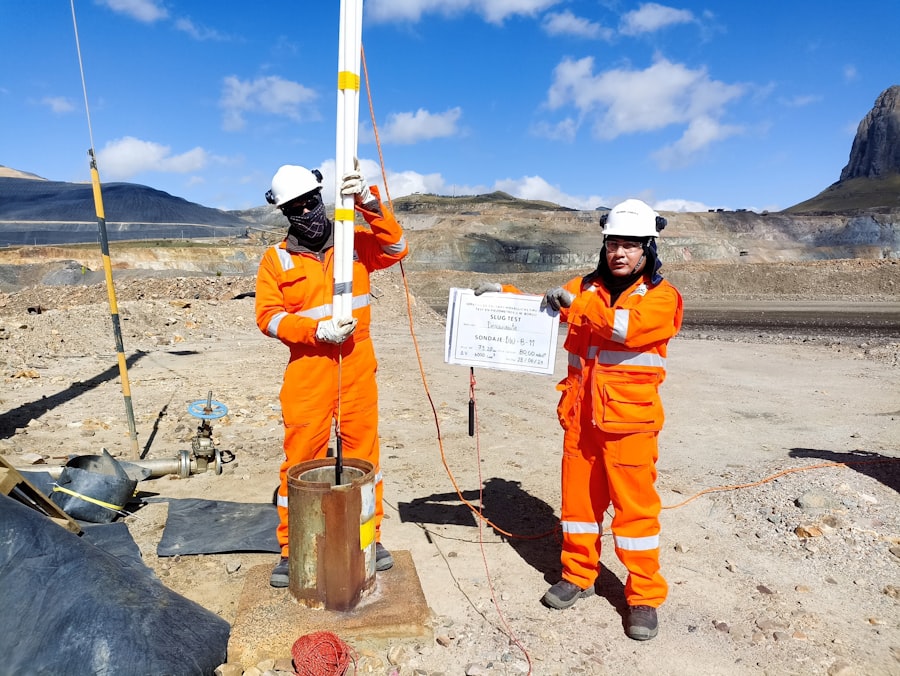
The transition from historical knowledge to contemporary application is not without its obstacles. Modern societal structures, economic realities, and technological dependencies present significant hurdles.
Scalability and Modern Demands
Many ancient environmental engineering solutions were developed for smaller populations and different societal structures. Scaling these techniques to meet the demands of billions of people presents a considerable challenge. The infrastructure required for modern urban centers, for instance, is vastly different from that of ancient settlements.
The Sheer Scale of Urbanization
Modern cities are mega-structures with populations and resource demands that dwarf those of antiquity. Applying ancient water distribution or waste management systems directly to contemporary metropolises would be impractical. However, the principles behind these systems – gravity flow, decentralized treatment, or localized resource use – can be reinterpreted and integrated into larger, more complex infrastructures. The concept of a Roman aqueduct can inspire the design of efficient, low-energy water transport networks, even if the physical form differs.
Industrialization and Material Requirements
Modern industrial processes have created a demand for materials and energy that were unimaginable in ancient times. The extraction, processing, and disposal of these materials have significant environmental consequences. Reviving ancient techniques often requires a shift away from fossil fuel-dependent industries and a re-emphasis on locally sourced, renewable materials. The mining of raw ores for steel production, for example, has a far greater environmental footprint than quarrying local stone for construction.
Regulatory and Economic Barriers
Current regulations, building codes, and economic models are often geared towards established, often less sustainable, technologies. Introducing ancient or adapted ancient methods can face resistance from existing systems.
Existing Infrastructure and Inertia
The global infrastructure for water, energy, and waste management is deeply entrenched and often based on technologies developed in the 19th and 20th centuries. Retrofitting or replacing this infrastructure with systems inspired by ancient engineering faces enormous economic and logistical challenges. Developers and municipalities may be hesitant to invest in unproven or less familiar technologies. The cost of replacing miles of modern pipe networks with simpler, gravity-fed systems can be prohibitive.
Economic Viability and Market Incentives
The economic viability of ancient environmental engineering practices in a globalized market is a crucial consideration. While many traditional methods offer long-term cost savings and environmental benefits, initial investment and market demand can be limiting factors. Policies and incentives are needed to encourage the adoption of these sustainable approaches, often competing with the economies of scale achieved by industrialized methods. The lower initial cost of manufactured goods can often overshadow the long-term sustainability and maintenance advantages of traditional approaches.
Knowledge Gaps and Skill Depreciation
While historical records and archaeological evidence provide valuable insights, there are limitations in our understanding of ancient engineering practices. Furthermore, the practical skills required for many of these techniques have been lost or are in decline.
Incomplete Documentation and Interpretation
Much of what we know about ancient engineering comes from archaeological remains and limited written records. The precise technical details, the tacit knowledge of skilled artisans, and the full understanding of the ecological context may be lost to time. Reconstructing these systems requires careful interpretation and often experimentation. The exact proportions of mixtures for mortars or the precise methods for shaping and fitting stone might not be fully captured in surviving texts.
Loss of Traditional Craftsmanship
The artisanal skills associated with ancient building techniques, such as stonemasonry, dry stone walling, and traditional carpentry, have diminished with the rise of mechanized construction. Reviving these practices requires significant investment in training and education to rebuild this lost heritage of craftsmanship. The ability to select the right stone, to understand its grain, and to shape it with hand tools is a skill that takes years to develop and is fundamentally different from operating heavy machinery.
The Practical Application of Ancient Principles Today
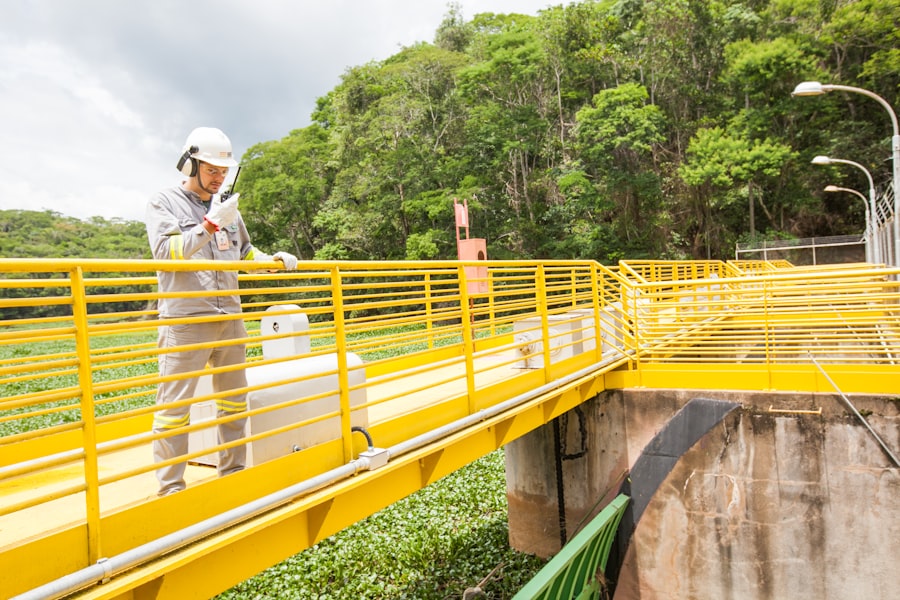
Despite the challenges, the insights gleaned from ancient environmental engineering are already influencing modern sustainable practices. The focus is on integrating the wisdom of the past with the capabilities of the present.
Modern Water Harvesting and Management
Ancient principles of water collection, storage, and efficient use are being revived and adapted for contemporary water management strategies, particularly in areas facing water scarcity.
Rainwater Harvesting Systems
The ancient practice of collecting and storing rainwater, evident in the cisterns and reservoirs of numerous civilizations, is experiencing a resurgence. Modern rainwater harvesting systems, utilizing readily available materials and incorporating filtration and purification technologies, provide a sustainable source of water for domestic, agricultural, and even industrial uses, reducing reliance on municipal supplies and groundwater extraction. The design of large-scale decentralized rainwater harvesting systems draws directly from the ancient understanding of managing seasonal rainfall.
Permeable Pavements and Water-Sensitive Urban Design
Ancient civilizations often designed settlements with natural drainage in mind, allowing water to infiltrate the ground. This principle is being integrated into modern urban planning through permeable pavements, bioswales, and green roofs. These Water-Sensitive Urban Design (WSUD) strategies mimic natural hydrological processes, reducing stormwater runoff, recharging groundwater, and mitigating the urban heat island effect. The ancient understanding of porous surfaces and natural drainage pathways informs these modern approaches.
Greywater and Blackwater Recycling
While ancient societies did not have the concept of “greywater” and “blackwater” as we understand them, their practices of waste management and water reuse, however rudimentary, laid the groundwork for modern recycling systems. Simple filtration and reuse of water, as seen in some ancient irrigation and bathing systems, are precursors to today’s advanced greywater recycling technologies, which significantly reduce overall water consumption. The careful separation and treatment of wastewater in ancient bathhouses, for instance, reflects an early awareness of water quality.
Sustainable Building and Infrastructure
The use of natural materials, passive design principles, and durable construction methods from ancient times are informing contemporary approaches to sustainable building and infrastructure development.
Green Building Materials and Vernacular Architecture
The resurgence of interest in building materials like bamboo, rammed earth, and straw bale construction directly echoes the sustainable practices of ancient civilizations. These materials are renewable, have low embodied energy, and offer excellent thermal performance. Vernacular architecture, adapted to local climates and resources, provides a framework for designing resilient and energy-efficient buildings that harmonize with their surroundings. The inherent thermal mass of earth-based construction is a principle exploited by ancient builders and rediscovered by modern green architects.
Passive Solar Design and Natural Ventilation
Ancient dwellings and public buildings were often designed to maximize natural light and ventilation, minimizing the need for artificial lighting and cooling. Concepts like building orientation, the use of courtyards, and the strategic placement of windows and vents are fundamental to passive solar design and natural ventilation strategies, which are integral to contemporary green building standards. The careful alignment of structures to capture sunlight in winter and provide shade in summer is a common feature in ancient settlements.
Bioremediation and Natural Wastewater Treatment
The use of natural filtration systems, such as constructed wetlands and reed beds, to treat wastewater draws inspiration from ancient practices where natural processes were harnessed for waste management. These biological treatment systems are cost-effective, energy-efficient, and provide a sustainable alternative to conventional wastewater treatment plants. The understanding of how plants and microorganisms can purify water was implicitly understood and applied by ancient communities living in close proximity to natural water bodies.
Ancient civilizations employed remarkable environmental engineering techniques that allowed them to thrive in challenging landscapes. For instance, the use of terracing and irrigation systems not only maximized agricultural productivity but also helped manage water resources effectively. If you’re interested in exploring how these ancient societies harnessed various power sources to support their engineering feats, you might find this article on ancient power sources insightful. You can read more about it here.
The Future of Revived Ancient Environmental Engineering
| Technique | Location | Purpose |
|---|---|---|
| Aqueducts | Rome, Italy | Transporting water over long distances |
| Terracing | Peru | Preventing soil erosion and maximizing arable land |
| Cisterns | Jerusalem, Israel | Collecting and storing rainwater for later use |
| Qanats | Iran | Tapping into underground water sources for irrigation |
The ongoing exploration and revival of ancient environmental engineering offer a promising avenue for addressing contemporary sustainability challenges. This interdisciplinary endeavor requires continued research, innovation, and a willingness to learn from the accumulated wisdom of human history.
Interdisciplinary Research and Collaboration
Bridging the gap between ancient knowledge and modern application necessitates close collaboration between engineers, architects, archaeologists, historians, ecologists, and social scientists. This cross-pollination of ideas is essential for a comprehensive understanding and effective implementation of these revived techniques.
Archaeological Insights and Engineering Principles
Archaeological discoveries provide concrete evidence of ancient engineering solutions. Interpreting these findings requires the expertise of engineers to understand the underlying principles of construction, hydraulics, and material science. This symbiotic relationship allows for the recreation and adaptation of ancient technologies for contemporary use. The discovery of ancient drainage channels, for instance, can inform the design of modern urban drainage systems that mimic natural flow patterns.
Ecological Understanding and Traditional Practices
The deep understanding of local ecosystems that informed ancient engineering practices is crucial. Modern ecologists can help reinterpret these practices within their original environmental contexts and adapt them for new ecological settings. This involves recognizing the interconnectedness of natural systems and the importance of working with, rather than against, natural processes. The ancient practices of crop rotation and land fallowing, for instance, were driven by an empirical understanding of soil health.
Innovation and Technological Integration
The revival of ancient environmental engineering is not about returning to pre-industrial technologies but about integrating ancient wisdom with modern scientific advancements and innovative materials.
Bio-inspired Design and Biomimicry
The principles observed in ancient engineering, which often closely followed natural systems, align with the modern field of biomimicry. Learning from nature’s efficient designs, as championed by ancient builders, can lead to the development of novel and sustainable solutions. The efficiency of natural water filtration systems, for example, can inspire the design of advanced bio-filters.
Smart Technologies and Ancient Concepts
The integration of modern “smart” technologies with ancient principles can create hybrid solutions. For example, sensors can monitor the performance of ancient-inspired passive heating systems, optimizing their efficiency. Similarly, smart grids can be designed to incorporate decentralized renewable energy generation, drawing lessons from ancient localized resource management. The concept of gravity-fed water systems can be enhanced with sensors to monitor flow and pressure, ensuring optimal distribution.
Education and Policy Reform
For the revival of ancient environmental engineering to have a lasting impact, it must be integrated into educational curricula and supported by forward-thinking policies.
Curriculum Development and Skill Transfer
Educational institutions have a vital role to play in teaching the principles of ancient environmental engineering and fostering the practical skills required for their implementation. This includes incorporating historical case studies, hands-on workshops, and interdisciplinary projects. The traditional crafts associated with these techniques need to be actively preserved and taught to new generations.
Policy Support and Incentive Structures
Government policies and economic incentives are crucial for promoting the adoption of sustainable practices inspired by ancient engineering. This can include revised building codes, subsidies for green technologies, and research funding for interdisciplinary projects. Creating a favorable regulatory and economic environment is essential for moving beyond theoretical exploration to widespread practical application. The long-term benefits of these systems, such as reduced resource consumption and enhanced resilience, need to be recognized and incentivized through public policy.
FAQs
What are ancient environmental engineering techniques?
Ancient environmental engineering techniques refer to the methods and practices used by ancient civilizations to manage and manipulate their natural surroundings for various purposes, such as agriculture, water management, and construction.
What are some examples of ancient environmental engineering techniques?
Examples of ancient environmental engineering techniques include the construction of irrigation systems, such as the qanat system in Persia, the use of terracing for agriculture, and the development of aqueducts for water supply.
How did ancient civilizations use environmental engineering techniques?
Ancient civilizations used environmental engineering techniques to adapt to and thrive in their natural environments. They employed these techniques to improve agricultural productivity, manage water resources, and construct infrastructure for transportation and urban development.
What impact did ancient environmental engineering techniques have on the environment?
Ancient environmental engineering techniques had both positive and negative impacts on the environment. While they allowed civilizations to sustain and expand their populations, they also led to deforestation, soil erosion, and changes in natural water systems.
What can we learn from ancient environmental engineering techniques?
Studying ancient environmental engineering techniques can provide valuable insights into sustainable resource management, adaptation to climate change, and the long-term impacts of human activities on the environment. These lessons can inform modern environmental practices and policies.