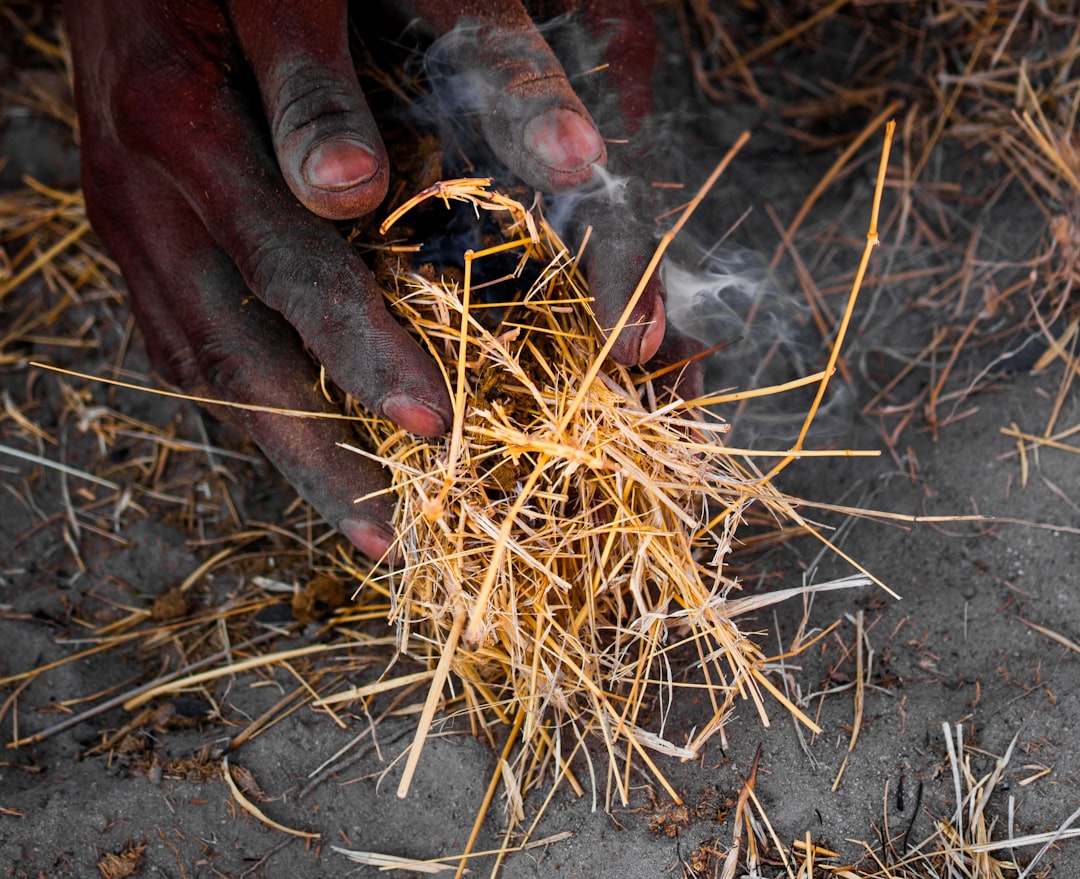
The whispers of ancient knowledge, once silenced by colonial conquest and the relentless march of modernity, are slowly being amplified. Across the globe, indigenous communities are rediscovering and revitalizing practices honed over millennia, and among the most potent and promising are the traditional fire techniques that shaped their landscapes and livelihoods. These are not merely methods of combustion; they are intricate ecological management systems, deeply interwoven with cultural heritage and a profound understanding of the natural world. Reviving these ancient indigenous fire techniques offers a compelling pathway towards more sustainable land management, biodiversity restoration, and a reassertion of cultural identity.
For countless generations, indigenous peoples were not just inhabitants of their lands, but active participants in their creation and maintenance. Fire, in their hands, was a tool of immense ecological power, wielded with precision and intention. It was a deliberate force, not an accidental catastrophe, used to foster resilience, enhance productivity, and cultivate a mosaic of habitats that supported an astonishing array of life. The dominant narrative of fire as inherently destructive, a force to be suppressed at all costs, fails to acknowledge the nuanced and beneficial role indigenous fire practices played in shaping the very ecosystems we often take for granted today.
Controlled Burning for Habitat Creation and Maintenance
Indigenous peoples understood that a complete absence of fire could lead to its own form of ecological imbalance. In many ecosystems, particularly fire-adapted grasslands and woodlands, periodic low-intensity fires served to clear out undergrowth, reduce fuel loads, and create open spaces that favored certain plant and animal species. This controlled burning regime prevented the accumulation of dense, continuous vegetation, which in turn reduced the risk of catastrophic wildfires.
The Role of Fuel Load Management
A key aspect of indigenous fire management was the proactive reduction of fuel loads. This involved carefully timed and executed burns to remove dead vegetation, leaf litter, and small woody debris. These materials, if left to accumulate, provide ample fuel for more intense and damaging fires. By regularly clearing these lighter fuels, indigenous communities effectively acted as ecological gardeners, tending to their landscapes and creating a more predictable fire behavior. This deliberate intervention prevented the unchecked spread of wildfires that are increasingly prevalent in many parts of the world.
Promoting Biodiversity Through Patch Burning
The practice of “patch burning” was another crucial element of indigenous fire management. This involved burning different sections of the landscape at different times and intensities, creating a mosaic of habitats with varying stages of ecological succession. This diversity of habitats provided a wider range of food sources, shelter, and breeding grounds for a greater variety of plant and animal species. For example, newly burned areas might offer nutritious grasses for herbivores, while unburned or less frequently burned areas could provide dense cover for smaller animals or nesting sites for birds. This dynamic landscape management fostered a rich and resilient ecosystem.
Enhancing Food and Resource Availability
Beyond its role in shaping the physical landscape, indigenous fire practices were intrinsically linked to the availability of food and essential resources. The careful application of fire stimulated the growth of desirable plants, facilitated the harvesting of traditional foods, and even influenced animal behavior in ways that benefited indigenous communities.
Stimulating the Growth of Edible Plants
Many indigenous cultures recognized the fire-response of certain plants. For instance, some tubers and roots, important food staples, were stimulated to sprout and grow more vigorously after being exposed to low-intensity fires. The heat and cleared ground created by these fires provided an ideal environment for germination and growth. This understanding allowed communities to actively cultivate these resources through managed burns, ensuring a sustainable food supply.
Facilitating Hunting and Foraging
Fire could also be used strategically to aid in hunting and foraging. Carefully controlled burns could drive game animals towards waiting hunters or create clearings that made it easier to spot and gather edible plants. The smoke from fires could also attract certain insects or birds, which in turn became a food source. These practices demonstrate a sophisticated understanding of the interconnectedness of ecological processes and human needs.
Managing Game Populations
While not always the primary goal, indigenous fire management could indirectly influence game populations. By creating and maintaining suitable habitats, fires could support larger and healthier populations of herbivores, which in turn supported predator populations. The mosaic of burned and unburned areas provided diverse foraging opportunities and refuge, contributing to the overall health and balance of the wildlife within the ecosystem.
Ancient Indigenous fire practices played a crucial role in shaping ecosystems and maintaining biodiversity across various regions. These techniques, often rooted in deep cultural knowledge, were employed to manage landscapes, promote the growth of certain plants, and support wildlife. For a deeper understanding of how traditional practices can influence modern agricultural and labor dynamics, you can explore the article on Mexico’s demographic edge and labor advantage at this link.
Reviving the Spark: Modern Recognition and Resurgence
The decline of indigenous knowledge systems, a direct consequence of colonization and forced assimilation, led to the widespread abandonment of these sophisticated fire practices. The introduction of Western fire suppression policies, often based on a limited understanding of fire ecology in many landscapes, further entrenched the idea of fire as a purely destructive force. However, in recent decades, a paradigm shift has begun to occur, driven by scientific research and a growing recognition of the limitations of traditional fire suppression.
The Scientific Case for Indigenous Fire Management
Modern ecological science is increasingly validating the effectiveness and ecological benefits of indigenous fire techniques. Studies have shown that landscapes managed with traditional fire practices are often more biodiverse, resilient to climate change, and less prone to large, destructive wildfires. Researchers are now actively studying these methods to understand the underlying ecological principles and to inform contemporary land management strategies.
Evidence of Biodiversity Enhancement
Numerous studies have documented higher species richness and abundance in areas managed with indigenous fire techniques compared to those subjected to fire suppression. The mosaic of habitats created by controlled burns provides a wider range of ecological niches, supporting a greater diversity of plant and animal life. This is particularly evident in fire-adapted ecosystems where plant communities have evolved in response to periodic fires.
Improved Ecosystem Resilience
Indigenous fire management has been shown to enhance ecosystem resilience to disturbances, including climate change impacts such as drought and increased wildfire frequency. By maintaining a healthy balance of vegetation and reducing fuel loads, these practices create landscapes that are better equipped to withstand and recover from environmental stresses.
Reduction in Catastrophic Wildfires
A crucial benefit of reviving indigenous fire techniques is their proven ability to reduce the occurrence and intensity of catastrophic wildfires. By regularly burning off accumulated fuels at a lower intensity, the risk of large, uncontrolled conflagrations is significantly diminished. This directly contributes to the protection of human communities, infrastructure, and natural resources.
Indigenous Leadership in Fire Stewardship
The revival of these ancient techniques is not simply an academic pursuit; it is a movement led by indigenous communities themselves. Indigenous peoples, often the first and most impacted by the consequences of environmental degradation, are at the forefront of reasserting their stewardship over their ancestral lands.
Cultural and Spiritual Connections to Fire
For many indigenous cultures, fire is more than a tool; it is a sacred element, imbued with cultural and spiritual significance. It is often seen as a life-giver, a purifier, and a connector to the ancestors. The revival of fire practices is therefore intrinsically linked to cultural revitalization and the reassertion of identity. These practices are a way of honoring the past and ensuring the continuity of cultural knowledge for future generations.
Empowering Indigenous Communities
The ability to manage their own lands using traditional fire practices empowers indigenous communities. It allows them to exercise their inherent rights, to practice self-determination, and to manage their territories in a way that aligns with their cultural values and ecological understanding. This is a crucial step towards reconciliation and the decolonization of land management.
Collaborative Partnerships and Knowledge Sharing
Increasingly, collaborations are forming between indigenous communities, researchers, and land management agencies. These partnerships are essential for sharing knowledge, developing effective strategies, and ensuring that indigenous voices and expertise are central to fire stewardship initiatives. This co-management approach recognizes the invaluable insights that indigenous peoples bring to the table.
Challenges and Opportunities in the Revival
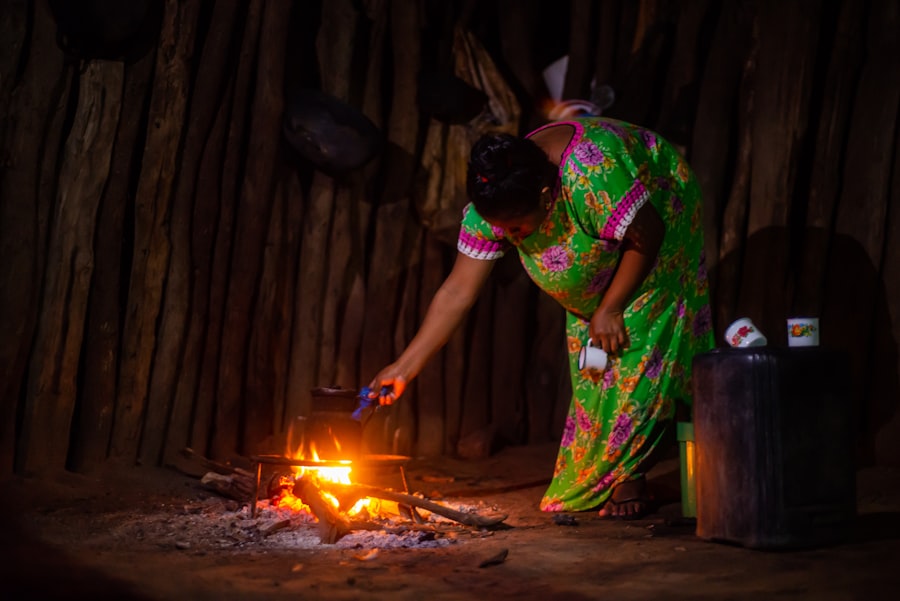
Despite the growing recognition and enthusiasm for reviving indigenous fire techniques, significant challenges remain. Historical trauma, ongoing land dispossession, and the complexities of modern regulatory frameworks can impede the widespread adoption of these practices. However, these challenges also present opportunities for innovative solutions and deeper engagement.
Overcoming Historical Trauma and Mistrust
The legacy of colonization has often resulted in deep mistrust between indigenous communities and government agencies. The historical suppression of indigenous practices, including fire management, has created a painful past that needs to be acknowledged and addressed. Building trust and fostering genuine partnerships are paramount to the successful revival of these techniques.
Rebuilding Trust and Respect
Establishing open communication, active listening, and mutual respect are foundational to overcoming historical trauma. This involves acknowledging past injustices, understanding the cultural significance of fire for indigenous peoples, and working collaboratively to co-create solutions that honor indigenous knowledge and rights.
Addressing Land Tenure and Access Issues
In many cases, indigenous communities have limited control over their ancestral lands due to ongoing land dispossession and complex land tenure arrangements. Access to land is a prerequisite for implementing traditional fire management practices. Addressing these issues is crucial for enabling indigenous stewardship.
Navigating Modern Regulatory Frameworks
Contemporary fire management is often governed by rigid regulations and bureaucratic processes that may not be conducive to traditional, flexible approaches. Adapting these frameworks to accommodate indigenous knowledge and practices is a significant undertaking.
Adapting Fire Regulations and Policies
Existing fire regulations and policies, often designed for hazard reduction and suppression, need to be re-evaluated to incorporate the principles of indigenous fire management. This may involve creating specific pathways for indigenous-led burns, recognizing the ecological benefits of traditional burning, and streamlining permitting processes.
Developing Culturally Appropriate Training and Capacity Building
Effective implementation of indigenous fire techniques requires culturally appropriate training and capacity building for both indigenous practitioners and land managers from other agencies. This ensures that the knowledge is passed down accurately and that the practices are applied safely and effectively.
Cultivating a New Generation of Firekeepers
The long-term success of reviving indigenous fire techniques hinges on the ability to cultivate a new generation of knowledgeable and skilled practitioners – a new generation of “firekeepers.” This requires dedicated efforts to transmit this ancient wisdom to younger generations.
Intergenerational Knowledge Transfer
The most effective way to revive these practices is through intergenerational knowledge transfer. This involves elders and experienced practitioners actively teaching younger community members about the principles, techniques, and cultural significance of traditional fire management. This can be done through hands-on apprenticeships, storytelling, and community-based learning initiatives.
Educational Programs and Outreach
Developing educational programs in schools and community settings that highlight the importance of indigenous fire management can foster understanding and appreciation among the broader public. Outreach initiatives that showcase successful revival projects can inspire others and build support for these practices.
Case Studies: Lights of Revival in Action
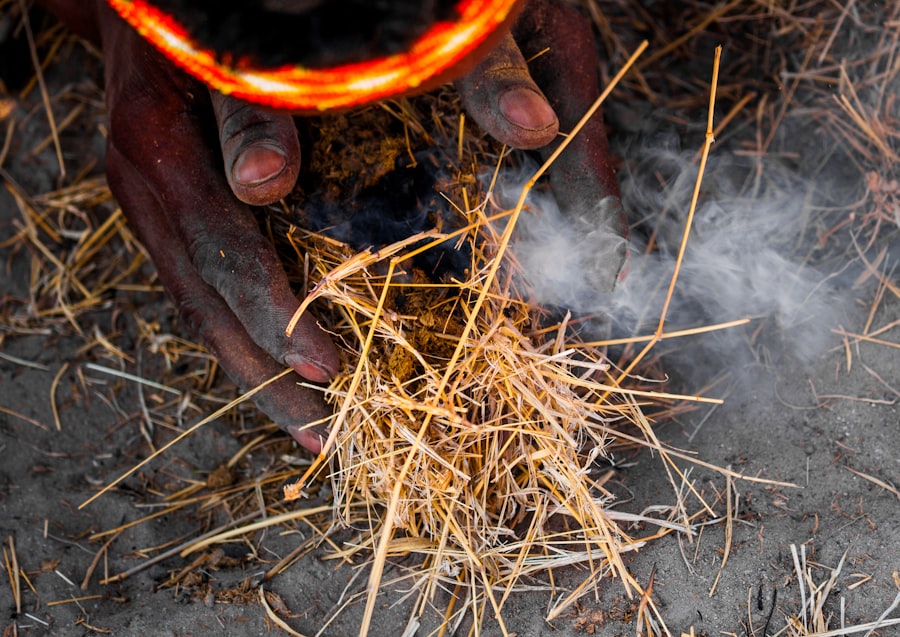
The theoretical discussion of reviving indigenous fire techniques is powerfully illustrated by a growing number of real-world examples. Across diverse landscapes and cultures, indigenous communities are demonstrating the efficacy and transformative potential of these ancient practices. These case studies offer tangible evidence of what is possible when traditional knowledge is honored and integrated into modern land management.
The Cultural Burning Movement in Australia
In Australia, the “cultural burning” movement is gaining significant momentum. Aboriginal communities are reviving their ancestral practices of controlled burning to manage country, reduce bushfire risk, and promote biodiversity. These burns are deeply connected to cultural protocols and traditional ecological knowledge.
Indigenous Rangers Leading the Way
Indigenous ranger programs have become instrumental in the revival of cultural burning. These rangers, often trained in both traditional knowledge and modern land management techniques, are leading controlled burns across vast areas of Aboriginal land. They are not only managing the land but also revitalizing cultural practices and creating employment opportunities within their communities.
Ecological and Cultural Outcomes
The ecological benefits of cultural burning in Australia are becoming increasingly evident. Studies are showing enhanced biodiversity, improved water quality, and reduced intensity of wildfires in areas managed with these practices. Furthermore, these burns are a vital part of cultural continuity, connecting communities to their ancestral lands and traditions.
Prescribed Burning in North America: Honoring Indigenous Roots
In North America, indigenous communities are increasingly advocating for and participating in prescribed burning programs, drawing on their ancestral knowledge. While often framed within modern prescribed burning frameworks, the underlying principles of controlled, ecological fire management resonate deeply with traditional practices.
First Nations Leading Restoration Efforts
Various First Nations communities in Canada and the United States are leading prescribed burning initiatives on their territories. These efforts are focused on restoring degraded ecosystems, managing for culturally significant plant species, and reducing wildfire risk. They are often collaborating with government agencies, but with a strong emphasis on indigenous leadership and knowledge.
Reclaiming Fire Knowledge and Practices
The revival of these practices allows indigenous peoples to reclaim their role as stewards of the land and to reassert their ancestral fire knowledge. It is a process of cultural resurgence, where the wisdom of the ancestors is being brought back to life to heal and sustain the land.
Indigenous Fire Management in the Amazon and Beyond
Beyond Australia and North America, indigenous communities in diverse ecosystems, including the Amazon rainforest, are recognizing the value of their traditional fire practices. These techniques, adapted to unique environments, offer solutions for sustainable land use and conservation.
Adapting Fire to Tropical Ecosystems
In tropical regions, fire management strategies might differ significantly from those in temperate zones. Indigenous communities in the Amazon, for instance, may use fire to clear small agricultural plots or to manage grasslands, always with an understanding of the specific ecological context and the potential for unintended consequences.
Promoting Sustainable Agriculture and Biodiversity
By integrating traditional fire practices with sustainable agricultural methods, indigenous communities can enhance food security while simultaneously protecting biodiversity and preventing deforestation. These integrated approaches offer valuable lessons for global efforts in conservation and sustainable development.
Ancient Indigenous fire practices have played a crucial role in land management and ecosystem health for thousands of years. These techniques, which include controlled burns, were essential for promoting biodiversity and preventing larger wildfires. For those interested in exploring the broader implications of historical knowledge and its impact on modern understanding, a fascinating article discusses the mysteries surrounding ancient maps and their significance in our comprehension of the past. You can read more about this intriguing topic in the article here.
The Future Illuminated: A Call for Integration and Respect
| Indigenous Group | Fire Practices | Impact |
|---|---|---|
| Australian Aboriginals | Firestick farming | Regeneration of plant species |
| Native American tribes | Prescribed burning | Improvement of hunting grounds |
| Maori people | Whakapiki ahi | Management of forest resources |
The revival of ancient indigenous fire techniques is not a nostalgic return to the past, but a forward-looking embrace of wisdom that offers profound solutions for the environmental challenges of today and tomorrow. It is a testament to the enduring resilience of indigenous knowledge and a powerful reminder that true sustainability often lies in looking to the wisdom of those who have lived in harmony with the earth for millennia.
A Paradigm Shift in Land Management
The widespread adoption of indigenous fire techniques necessitates a fundamental paradigm shift in how we approach land management. It requires moving away from a purely suppression-based model towards one that recognizes fire as an essential ecological process, to be managed with intention and respect.
Embracing Fire as a Tool, Not Just a Threat
This shift involves a conceptual change: viewing fire not solely as a threat to be eradicated, but as a powerful tool for ecological restoration and maintenance. This requires educating the public and land managers about the benefits of controlled burning and fostering a greater understanding of its role in healthy ecosystems.
Integrating Indigenous Knowledge with Scientific Research
The most effective path forward lies in the synergistic integration of indigenous knowledge and Western scientific research. This collaborative approach leverages the strengths of both, leading to more robust, culturally appropriate, and ecologically sound land management strategies.
Empowering Indigenous Stewardship for a Sustainable Future
Ultimately, the revival of indigenous fire techniques is about empowering indigenous communities to continue their role as stewards of their ancestral lands. Their deep understanding of their territories, honed over generations, is invaluable for achieving long-term ecological health and human well-being.
Recognizing and Upholding Indigenous Rights
Recognizing and upholding the rights of indigenous peoples to manage their lands according to their traditions is a moral and ecological imperative. This includes ensuring access to land, resources, and decision-making processes related to fire management.
Building a Collaborative and Respectful Future
By fostering genuine collaboration, building trust, and respecting the invaluable knowledge held within indigenous communities, we can illuminate a path towards a more sustainable and resilient future for all. The ancient sparks of wisdom, carefully rekindled, have the power to light the way forward.
The Wilderness Was Engineered
FAQs
What are ancient Indigenous fire practices?
Ancient Indigenous fire practices refer to the traditional methods of using fire for various purposes such as land management, hunting, cooking, and cultural ceremonies by Indigenous peoples around the world.
How did ancient Indigenous peoples use fire?
Ancient Indigenous peoples used fire for a variety of purposes, including clearing land for agriculture, promoting the growth of certain plant species, managing ecosystems, hunting, and as a tool for cultural and spiritual practices.
What are the benefits of ancient Indigenous fire practices?
Ancient Indigenous fire practices have been found to have numerous benefits, including promoting biodiversity, reducing the risk of catastrophic wildfires, improving soil fertility, and maintaining healthy ecosystems.
How do ancient Indigenous fire practices differ from modern fire management techniques?
Ancient Indigenous fire practices are often based on traditional ecological knowledge and are integrated into the cultural and spiritual practices of Indigenous communities. In contrast, modern fire management techniques often focus on suppression and prevention of wildfires.
What is the significance of ancient Indigenous fire practices today?
Ancient Indigenous fire practices are increasingly recognized for their potential to inform modern land management strategies and contribute to the conservation and restoration of ecosystems. Additionally, they are important for preserving Indigenous cultures and traditions.