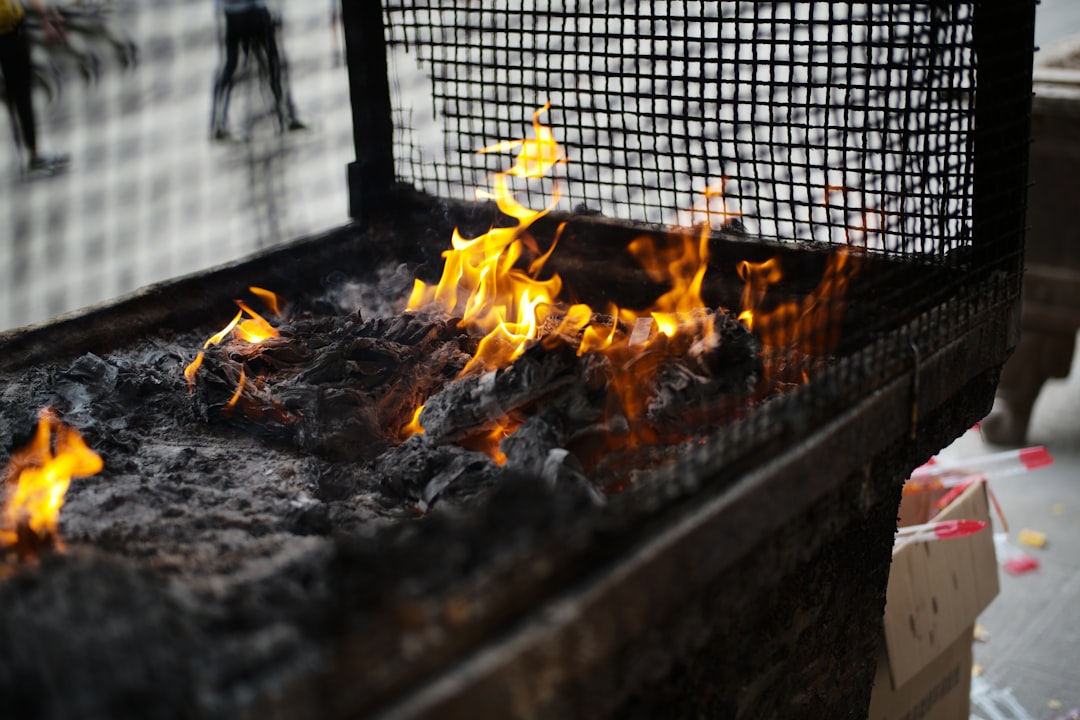
Reviving Forests: The Power of Cultural Burning
Forests, the lungs of our planet, are facing unprecedented challenges. From the relentless march of climate change, leading to more intense wildfires, to the accumulation of dense undergrowth and invasive species, many ecosystems are teetering on the brink of ecological collapse. Traditional suppression efforts, often characterized by aggressive water-based firefighting, while crucial for immediate life-saving, have inadvertently created a dangerous imbalance. This has led to the accumulation of vast amounts of fuel, turning what were once naturally resilient landscapes into tinderboxes. However, a growing movement is looking to ancient wisdom for modern solutions, and at its heart lies the practice of cultural burning. This practice, deeply embedded in the traditions of Indigenous communities worldwide, offers a powerful, holistic approach to forest revival, transforming landscapes and fostering ecological health.
Cultural burning, also known as Indigenous fire management or traditional ecological knowledge (TEK) based fire practices, is far more than simply setting controlled fires. It represents a profound and intricate relationship between humans and the natural world, cultivated over millennia. It is a practice rooted in a deep understanding of ecological processes, seasonal cycles, and the interconnectedness of all living things. For Indigenous peoples, fire is not an enemy to be vanquished, but a vital tool for shaping and regenerating their ancestral lands. This understanding has been passed down through generations, not through academic texts, but through direct observation, storytelling, ceremony, and a profound spiritual connection to the land.
The Intergenerational Transmission of Knowledge
The knowledge of how, when, and where to burn is not static. It is a dynamic and evolving understanding, constantly being refined and adapted to changing environmental conditions. This knowledge is transferred from elders to younger generations through active participation and mentorship. Young individuals learn to read the landscape, understanding the nuances of fuel types, wind patterns, soil moisture, and the specific needs of different plant and animal communities. This hands-on education is crucial, as it imbues them with not only the technical skills but also the ethical responsibility that comes with wielding such a powerful force. Ceremonies and storytelling play a vital role in this transmission, weaving together ecological principles with cultural values and spiritual beliefs, ensuring that the practice is understood in its full context.
The Spiritual and Cultural Significance of Fire
For many Indigenous cultures, fire is a sacred element, imbued with spiritual significance. It is seen as a purifier, a creator, and a connector. Cultural burns are often accompanied by ceremonies that honor the land, express gratitude for its bounty, and seek balance within the ecosystem. These ceremonies are not mere symbolic gestures; they represent a deep respect for the natural world and acknowledge the role of humans as stewards rather than dominators. The act of burning is a form of communication with the land, a way of listening to its needs and responding in a manner that promotes its well-being. This spiritual dimension is critical, as it fosters a sense of responsibility and care that transcends purely utilitarian considerations.
Cultural burning plays a significant role in forest restoration, as it utilizes traditional practices to manage landscapes and promote biodiversity. For an intriguing exploration of ancient innovations that reflect humanity’s long-standing relationship with nature, you can read about various remarkable inventions in the article “Unbelievable Ancient Inventions: From Flying Machines to Time Travel Devices.” This piece highlights how ancient cultures have influenced modern practices, including those related to environmental stewardship. To learn more, visit the article here: Unbelievable Ancient Inventions.
The Ecological Benefits of Cultural Burning
The impact of cultural burning on forest ecosystems is multifaceted and profoundly beneficial. Unlike the destructive wildfires that have become all too common, cultural burns are intentionally applied, targeted, and managed to achieve specific ecological outcomes. They are designed to mimic natural fire regimes that existed before widespread suppression, promoting biodiversity, reducing the risk of catastrophic wildfires, and restoring the health and resilience of the landscape.
Fuel Reduction and Wildfire Mitigation
One of the most immediate and critical benefits of cultural burning is its role in wildfire mitigation. Decades of fire suppression have led to an unnatural accumulation of dense undergrowth, dead vegetation, and fallen trees. This excess fuel creates a ladder effect, allowing fires to easily climb into the forest canopy, leading to high-intensity, fast-moving infernos that are incredibly difficult to control and devastating in their impact. Cultural burning, by carefully and deliberately removing this excess fuel from the forest floor, significantly reduces the intensity and spread of wildfires. These are not intended to be hot, devastating crown fires, but rather low-intensity ground fires that clear away accumulated debris, preventing the buildup of dangerous fuel loads. This proactive approach transforms landscapes from high-risk areas into more resilient ones.
Prescribed Burns vs. Cultural Burns
While the term “prescribed burn” is often used in modern forestry, it is important to distinguish it from cultural burning. Prescribed burns are typically focused on achieving specific ecological goals, such as fuel reduction or habitat restoration, and are conducted by trained professionals. Cultural burns, while sharing many of these goals, are deeply intertwined with Indigenous cultural practices and knowledge. They are often carried out by Indigenous communities themselves, informed by generations of accumulated wisdom and guided by spiritual and cultural imperatives. This distinction is crucial, as it recognizes the unique authority and knowledge held by Indigenous peoples in managing their ancestral lands.
Enhancing Biodiversity and Habitat
Cultural burning plays a vital role in enhancing biodiversity and creating healthy habitats for a wide range of plant and animal species. Many native plant species are adapted to fire and depend on it for their regeneration. For instance, certain pine cones only open and release their seeds after being exposed to heat. Fire also clears out competing vegetation, allowing sunlight to reach the forest floor, which in turn promotes the growth of native grasses, wildflowers, and shrubs that provide food and shelter for wildlife. By carefully managing the timing and intensity of burns, Indigenous communities can create a mosaic of habitats, supporting a greater diversity of species. This contrasts sharply with fire suppression, which can lead to a homogenization of landscapes and a decline in biodiversity.
Promoting Native Plant Regeneration
Many native plant communities have evolved with fire as a crucial element of their life cycle. For example, the seeds of some wildflowers require the heat and smoke from a fire to germinate. Certain tree species, like lodgepole pine, have serotinous cones that are sealed with resin and will only release their seeds when exposed to high temperatures. Cultural burning mimics these natural fire cycles, stimulating the germination of these fire-dependent species and ensuring their continued presence in the ecosystem. This also helps to control invasive species that are often less fire-adapted, giving native plants a competitive advantage.
Creating Habitat for Wildlife
The removal of dense undergrowth and the creation of open spaces through cultural burning directly benefit many wildlife species. For herbivores, the clearing of brush opens up feeding grounds and improves visibility, allowing them to better detect predators. Birds often benefit from the increased availability of seeds and insects that thrive in post-burn environments. Furthermore, the mosaic of burned and unburned areas created by cultural burning provides diverse habitats, catering to the specific needs of different species throughout their life cycles. This intricate management of the landscape supports a healthier and more robust wildlife population.
Soil Health and Nutrient Cycling
Fire, when applied correctly, is a powerful tool for improving soil health and facilitating nutrient cycling. The burning of organic matter releases essential nutrients back into the soil, making them available for plant uptake. This process can help to replenish depleted soils and promote vigorous plant growth. Furthermore, low-intensity fires can help to break down complex organic compounds, improving soil structure and water infiltration. The ash left behind by cultural burns acts as a natural fertilizer, contributing to the overall health and fertility of the ecosystem.
Releasing Nutrients and Fertilizing the Soil
When vegetation burns, the organic matter breaks down, releasing vital nutrients like nitrogen, phosphorus, and potassium back into the soil. These nutrients are then readily available for uptake by plants, promoting healthy growth and reproduction. This is a natural process that has been occurring in many ecosystems for millennia, and cultural burning reintroduces this beneficial nutrient cycling, which can be hindered by long periods of fire suppression.
Improving Soil Structure and Water Retention
Low-intensity cultural burns can also have a positive impact on soil structure. The heat can help to break down compacted soils, improving aeration and water infiltration. The removal of dense ground cover can also reduce water runoff, allowing more water to penetrate the soil and replenish groundwater reserves. This improved soil health contributes to the overall resilience of the ecosystem, making it more resistant to drought and other environmental stresses.
The Challenges and Nuances of Implementing Cultural Burning
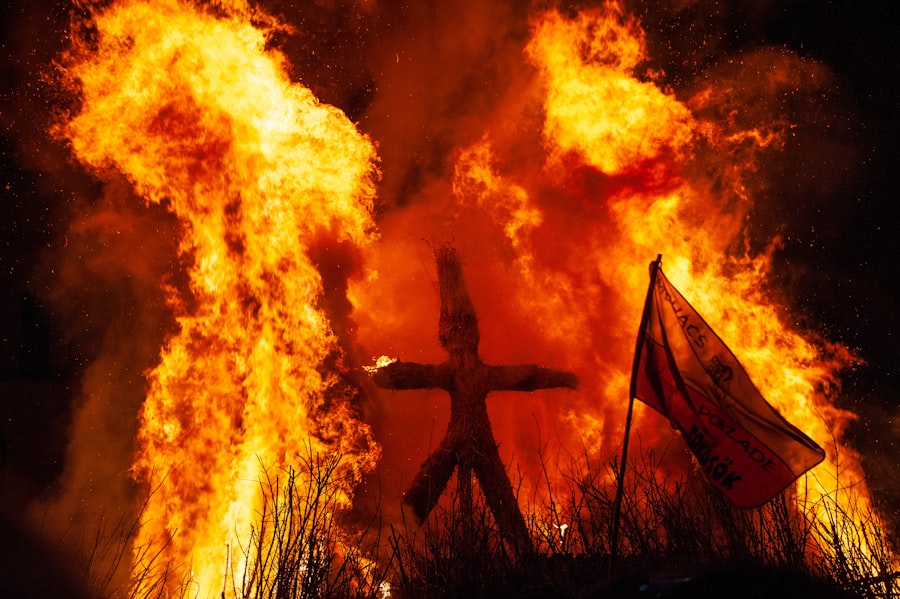
While the benefits of cultural burning are clear, its widespread implementation is not without its challenges. These often stem from a lack of understanding, historical mistrust, and the need for careful integration with modern land management practices. However, with collaboration and a commitment to respecting Indigenous sovereignty, these challenges can be overcome.
Overcoming Historical Mistrust and Misconceptions
For many Indigenous communities, the history of fire management has been one of suppression and criminalization. Indigenous peoples were often punished for using fire, and their traditional practices were outlawed. This has created a legacy of mistrust and a disconnect between Indigenous knowledge and Western land management agencies. Rebuilding trust requires open communication, genuine partnership, and a recognition of the value and validity of Indigenous fire knowledge. It involves actively working to dismantle systemic barriers that have historically marginalized Indigenous voices and practices.
The Role of Indigenous Sovereignty
Recognizing and upholding Indigenous sovereignty is paramount to the successful revival of cultural burning. This means empowering Indigenous communities to lead and manage their own fire practices on their ancestral lands, with the necessary resources and support. It involves a shift in power dynamics, moving away from top-down approaches and towards collaborative models where Indigenous knowledge and authority are respected and prioritized. True partnership means that Indigenous communities are not simply consulted, but are the primary decision-makers in their land management.
Navigating Regulatory and Bureaucratic Hurdles
Modern land management often involves complex regulatory frameworks and bureaucratic processes that can be challenging for Indigenous communities to navigate. Obtaining permits, adhering to safety regulations, and securing funding can be significant obstacles. Streamlining these processes and creating more flexible and culturally appropriate pathways for Indigenous-led fire initiatives are essential for their success. This requires a willingness from government agencies to adapt their procedures and to work in genuine partnership with Indigenous organizations.
Adapting Modern Fire Management Practices
There is a growing recognition within the Western fire management community of the value of Indigenous fire practices. This has led to efforts to integrate TEK into modern approaches. However, this integration must be done respectfully, ensuring that Indigenous knowledge is not appropriated or diluted. It involves creating spaces for Indigenous knowledge holders to share their expertise and for their practices to be genuinely incorporated into decision-making processes, rather than simply being an add-on.
Securing Funding and Resources
Implementing cultural burning programs requires dedicated funding and resources for training, equipment, and personnel. Many Indigenous communities have historically lacked access to these resources, hindering their ability to practice and promote cultural burning. Securing sustainable funding streams and ensuring equitable distribution of resources are crucial for the long-term success of these initiatives. This includes supporting Indigenous-led organizations and enabling them to develop their own capacity and infrastructure.
The Future of Forest Revival: A Collaborative Approach
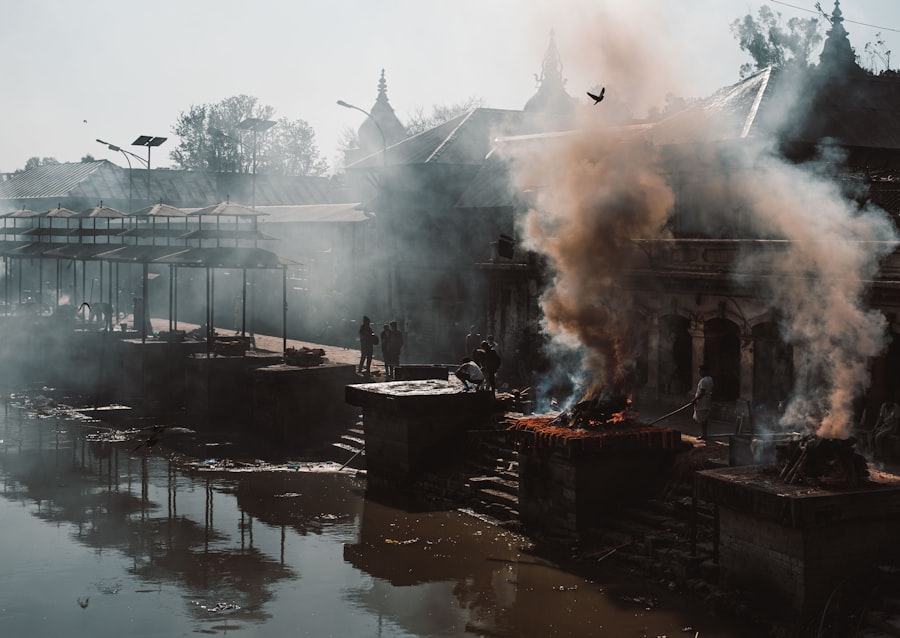
The revival of cultural burning is not just about returning to old ways; it is about forging a new path forward, one that recognizes the profound wisdom of Indigenous peoples and integrates it with modern scientific understanding. This collaborative approach holds immense promise for the future of our forests and the health of our planet.
Bridging Indigenous Knowledge and Western Science
The most effective path forward involves a genuine synergy between Indigenous ecological knowledge and Western scientific research. This means creating opportunities for dialogue, shared learning, and co-management. Scientists can learn from the nuanced observations and long-term perspectives of Indigenous fire practitioners, while Indigenous communities can benefit from scientific tools and data that can complement their knowledge. This interdisciplinary approach can lead to more effective and holistic land management strategies.
Creating Partnerships for Knowledge Exchange
Establishing formal partnerships between Indigenous communities, research institutions, and government agencies is crucial for fostering knowledge exchange. These partnerships can facilitate joint research projects, training programs, and on-the-ground demonstration sites. The goal is to create a mutual learning environment where both Indigenous and Western knowledge systems are valued and contribute to shared goals.
Empowering Indigenous Communities as Land Stewards
Ultimately, the success of cultural burning lies in empowering Indigenous communities to be the primary stewards of their ancestral lands. This means providing them with the autonomy, resources, and support they need to practice their traditions and manage their territories according to their own values and knowledge systems. When Indigenous communities are empowered, not only do their ancestral lands benefit, but so do the surrounding ecosystems and the broader human community.
The Importance of Indigenous-Led Initiatives
Indigenous-led initiatives are at the forefront of reviving cultural burning. These initiatives, born from a deep connection to country and a commitment to intergenerational well-being, are demonstrating the efficacy and transformative power of this ancient practice. Supporting and amplifying these efforts is essential for their expansion and for ensuring that the benefits of cultural burning are realized across landscapes.
Cultural burning has emerged as a vital practice in forest restoration, emphasizing the importance of traditional ecological knowledge in managing landscapes. This approach not only helps in reducing wildfire risks but also promotes biodiversity and the regeneration of native species. For a deeper understanding of the implications of land management practices, you might find the article on government property seizures during crises insightful, as it touches on the broader themes of land rights and stewardship. You can read more about it here.
Conclusion: A Flame of Hope for Forest Resilience
| Metrics | Cultural Burning | Forest Restoration |
|---|---|---|
| Carbon Sequestration | Enhances soil fertility and promotes plant growth | Reforestation efforts help sequester carbon from the atmosphere |
| Biodiversity | Promotes diverse plant and animal species | Restores habitat for various wildlife species |
| Fire Risk Reduction | Reduces fuel load and minimizes the risk of catastrophic wildfires | Clears out invasive species and reduces fire risk |
| Traditional Knowledge | Preserves indigenous cultural practices and knowledge | Incorporates traditional ecological knowledge into restoration efforts |
Cultural burning represents a powerful and time-tested approach to forest revival, offering a beacon of hope in an era of escalating environmental challenges. By embracing this ancient wisdom, we can move beyond the limitations of traditional fire suppression and cultivate landscapes that are not only more resilient to wildfires but also richer in biodiversity and ecological health. The revival of cultural burning is a testament to the enduring strength of Indigenous knowledge and a vital step towards a more sustainable and harmonious relationship with the natural world. It is a flame of hope, illuminating a path towards a future where forests can thrive and regenerate, for the benefit of all.

The Wilderness Was Engineered
FAQs
What is cultural burning?
Cultural burning is a traditional practice of land management by Indigenous peoples that involves controlled burning of vegetation for various purposes such as promoting biodiversity, reducing fuel load, and maintaining cultural landscapes.
How does cultural burning contribute to forest restoration?
Cultural burning plays a significant role in forest restoration by mimicking natural fire regimes, which helps to rejuvenate ecosystems, promote the growth of native plants, and reduce the risk of catastrophic wildfires.
What are the benefits of cultural burning for forest ecosystems?
Cultural burning helps to maintain healthy forest ecosystems by promoting the growth of fire-adapted plant species, reducing the spread of invasive species, and creating diverse habitats for wildlife.
How does cultural burning differ from prescribed burning?
Cultural burning is rooted in Indigenous knowledge and practices, while prescribed burning is a modern land management technique implemented by government agencies and land managers to achieve specific ecological or land management objectives.
What are some challenges and considerations associated with implementing cultural burning for forest restoration?
Challenges include navigating legal and regulatory frameworks, addressing concerns about air quality and public safety, and ensuring the inclusion of Indigenous knowledge and practices in land management policies and practices.