The air, thick with the scent of eucalyptus and the distant murmur of the bush, carries a quiet wisdom, a narrative etched into the landscape by millennia of human interaction. For Indigenous peoples across Australia, fire has never been a destructive force to be feared and extinguished, but a partner, a tool, a vital element in the intricate dance of ecological balance. However, centuries of colonial suppression of traditional practices, coupled with a modern “fire exclusion” mentality, have led to a dangerous accumulation of fuel, leaving many landscapes vulnerable to catastrophic wildfires. The tide, however, is beginning to turn. A growing recognition of the profound knowledge held by Indigenous communities is sparking a movement to revive Indigenous fire management, a practice that promises not only ecological restoration but also cultural revitalization.
For tens of thousands of years, Indigenous Australians have expertly wielded fire as a tool to shape and sustain their country. This was not a practice of wild, uncontrolled burning, but a sophisticated and nuanced approach deeply interwoven with cultural obligations and ecological understanding. These ancestral flames, far from being destructive, were integral to maintaining biodiversity, promoting healthy plant growth, and creating a mosaic of landscapes that supported both human and animal life.
The Art of the “Cool Burn”
Central to Indigenous fire management is the concept of the “cool burn.” This involved lighting small, controlled fires during specific times of the year, often in the cooler months when fuels were less volatile and moisture levels were higher. The aim was not to incinerate the landscape, but to gently clear out undergrowth, remove dead organic matter, and stimulate the regeneration of native flora.
Timing is Everything
The timing of these burns was dictated by a deep understanding of seasonal cycles, weather patterns, and the specific needs of different plant and animal species. Elders could predict with remarkable accuracy when and where a burn would be most beneficial, considering factors like rainfall, wind direction, and the reproductive stages of native plants. They understood that certain plants relied on fire for germination, while others needed the removal of competing vegetation to thrive.
Targeted Application
Indigenous fire management was also highly targeted. Burns were not applied indiscriminately across vast tracts of land. Instead, specific areas were selected for burning based on their ecological condition, the presence of certain resources, or the need to create specific habitat types. This created a diverse mosaic of vegetation, with areas of recently burned land interspersed with older growth, providing a variety of resources for wildlife.
Cultural and Spiritual Significance
The practice of burning was more than just an ecological tool; it was deeply embedded in Indigenous culture and spirituality. Fire was seen as a living entity, a source of life and renewal. The act of burning was often accompanied by ceremony and song, reinforcing the connection between people, land, and the spiritual realm.
Storytelling Through Landscape
The patterns of burn scars on the land became a visual narrative, a testament to the generations of custodians who had cared for country. These patterns communicated stories of resource management, seasonal movements, and the deep understanding of the land’s rhythms.
Maintaining a Sacred Relationship
The responsibility for managing fire was a sacred duty, passed down through generations. It was a way of maintaining a reciprocal relationship with the land, ensuring its health and abundance for future generations. The suppression of these practices by colonial powers was not just an ecological loss, but a profound cultural severance.
Traditional Indigenous fire management practices have been gaining recognition for their ecological benefits and effectiveness in preventing wildfires. These time-honored techniques, which include controlled burns and strategic land management, have been utilized for centuries to maintain healthy ecosystems. For a deeper understanding of how these ancient practices are being integrated into modern fire management strategies, you can read a related article titled “Uncovering Ancient Tech” available at this link.
The Colonial Impact: Disruption and Displacement
The arrival of Europeans in Australia brought with it a fundamentally different relationship with fire. Colonial policies, driven by a desire to “tame” the wilderness and establish agricultural lands, viewed Indigenous fire practices as primitive and destructive. This led to the systematic suppression of traditional burning regimes, with often devastating consequences for the land.
The “Fire Exclusion” Mentality
European settlers and land managers perceived fire as an enemy to be eradicated. Efforts were made to extinguish all fires, leading to the accumulation of vast amounts of dry fuel in many ecosystems. This created a tinderbox effect, making the land highly susceptible to large, uncontrollable, and intensely destructive wildfires.
Misunderstanding and Fear
This “fire exclusion” mentality stemmed from a fundamental misunderstanding of Indigenous ecological knowledge. Instead of recognizing the beneficial role of low-intensity, Indigenous-managed fires, the colonial mindset saw fire solely as a destructive force. This fear-driven approach neglected the long-term ecological consequences of fuel build-up.
Loss of Traditional Knowledge and Governance
The displacement of Indigenous peoples from their ancestral lands and the outlawing of their cultural practices led to a significant loss of traditional knowledge regarding fire management. The intricate understanding of seasonal burns, plant responses, and landscape maintenance, honed over millennia, began to fade as younger generations were separated from their elders and their country.
Erosion of Cultural Authority
The imposition of Western land management practices undermined the authority of Indigenous knowledge holders. Their traditional role as custodians of the land, including the stewardship of fire, was dismantled, leading to a disempowerment that continues to resonate today.
The Unintended Consequences: Catastrophic Bushfires
The legacy of the fire exclusion era is evident in the increasing frequency and intensity of devastating bushfires that have plagued Australia in recent decades. These infernos, fueled by accumulated dry vegetation, are not a natural occurrence but a direct consequence of the disruption of Indigenous fire regimes.
Ecological Devastation
These large-scale, high-intensity fires cause widespread ecological damage. They can decimate native plant and animal populations, destroy habitats, and lead to soil erosion. The long-term recovery of these landscapes can be severely hampered, and in some cases, irreversible damage can occur.
Human and Economic Costs
Beyond the ecological toll, these catastrophic fires inflict immense human and economic costs, destroying homes, livelihoods, and communities, and placing enormous strain on emergency services.
The Modern Awakening: Recognizing Indigenous Expertise
Fortunately, a paradigm shift is underway. A growing awareness, fueled by the devastating impacts of recent bushfires and a deeper understanding of Indigenous ecological knowledge, is leading to a renewed appreciation for traditional fire management practices. This awakening is not merely academic; it is a practical, on-the-ground movement to integrate Indigenous knowledge back into contemporary land management.
Acknowledging the Wisdom of Elders
There is a burgeoning recognition that Indigenous elders possess invaluable knowledge about their country that has been passed down through countless generations. This knowledge is not just about the practicalities of burning but encompasses a holistic understanding of the ecosystem and its interconnectedness.
Bridging the Knowledge Gap
The collaboration between Indigenous knowledge holders and Western scientists is proving to be a powerful force. This cross-pollination of ideas allows for the validation and application of traditional practices within modern ecological frameworks, leading to more effective and sustainable land management strategies.
The Power of Collaborative Management
The most effective approaches to reviving Indigenous fire management involve genuine partnerships and collaboration. This means Indigenous communities are not just consulted but are empowered to lead and implement their traditional practices, working alongside government agencies and land managers.
Empowering Traditional Owners
The revival of Indigenous fire management is intrinsically linked to the broader movement of empowering traditional owners to have agency over their Country. This involves recognizing their inherent rights and responsibilities as custodians of the land.
Indigenous Ranger Programs: Leading the Charge
Indigenous ranger programs have emerged as a vital force in the revival of traditional fire management. These programs, staffed by Indigenous people deeply connected to their country, are actively implementing culturally appropriate fire practices.
On-the-Ground Implementation
These rangers are not just talking about the past; they are actively undertaking controlled burns, monitoring ecological health, and educating younger generations. They are bringing ancient knowledge into the modern landscape, demonstrating its efficacy in practice.
The Practice of Revival: Reintroducing Traditional Burning
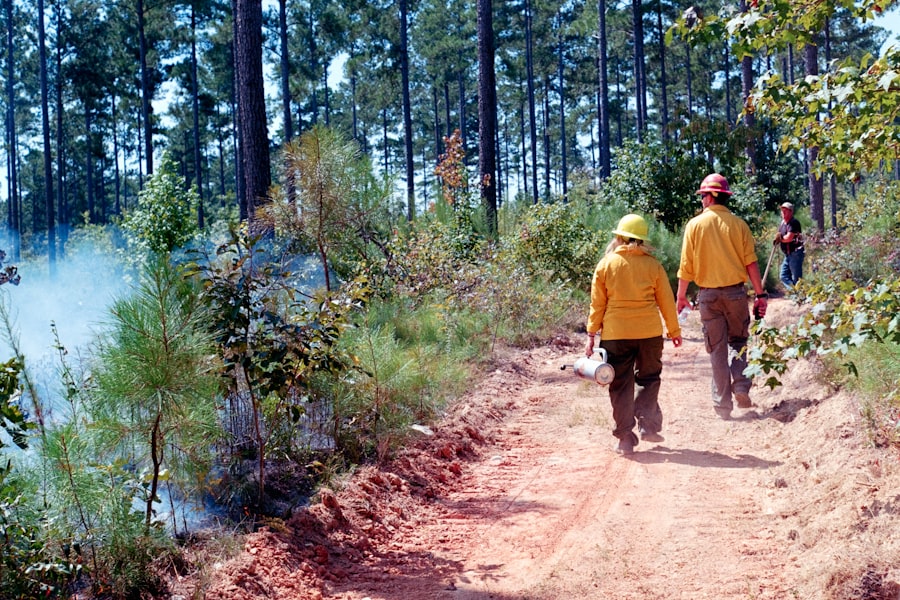
The revival of Indigenous fire management is not simply a theoretical concept; it is a hands-on process of reintroducing ancient practices to a modern landscape. This involves careful planning, meticulous execution, and a deep respect for the land and its inherent rhythms.
Cultural Burning: More Than Just Fire
Cultural burning, as it is often termed, is a holistic practice that encompasses more than just the application of fire. It is deeply rooted in cultural protocols, spiritual connections, and the intergenerational transmission of knowledge.
The Intent and Purpose
The intent behind cultural burning is to restore ecological health, maintain biodiversity, and fulfill cultural obligations to country. It is a way of communicating with and caring for the land, ensuring its continued well-being.
Respect for Country
The act of cultural burning is performed with immense respect for the land. It is undertaken with mindfulness of the spiritual significance of the landscape and the responsibility to protect it.
Partnering for Progress: Collaboration in Action
Successful revival efforts are characterized by strong partnerships between Indigenous communities, government agencies, research institutions, and landholders. These collaborations foster mutual learning and ensure that traditional knowledge is integrated effectively with contemporary scientific approaches.
Knowledge Sharing and Capacity Building
These partnerships facilitate the sharing of knowledge between Indigenous elders and younger generations, as well as between Indigenous and non-Indigenous practitioners. This builds capacity and ensures the longevity of these practices.
Monitoring and Evaluation: Learning and Adapting
As traditional burning practices are reintroduced, ongoing monitoring and evaluation are crucial. This allows for the assessment of ecological outcomes, the refinement of techniques, and the continuous learning and adaptation of these practices to changing environmental conditions.
Documenting Successes and Challenges
Documenting the successes and challenges of these revival efforts provides valuable data for future endeavors and helps to build a stronger evidence base for the efficacy of Indigenous fire management.
Traditional Indigenous fire management practices have long been recognized for their ecological benefits, promoting biodiversity and reducing the risk of catastrophic wildfires. These methods, rooted in deep cultural knowledge and a profound understanding of local ecosystems, have been increasingly integrated into contemporary land management strategies. For those interested in exploring the intersection of traditional practices and modern legal frameworks, a related article discusses the complexities of property rights in the context of lunar mining, highlighting how traditional knowledge can inform resource management even beyond Earth. You can read more about this intriguing connection in the article found here.
The Future of Fire: A Symphony of Old and New
| Region | Indigenous Group | Fire Management Technique | Effectiveness |
|---|---|---|---|
| Australia | Aboriginal Australians | Cool burning | Reduces fuel load and prevents large wildfires |
| North America | First Nations | Prescribed burning | Restores ecosystem health and biodiversity |
| South America | Amazonian Indigenous Peoples | Firestick farming | Enhances soil fertility and promotes plant growth |
The revival of Indigenous fire management represents a profound opportunity to heal the land, revitalize culture, and build a more resilient future. By embracing the wisdom of ancestral practices and integrating them with contemporary knowledge, Australia can move towards a new era of land stewardship, one where fire is once again understood as a partner, a custodian, and a vital force for ecological and cultural well-being.
Towards a Fire-Smart Future
The future of fire management in Australia hinges on a shift away from the old paradigms of exclusion and toward a more integrated, informed, and respectful approach. This means recognizing the immense value of Indigenous knowledge and empowering Indigenous communities to lead the way.
Reimagining Land Management
This revival offers a chance to reimagine land management in Australia, moving towards a model that is deeply informed by ecological principles and cultural values, rather than solely by economic imperatives.
The Long-Term Vision: Resilience and Regeneration
The ultimate goal of reviving Indigenous fire management is to foster long-term ecological resilience and regeneration. This means creating landscapes that are better able to withstand the impacts of climate change, recover from disturbances, and continue to provide essential ecosystem services.
A Living Legacy
By embracing and supporting the revival of Indigenous fire management, Australia is not just addressing a pressing ecological challenge; it is honoring a living legacy, ensuring that the wisdom of the land’s first custodians continues to shape its future for generations to come. The smoke from carefully managed fires, carrying the scent of renewal, will once again weave a narrative of balance and respect across the Australian landscape.
The Wilderness Was Engineered
FAQs
What is traditional Indigenous fire management?
Traditional Indigenous fire management refers to the practice of using controlled burning techniques to manage and maintain the health of ecosystems. This practice has been used by Indigenous communities for thousands of years to reduce fuel loads, promote biodiversity, and protect cultural and natural resources.
How does traditional Indigenous fire management differ from modern fire management techniques?
Traditional Indigenous fire management focuses on using low-intensity, controlled burns to mimic natural fire regimes and promote ecological health. In contrast, modern fire management often involves suppressing all fires, which can lead to an accumulation of fuel and more intense, destructive wildfires.
What are the benefits of traditional Indigenous fire management?
Traditional Indigenous fire management has numerous benefits, including reducing the risk of catastrophic wildfires, promoting the growth of fire-adapted plant species, improving wildlife habitat, and preserving cultural landscapes. Additionally, it can help mitigate the impacts of climate change by reducing carbon emissions from large, intense wildfires.
How can traditional Indigenous fire management be integrated into modern land management practices?
Integrating traditional Indigenous fire management into modern land management practices involves collaborating with Indigenous communities to incorporate their knowledge and expertise into wildfire planning and management. This may include implementing controlled burns, developing partnerships, and supporting Indigenous-led fire management initiatives.
What are some examples of successful traditional Indigenous fire management programs?
There are numerous examples of successful traditional Indigenous fire management programs around the world, including the use of cultural burning practices by Indigenous communities in Australia, the United States, and Canada. These programs have demonstrated the effectiveness of traditional knowledge in reducing wildfire risk and promoting ecological resilience.