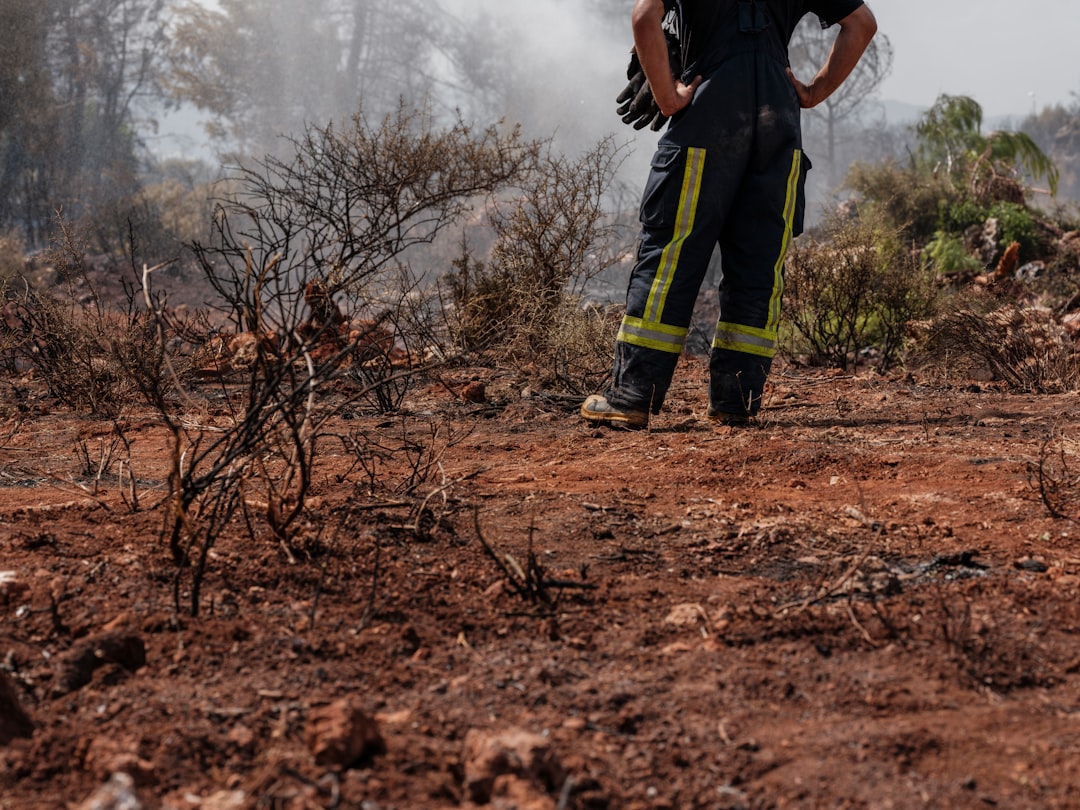
The wisdom of the ancestors, etched into the very landscape, is being rediscovered. For millennia, Indigenous communities across the globe have lived in a dynamic relationship with fire, not as an enemy to be conquered, but as a vital force to be understood and managed. Today, as the world grapples with increasingly destructive wildfires, a growing recognition is emerging: the ancient practices of Indigenous fire management offer a powerful and sustainable path forward. This is the story of reviving this invaluable knowledge.
For countless generations, Indigenous peoples were not merely passive inhabitants of their territories; they were active stewards. Fire was an integral tool, woven into the fabric of their daily lives and ecological understanding. This wasn’t a matter of uncontrolled blazes, but of deliberate, skillful application of flames to shape the environment for both human and ecological benefit.
A Tool for Shaping Landscapes
The most profound impact of Indigenous fire management was its role in landscape shaping. Rather than simply reacting to natural fire regimes, Indigenous communities actively ignited controlled fires to achieve specific outcomes. These burns were strategically timed and applied, often during the drier seasons or in areas with accumulated fuel, to prevent larger, catastrophic fires from taking hold. The landscape was intentionally managed to maintain a mosaic of vegetation types, which in turn supported diverse wildlife populations.
Fuel Management and Wildfire Prevention
One of the primary objectives of traditional burning was to reduce the buildup of flammable vegetation – the undergrowth, dead leaves, and fallen branches that fuel intense wildfires. By regularly burning off this fuel load in a controlled manner, Indigenous communities effectively created natural firebreaks and reduced the intensity and spread of naturally occurring fires. This proactive approach prevented small ignitions from escalating into uncontrollable infernos. It was a form of ecological sanitation, ensuring the health and resilience of the entire ecosystem.
Enhancing Biodiversity and Ecosystem Health
Controlled burns were not solely about fuel reduction; they were also instrumental in fostering biodiversity. Many ecosystems are fire-dependent, meaning certain plant species require fire to germinate, reproduce, or thrive. Indigenous burning practices promoted the growth of these fire-adapted plants, which in turn provided food and habitat for a wide array of animals. The mosaic of habitats created by these burns, with varying ages of vegetation, supported a richer and more diverse array of flora and fauna. For example, prairies were maintained through regular burning, preventing them from being encroached upon by woody species and supporting a rich ecosystem of grasses, forbs, and grazing animals.
Cultural and Spiritual Significance
Fire held a deep cultural and spiritual significance for Indigenous peoples. It was more than just a physical tool; it was a spiritual entity, a source of life, and a connector to the Ancestors. The act of burning was often accompanied by ceremonies and rituals, reflecting a profound respect for the power of fire and its role in the cyclical nature of life.
Fire as a Sacred Element
In many Indigenous cultures, fire was considered sacred, a gift from the Creator or a manifestation of ancestral spirits. The ability to control and harness fire was seen as a profound responsibility, requiring deep understanding and respect. Rituals and storytelling often centered around fire, imparting knowledge about its properties, its cycles, and its relationship with the natural world. These narratives served as a crucial mechanism for transmitting this intricate knowledge across generations.
The Role of Elders and Knowledge Keepers
The transmission of fire management knowledge was largely the domain of elders and designated knowledge keepers within communities. These individuals possessed a lifetime of observation, experience, and understanding of local fire regimes, plant physiology, and ecological interactions. They were the custodians of this wisdom, guiding younger generations through apprenticeships and hands-on learning. Their teachings were not simply technical instructions but encompassed the ethical and spiritual dimensions of fire management, emphasizing balance and reciprocity with the environment.
Indigenous fire management practices have long been recognized for their role in maintaining healthy ecosystems and reducing the risk of catastrophic wildfires. A related article that explores the impact of environmental changes on coastal areas is available at this link: Coastal Erosion: The Threat to Shoreline Stability. This article discusses how climate change and human activities contribute to coastal erosion, highlighting the importance of sustainable practices, including those rooted in Indigenous knowledge, to protect vulnerable shorelines.
Modern Challenges and the Loss of Traditional Knowledge
The arrival of European colonizers and the subsequent imposition of Western land management practices led to a dramatic disruption of Indigenous fire management traditions. The suppression of Indigenous peoples and their land rights, coupled with a widespread fear and misunderstanding of fire, resulted in the widespread abandonment of these age-old practices.
Colonization and the Erasure of Indigenous Practices
The colonial era was characterized by the forceful displacement of Indigenous communities from their ancestral lands, the criminalization of their cultural practices, and the imposition of foreign land management ideologies. Fire, in particular, was demonized and systematically suppressed. The concept of “wildfire” as an inherently destructive force to be eradicated became the dominant paradigm. This led to policies and practices that actively prevented Indigenous peoples from continuing their traditional burning.
The “Smokey Bear” Era and Fire Suppression
The mid-20th century saw the widespread adoption of fire suppression as the primary strategy for wildfire management in North America, epitomized by campaigns like “Smokey Bear.” While well-intentioned, this approach had unintended and detrimental consequences. By preventing all fires, regardless of their natural role, it led to the accumulation of vast amounts of fuel on the forest floor. This created a tinderbox effect, making any future fires that did ignite far more intense and destructive.
Disruption of Indigenous Governance and Land Access
The loss of land and the erosion of Indigenous governance structures directly impacted their ability to practice traditional fire management. Without access to their traditional territories and without the authority to make land management decisions, their knowledge and practices were rendered obsolete. This disconnection from their lands severed the intimate relationship that had sustained healthy ecosystems for millennia.
The Rise of Catastrophic Wildfires
The legacy of aggressive fire suppression is now starkly evident in the increasing frequency and intensity of wildfires across the globe. Landscapes that were once managed with a mosaic of burning are now dominated by dense, overgrown vegetation, making them highly susceptible to large, uncontrollable fires. These fires pose significant threats to human lives, property, and natural ecosystems.
Fuel Accumulation and Increased Fire Intensity
The direct consequence of decades of fire suppression is the unprecedented accumulation of fuel in many ecosystems. This unnaturally dense vegetation, coupled with drier conditions exacerbated by climate change, creates the perfect storm for extreme fire behavior. When ignition does occur, these fires burn hotter, spread faster, and are far more difficult to control, leading to widespread destruction.
Impact on Ecosystems and Biodiversity
The absence of low-intensity, high-frequency fires has also had a detrimental impact on fire-dependent ecosystems. Many plant species have evolved to rely on fire for germination and regeneration, and their absence has led to declines in their populations. The disruption of natural fire regimes has also altered habitat structures, negatively impacting wildlife populations that depend on the diverse vegetation patterns created by traditional burning.
The Re-emergence of Indigenous Fire Management
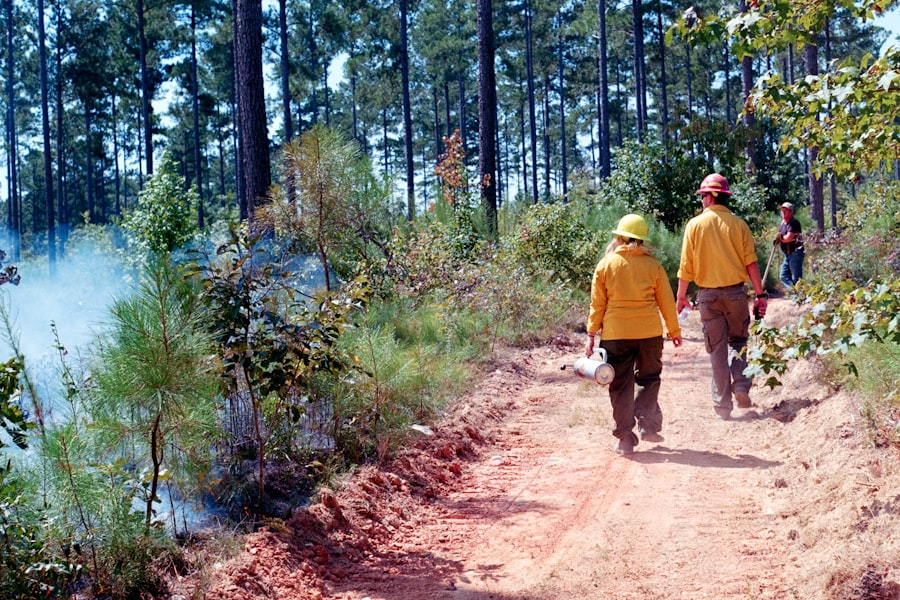
Fortunately, a growing movement is actively working to revive and integrate Indigenous fire management practices into contemporary land management strategies. This resurgence is driven by Indigenous communities themselves, alongside increasingly supportive government agencies and researchers.
Indigenous-Led Initiatives and Cultural Revitalization
At the forefront of this revival are Indigenous communities reclaiming their ancestral roles as land stewards. These initiatives are often deeply intertwined with cultural revitalization efforts, as the practice of fire management is inseparable from Indigenous identity and worldview.
Cultural Burning and Prescribed Fire Programs
Many Indigenous nations are now establishing their own prescribed burning programs, drawing directly from traditional knowledge. These programs involve carefully planned and executed burns, often referred to as “cultural burns” or “good fires,” to achieve ecological goals such as fuel reduction, habitat restoration, and the promotion of culturally significant plants. These burns are undertaken with deep respect for the land and the ancestral knowledge that guides them.
Youth Engagement and Knowledge Transfer
A crucial aspect of these initiatives is the active engagement of younger generations. Indigenous communities are prioritizing the intergenerational transfer of knowledge, ensuring that the skills and understanding of fire management are passed on to future custodians of the land. This often involves hands-on training, storytelling, and immersive experiences in traditional burning practices.
Collaboration and Partnership with Government Agencies
Recognizing the limitations of past approaches, many government agencies are now actively seeking to collaborate with Indigenous communities on fire management. This marks a significant shift towards acknowledging the efficacy and cultural importance of traditional practices.
Co-Management and Indigenous Co-Governance
Partnerships are increasingly moving beyond simple consultation to true co-management and co-governance models. This allows Indigenous communities to have a leading role in decision-making and implementation of fire management on their ancestral lands, leveraging their unique knowledge and authority.
Integrating Traditional Ecological Knowledge (TEK)
There is a growing effort to formally integrate Traditional Ecological Knowledge (TEK) into scientific research and land management planning. This involves bringing together Indigenous knowledge holders and Western scientists to create more holistic and effective fire management strategies that incorporate the best of both worlds.
Benefits of Reviving Indigenous Fire Management
The integration of Indigenous fire management practices offers a multitude of benefits, addressing both ecological and social challenges. It provides a more sustainable, culturally relevant, and effective approach to managing fire-prone landscapes.
Ecological Restoration and Resilience
The careful application of controlled fires, guided by Indigenous knowledge, can lead to significant ecological restoration and enhanced landscape resilience. This approach is not about eradicating fire but about reintroducing it as a natural and beneficial force.
Restoring Fire-Adapted Ecosystems
Many ecosystems, like the longleaf pine forests of the southeastern United States or the prairies of the Midwest, are fire-dependent. Indigenous burning practices helped maintain these ecosystems by promoting the germination of fire-adapted seeds, clearing out competing vegetation, and creating the necessary conditions for their long-term health. Reviving these practices is essential for their continued survival and flourishing.
Enhancing Biodiversity and Habitat Connectivity
By creating a mosaic of habitats of different ages and densities, traditional burning practices foster greater biodiversity. This varied landscape provides diverse food sources and shelter for a wider range of animal species. Furthermore, maintaining this mosaic can also improve habitat connectivity, allowing wildlife to move more freely across the landscape.
Climate Change Mitigation and Adaptation
Indigenous fire management practices can play a crucial role in both mitigating and adapting to the impacts of climate change. By reducing the risk of large, catastrophic wildfires, they can help sequester carbon and prevent its release into the atmosphere.
Reducing Carbon Emissions from Catastrophic Fires
Large wildfires release vast amounts of greenhouse gases into the atmosphere, exacerbating climate change. By proactively managing fuel loads and preventing these megafires, Indigenous burning practices can significantly reduce these emissions. Controlled burns, when managed appropriately, release far less carbon than uncontrolled infernos.
Building More Resilient Landscapes
Climate change is leading to increased drought and warmer temperatures, making landscapes more vulnerable to fire. Indigenous fire management, by fostering healthier and more diverse ecosystems, can create landscapes that are more resilient to these changing conditions and less prone to catastrophic wildfires.
Indigenous fire management practices have gained recognition for their effectiveness in promoting ecological balance and reducing the risk of catastrophic wildfires. These ancient techniques, which include controlled burns, not only help maintain biodiversity but also support the cultural heritage of Indigenous communities. For a deeper understanding of how strategic planning can enhance safety in various environments, you might find this article on lunar base defense strategies interesting, as it explores innovative approaches to managing resources in challenging conditions. You can read more about it here.
The Path Forward: Education, Policy, and Practice
| Region | Number of Indigenous fire management projects | Area covered (hectares) | Impact on biodiversity |
|---|---|---|---|
| Australia | 50 | 100,000 | Positive |
| North America | 30 | 75,000 | Neutral |
| South America | 20 | 50,000 | Positive |
The revival of Indigenous fire management is not a passive process; it requires active engagement, policy reform, and sustained investment. It is a journey of learning, collaboration, and a commitment to restoring a vital ecological and cultural practice.
Policy and Regulatory Reform
For Indigenous fire management to flourish, supportive policies and regulations are essential. This includes the removal of barriers that have historically hindered its practice and the creation of frameworks that empower Indigenous communities to lead.
Streamlining Prescribed Burn Permitting
Current regulatory processes for prescribed burns can be complex and time-consuming, often creating significant hurdles for Indigenous communities wishing to undertake cultural burns. Streamlining these permitting processes and recognizing Indigenous authority over their traditional lands are critical steps.
Funding and Resource Allocation
Adequate funding and resource allocation are crucial to support Indigenous-led fire management initiatives. This includes providing financial assistance for training, equipment, and personnel, as well as investing in research that validates and enhances traditional knowledge.
Education and Outreach
A broader understanding of Indigenous fire management is vital for its widespread acceptance and implementation. This involves educating the public, land managers, and policymakers about its historical significance, ecological benefits, and cultural importance.
Public Awareness Campaigns
Developing public awareness campaigns can help shift the narrative around fire from one of fear and suppression to one of respect and understanding. These campaigns can highlight the successes of Indigenous fire management and its role in creating healthier, more resilient landscapes.
Training and Capacity Building
Investing in training programs for both Indigenous communities and external land managers is essential for building capacity in Indigenous fire management techniques. This includes offering workshops, apprenticeships, and educational resources that facilitate the transfer of knowledge and skills.
Continued Research and Innovation
While Indigenous fire management is rooted in ancient wisdom, it is also an evolving practice. Continued research and innovation are important for adapting these practices to contemporary environmental conditions and for integrating them with modern scientific understanding.
Documenting and Validating Traditional Knowledge
Ongoing research efforts to document, validate, and understand the underlying ecological principles of Indigenous fire management are crucial. This scientific backing can help build trust and facilitate the integration of these practices into broader land management frameworks.
Adapting Practices to Modern Conditions
As ecosystems evolve and climate change presents new challenges, there is a need for ongoing adaptation and innovation within Indigenous fire management. This involves finding ways to apply traditional knowledge effectively in the face of changing environmental conditions and exploring new technologies and approaches that can complement existing practices. The revival of Indigenous fire management is not simply about returning to the past; it is about harnessing the power of ancestral wisdom to build a more sustainable and resilient future. It is a testament to the enduring strength of Indigenous knowledge and its vital role in healing our planet.
The Wilderness Was Engineered
FAQs
What is Indigenous fire management?
Indigenous fire management refers to the traditional practices and knowledge of using controlled burning techniques to manage and maintain the health of ecosystems. This practice has been developed and passed down through generations by Indigenous communities around the world.
How does Indigenous fire management benefit ecosystems?
Indigenous fire management helps to reduce the risk of catastrophic wildfires by clearing out underbrush and dead vegetation. It also promotes the growth of native plants, maintains biodiversity, and supports the health of wildlife populations. Additionally, controlled burning can help to mitigate the impacts of climate change by reducing carbon emissions.
What role do Indigenous communities play in fire management?
Indigenous communities have a deep understanding of their local ecosystems and have developed sustainable fire management practices over centuries. They play a crucial role in implementing controlled burning techniques, preserving traditional knowledge, and advocating for the integration of Indigenous fire management practices into modern land management strategies.
How does Indigenous fire management differ from conventional fire management practices?
Indigenous fire management focuses on using low-intensity, controlled burns to mimic natural fire patterns and promote ecosystem health. In contrast, conventional fire management often involves suppressing all fires, which can lead to an accumulation of fuel and more intense, destructive wildfires.
What are some examples of successful Indigenous fire management programs?
There are numerous examples of successful Indigenous fire management programs around the world, including the use of cultural burning by Aboriginal communities in Australia, the implementation of traditional fire practices by Native American tribes in the United States, and collaborative fire management initiatives with Indigenous communities in Canada and Brazil. These programs have demonstrated the effectiveness of Indigenous fire management in promoting ecological resilience and community well-being.