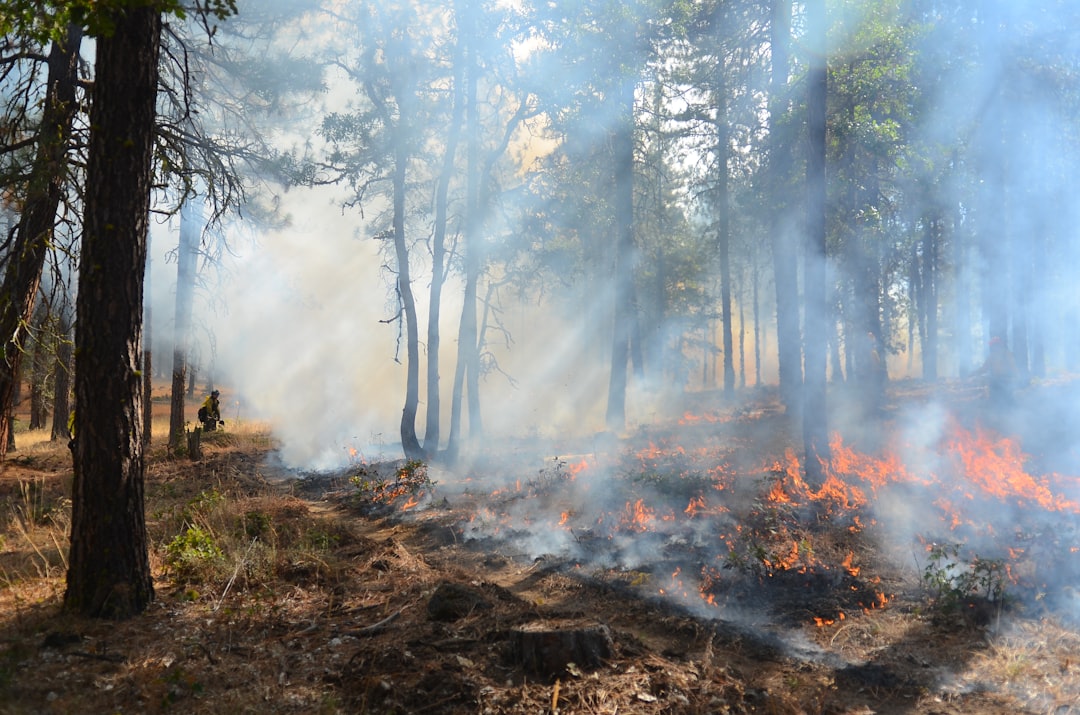
Indigenous communities across North America are at the forefront of a vital movement to revive and re-establish the practice of prescribed burning, a traditional land management technique that holds immense ecological and cultural significance. For generations, Indigenous peoples have expertly utilized fire as a tool to shape and maintain their ancestral landscapes, fostering biodiversity, improving forest health, and mitigating the devastating impacts of wildfires. This resurgence of prescribed burning is not merely an act of cultural reclamation; it is a critical strategy for ecological restoration, climate change adaptation, and strengthening community resilience in the face of increasing environmental challenges.
The relationship between Indigenous peoples and fire is one that spans millennia, deeply woven into the fabric of their cultures and ecological understanding. Fire was not seen as an enemy to be feared, but as a partner in maintaining a dynamic and healthy environment. This knowledge was passed down through generations, often orally, through intricate stories, songs, and practical demonstrations.
A Holistic Approach to Land Management
Indigenous prescribed burning was never solely about clearing land or reducing fuel loads. It was a holistic practice that considered the interconnectedness of all elements within an ecosystem.
- Biodiversity Enhancement: Controlled fires were intentionally used to stimulate the growth of specific plants crucial for food, medicine, and fiber. The heat and smoke often triggered seed germination for certain species, promoting a mosaic of habitats that supported a wider array of wildlife.
- Cultural Practices and Sustenance: The timing and intensity of burns were carefully planned to align with seasonal cycles and the needs of the community. For example, burns might be used to create open meadows for hunting game, to encourage the growth of berries, or to manage areas for the cultivation of specific plants used in traditional crafts and ceremonies.
- Intergenerational Knowledge Transfer: The practice of burning was a hands-on educational experience. Younger generations learned alongside elders, observing the subtle signs of fire behavior, understanding plant responses, and developing a profound respect for the power and purpose of fire. This transfer of knowledge ensured the continuity of ecological stewardship.
The Legacy of Suppression and its Consequences
The arrival of European settlers and the subsequent imposition of colonial policies led to a drastic shift in land management paradigms. The dominant ideology viewed fire as destructive and dangerous, leading to widespread fire suppression efforts.
- The “Smokey Bear” Era: The pervasive “only you can prevent wildfires” message, while well-intentioned, fostered a deep-seated fear of fire. This led to a policy of aggressive fire suppression, where any uncontrolled ignition was met with immediate and often overwhelming force.
- Ecological Imbalance: The absence of natural fire regimes, particularly in fire-adapted ecosystems like many of those found in North America, has had profound ecological consequences. Forests became unnaturally dense, leading to an accumulation of excessive fuel loads. This created conditions ripe for larger, more intense, and uncontrollable wildfires.
- Loss of Traditional Knowledge: The suppression of Indigenous burning practices also led to the erosion and marginalization of invaluable traditional ecological knowledge. The ability of Indigenous communities to manage their lands using fire was often criminalized, severing their connection to these practices and the landscapes they cared for.
Indigenous prescribed burning practices have gained attention for their effectiveness in land management and ecological restoration. A related article that explores the broader implications of innovative practices in various fields can be found here: Commercial Lunar Payload Services: Military Implications. This article discusses how new approaches in technology and policy can influence different sectors, drawing parallels to the importance of traditional ecological knowledge in contemporary environmental practices.
The Resurgence of Prescribed Burning: A Path Forward
In recent decades, a growing recognition of the limitations of fire suppression and the ecological wisdom of Indigenous practices has fueled a powerful movement to revive Indigenous prescribed burning. This revival is characterized by a collaborative approach, bridging traditional knowledge with modern science.
Reclaiming Cultural Identity Through Fire
For many Indigenous communities, the ability to practice prescribed burning is inextricably linked to their cultural identity and sovereignty. It represents a reclamation of ancestral rights and a reassertion of their role as stewards of their lands.
- Cultural Continuity and Spiritual Connection: Fire holds deep spiritual significance for many Indigenous cultures. The act of controlled burning is often accompanied by ceremonies and prayers, reinforcing the spiritual connection to the land and its elements.
- Empowerment and Self-Determination: By taking the lead in managing their lands with fire, Indigenous communities are exercising self-determination and demonstrating their capacity for effective environmental stewardship. This empowers them to make decisions about their territories that are aligned with their values and traditions.
- Restoring Landscapes for Cultural Resources: Revived burning practices are directly contributing to the health and abundance of culturally significant plants and animals, ensuring their availability for future generations. This includes plants used for medicines, food, basketry, and ceremonial objects.
Collaborative Efforts and Knowledge Exchange
The modern revival of Indigenous prescribed burning is not a solitary endeavor. It involves meaningful collaboration between Indigenous communities, government agencies, scientists, and non-profit organizations.
- Bridging Traditional Ecological Knowledge (TEK) and Western Science: This collaboration seeks to integrate the sophisticated understanding of fire behavior and ecosystem dynamics held within TEK with the scientific methodologies and data collection capabilities of Western science. This synergy creates a more comprehensive and effective approach to fire management.
- Training and Capacity Building: Initiatives are focused on training new generations of Indigenous fire practitioners, equipping them with both traditional knowledge and modern fire management skills. This includes hands-on experience, certifications, and opportunities for knowledge sharing.
- Partnerships for Implementation: Joint projects are being established to plan, implement, and monitor prescribed burns on Indigenous and co-managed lands. These partnerships are crucial for securing resources, navigating regulatory frameworks, and ensuring successful outcomes.
Ecological Benefits of Indigenous Prescribed Burning
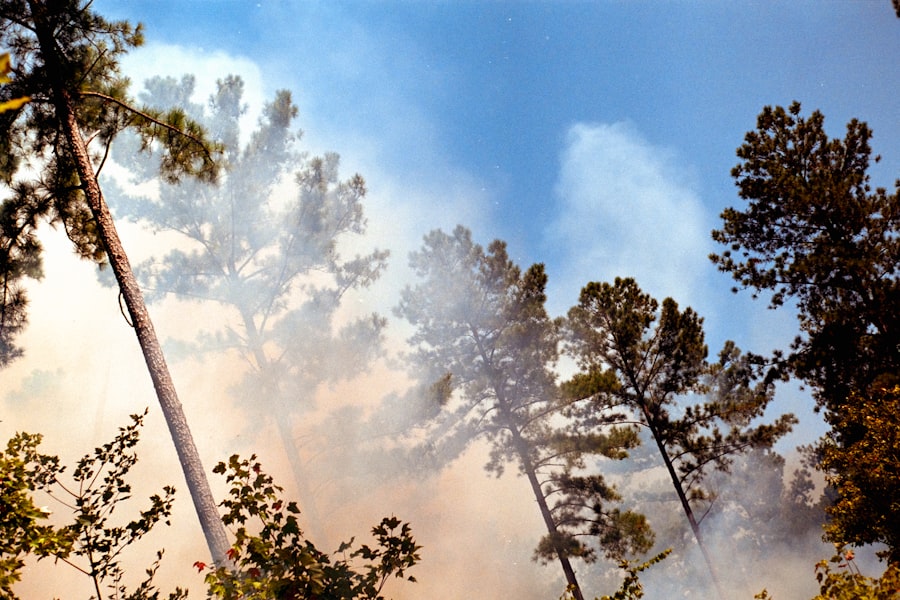
The application of Indigenous prescribed burning principles yields a wealth of ecological benefits, addressing many of the challenges posed by decades of fire exclusion.
Restoring Fire-Adapted Ecosystems
Many of the ecosystems in North America have evolved with frequent, low-intensity fires. Prescribed burning, when implemented according to Indigenous knowledge, mimics these natural processes.
- Reducing Fuel Loads and Wildfire Risk: By carefully removing accumulated dead vegetation and undergrowth, prescribed burns significantly reduce the amount of fuel available to ignite and spread, thereby decreasing the likelihood and intensity of catastrophic wildfires.
- Promoting Forest Health and Resilience: Low-intensity fires can remove diseased trees, insect-infested bark, and competing vegetation, allowing healthier trees to thrive. This promotes a more resilient forest structure that is better equipped to withstand environmental stressors.
- Stimulating Plant Regeneration: The heat from a prescribed burn can scarify seeds, promoting germination for many native plant species that rely on fire to reproduce. This helps to maintain plant diversity and vigor.
Enhancing Biodiversity and Habitat
The intentional use of fire as a tool for landscape management directly contributes to a more biodiverse and vibrant environment.
- Creating Habitat Diversity: Prescribed burns create a mosaic of vegetation types, with areas of open ground, young growth, and mature forest. This heterogeneity provides a wider range of habitats for various species of plants and animals.
- Supporting Pollinators and Wildlife: By promoting the growth of flowering plants and berry-producing shrubs, prescribed burns provide essential food sources for pollinators like bees and butterflies, as well as for a variety of wildlife.
- Controlling Invasive Species: Certain invasive plant species are less adapted to fire than native vegetation. Prescribed burning can be an effective tool for suppressing their spread and creating conditions that favor native flora.
Challenges and Opportunities in Reviving the Practice
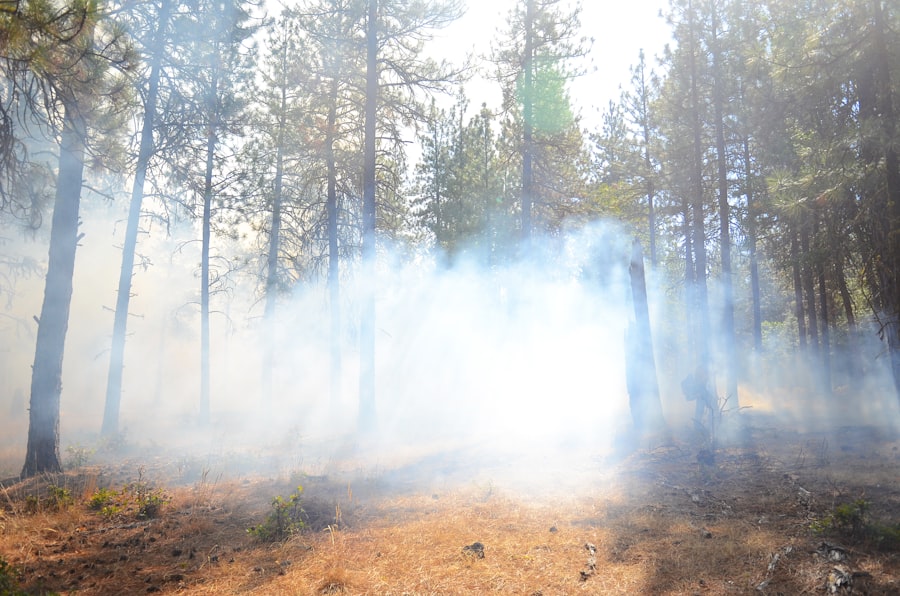
While the revival of Indigenous prescribed burning is gaining momentum, significant challenges remain. Addressing these challenges is crucial for the widespread and effective implementation of this critical land management tool.
Navigating Regulatory and Bureaucratic Hurdles
The historical suppression of Indigenous burning has resulted in complex regulatory frameworks that can impede its revival.
- Permitting and Approval Processes: Obtaining permits for prescribed burns can be a lengthy and complicated process, often requiring multiple agencies and extensive documentation. This can be a significant barrier, particularly for smaller communities with limited resources.
- Insurance and Liability Concerns: The perceived risks associated with any form of burning can lead to high insurance premiums and liability concerns, which can deter communities from undertaking prescribed fire activities.
- Funding and Resource Allocation: Securing adequate and consistent funding for prescribed burning programs, including training, equipment, and personnel, remains a persistent challenge.
Addressing Public Perception and Education
Overcoming the ingrained fear of fire and educating the public about the benefits of prescribed burning is essential for broader acceptance and support.
- Dispelling Misconceptions: Many people still associate any fire with danger and destruction. Extensive public outreach and education are needed to differentiate between uncontrolled wildfires and carefully planned and executed prescribed burns.
- Demonstrating Successes: Showcasing successful prescribed burning projects and their positive ecological and community outcomes can help to build trust and understanding.
- Engaging Local Communities: Actively involving local residents in the planning and implementation of prescribed burns, explaining the process and benefits, can foster a sense of shared responsibility and reduce apprehension.
Indigenous prescribed burning practices have gained recognition for their role in land management and ecological restoration. These techniques, rooted in traditional knowledge, not only help prevent wildfires but also promote biodiversity and enhance soil health. For a deeper understanding of how ancient practices can inform modern approaches, you might find it interesting to explore the concept of mnemonic devices in cultural memory, as discussed in a related article on unlocking ancient memory grids. This connection highlights the importance of preserving Indigenous wisdom in contemporary environmental strategies. You can read more about it here.
The Future of Indigenous Fire Stewardship
| Region | Number of prescribed burns | Area burned (hectares) |
|---|---|---|
| Northern Territory | 150 | 300,000 |
| Western Australia | 100 | 200,000 |
| Queensland | 80 | 150,000 |
The revival of Indigenous prescribed burning represents a paradigm shift in land management, offering a path towards healthier ecosystems, stronger communities, and a more sustainable future.
Strengthening Indigenous Sovereignty and Resilience
By re-establishing their ancestral right to manage their lands with fire, Indigenous communities are enhancing their sovereignty and their capacity to adapt to environmental changes.
- Climate Change Adaptation: Prescribed burning is a powerful tool for adapting to the increasing threats of climate change, particularly the heightened risk of extreme wildfires. It helps to build resilience in ecosystems and communities.
- Economic Opportunities: The development of Indigenous-led fire management programs can create new economic opportunities through employment, training, and the provision of land management services.
- Intergenerational Legacy: The successful revival of Indigenous prescribed burning ensures that this invaluable knowledge and practice will be passed down to future generations, continuing the legacy of responsible stewardship.
A Model for Global Land Management
The success of Indigenous prescribed burning in North America offers valuable lessons and a potential model for other Indigenous communities and land managers around the world facing similar ecological challenges.
- Recognition of Indigenous Rights: This movement underscores the importance of recognizing and upholding Indigenous rights and knowledge in all environmental management efforts.
- Holistic and Sustainable Approaches: The integrated, holistic, and sustainable approach of Indigenous fire stewardship provides a powerful counterpoint to short-sighted or narrowly focused land management strategies.
- A Renewed Relationship with Fire: Ultimately, the revival of Indigenous prescribed burning signifies a profound shift towards a more respectful and symbiotic relationship with fire, recognizing its essential role in a healthy and thriving planet.
The Wilderness Was Engineered
FAQs
What is Indigenous prescribed burning?
Indigenous prescribed burning is a land management practice that involves intentionally setting controlled fires to maintain and restore ecosystems. This practice has been used by Indigenous peoples for thousands of years to promote biodiversity, reduce fuel loads, and regenerate plant species.
How does Indigenous prescribed burning benefit the environment?
Indigenous prescribed burning benefits the environment in several ways. It helps to reduce the risk of catastrophic wildfires by reducing fuel loads, promotes the growth of fire-adapted plant species, and maintains the health and diversity of ecosystems. Additionally, it can improve soil fertility and reduce the spread of invasive species.
What role does Indigenous knowledge play in prescribed burning?
Indigenous knowledge plays a crucial role in prescribed burning, as it is based on traditional ecological knowledge and practices that have been passed down through generations. Indigenous peoples have a deep understanding of their local ecosystems and how to use fire as a tool for land management in a sustainable and responsible manner.
Are there any challenges or concerns associated with Indigenous prescribed burning?
Challenges and concerns associated with Indigenous prescribed burning include regulatory barriers, limited resources and funding, and potential conflicts with non-Indigenous land management practices. Additionally, there may be concerns about air quality and public safety, which need to be carefully addressed and managed.
How can non-Indigenous communities support and learn from Indigenous prescribed burning practices?
Non-Indigenous communities can support and learn from Indigenous prescribed burning practices by engaging in collaborative partnerships with Indigenous peoples, respecting traditional knowledge and practices, and advocating for policies that recognize the value of Indigenous land management. Additionally, education and training programs can help non-Indigenous communities understand the benefits and importance of prescribed burning.