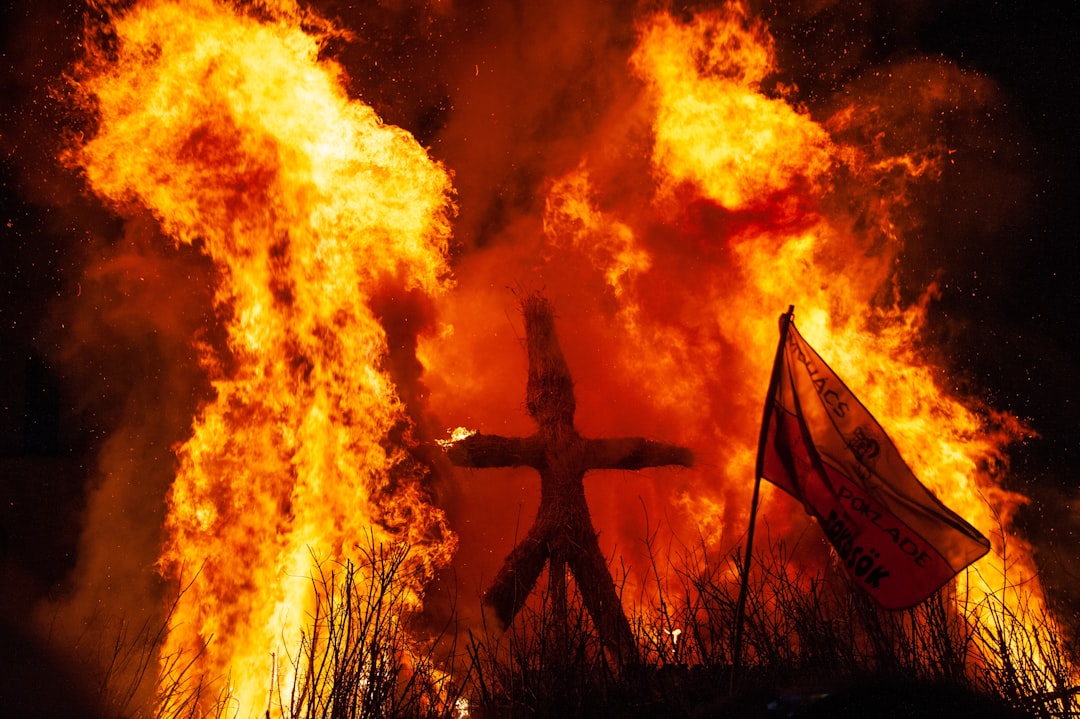
The faint scent of woodsmoke, a smell as ancient as the land itself, once permeated the air across North America. It was the perfume of a carefully managed landscape, a testament to the profound knowledge and practices of Native American communities. For millennia, Indigenous peoples wielded fire not as a destructive force, but as a vital tool for ecological restoration, cultural preservation, and sustainable living. This practice, known as cultural burning, or traditional ecological knowledge (TEK) in action, has a rich history and a crucial role to play in addressing contemporary environmental challenges. Today, a growing movement is working to revive these ancestral ways, seeking to reclaim a lost heritage and heal a scarred landscape.
For countless generations, Indigenous peoples of North America were adept managers of their environments. Their understanding of fire was not a fearful reaction to its destructive potential, but a sophisticated, nuanced engagement with its regenerative power. This was not accidental wildfire; it was intentional, prescribed burning, guided by deep ecological understanding and cultural imperatives. The practice varied across the continent, shaped by diverse ecosystems, from the arid Southwest to the lush forests of the Pacific Northwest, but the underlying principles remained consistent: fire as a partner in shaping and sustaining life.
Fire as an Ecological Engineer
The primary function of cultural burning was to actively shape and manage ecosystems. Indigenous communities understood that fire was a natural part of many North American landscapes. By applying low-intensity fires at specific times of the year and under controlled conditions, they could achieve a multitude of ecological benefits. These burns prevented the buildup of excessive fuel, thus reducing the risk of catastrophic wildfires. They also promoted biodiversity by clearing out dense undergrowth, allowing sunlight to reach the forest floor and encouraging the growth of native plants, many of which were crucial food sources for both humans and wildlife.
Promoting Food Security and Resource Management
Beyond ecological benefits, cultural burning was intrinsically linked to the sustenance and well-being of Native American communities. The intentional use of fire was a key strategy for managing landscapes to ensure the availability of vital resources. For example, burning in grasslands encouraged the growth of nutritious grasses that supported game animals like deer and bison. In forested areas, fire could clear away competing vegetation, promoting the growth of berry bushes, medicinal plants, and trees valued for their timber or other uses. This proactive approach to resource management ensured a sustainable harvest and a resilient food system for generations.
Cultural Transmission and Spiritual Connection
Cultural burning was more than just an environmental practice; it was deeply woven into the cultural and spiritual fabric of Indigenous societies. The knowledge of when, where, and how to burn was passed down through oral traditions, stories, ceremonies, and direct mentorship from elders to younger generations. This transmission of TEK reinforced cultural identity and fostered a profound spiritual connection to the land. Fire ceremonies were often integral to the burning process, acknowledging the sacredness of fire and its role in the cycles of life and renewal. The act of burning was seen as a collaborative effort with the natural world, a way of giving back to the land that sustained them.
Native American cultural burning practices have long been recognized for their role in land management and ecological sustainability. These traditional methods not only promote biodiversity but also help prevent larger wildfires by reducing fuel loads. For a deeper understanding of ancient practices related to environmental stewardship, you can explore the article titled “Unearthing Ancient Drought: Biblical Evidence” which discusses historical perspectives on climate and land management. You can read it here: Unearthing Ancient Drought: Biblical Evidence.
The Suppression of a Sacred Practice
The arrival of European colonizers brought with it a drastically different relationship with fire. Driven by a fear of uncontrolled blazes and a desire to impose their own land management paradigms, colonial and later governmental policies actively suppressed Indigenous burning practices. This suppression, often termed “fire suppression,” had profound and devastating consequences for both the environment and Native American cultures.
Colonial Ideologies and the “Wilderness” Myth
European settlers viewed the North American landscape through a lens of domestication and control. They often saw Indigenous land management as primitive and destructive, failing to recognize the intricate knowledge and intentionality behind cultural burning. The concept of “wilderness” as an untouched, untamed space, devoid of human intervention, became a dominant ideology. This directly contradicted the reality of Indigenous-created and maintained landscapes, which were shaped by millennia of active management, including the use of fire.
The Era of Fire Suppression
Beginning in the late 19th and early 20th centuries, a concerted effort to suppress all fires, regardless of their origin or potential benefit, took hold across the United States and Canada. Fire towers were erected, firefighting brigades were organized, and the message of “Smokey Bear” — warning against all wildfires — became deeply ingrained in the public consciousness. While this policy aimed to protect property and human life from immediate danger, it failed to acknowledge the ecological role of fire and its importance in maintaining healthy ecosystems.
Ecological and Cultural Devastation
The consequences of decades of aggressive fire suppression were far-reaching. Without the regular, low-intensity fires that Native Americans had historically applied, vast amounts of fuel accumulated in forests and grasslands. This created conditions ripe for increasingly frequent and intense wildfires, which often burned hotter and caused more ecological damage than historical fires. Furthermore, the prohibition of cultural burning severed a vital link to ancestral knowledge and cultural practices, leading to a sense of loss and disconnection for many Indigenous communities.
The Renaissance of Cultural Burning
In recent decades, a burgeoning awareness of the ecological and cultural shortcomings of fire suppression has led to a powerful resurgence of interest in reviving cultural burning. Indigenous communities, alongside allies in conservation and land management, are working to reintroduce these vital practices, seeking to heal landscapes and reclaim their heritage. This movement is driven by a deep understanding of the land and a commitment to intergenerational knowledge transfer.
Indigenous Leadership and Sovereignty
The revival of cultural burning is fundamentally an act of Indigenous leadership and self-determination. Native American tribes are increasingly asserting their sovereign rights to manage their ancestral lands according to their own cultural traditions and TEK. This involves advocating for policy changes, developing tribal fire programs, and re-establishing their role as stewards of the land. This leadership is crucial for ensuring that the revival is guided by Indigenous voices and priorities.
Collaborative Efforts and Partnerships
Recognizing the complex nature of land management and the need for broad support, the revival of cultural burning often involves collaborative efforts and partnerships. Tribes are working with federal, state, and local agencies, as well as non-profit organizations and academic institutions. These collaborations can provide resources, training, and opportunities for knowledge sharing, facilitating the safe and effective reintroduction of cultural burns. However, it is essential that these partnerships are built on a foundation of respect and equity, with Indigenous communities retaining decision-making authority.
Training and Education Initiatives
A critical component of reviving cultural burning is the re-establishment of training and educational pathways for passing on this specialized knowledge. Elders who still hold this wisdom are mentoring younger generations, often through hands-on apprenticeships and workshops. Universities and research institutions are also playing a role by supporting TEK research and integrating Indigenous knowledge into curriculum. These initiatives are vital for ensuring the continuity of cultural burning practices for the future.
Cultural Burning in the Modern Landscape
The challenges facing ecosystems today, particularly in the context of climate change, make the reintroduction of cultural burning more critical than ever. The practice offers a powerful, time-tested solution for addressing issues such as wildfire risk, habitat restoration, and the promotion of biodiversity. However, its implementation in the modern era requires careful consideration of contemporary land use patterns, legal frameworks, and public perception.
Addressing the Wildfire Crisis
The increasing frequency and intensity of wildfires, exacerbated by climate change and decades of fire suppression, have placed immense pressure on both natural landscapes and human communities. Cultural burning offers a proactive and preventative approach to mitigating wildfire risk. By reducing fuel loads and creating more resilient ecosystems, these controlled burns can significantly decrease the likelihood of catastrophic fires and their devastating impacts.
Restoring Biodiversity and Ecosystem Health
Many ecosystems have become degraded due to the absence of natural fire regimes. Cultural burning can play a crucial role in restoring ecological balance. By clearing out invasive species, promoting the growth of native plants, and creating habitat mosaics, these burns can revitalize biodiversity and enhance the overall health and resilience of ecosystems. This is particularly important for plant and animal species that have evolved in fire-dependent environments.
Integrating TEK with Western Science
The revival of cultural burning is not about replacing Western science, but about integrating it with Indigenous TEK. When these two knowledge systems work in tandem, they offer a more comprehensive and effective approach to land management. Western science can provide valuable data and analysis, while TEK offers millennia of empirical observation and nuanced understanding of local ecosystems. This synergy can lead to more informed decision-making and more successful land stewardship.
Native American cultural burning practices have long been recognized for their ecological benefits, as they promote biodiversity and reduce the risk of larger wildfires. A related article discusses the broader implications of traditional practices in the context of modern manufacturing shifts in the southern United States. By examining how these cultural techniques can inform contemporary land management, we can better understand the intersection of heritage and innovation. For more insights on this topic, you can read the article here: the shift to southern US manufacturing.
Challenges and Opportunities Ahead
| Metrics | Data |
|---|---|
| Frequency of cultural burns | Varies by tribe and region |
| Traditional ecological knowledge | Passed down through generations |
| Impact on biodiversity | Promotes diverse plant and animal species |
| Fire management techniques | Utilizes controlled burns for land stewardship |
| Connection to spirituality | Integral part of cultural and spiritual practices |
The path to fully reviving cultural burning is not without its obstacles. Navigating complex regulatory landscapes, overcoming public skepticism, and ensuring equitable resource allocation are ongoing challenges. However, the growing recognition of the benefits of cultural burning also presents significant opportunities for transformative change.
Policy Reform and Regulatory Frameworks
One of the most significant hurdles is the need for policy reform. Existing regulations often hinder or prohibit the practice of cultural burning. Advocates are working to change these policies to allow for the safe and legal implementation of burns guided by TEK. This includes streamlining permitting processes, creating clear guidelines for tribal fire programs, and recognizing Indigenous sovereignty in land management decisions.
Public Education and Shifting Perceptions
A significant challenge is overcoming the deeply ingrained public perception of fire as solely destructive. Educating the public about the ecological benefits of controlled burning and the history of Indigenous land management is crucial for building support and understanding. Sharing stories, hosting public demonstrations, and fostering dialogue can help to shift perceptions and foster a greater appreciation for the role of fire in healthy ecosystems.
Securing Resources and Sustainable Funding
Implementing and sustaining cultural burning programs requires dedicated resources. This includes funding for training, equipment, personnel, and research. Securing sustainable funding streams, often through a combination of government grants, philanthropic support, and tribal self-funding, is essential for the long-term success of this revival. This also involves ensuring that funding mechanisms are equitable and accessible to Indigenous communities.
The Future of Indigenous Land Stewardship
The revival of cultural burning represents a profound opportunity to reimagine the future of Indigenous land stewardship. It is a pathway to reclaiming cultural heritage, fostering ecological resilience, and building more sustainable and equitable relationships with the natural world. As communities continue to advocate for and implement these ancestral practices, they are not only healing the land but also revitalizing their own cultures and offering a powerful model for environmental stewardship for all. The smoke that rises from these intentional fires is a beacon of hope, signaling a return to balance and a renewed respect for the ancient wisdom of those who have long understood the language of the land.
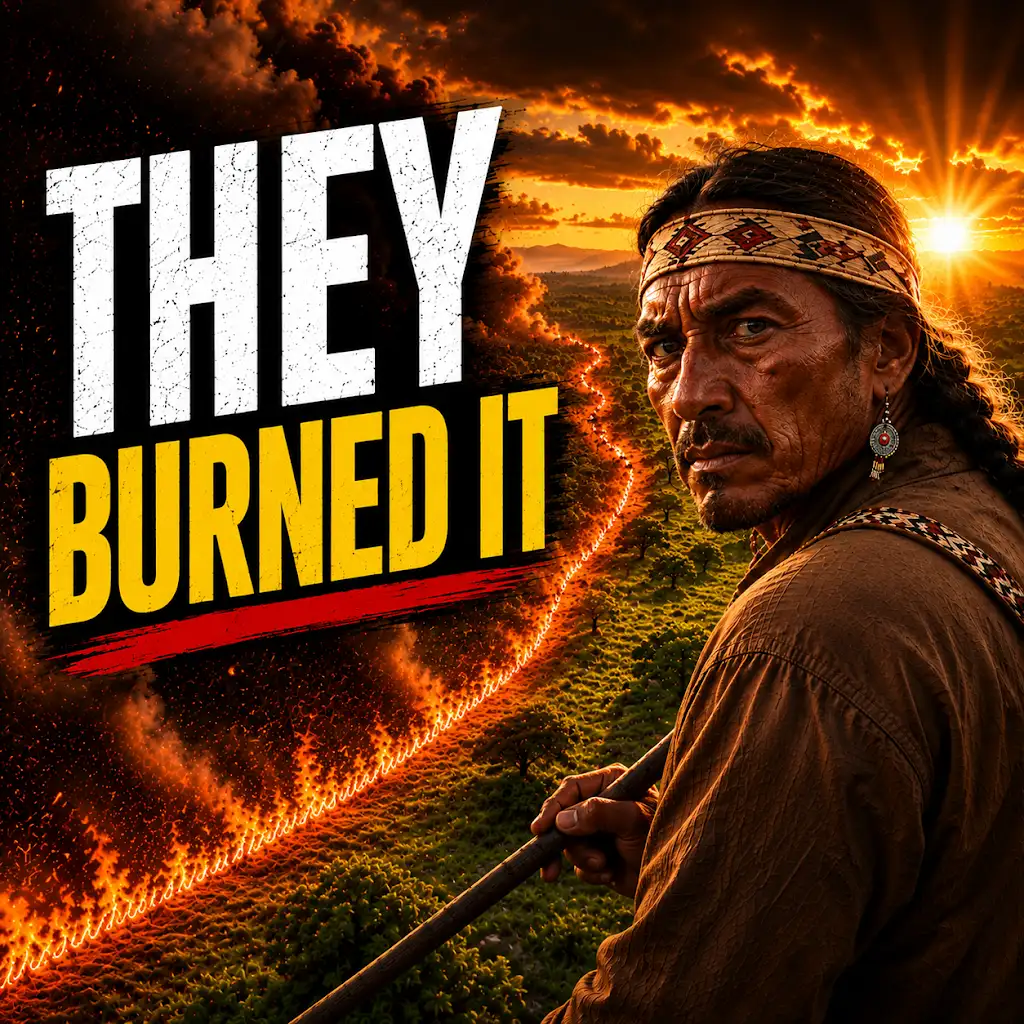
The Wilderness Was Engineered
FAQs
What is cultural burning?
Cultural burning is a traditional practice of land management by Indigenous peoples, particularly Native American tribes, that involves the controlled use of fire to maintain and restore ecosystems. It is a way of managing the land for various purposes, including promoting biodiversity, reducing the risk of wildfires, and maintaining cultural traditions.
How does cultural burning differ from prescribed burns?
Cultural burning differs from prescribed burns in that it is deeply rooted in Indigenous cultural and spiritual practices. While both practices involve the intentional use of fire for land management, cultural burning is guided by traditional ecological knowledge and a deep understanding of the relationship between people and the land.
What are the benefits of cultural burning?
Cultural burning has numerous benefits, including promoting the health of ecosystems, reducing the risk of catastrophic wildfires, enhancing biodiversity, and preserving traditional ecological knowledge. It also helps to maintain cultural connections to the land and supports the continuation of Indigenous traditions and practices.
How does cultural burning contribute to wildfire prevention?
Cultural burning plays a crucial role in wildfire prevention by reducing the accumulation of flammable vegetation and creating fire-resilient landscapes. By strategically using fire to manage vegetation, Indigenous communities can decrease the likelihood of intense, destructive wildfires that can threaten both human communities and natural ecosystems.
What are some challenges to the revival of cultural burning practices?
Challenges to the revival of cultural burning practices include restrictive government policies and regulations, limited access to traditional lands, and a lack of recognition and support for Indigenous knowledge and practices. Additionally, the impacts of colonization and historical trauma have disrupted traditional land management practices, making it difficult for Indigenous communities to fully engage in cultural burning.