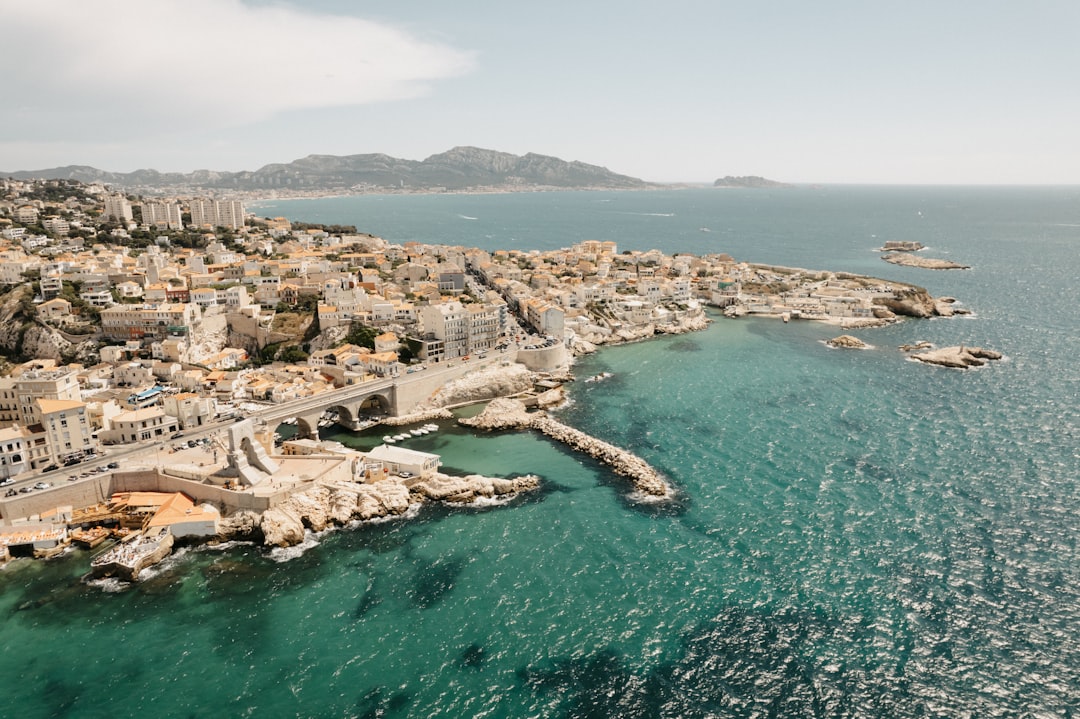
The Mediterranean Sea, a cradle of civilization and a jewel of biodiversity, whispers tales of ancient mariners and vibrant ecosystems. For millennia, its azure waters have sustained life, fostered trade, and inspired art. Yet, this iconic sea, bordered by diverse cultures and landscapes, stands at a critical juncture. Decades of human activity, from pollution and overfishing to climate change, have taken a significant toll, dimming its once-brilliant natural beauty and threatening the very foundations of its ecological health. The urgent call to revive its splendor is no longer a whisper but a resounding plea, demanding a concerted effort to refill its natural beauty and ensure its enduring legacy for future generations. This endeavor is not merely about restoring an aesthetic ideal; it is about safeguarding a vital artery of our planet, a source of livelihood for millions, and a treasure trove of biodiversity that enriches us all.
The Mediterranean’s once-pristine shores and abundant marine life have been profoundly altered. A legacy of industrialization, burgeoning tourism, and unsustainable agricultural practices has left visible scars. Understanding the multifaceted nature of this decline is the crucial first step towards effective revival. Without a comprehensive grasp of the threats, targeted and impactful interventions cannot be implemented. The beauty that once defined this sea is not a lost cause, but its revival hinges on acknowledging the depth of its wounds.
Pollution’s Pervasive Grip
The Mediterranean is a semi-enclosed sea, making it particularly vulnerable to pollution. What enters often lingers, accumulating and spreading its damaging effects. This persistent inundation of pollutants has visibly degraded the aquatic environment, impacting everything from the smallest plankton to the largest marine mammals.
Plastic: The Ubiquitous Scourge
The images of seabirds entangled in plastic rings or turtles mistaking plastic bags for jellyfish are stark reminders of this pervasive threat. Millions of tons of plastic waste enter the Mediterranean annually, originating from land-based sources, shipping activities, and inadequate waste management systems. This plastic breaks down into microplastics, invisible yet insidious, which are ingested by marine life and inevitably enter the food chain, posing risks to both wildlife and human health. From beaches littered with discarded bottles to the deep ocean floor where plastic debris accumulates, its presence is an unwelcome stain on the sea’s natural canvas.
Chemical Contamination: The Silent Killer
Beyond plastics, a cocktail of chemical pollutants seeps into the Mediterranean. Industrial discharge, agricultural runoff carrying pesticides and fertilizers, and untreated sewage contribute to a complex web of contamination. Heavy metals, persistent organic pollutants, and nutrient enrichment (eutrophication) disrupt marine ecosystems. Eutrophication, for instance, can lead to algal blooms that deplete oxygen, creating “dead zones” where life struggles to survive. These chemical assaults are often invisible, but their long-term impact on biodiversity and the overall health of the marine environment is profound.
Noise Pollution: Disrupting Marine Life’s Symphony
The constant hum of shipping traffic, seismic surveys for oil and gas exploration, and naval activities generate significant underwater noise. This noise pollution can interfere with marine animals’ communication, navigation, feeding, and reproduction. Whales and dolphins, reliant on sound for survival, are particularly susceptible. The once-peaceful underwater soundscape is being drowned out, impacting the delicate balance of marine life.
Overfishing and Unsustainable Practices: Depleting the Larder
The bounty of the Mediterranean has been exploited for centuries, but modern fishing technologies and increasing demand have pushed many fish stocks to the brink of collapse. The delicate balance of marine food webs is being disrupted as key species are depleted, impacting the entire ecosystem.
The Plight of Key Fisheries
Species like bluefin tuna, swordfish, and various sardine and anchovy populations have been heavily impacted by intensive fishing. Without proper quotas, enforcement, and sustainable fishing gear, these stocks are struggling to regenerate. The consequences extend beyond the fish themselves, affecting the predators that rely on them and the livelihoods of fishing communities that depend on their abundance.
Destructive Fishing Methods
Practices such as bottom trawling, which scrapes the seabed and destroys marine habitats like seagrass meadows and coral reefs, are particularly damaging. These methods are indiscriminate, catching not only target species but also a significant amount of bycatch, including juvenile fish, turtles, and dolphins, which are often discarded dead or dying. The destruction of these vital nursery grounds and habitats further exacerbates the decline of fish populations and the overall health of the marine environment.
Climate Change: An Unseen but Potent Adversary
While often discussed on a global scale, the impacts of climate change are acutely felt in the Mediterranean. Rising sea temperatures, ocean acidification, and altered weather patterns are directly impacting its delicate ecosystems.
Warming Waters and Their Consequences
Average sea surface temperatures in the Mediterranean have been rising faster than the global average. This warming leads to a range of impacts, including coral bleaching, shifts in species distribution (with tropical species migrating north), increased prevalence of marine diseases, and altered reproduction cycles for many species. Delicate cold-water habitats are shrinking, while species adapted to warmer climes are expanding their range, leading to novel ecological interactions.
Ocean Acidification: A Threat to Shell-Building Organisms
As the ocean absorbs excess carbon dioxide from the atmosphere, its pH decreases, a process known as ocean acidification. This makes it harder for marine organisms with shells and skeletons, such as shellfish, corals, and plankton, to form and maintain their structures. The base of many marine food webs is thus threatened, with cascading effects throughout the ecosystem.
The Mediterranean region is facing significant challenges related to water scarcity and resource management, making the topic of Mediterranean refilling increasingly relevant. For a deeper understanding of how economic policies can influence environmental sustainability, you may find the article on the impact of the USMCA wage requirement insightful. It explores the intersection of trade agreements and their implications for local economies, which can indirectly affect resource management practices. To read more, visit this article.
Reclaiming the Turquoise: Strategies for a Natural Revival
The challenges are significant, but the resolve to rejuvenate the Mediterranean is growing. A multifaceted approach, integrating scientific understanding, policy reforms, technological innovation, and community engagement, is essential for reclaiming its natural beauty. The goal is not merely to stop the decline but to foster a resilient and thriving ecosystem.
Restoring Coastal Habitats: The Sea’s Living Shorelines
Coastal habitats are the gateways to the marine realm, serving as nurseries, feeding grounds, and protective barriers. Their restoration is paramount to a healthy Mediterranean.
Replanting Seagrass Meadows: The Underwater Forests
Seagrass meadows, such as Posidonia oceanica, are vital ecosystems that act as natural carbon sinks, stabilize sediments, improve water quality, and provide habitat for a vast array of marine life. Their decline, due to pollution, anchoring, and coastal development, has had devastating consequences. Initiatives focused on replanting and protecting these underwater forests are crucial for restoring biodiversity and ecological function.
Rebuilding Salt Marsh Ecosystems: Bridging Land and Sea
Salt marshes are important coastal wetlands that filter pollutants, protect shorelines from erosion, and provide critical habitats for birds and fish. Their restoration involves techniques like sediment replenishment and the reintroduction of native vegetation, allowing these valuable ecosystems to once again play their ecological role.
Protecting and Restoring Coral Reefs and Other Hard Bottom Habitats
While not as extensive as in tropical oceans, the Mediterranean hosts unique and fragile coral reefs and other hard bottom communities. These complex habitats support a high diversity of species. Protecting existing reefs from destructive practices and exploring restoration techniques for degraded areas are vital for preserving this intricate biodiversity.
Sustainable Fisheries Management: Harvesting Responsibly
Ensuring the long-term health of fish stocks requires a fundamental shift towards responsible and sustainable fishing practices. This means moving away from exploitation and towards a model of careful stewardship.
Implementing Effective Quotas and Seasonality
Science-based quotas that account for reproductive cycles and population sizes are essential. Establishing fishing seasons allows fish stocks to replenish themselves. Strict monitoring and enforcement are crucial to ensure compliance with these regulations.
Promoting Selective Fishing Gear and Techniques
Encouraging the use of fishing gear that minimizes bycatch and habitat damage is a key priority. This includes developing and adopting technologies that allow for the selective capture of target species, reducing the incidental capture of non-target organisms and the damaging impact on the seabed.
Establishing Marine Protected Areas (MPAs): Sanctuaries for Life
Marine Protected Areas are designated zones where fishing and other extractive activities are restricted or prohibited, allowing marine life to recover and thrive. Well-managed and effectively enforced MPAs can act as crucial refuges, ensuring the long-term health of fish populations and the broader marine ecosystem.
Combating Pollution at its Source: A Multi-pronged Attack
Addressing pollution requires a comprehensive strategy that tackles its origins on land and at sea, employing a combination of regulatory, technological, and public awareness measures.
Investing in Advanced Wastewater Treatment: Cleaning Up Discharges
Upgrading wastewater treatment plants to remove a wider range of pollutants, including microplastics and emerging contaminants, is critical. Preventing untreated sewage from entering the sea significantly improves water quality and reduces the risk of dead zones.
Promoting Circular Economy Principles: Reducing Waste Generation
Shifting towards a circular economy, where waste is minimized and resources are reused and recycled, is fundamental to reducing plastic and other forms of pollution. This involves redesigning products, improving waste management infrastructure, and fostering a culture of reuse and repair.
Implementing Stricter Regulations on Industrial and Agricultural Runoff: Protecting Waterways
Stricter regulations on industrial discharges and agricultural practices are needed to limit the amount of harmful chemicals and nutrients entering waterways that eventually flow into the Mediterranean. Encouraging sustainable farming methods that minimize chemical inputs is a vital part of this effort.
The Role of Innovation and Technology: Harnessing Human Ingenuity
Technological advancements offer powerful tools for monitoring, restoration, and pollution control. Embracing innovation is not an option but a necessity in the complex task of reviving the Mediterranean.
Advanced Monitoring Systems: Eyes on the Underwater World
Cutting-edge technologies are providing unprecedented insights into the health of the Mediterranean.
Remote Sensing and Satellite Imagery: A Bird’s-Eye View
Satellite technology allows for the monitoring of large-scale phenomena like algal blooms, plastic accumulation hotspots, and changes in water temperature across vast areas of the sea. This data is crucial for identifying problem areas and tracking the effectiveness of interventions.
Underwater Drones and Robots: Exploring the Depths
Autonomous underwater vehicles (AUVs) and remotely operated vehicles (ROVs) enable scientists to explore the deep sea, monitor marine life, and conduct surveys in areas that are difficult or dangerous to access. These tools provide valuable data for research and conservation efforts.
Environmental DNA (eDNA) Analysis: Unveiling Biodiversity’s Secrets
eDNA analysis allows scientists to detect the presence of a wide range of species by analyzing genetic material shed into the water. This non-invasive technique provides a comprehensive picture of biodiversity, even in the absence of direct sightings.
Innovative Pollution Remediation Technologies: Cleaning the Mess
New technologies are emerging to tackle the persistent challenge of pollution.
Microplastic Filtration and Capture Systems: Targeting the Tiny Invaders
Researchers are developing advanced filtration systems to capture microplastics from wastewater and even directly from the ocean. These innovations hold promise for mitigating one of the most pervasive forms of pollution.
Bioremediation and Biodegradable Materials: Nature’s Solutions
Exploring the use of microorganisms to break down pollutants and developing biodegradable alternatives to conventional plastics are promising avenues for long-term pollution reduction.
The Power of Collaboration: United for a Healthier Sea
The Mediterranean’s revival cannot be achieved by any single entity. It demands a collaborative effort involving governments, international organizations, scientific institutions, NGOs, businesses, and most importantly, local communities.
International Cooperation and Policy Alignment: A Shared Responsibility
The Mediterranean is bordered by numerous countries, each with its own policies and priorities. Effective revival requires strong international cooperation, the harmonization of environmental regulations, and joint efforts to address transboundary pollution and illegal fishing.
The Role of Regional Seas Conventions
Initiatives like the Barcelona Convention and its associated protocols provide a framework for cooperation among Mediterranean countries to protect the marine environment. Strengthening these agreements and ensuring their effective implementation is paramount.
Joint Research and Data Sharing Initiatives
Collaborative research projects and the open sharing of data among scientists and institutions across the Mediterranean are essential for building a comprehensive understanding of the sea’s health and developing effective solutions.
Engaging Local Communities: The Guardians of the Coast
Ultimately, the success of any revival effort hinges on the engagement and support of the people who live and work along the Mediterranean coast.
Education and Awareness Campaigns: Fostering Environmental Stewardship
Educating the public about the threats facing the Mediterranean and the importance of conservation is fundamental to fostering a sense of responsibility and empowering individuals to make sustainable choices.
Supporting Sustainable Livelihoods: Balancing Economy and Ecology
Promoting sustainable tourism, responsible fishing practices, and eco-friendly businesses provides economic alternatives that are compatible with the long-term health of the marine environment. This ensures that local communities benefit from the revival of the sea.
Citizen Science Initiatives: Empowering the Public as Stewards
Citizen science projects, where members of the public can contribute to data collection and monitoring efforts, foster a stronger connection to the marine environment and provide valuable real-time information.
Recent studies on Mediterranean refilling have sparked interest in the potential connections between ancient civilizations and their environmental adaptations. For a deeper understanding of how these societies may have thrived in changing climates, you can explore an insightful article that discusses the evidence of a lost advanced civilization. This article delves into the archaeological findings that shed light on the intricate relationship between human development and natural resources. To read more about this fascinating topic, visit this link.
The Future of the Mediterranean: Hope on the Horizon
| Year | Refilling Rate (cm/year) | Volume Refilled (km³/year) |
|---|---|---|
| 2015 | 2.5 | 15.6 |
| 2016 | 3.0 | 18.7 |
| 2017 | 2.8 | 17.5 |
| 2018 | 2.6 | 16.2 |
The path to reviving the Mediterranean’s natural beauty is a long and challenging one, but it is not an insurmountable one. The growing awareness of the challenges, coupled with the commitment to innovative solutions and collaborative action, offers a beacon of hope. The beauty of the Mediterranean is not simply a visual spectacle; it is a complex, interconnected system that sustains life and enriches our world. By embracing a renewed commitment to its protection and restoration, we ensure that its azure waters will continue to whisper tales of wonder for generations to come, their natural beauty refilled and vibrant once more. The commitment to refilling its natural beauty is not merely an environmental imperative; it is a moral obligation, a testament to our capacity for stewardship, and a promise for a more sustainable and beautiful future for this irreplaceable sea.

When the Mediterranean Became a Desert | The Messinian Salinity Crisis Explained
FAQs
What is Mediterranean refilling?
Mediterranean refilling refers to the process of replenishing the water in the Mediterranean Sea through various sources such as rivers, precipitation, and inflow from the Atlantic Ocean.
What are the main sources of water for Mediterranean refilling?
The main sources of water for Mediterranean refilling include rivers such as the Nile, the Po, and the Rhone, as well as precipitation and inflow from the Atlantic Ocean.
Why is Mediterranean refilling important?
Mediterranean refilling is important for maintaining the ecological balance of the Mediterranean Sea, supporting marine life, and sustaining the livelihoods of communities that depend on the sea for fishing and tourism.
What are the factors that affect Mediterranean refilling?
Factors that affect Mediterranean refilling include climate change, which can impact precipitation patterns, as well as human activities such as dam construction and water extraction from rivers.
How can Mediterranean refilling be managed sustainably?
Sustainable management of Mediterranean refilling involves implementing measures to conserve water resources, reduce pollution, and mitigate the impacts of climate change. This can include promoting water conservation, improving water quality, and implementing policies to protect river ecosystems.