
Reviving Traditional Aboriginal Burning: A Path to Ecological Restoration
The vast landscapes of Australia, sculpted over millennia by the practices of its Indigenous peoples, are undergoing a profound transformation. For tens of thousands of years, Aboriginal communities wielded fire not as a tool of destruction, but as a sophisticated instrument of land management, shaping ecosystems and fostering biodiversity. This ancient practice, often referred to as “Cultural Burning” or “Traditional Burning,” is now experiencing a vital resurgence, recognized by scientists and land managers alike as a critical strategy for ecological restoration, cultural revitalization, and climate change adaptation. The story of this revival is one of deep Indigenous knowledge, scientific validation, and a growing understanding of the intricate relationship between humans and the natural world.
The relationship between Aboriginal peoples and fire is as old as their presence on the continent. It is a relationship deeply embedded in cultural narratives, spiritual beliefs, and practical necessity. Fire was not a random occurrence; it was a deliberate and seasonal tool used to achieve a multitude of ecological and social goals. This wasn’t simply about clearing land; it was about actively cultivating the landscape.
Understanding the Nuances of Traditional Burning
To truly grasp the significance of Traditional Burning, one must move beyond the Western perception of fire as an adversary. Aboriginal burning practices were characterized by an intimate knowledge of fuel loads, weather patterns, and the specific needs of different plant and animal communities. This knowledge, passed down through generations via oral traditions, songlines, and direct mentorship, allowed for the precise application of fire at the right time, in the right place, and with the right intensity. It was a constant dialogue with the land, a recognition that fire was an integral part of the ecological cycle.
Seasonal and Strategic Ignitions
The timing of burns was paramount. For instance, fires were often lit during the dry season, when vegetation was naturally combustible, but controlled to prevent uncontrolled wildfires. These fires were frequently mosaic burns, meaning they were designed to create a patchwork of different vegetation ages and types across the landscape. This ensured a continuous supply of food and habitat for various species. For example, a young, succulent grass shoots that emerge after a light burn were a valuable food source for herbivores. Older, unburnt areas provided shelter and nesting grounds.
Fuel Load Management for Fire Prevention
A key ecological outcome of regular, low-intensity burns was the management of fuel loads. By preventing the accumulation of dense, dry vegetation, traditional burning significantly reduced the risk of catastrophic wildfires. These large, uncontrolled fires, often exacerbated by climate change and decades of fire suppression, can devastate ecosystems, lead to soil erosion, and threaten human settlements. Traditional burning acted as a proactive defense, creating a more resilient landscape.
Cultural Significance and Spiritual Connection
Beyond its ecological benefits, fire held deep cultural and spiritual significance for Aboriginal peoples. It was used in ceremonies, for cooking, to create tools, and as a means of storytelling and imparting knowledge. The act of burning was often accompanied by rituals and protocols, reinforcing the connection between people, land, and the spiritual realm. The landscape itself was seen as a living entity, and fire was a way to nurture and honor it.
Traditional Aboriginal burning practices have been recognized for their ecological benefits and cultural significance, serving as a vital tool for land management and biodiversity conservation. These practices, often referred to as “cultural burning,” involve the use of low-intensity fires to promote healthy ecosystems and reduce the risk of larger, uncontrolled wildfires. For a deeper understanding of how historical practices influence modern land management, you can explore an intriguing article that discusses the intersection of culture and environmental stewardship at this link: Exploring Topkapi Palace with Piri Reis Map.
The Interruption and Its Consequences
The arrival of European settlers in Australia marked a dramatic disruption to these age-old practices. The imposition of Western land management philosophies, coupled with policies that dispossessed Aboriginal peoples of their land and suppressed their cultural traditions, led to the widespread cessation of Traditional Burning. This interruption had profound and lasting consequences for the Australian environment.
Colonial Policies and the Loss of Indigenous Knowledge
The colonial era was characterized by a paternalistic approach to Indigenous peoples, viewing their knowledge systems as primitive or irrelevant. Land was fenced, managed according to European agricultural models, and Indigenous fire practices were often outlawed. This not only severed the direct connection between Aboriginal communities and their traditional lands but also led to the gradual erosion of invaluable ecological knowledge that had been honed over millennia.
The Era of Fire Suppression and Its Ecological Fallout
In response to the perceived threat of bushfires, Australian land management agencies adopted a policy of aggressive fire suppression. This meant extinguishing fires as quickly as possible, regardless of their origin or potential ecological role. While seemingly protective, this approach inadvertently created the conditions for larger, more intense, and destructive wildfires. The natural mosaic of fuel types was replaced by vast expanses of highly flammable, dense vegetation.
Increased Wildfire Intensity and Frequency
Without the regular, low-intensity fires that historically cleared undergrowth, fuel loads accumulated to unprecedented levels. When fires did occur, they were far more intense, consuming everything in their path, destroying habitats, and posing a greater risk to human life and property. The frequency of these megafires also increased, further stressing ecosystems already struggling to recover.
Biodiversity Loss and Habitat Degradation
The absence of Traditional Burning practices has had a significant impact on Australia’s unique biodiversity. Many plant species have evolved to rely on fire for germination or regeneration. Without it, their populations have declined. Similarly, many animal species depend on the mosaic landscapes created by Aboriginal burning for food and shelter. The homogenization of vegetation due to fire suppression has led to habitat degradation and a loss of species diversity.
The Re-emergence of Cultural Burning
In recent decades, there has been a growing recognition within scientific and land management circles of the immense value of Traditional Aboriginal Burning. This has led to a powerful movement to revive and integrate these ancient practices back into contemporary land management strategies. This revival is a testament to the resilience of Indigenous knowledge and the urgent need for effective, sustainable land management solutions.
Indigenous-Led Initiatives and Growing Partnerships
The driving force behind the revival of Cultural Burning is, and always has been, Indigenous peoples themselves. They are leading the charge, reasserting their traditional rights and responsibilities to care for country. These initiatives are often characterized by strong community involvement, intergenerational knowledge transfer, and a deep connection to country. Increasingly, these Indigenous-led efforts are forming crucial partnerships with government agencies, research institutions, and conservation organizations.
Elders and Knowledge Holders at the Forefront
Central to the success of the Cultural Burning revival are the Elders and knowledge holders. These individuals possess the deep, nuanced understanding of country that is essential for effective burning. They are the living repositories of traditional ecological knowledge, guiding younger generations and ensuring that practices are carried out with respect and in accordance with cultural protocols. Their leadership is invaluable in re-establishing the holistic approach to land management.
Collaborative Projects and Capacity Building
Numerous collaborative projects are now underway across Australia, bringing together Indigenous communities and land managers. These projects aim to share knowledge, build capacity within Indigenous communities to undertake burning, and integrate traditional practices into broader land management plans. This often involves training programs, on-ground demonstration burns, and the development of culturally appropriate monitoring frameworks.
Scientific Validation and Ecological Benefits
The revival of Traditional Burning is not just a cultural imperative; it is also supported by robust scientific evidence. Research has consistently demonstrated the ecological benefits of these practices, validating the wisdom of generations of Indigenous land stewards.
Research on Fuel Load Reduction and Fire Regimes
Scientific studies have quantified the effectiveness of Traditional Burning in reducing fuel loads and creating more resilient fire regimes. By analyzing historical fire data, vegetation changes, and the impact of different burning patterns, researchers are providing empirical evidence of how Indigenous burning practices maintained healthier, less volatile landscapes. This research helps to bridge the gap between traditional knowledge and Western scientific understanding.
Enhancing Biodiversity and Habitat Restoration
Numerous studies have highlighted the positive impacts of Cultural Burning on biodiversity. The mosaic landscapes created by these burns provide diverse habitats for a wide range of flora and fauna. Research has shown increased species richness and abundance in areas managed with Traditional Burning compared to those managed through fire suppression or other methods. This underscores the role of Indigenous fire practices in maintaining ecological integrity.
Challenges and Opportunities for the Future

While the revival of Traditional Aboriginal Burning is a cause for significant optimism, it is not without its challenges. Navigating these complexities and seizing the opportunities will be crucial for the long-term success of this movement.
Overcoming Barriers to Implementation
Despite growing recognition, significant barriers remain to the widespread adoption of Traditional Burning. These include ongoing land tenure issues, a lack of dedicated funding, regulatory hurdles, and the historical disconnect between Indigenous communities and land management agencies. Overcoming these obstacles requires sustained commitment and a willingness to challenge existing paradigms.
Land Tenure and Indigenous Rights
In many areas, Indigenous peoples do not have secure land tenure, which can hinder their ability to practice traditional burning on their ancestral lands. Addressing land rights and empowering Indigenous communities with ownership and management responsibilities is fundamental to the successful revival of Cultural Burning.
Funding and Resource Allocation
Implementing effective burning programs requires significant resources, including trained personnel, equipment, and ongoing support. Securing adequate and sustained funding is a persistent challenge. Innovative funding models and a greater allocation of resources towards Indigenous-led land management are essential.
Regulatory Frameworks and Bureaucracy
Existing regulatory frameworks may not always be conducive to Traditional Burning practices. Navigating bureaucratic processes and advocating for policy changes that recognize and support Indigenous burning protocols is an ongoing effort.
The Transformative Potential of Integrated Land Management
The integration of Traditional Aboriginal Burning into contemporary land management practices offers a transformative opportunity for Australia. It is a chance to move beyond a purely utilitarian approach to land management and embrace a more holistic, culturally informed, and ecologically sound model.
Climate Change Adaptation and Resilience
Traditional Burning is a vital tool for climate change adaptation. By reducing fuel loads and promoting resilient ecosystems, it helps to mitigate the impacts of increasingly frequent and intense wildfires. It also supports the ability of landscapes to recover from extreme weather events.
Cultural Revitalization and Wellbeing
The practice of Cultural Burning is intrinsically linked to the cultural identity and wellbeing of Aboriginal peoples. Its revival offers a powerful pathway to cultural revitalization, strengthening connections to country, intergenerational knowledge transfer, and fostering a sense of self-determination.
Economic Opportunities and Sustainable Futures
The growth of Cultural Burning also presents opportunities for economic development within Indigenous communities, creating jobs in land management, tourism, and cultural heritage. It contributes to the development of sustainable futures that are both ecologically responsible and culturally rich.
Traditional Aboriginal burning practices have long been recognized for their role in land management and ecological sustainability. These practices not only help in maintaining biodiversity but also in preventing larger wildfires by reducing fuel loads. For a deeper understanding of how ancient civilizations interacted with their environment, you can explore the article on uncovering ancient civilizations through paleoclimate data, which provides valuable insights into historical land management techniques. This connection between past and present practices highlights the importance of indigenous knowledge in contemporary environmental strategies. For more information, visit this article.
A Vision for the Future: A Landscape in Balance
| Region | Frequency of Burning | Effect on Biodiversity |
|---|---|---|
| Australia | Annual or biennial burns | Promotes diverse plant and animal species |
| North America | Varies by tribe and ecosystem | Supports healthy ecosystems and prevents large wildfires |
| Africa | Regular burning in grasslands and savannas | Regenerates grasslands and maintains habitat for wildlife |
The journey of reviving Traditional Aboriginal Burning is a powerful testament to the enduring strength of Indigenous knowledge and the urgent need for ecological restoration. It is a story that extends far beyond the act of lighting a fire; it is a narrative of healing, resilience, and a profound reimagining of humanity’s relationship with the natural world. As more partnerships are forged, more knowledge is shared, and more land is managed in accordance with ancient wisdom, Australia can move towards a future where its landscapes are not only protected but are thriving, vibrant ecosystems, in balance with the cultural heritage that has nurtured them for millennia. The smoke rising from a carefully managed burn is no longer a symbol of destruction, but a beacon of hope, illuminating a path towards a more sustainable and harmonious future for all.
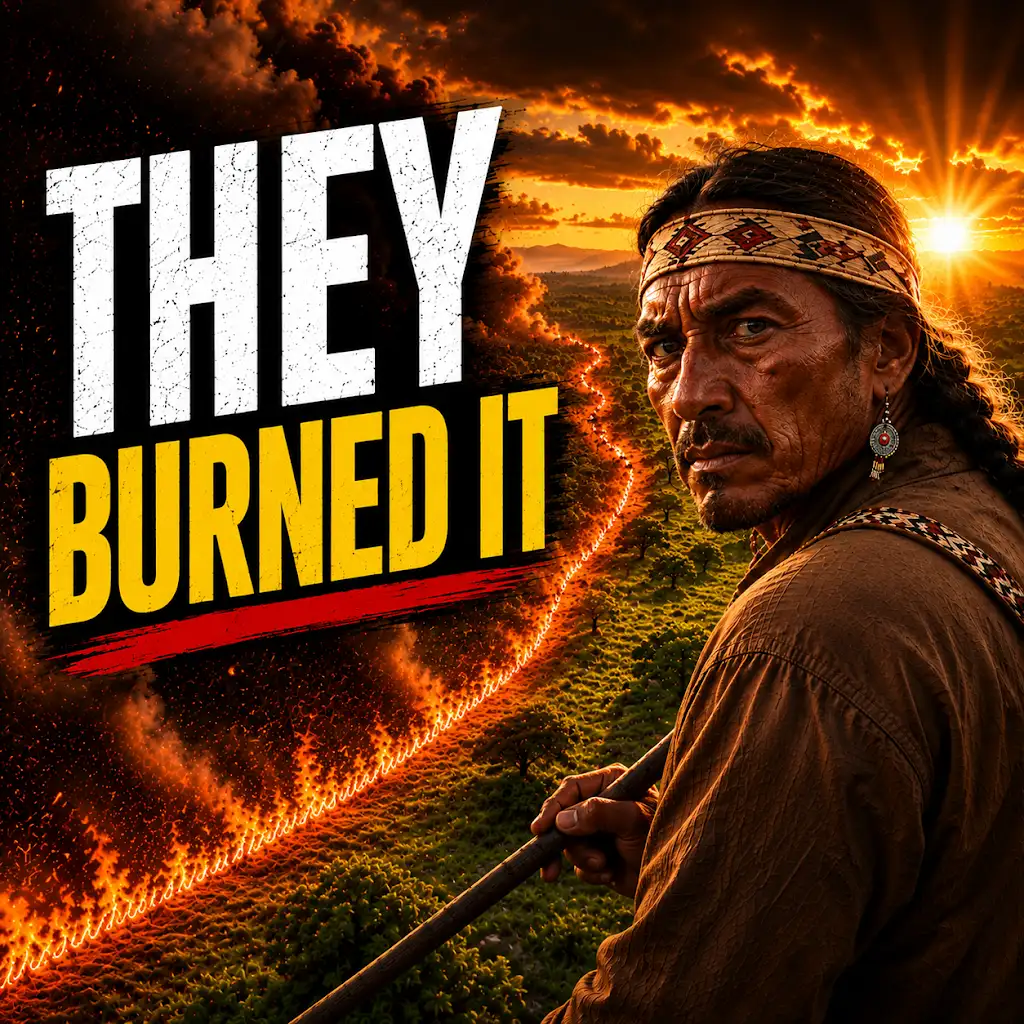
The Wilderness Was Engineered
FAQs
What are traditional Aboriginal burning practices?
Traditional Aboriginal burning practices refer to the controlled use of fire by Indigenous Australian communities to manage and maintain the landscape. These practices have been used for thousands of years to promote biodiversity, reduce the risk of wildfires, and facilitate hunting and gathering.
How do traditional Aboriginal burning practices benefit the environment?
Traditional Aboriginal burning practices help to maintain the health of the landscape by promoting the growth of native plants, reducing fuel loads that can lead to catastrophic wildfires, and creating diverse habitats for wildlife. These practices also contribute to the cultural and spiritual connection that Indigenous communities have with the land.
What is the role of traditional Aboriginal burning practices in modern land management?
In recent years, there has been a growing recognition of the value of traditional Aboriginal burning practices in modern land management. Many organizations and government agencies are working with Indigenous communities to incorporate these practices into wildfire management, conservation efforts, and sustainable land use planning.
How are traditional Aboriginal burning practices passed down through generations?
Traditional Aboriginal burning practices are passed down through oral traditions, cultural ceremonies, and practical experience. Elders and knowledge holders within Indigenous communities play a crucial role in teaching younger generations about the significance of fire in the landscape and the responsible use of fire for land management.
What are the challenges facing the continuation of traditional Aboriginal burning practices?
Challenges facing the continuation of traditional Aboriginal burning practices include changes in land tenure and management, loss of traditional knowledge due to colonization and forced removal from ancestral lands, and the impact of climate change on fire regimes. Efforts to support the revitalization of these practices are essential for the preservation of Indigenous cultural heritage and the sustainable management of the Australian landscape.