Reviving Traditional Native American Fire Management
For millennia, indigenous peoples across North America have understood fire not as an enemy to be eradicated, but as a powerful, dynamic force of nature to be managed. Their sophisticated systems of traditional ecological knowledge (TEK) encompassed a deep understanding of fire’s role in shaping landscapes, fostering biodiversity, and supporting human needs. However, the advent of Western land management practices, primarily focused on fire suppression, has disrupted these ancient traditions, leading to ecological imbalances and increased catastrophic wildfire risk. Today, a growing movement is underway to revive and reintegrate these traditional Native American fire management practices, recognizing their immense value for ecological restoration, cultural preservation, and building resilience in the face of climate change.
Understanding Fire’s Role in Ecosystems
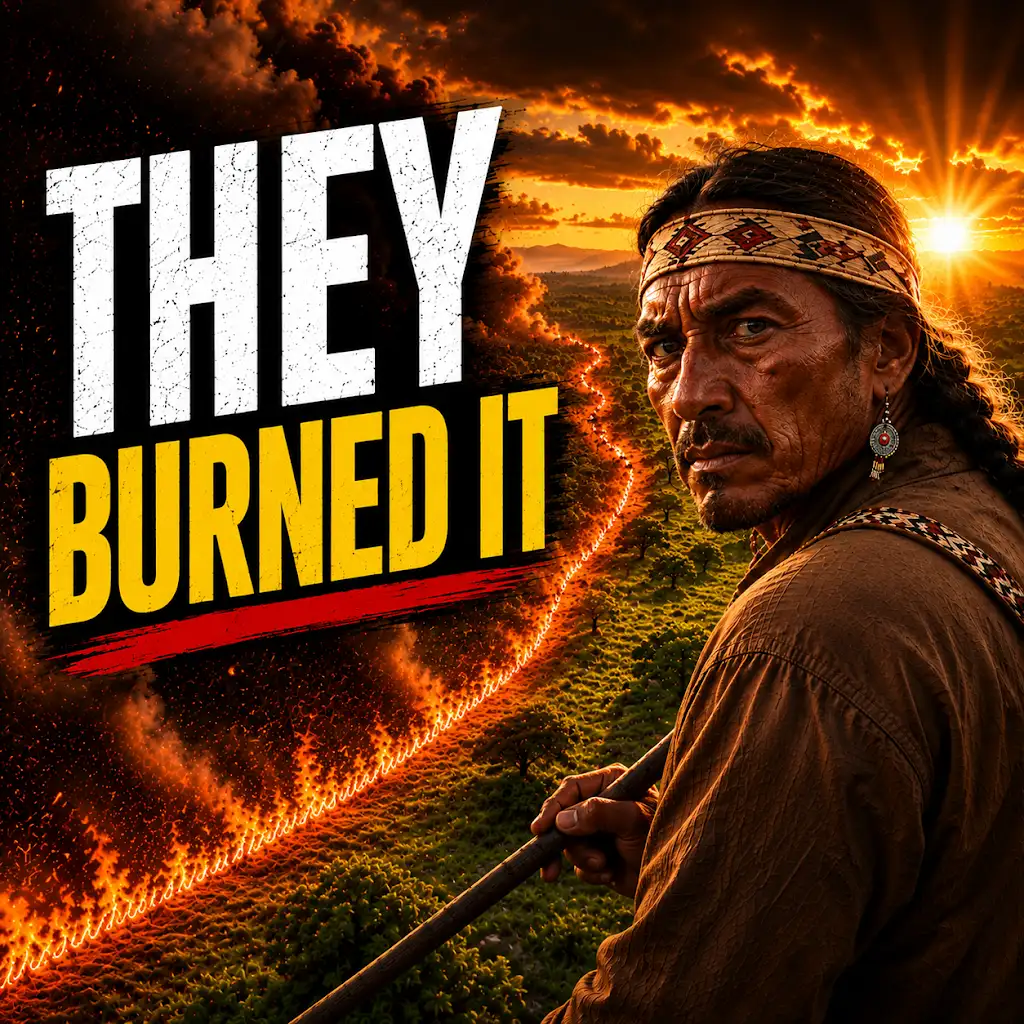
Indigenous cultures historically viewed fire as an integral part of the natural world, akin to rain or sunlight. It was a tool for sculpting landscapes, preventing larger, uncontrolled blazes, and promoting the health of plant and animal communities. For countless generations, Native American tribes utilized prescribed burns, also known as cultural burning or controlled burns, to achieve specific ecological objectives. These weren’t random acts of setting fire, but carefully planned and executed interventions based on a profound understanding of weather patterns, fuel loads, plant phenology, and the desired outcomes for the ecosystem.
Restoring Biodiversity Through Controlled Burns
Many ecosystems in North America have evolved under a regime of frequent, low-intensity fires. These fires clear out undergrowth, reduce competition for resources, and create a mosaic of habitats that supports a greater diversity of plant and animal life. For example, certain prairie grasses and wildflowers rely on fire to break dormancy and regenerate. Similarly, many species of wildlife benefit from the renewal of vegetation and the creation of open foraging areas. When fire is suppressed, these ecosystems can become overgrown and homogenous, leading to a decline in biodiversity. Traditional fire management practices, by reintroducing this natural disturbance, help to restore the ecological complexity that these landscapes depend on.
Fuel Management and Catastrophic Fire Prevention
One of the most critical aspects of traditional Native American fire management was its role in preventing large, destructive wildfires. By regularly burning accumulated dead vegetation, underbrush, and leaf litter, indigenous peoples kept fuel loads low. This reduced the intensity and spread of any fires that did occur, making them more manageable and less destructive. This contrasts sharply with modern fire management, which, by suppressing all fires, has inadvertently led to the buildup of massive amounts of fuel, creating conditions ripe for uncontrollable infernos. The historical record, replete with accounts of indigenous peoples using fire to manage their territories, demonstrates a proactive approach to fire that is now being recognized as a vital strategy for modern wildfire mitigation.
Native American fire management practices have long been recognized for their effectiveness in maintaining healthy ecosystems and reducing the risk of catastrophic wildfires. A related article that explores the impact of various environmental management strategies can be found at this link. This piece delves into how different approaches to land management, including those influenced by indigenous practices, can shape environmental outcomes and community resilience.
The Cultural Significance of Fire Management
Fire as a Cultural Practice and Spiritual Connection
For many Native American tribes, fire management extends far beyond ecological goals; it is deeply intertwined with their cultural identity and spiritual beliefs. Fire is often seen as a sacred element, a source of life, and a symbol of purification and renewal. The practice of cultural burning is a way to maintain a reciprocal relationship with the land, honoring ancestral knowledge and passing down traditions to future generations. It is a living cultural practice that connects people to their heritage, their land, and their spiritual cosmology. The skills and knowledge associated with cultural burning are passed down through oral traditions, mentorship, and direct participation, making it a vital component of cultural transmission.
Intergenerational Knowledge Transfer and Mentorship
The revival of traditional fire management is intrinsically linked to the re-establishment of mentorship and intergenerational knowledge transfer. Elders who hold this valuable TEK are crucial to training younger generations. This process involves not just the technical aspects of lighting and controlling fires, but also the deep understanding of when, where, and why to burn, as well as the spiritual and cultural protocols associated with the practice. This hands-on learning, passed down through direct experience and observation, is far more effective than classroom instruction alone. The cultural burning process itself becomes a powerful educational experience, fostering a sense of responsibility and connection to the land.
Strengthening Tribal Sovereignty and Self-Determination
Reclaiming and implementing traditional fire management practices is also a powerful act of tribal sovereignty and self-determination. For too long, indigenous lands have been managed by external agencies with little regard for tribal knowledge or priorities. By taking back control of their fire management, tribes are asserting their right to govern their own territories and make decisions that are best for their lands and their communities. This includes the ability to conduct cultural burns according to their own traditions and objectives, rather than being dictated by federal or state regulations that often do not align with indigenous values. This reassertion of authority is a critical step in the ongoing process of decolonization and the restoration of indigenous governance.
Challenges and Opportunities in Reviving Traditional Fire Management
Overcoming Historical Misconceptions and Regulatory Hurdles
One of the primary challenges in reviving traditional Native American fire management is overcoming decades of ingrained Western fire suppression ideology. For many, fire is synonymous with destruction, and the concept of using it as a management tool can be difficult to grasp. Furthermore, existing regulations, often designed for Western land management, can create significant bureaucratic hurdles for tribes seeking to implement cultural burns. Permitting processes can be cumbersome, insurance requirements can be prohibitive, and the legal framework may not adequately accommodate traditional practices. Addressing these misconceptions and reforming regulations are essential steps for enabling the widespread adoption of cultural burning.
Building Capacity and Training New Fire Practitioners
Reviving these traditions requires significant investment in building capacity and training new generations of fire practitioners. This involves not only teaching the technical skills of prescribed burning but also instilling the deep ecological and cultural understanding that underpins TEK. Tribes are working to establish their own fire crews, develop training programs that integrate TEK with modern fire science, and secure the necessary equipment and resources. This is a long-term commitment that requires collaboration between tribal governments, federal agencies, academic institutions, and non-profit organizations to ensure the sustainable continuation of these practices.
Fostering Collaboration Between Tribes, Agencies, and Researchers
Successful revival of traditional fire management hinges on effective collaboration. This means building bridges between Native American tribes, federal and state land management agencies (such as the Forest Service and Bureau of Indian Affairs), and academic researchers. These partnerships can facilitate the sharing of knowledge, resources, and expertise. Tribes can share their invaluable TEK, while agencies can provide technical support, equipment, and access to land. Researchers can help document, validate, and disseminate the effectiveness of these practices, contributing to a broader understanding and acceptance.
Case Studies: Successful Implementations of Cultural Burning
Indigenous-Led Fire Initiatives and Their Impact
Across the continent, numerous Native American tribes are leading the charge in reviving traditional fire management. The Karuk Tribe in California, for example, has been a pioneer in reintroducing cultural burning to their ancestral lands, demonstrating significant success in reducing wildfire risk and restoring forest health. The Yurok Tribe, also in California, has actively engaged in cultural burning for generations, recognizing its role in maintaining the health of their redwood forests and providing important resources for their community. These and many other tribes are not just practicing fire management; they are actively advocating for its broader recognition and integration into national land management strategies.
The Benefits of Integrating TEK with Modern Fire Science
The most promising path forward often involves the integration of traditional ecological knowledge with modern fire science. This synergistic approach allows for the best of both worlds: the deep, holistic understanding of fire’s ecological role and cultural significance from TEK, combined with the precise data, modeling capabilities, and safety protocols of modern science. This fusion can lead to more effective, efficient, and culturally appropriate fire management strategies that address the complex challenges of today’s landscape. For instance, TEK can inform where and when to burn based on centuries of observation, while modern science can provide real-time weather data and fire behavior modeling to ensure safety and achieve specific outcomes.
Policy Reforms and Funding for Traditional Fire Programs
Recognizing the success of these initiatives, there is a growing movement for policy reform and increased funding for traditional fire management programs. Legislation such as the Great American Outdoors Act and various tribal self-determination initiatives are beginning to provide pathways for tribes to access resources and implement their own fire management plans. However, more sustained and dedicated funding is crucial to support the long-term vision of restoring cultural burning practices and building the necessary infrastructure and capacity within tribal communities. Advocates are pushing for policies that streamline permitting, provide liability protection, and recognize the inherent rights of tribes to manage their lands according to their traditions.
Native American fire management practices have long been recognized for their ecological benefits and cultural significance. These traditional techniques not only help in maintaining healthy ecosystems but also play a crucial role in wildfire prevention. For a deeper understanding of how indigenous practices intersect with contemporary issues, you might find it interesting to explore the article on whether the moon could be considered a sovereign territory. This discussion highlights the ongoing relevance of indigenous rights and perspectives in today’s world, much like the importance of traditional fire management methods. You can read more about it here.
The Future of Fire Management: A Collaborative and Culturally Informed Approach
| Tribe | Fire Management Technique | Effectiveness |
|---|---|---|
| Karuk Tribe | Prescribed burning | Reduces fuel load and promotes forest health |
| Pueblo of Jemez | Traditional controlled burns | Protects cultural resources and reduces wildfire risk |
| Yurok Tribe | Fire scar mapping | Understands historical fire patterns and informs modern fire management |
Reimagining Our Relationship with Fire
The revival of traditional Native American fire management offers a profound opportunity to reimagine our collective relationship with fire. It challenges the dominant paradigm of fire suppression and advocates for a more nuanced, respectful, and ecologically informed approach. By learning from the wisdom of indigenous peoples, we can move towards a future where fire is understood as a vital ecological process, a cultural cornerstone, and a tool for building resilient landscapes and communities. This shift in perspective is not just about managing forests; it’s about fostering a deeper connection with the natural world and recognizing the invaluable contributions of indigenous knowledge systems.
Empowering Indigenous Communities as Fire Stewards
Ultimately, the success of reviving traditional fire management rests on empowering indigenous communities to be the primary stewards of their lands. This means providing them with the resources, recognition, and autonomy to practice their ancestral fire traditions. It also involves fostering a spirit of genuine partnership and respect, where indigenous voices and knowledge are prioritized and integrated into all aspects of fire management decision-making. As indigenous communities increasingly reclaim their role as fire stewards, they are not only healing their lands but also offering a critical model for sustainable land management for the entire planet.
A Path Towards Ecological Resilience and Cultural Revitalization
The integration of traditional Native American fire management practices holds immense promise for achieving both ecological resilience and cultural revitalization. By embracing this ancient wisdom, we can work towards healthier, more biodiverse landscapes, reduce the risk of catastrophic wildfires, and honor the enduring legacy of indigenous peoples. This is a journey of reconciliation, respect, and a shared commitment to a sustainable future, where the lessons of the past illuminate the path forward for generations to come. The ongoing efforts to revive these practices represent a vital step in a broader movement towards environmental justice and the recognition of indigenous rights and knowledge.
The Wilderness Was Engineered
FAQs
What is Native American fire management?
Native American fire management refers to the traditional practice of using controlled burns to manage and maintain ecosystems. This practice has been used by Indigenous peoples in North America for thousands of years to promote biodiversity, reduce the risk of catastrophic wildfires, and support the health of forests and grasslands.
How do Native Americans use fire management?
Native Americans use fire management by intentionally setting controlled burns in specific areas to clear out underbrush, promote new growth, and maintain the health of the ecosystem. This practice helps to prevent the buildup of flammable materials and reduces the risk of large, destructive wildfires.
What are the benefits of Native American fire management?
The benefits of Native American fire management include promoting biodiversity, maintaining healthy ecosystems, reducing the risk of catastrophic wildfires, and supporting the cultural and traditional practices of Indigenous communities. Controlled burns also help to improve soil fertility and promote the growth of important plant species.
How does Native American fire management differ from modern fire management practices?
Native American fire management differs from modern fire management practices in that it is based on traditional ecological knowledge and a deep understanding of the local environment. Indigenous communities use controlled burns as a proactive and sustainable approach to ecosystem management, whereas modern fire management often focuses on suppression and containment of wildfires.
What is the current status of Native American fire management practices?
Despite historical suppression of Native American fire management practices by colonial authorities, there is a growing recognition of the importance of traditional ecological knowledge and the benefits of controlled burns. Efforts are being made to incorporate Indigenous fire management practices into modern land management strategies and to support the revitalization of these traditional practices within Indigenous communities.