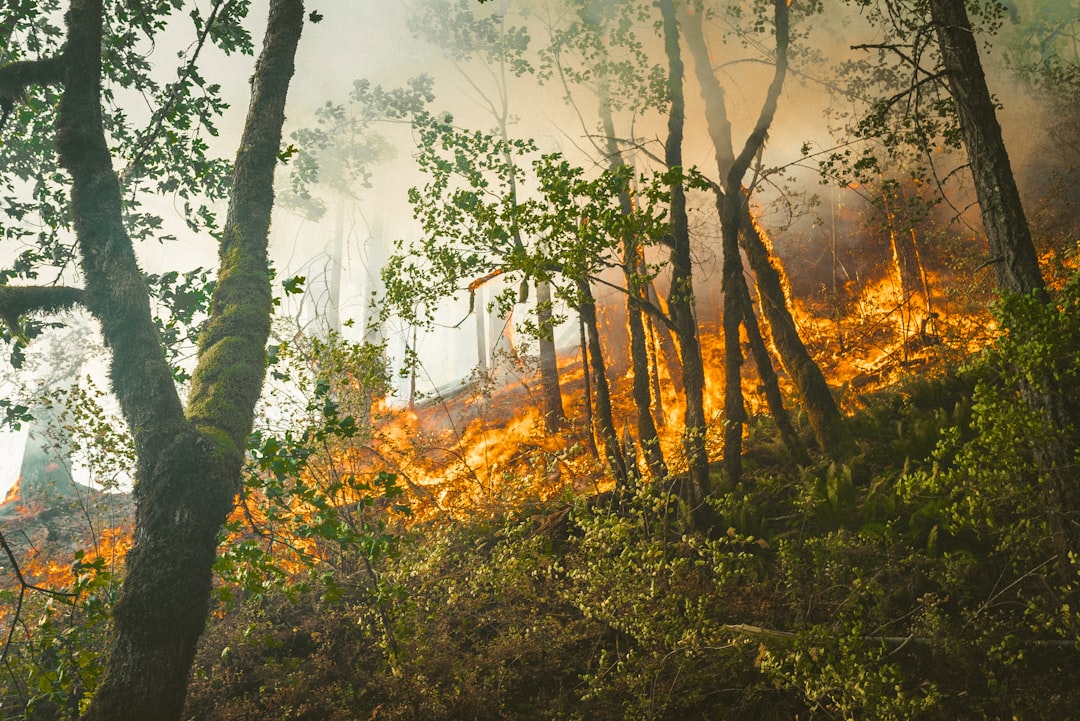
The embers of ancestral knowledge are being fanned back to life, illuminating a path toward ecological restoration. For generations, Indigenous peoples of North America, including various Native American tribes, have wielded fire not as a force of destruction, but as a vital tool for shaping and sustaining their landscapes. This traditional practice, often referred to as Indigenous burning or cultural burning, was intrinsically linked to maintaining ecological balance, fostering biodiversity, and ensuring the health of forests, grasslands, and waterways. Today, as modern ecological challenges like wildfire severity and invasive species proliferation intensify, there is a growing recognition of the profound wisdom embedded within these age-old fire practices. Reviving them offers a powerful and culturally resonant approach to ecological management, moving beyond the often destructive suppression strategies that have, in many cases, led to the accumulation of fuel and exacerbated wildfire risks.
For millennia, Indigenous communities across North America lived in a reciprocal relationship with their environment. Fire was an integral part of this dynamic, employed with intention and deep understanding. This was not the uncontrolled inferno that modern society often fears, but rather a deliberate, often low-intensity application of flame that served a multitude of ecological purposes. Cultural burning was a sophisticated land management technique, passed down through oral traditions and generations of observation. It was a cornerstone of Indigenous lifeways, intertwined with their cultural identity, spiritual beliefs, and subsistence practices.
Understanding the Intent and Purpose of Indigenous Burning
The objectives of Indigenous burning were multifaceted and deeply rooted in ecological principles. Unlike modern wildfire management, which often prioritizes complete suppression, Indigenous burning aimed to actively manage ecosystems for long-term health and resilience.
Promoting Biodiversity and Habitat Creation
One of the primary goals of cultural burning was to foster a diverse array of plant and animal life. By clearing undergrowth and creating mosaic patterns of burned and unburned areas, Indigenous peoples opened up new habitats and provided fresh forage for game animals. These burns prevented the encroachment of dense, homogenous vegetation, which can outcompete more specialized species. The removal of dense brush also allowed sunlight to reach the forest floor, encouraging the growth of forbs and grasses essential for herbivores.
Managing Fuel Loads and Preventing Catastrophic Wildfires
Paradoxically, Indigenous burning was a crucial tool for preventing large, destructive wildfires. By regularly introducing low-intensity fires, they prevented the accumulation of vast amounts of dead organic matter on the forest floor. This understory fuel, if left unchecked, can readily ignite and propel fires into the canopy, leading to uncontrollable and devastating conflagrations. Cultural burning created natural firebreaks and reduced the intensity of any fires that did occur, making them more manageable and less damaging.
Enhancing Resource Availability for Indigenous Communities
The practice of cultural burning was also directly linked to the well-being and sustenance of Indigenous peoples. By clearing land, they could more easily access medicinal plants and gather food resources. Controlled burns could stimulate the growth of desired plants, such as berries or edible roots, and improve hunting grounds by making game more visible and accessible. The smoke from these fires also played a role in traditional practices, including signaling and sanitation.
The Ecological Principles Behind Indigenous Fire Management
The effectiveness of cultural burning was not accidental; it was based on a profound understanding of ecological processes. Indigenous peoples observed the natural fire regimes of their territories and learned to work with these forces, rather than against them.
Mimicking Natural Fire Cycles
Many ecosystems are naturally fire-adapted. Indigenous burning mimicked these natural fire cycles, introducing periodic, low-intensity fires that maintained the health of fire-dependent species. Plants like certain pines and oaks, for instance, have cones or seeds that require fire to open and germinate. Without fire, these species would decline, leading to a less resilient ecosystem.
Creating Landscape Heterogeneity
The mosaic patterns created by Indigenous burning were crucial for supporting a wide range of species. These varied patches of vegetation offered diverse microhabitats, catering to the specific needs of different insects, birds, mammals, and plants. This heterogeneity is a hallmark of healthy, biodiverse ecosystems.
Nutrient Cycling and Soil Health
Fire plays a vital role in nutrient cycling. The burning of organic matter releases essential nutrients back into the soil, making them available for plant growth. Indigenous burning facilitated this process, promoting soil fertility and encouraging the regeneration of plant communities. It also helped to break down dense organic layers that could otherwise become impediments to new growth.
Native American fire ecology is a fascinating subject that highlights the traditional practices of indigenous peoples in managing landscapes through controlled burns. These practices not only promote biodiversity but also help in maintaining healthy ecosystems. For a deeper understanding of the historical context and the impact of fire on the environment, you can explore the article “The Year History Stood Still When the Wind Ceased,” which discusses the intricate relationship between fire, culture, and ecology. You can read it here: The Year History Stood Still When the Wind Ceased.
The Impact of Fire Suppression: A Disruption of Natural Balance
For much of the 20th century, Western ecological management adopted a policy of total fire suppression. Driven by a desire to protect human settlements and timber resources, this approach aimed to extinguish every wildfire as quickly as possible. While seemingly logical in the short term, this strategy had unintended and detrimental consequences for many of the landscapes that had historically been shaped by fire.
The Accumulation of Fuel: A Recipe for Disaster
The most significant impact of fire suppression was the unchecked accumulation of dead organic matter on the forest floor and in the understory. Without the regular clearing effect of low-intensity fires, this fuel load grew exponentially, creating tinderbox conditions. What were once naturally occurring, manageable fires now had the potential to become catastrophic infernos.
Altered Plant Communities and Loss of Biodiversity
Fire-dependent species, which relied on fire for germination and propagation, began to decline. The suppression of fire allowed more shade-tolerant, fire-sensitive species to dominate, leading to a homogenization of plant communities. This loss of diversity at the plant level cascaded through the ecosystem, impacting the animals that depended on specific plant life for food and shelter. Invasive species, often more aggressive in the absence of natural competition from native flora, also thrived in these altered landscapes.
Increased Wildfire Severity and Unpredictability
The consequence of fuel accumulation and altered plant communities was a dramatic increase in wildfire severity. Fires that once moved through ecosystems at a low intensity, maintaining health and clearing undergrowth, now exploded into high-intensity crown fires that were incredibly destructive, killing mature trees and decimating entire landscapes. These fires became more difficult to control, posing greater risks to human lives and property.
Disruption of Indigenous Traditional Ecological Knowledge
The imposition of Western land management practices often disregarded or actively suppressed Indigenous traditional ecological knowledge (TEK). This resulted in the loss of valuable intergenerational knowledge about fire management, leading to a disconnect between Indigenous communities and their ancestral lands. The inability to practice cultural burning further marginalized Indigenous peoples and their contributions to land stewardship.
The Resurgence of Cultural Burning: A Collaborative Path Forward

In recent decades, a growing awareness of the ecological consequences of fire suppression has led to a renewed interest in Indigenous fire practices. Many scientists, land managers, and policymakers are now recognizing the immense value of cultural burning and the deep ecological wisdom it embodies. This resurgence is not simply about reintroducing fire; it is about reviving a holistic approach to land stewardship that centers Indigenous knowledge and collaboration.
Reclaiming Indigenous Sovereignty and Land Management
The revival of cultural burning is intrinsically linked to Indigenous sovereignty and the right of Indigenous peoples to manage their ancestral territories. By empowering Indigenous communities to practice their traditional fire management techniques, it acknowledges their deep connection to the land and their expertise in ecological stewardship. This collaboration fosters a sense of ownership and responsibility for the health of these vital ecosystems.
Partnerships Between Indigenous Communities and Government Agencies
Successful revival efforts often involve strong partnerships between Indigenous communities and government agencies such as the U.S. Forest Service, National Park Service, and state forestry departments. These collaborations bring together the TEK of Indigenous peoples with the resources and capacity of governmental organizations. This synergy allows for the scaling up of cultural burning projects and ensures their long-term sustainability.
Training and Capacity Building for Indigenous Burners
A crucial aspect of these partnerships is the investment in training and capacity building for Indigenous fire practitioners. This includes providing resources for equipment, ensuring proper safety protocols are followed, and facilitating the transfer of knowledge to younger generations. It also involves recognizing and valuing the expertise of traditional burners, often formalizing their roles within land management agencies.
Establishing Intertribal Fire Councils and Networks
The formation of intertribal fire councils and networks has been instrumental in sharing knowledge, best practices, and resources among different Indigenous communities. These organizations provide a platform for Indigenous burners to connect, learn from each other’s experiences, and advocate for the continued use of cultural burning. They foster a sense of collective stewardship and amplify Indigenous voices in land management decisions.
Demonstrating the Ecological Benefits of Cultural Burning
As cultural burning programs expand, their ecological benefits are becoming increasingly evident. Documented successes are providing compelling evidence of the positive impacts of this traditional practice on landscape health and resilience.
Restoration of Fire-Dependent Ecosystems
Cultural burning is proving effective in restoring fire-dependent ecosystems that have suffered from decades of suppression. By carefully reintroducing fire, these programs are helping to promote the regeneration of native plant species, increase biodiversity, and re-establish natural ecological processes.
Mitigation of Wildfire Risk
The practice of strategically burning fuel loads directly contributes to mitigating the risk of catastrophic wildfires. By reducing the amount of flammable material, cultural burns create healthier forests and grasslands that are less susceptible to the rapid spread and intense heat of large-scale fires. This not only protects natural resources but also safeguards communities.
Challenges and Opportunities in the Revived Practice
While the resurgence of cultural burning is a promising development, it is not without its challenges. Navigating bureaucratic hurdles, addressing public perception, and ensuring the long-term sustainability of these initiatives require ongoing effort and commitment. However, these challenges also present significant opportunities for innovation and deeper understanding.
Addressing Public Perception and Education
The word “fire” can evoke fear and concern in the public consciousness, largely due to the devastating wildfires of recent memory. Educating the public about the difference between destructive wildfires and controlled cultural burns is paramount. Showcasing the ecological benefits and the deep cultural significance of Indigenous burning is crucial for building public support and dispelling misconceptions.
Community Engagement and Communication Strategies
Effective communication with local communities is essential for the successful implementation of cultural burning projects. This involves transparently sharing plans, addressing concerns, and demonstrating the benefits of these practices. Engaging local residents in the process, through volunteer opportunities or educational events, can foster a sense of shared stewardship and build trust.
Highlighting Success Stories and Positive Outcomes
Sharing success stories and positive outcomes from cultural burning projects is a powerful tool for public education and advocacy. These narratives can demonstrate the tangible benefits to ecosystems and communities, helping to shift public perception from fear to understanding and support.
Navigating Regulatory Frameworks and Bureaucratic Hurdles
Traditional Indigenous burning practices often operated outside of the rigid regulatory frameworks established for modern land management. Adapting these ancient techniques to contemporary legal and bureaucratic structures can be complex. This requires ongoing dialogue and collaboration between Indigenous communities and government agencies to create flexible and supportive policies.
Streamlining Permitting Processes for Cultural Burns
The process of obtaining permits for prescribed burns can be cumbersome and time-consuming, often posing a barrier for Indigenous communities wishing to practice cultural burning. Efforts to streamline these permitting processes, while maintaining safety and environmental standards, are crucial for enabling the widespread application of cultural burning.
Developing Supportive Policy and Legislation
The development of supportive policy and legislation at local, state, and federal levels is vital for the long-term success of cultural burning. This includes recognizing Indigenous TEK, providing dedicated funding for cultural burning initiatives, and empowering Indigenous communities in land management decisions. Policies that explicitly support the reintroduction of Indigenous fire practices are essential for their sustained growth.
Ensuring the Intergenerational Transfer of Knowledge
The sustainability of cultural burning relies on the effective transfer of knowledge from elder practitioners to younger generations. This intergenerational transmission is not merely about teaching techniques; it is about instilling the deep understanding, cultural context, and spiritual connection that underpins these practices.
Developing Formal Training Programs and Apprenticeships
Creating formal training programs and apprenticeship opportunities specifically for cultural burning is a critical step. These programs can provide structured learning environments where younger individuals can gain hands-on experience under the guidance of seasoned practitioners. This ensures that the nuances and ethical considerations of fire management are passed down effectively.
Documenting and Archiving Traditional Knowledge
In instances where oral traditions may be fading, efforts to document and archive traditional knowledge are essential. This can involve recording the stories, practices, and ecological observations of elder burners, creating written guides, or developing multimedia resources that can be accessed by future generations. This preservation ensures that invaluable knowledge is not lost.
Native American fire ecology plays a crucial role in understanding how indigenous practices have shaped landscapes and ecosystems for centuries. By utilizing controlled burns, Native American tribes have managed to promote biodiversity and reduce the risk of larger wildfires. For a deeper exploration of how traditional ecological knowledge intersects with modern environmental challenges, you can read this insightful article on the importance of cultural practices in land management. Check it out here.
The Future of Ecological Balance: Indigenous Fire as a Guiding Light
| Aspect | Information |
|---|---|
| Traditional Knowledge | Native American tribes have developed extensive knowledge and practices related to fire ecology, including controlled burns to manage vegetation and promote biodiversity. |
| Fire Adapted Ecosystems | Many Native American cultures have co-evolved with fire-adapted ecosystems, using fire as a tool for land management and resource stewardship. |
| Community Engagement | Native American communities often engage in collaborative fire management efforts, working with government agencies and conservation organizations to implement traditional fire practices. |
| Ecological Benefits | Traditional fire practices can help reduce fuel loads, prevent catastrophic wildfires, and promote the health of ecosystems, including the regeneration of culturally important plants. |
The revival of traditional Native American fire practices is more than just an ecological strategy; it is a profound act of cultural reclamation and a testament to the enduring wisdom of Indigenous peoples. As the world grapples with the escalating impacts of climate change and the degradation of natural landscapes, the ancient art of cultural burning offers a powerful and sustainable pathway towards ecological balance. It represents a paradigm shift in how we perceive and interact with fire, moving from a strategy of suppression to one of partnership and restoration.
A Holistic Approach to Land Stewardship
Cultural burning embodies a holistic approach to land stewardship, recognizing the interconnectedness of all living things and the intrinsic value of healthy ecosystems. It emphasizes the importance of working in harmony with natural processes, rather than attempting to control or dominate them. This philosophy has the potential to inform broader approaches to environmental management, fostering a more sustainable and respectful relationship with the Earth.
Empowering Indigenous Communities as Guardians of the Land
By supporting and empowering Indigenous communities to lead the revival of cultural burning, we acknowledge their role as the original and most effective stewards of their ancestral lands. This partnership not only benefits the environment but also strengthens Indigenous self-determination and cultural continuity. Their expertise, honed over millennia, is an invaluable asset in navigating the complex ecological challenges of our time.
A Beacon of Hope for a Resilient Future
The growing success of cultural burning initiatives serves as a powerful beacon of hope for a more resilient future. As these practices are revitalized and expanded, they demonstrate the capacity of traditional knowledge to address contemporary environmental crises. The crackling flames of a carefully managed cultural burn are not just a signal of ecological restoration; they are a testament to the enduring strength and wisdom of Indigenous cultures, illuminating a path towards a healthier planet for all. The legacy of Indigenous fire management, once suppressed, is now re-emerging as a vital force in the ongoing effort to heal and sustain the natural world.
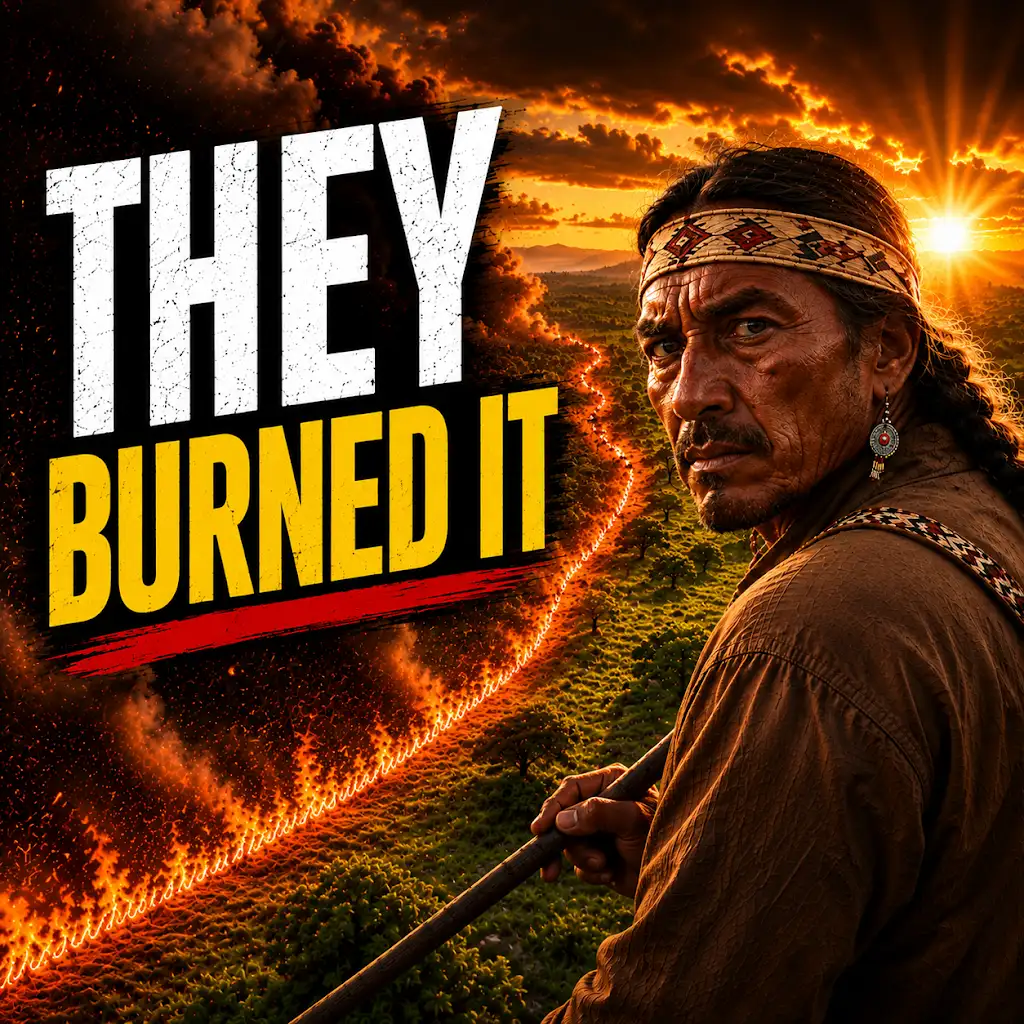
The Wilderness Was Engineered
FAQs
What is Native American fire ecology?
Native American fire ecology refers to the traditional use of fire by indigenous peoples in North America to manage and shape the landscape. This practice involves intentionally setting controlled fires to promote the health of ecosystems, maintain biodiversity, and support the growth of important plant species.
How did Native Americans use fire as a tool for land management?
Native Americans used fire to clear underbrush, promote the growth of certain plant species, and create open areas for hunting and gathering. They also used fire to maintain grasslands for grazing and to reduce the risk of larger, more destructive wildfires.
What are the ecological benefits of Native American fire ecology?
The use of fire by Native Americans has numerous ecological benefits, including promoting the growth of fire-adapted plant species, reducing the risk of catastrophic wildfires, and maintaining diverse and healthy ecosystems. Fire also helps to recycle nutrients and maintain the balance of plant and animal communities.
How does Native American fire ecology differ from modern fire management practices?
Native American fire ecology is based on traditional knowledge and a deep understanding of the local environment, while modern fire management practices often focus on suppressing all fires. Native American fire ecology emphasizes the use of controlled, intentional fires to maintain healthy ecosystems, while modern practices often prioritize fire suppression.
What is the current role of Native American fire ecology in land management?
There is a growing recognition of the value of incorporating Native American fire ecology into modern land management practices. Many organizations and agencies are working to integrate traditional ecological knowledge and practices into fire management strategies, in order to promote healthier ecosystems and reduce the risk of catastrophic wildfires.