Reviving Traditional Practices: Indigenous Ecological Engineering
Indigenous communities across the globe possess a wealth of knowledge accumulated over millennia, a profound understanding of their local ecosystems, and the intricate practices that have sustained them for generations. This inherited wisdom, often referred to as Indigenous Ecological Engineering (IEE), represents a sophisticated system of resource management, conservation, and environmental stewardship. In an era increasingly defined by ecological degradation and the limitations of conventional engineering approaches, there is a growing recognition of the vital importance of reviving and integrating these traditional practices. This article delves into the multifaceted world of Indigenous Ecological Engineering, exploring its principles, applications, benefits, and the critical need for its revival in addressing contemporary environmental challenges.
Indigenous Ecological Engineering is not a static set of techniques but a dynamic and evolving knowledge system deeply rooted in a holistic worldview. It is characterized by a profound and intimate connection with the natural world, where human societies are viewed not as separate from, but as integral parts of, their environments. This philosophical underpinning shapes every aspect of IEE, influencing how resources are perceived, utilized, and managed.
The Concept of Reciprocity and Relationship
At the heart of IEE lies the principle of reciprocity. Indigenous peoples often perceive the natural world as a network of living beings with whom they share reciprocal responsibilities. They understand that taking from the land requires giving back, whether through ceremony, careful harvesting, or the active restoration of ecological functions. This contrasts sharply with many modern industrial approaches that often emphasize extraction and exploitation with little regard for ecological consequences. The concept of “kinship” with the land, plants, and animals fosters a sense of deep respect and responsibility, ensuring that actions are taken with the long-term health of the ecosystem in mind. This relational perspective is crucial for understanding the sustainability embedded within IEE.
Observation and Long-Term Monitoring
Indigenous Ecological Engineering relies heavily on generations of meticulous observation and long-term monitoring of natural processes. This empirical knowledge, passed down through oral traditions, stories, and practical apprenticeship, provides invaluable insights into ecological dynamics, including seasonal cycles, species interactions, soil health, and water flow. Elders and traditional knowledge holders can often predict weather patterns, identify the subtle signs of ecological imbalance, and understand the complex interplay of factors that contribute to a healthy ecosystem. This observational capacity is a sophisticated form of ecological sensing, far more nuanced than many quantitative scientific methods alone.
Adaptability and Local Context
A key strength of IEE is its inherent adaptability to specific local contexts. Traditional practices are not generic blueprints but are tailored to the unique environmental conditions, cultural values, and social structures of a particular region. This localized approach ensures that interventions are appropriate, effective, and integrated seamlessly into the existing ecological and social fabric. What works in a desert environment will differ greatly from what is practiced in a rainforest or a mountainous region, reflecting a deep understanding of place-specific ecological principles.
Indigenous ecological engineering is a fascinating field that highlights the sustainable practices of Indigenous peoples in managing their environments. A related article that delves into the significance of ancient practices and their relevance today can be found at this link: Unraveling Ancient Mysteries: New Discoveries Shed Light. This article explores how recent findings are illuminating the intricate relationship between Indigenous communities and their ecosystems, showcasing the wisdom embedded in traditional ecological knowledge.
Diverse Applications of Indigenous Ecological Engineering
The applications of Indigenous Ecological Engineering are as diverse as the Indigenous cultures that developed them. These practices span a wide range of environmental challenges, from agriculture and water management to landscape restoration and resource conservation.
Sustainable Agriculture and Food Systems
Indigenous communities have developed highly sophisticated agricultural systems that not only produce food but also enhance soil fertility, conserve water, and promote biodiversity.
Agroforestry and Permaculture
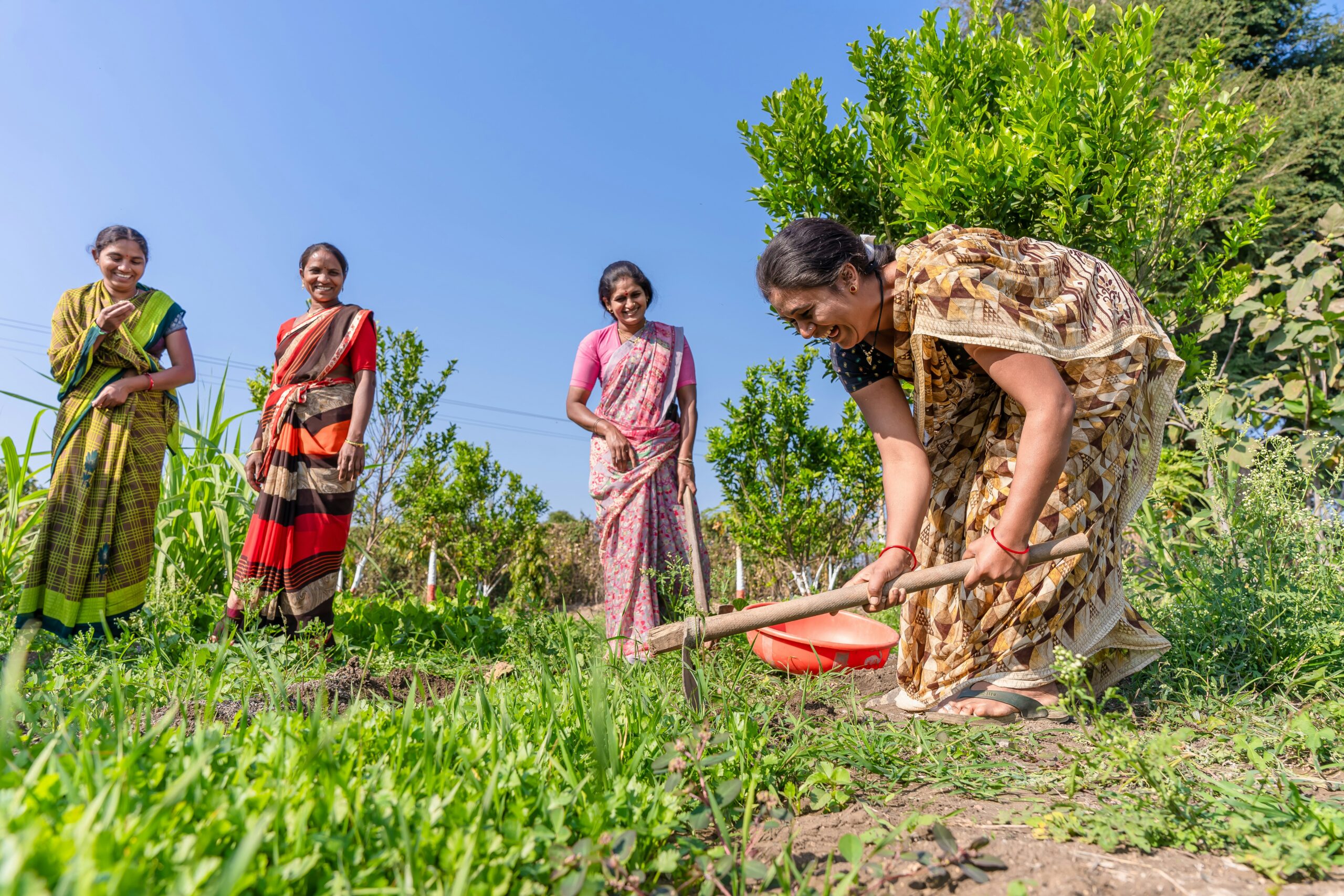
Many Indigenous groups practiced forms of agroforestry, integrating trees and shrubs into agricultural landscapes. This system mimics natural forest structures, providing shade, improving soil structure, enhancing nutrient cycling, and offering diverse food sources. Permaculture principles, which emphasize working with nature rather than against it, are often deeply embedded within these traditional agricultural systems, focusing on mimicking natural patterns and creating self-sustaining ecosystems.
Terracing and Contour Farming
In mountainous or sloped terrains, Indigenous peoples developed elaborate terracing systems to prevent soil erosion and maximize water retention. Contour farming, planting along the natural contours of the land, further reduces runoff and conserves soil moisture. These techniques are remarkably effective in preventing land degradation and ensuring agricultural productivity in challenging environments.
Seed Saving and Heirloom Varieties
The preservation of diverse heirloom seed varieties is a cornerstone of Indigenous food systems. These varieties are often adapted to local conditions, resilient to pests and diseases, and possess unique nutritional and cultural significance. Seed saving ensures food security and maintains genetic diversity, crucial for future adaptation to changing environmental conditions.
Water Management and Conservation
Water is a life-giving resource, and Indigenous communities have developed ingenious methods for managing, conserving, and purifying it.
Wetland Restoration and Management
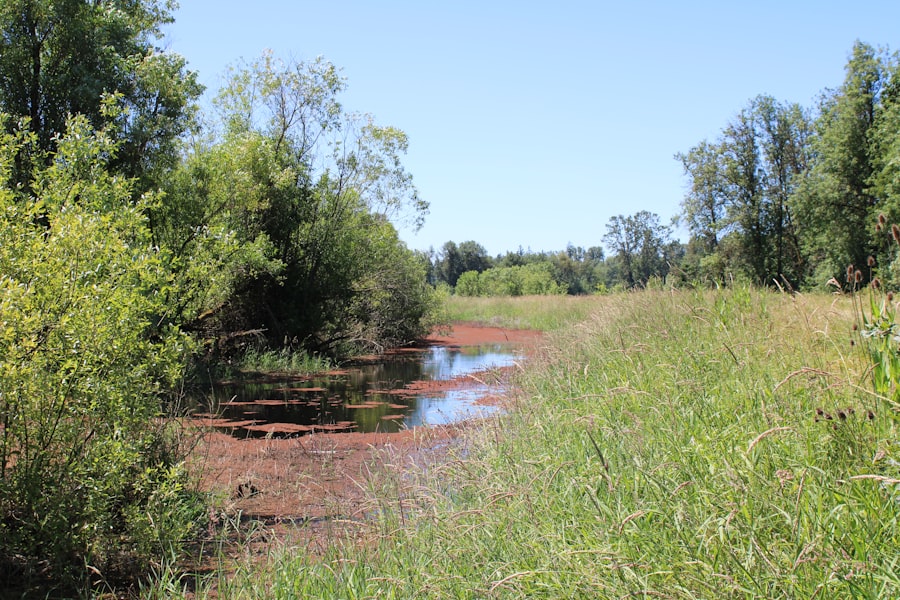
Indigenous peoples often viewed wetlands not as wastelands but as vital ecological hubs. They developed practices for managing and restoring wetlands, recognizing their role in water filtration, flood control, and biodiversity support. Traditional methods for managing water levels and maintaining wetland vegetation are critical for ecological health.
Water Harvesting Techniques
From elaborate canal systems in arid regions to small-scale infiltration basins, Indigenous communities have a long history of innovative water harvesting techniques. These methods capture rainwater and seasonal runoff, ensuring water availability during dry periods and reducing reliance on external water sources.
Natural Filtration Systems
Some Indigenous communities developed natural filtration systems using plants and specific soil layers to purify drinking water, demonstrating an advanced understanding of ecological processes for health and sanitation.
Landscape Management and Restoration
Indigenous peoples have actively shaped and managed their landscapes for millennia, fostering ecological balance and resilience.
Controlled Burning and Fire Management
Controlled burning, a practice widely employed by Indigenous communities, is a powerful tool for managing vegetation, reducing the risk of large wildfires, and promoting the growth of certain plant species. This practice demonstrates a deep understanding of fire ecology and its role in shaping ecosystems.
Traditional Forest Management
Practices like selective harvesting, the creation of forest gardens, and the promotion of specific tree species have maintained forest health, biodiversity, and productivity over long periods. This approach contrasts with modern clear-cutting methods.
Soil Health and Fertility Enhancement
Indigenous methods for maintaining soil health and fertility are diverse and often involve the use of organic matter, composting, and the integration of nitrogen-fixing plants. These practices build healthy, resilient soils that support robust plant growth.
The Benefits of Reviving Indigenous Ecological Engineering

The revival and integration of Indigenous Ecological Engineering offer a multitude of benefits, extending beyond environmental sustainability to encompass social, cultural, and economic advantages.
Enhanced Environmental Sustainability and Resilience
At its core, IEE promotes ecological sustainability. Its principles of reciprocity, long-term observation, and local adaptation lead to resource management practices that are inherently regenerative and resilient. By working in harmony with natural processes, IEE fosters ecosystems that can better withstand environmental stresses, such as climate change impacts, droughts, and floods.
Climate Change Adaptation and Mitigation
Indigenous Ecological Engineering offers valuable strategies for both adapting to and mitigating climate change. Practices like sustainable agriculture, forest management, and wetland restoration can enhance carbon sequestration, reduce greenhouse gas emissions, and build resilience to climate-related impacts. Traditional knowledge can inform the development of more effective and locally appropriate climate action plans.
Biodiversity Conservation
Many Indigenous practices are intrinsically linked to the preservation of biodiversity. By maintaining diverse habitats, promoting a variety of plant and animal species, and respecting ecological boundaries, IEE contributes significantly to the conservation of natural heritage. The protection of heirloom seed varieties and traditional land management practices directly supports genetic diversity.
Cultural Preservation and Empowerment
The revival of Indigenous Ecological Engineering is intrinsically linked to the preservation of Indigenous cultures. These practices are interwoven with languages, spiritual beliefs, social structures, and traditional governance systems. By revitalizing IEE, Indigenous communities can strengthen their cultural identity, assert their sovereignty, and empower themselves to manage their territories and resources according to their own values and wisdom.
Economic Opportunities and Livelihoods
The application of IEE can create sustainable economic opportunities for Indigenous communities. This can include eco-tourism, the production of traditional foods and medicines, and the development of sustainable resource-based enterprises. By valuing and commercializing traditional knowledge and practices, Indigenous peoples can build resilient local economies.
Challenges and Opportunities in Reviving Indigenous Ecological Engineering
Despite its immense value, the revival and widespread adoption of Indigenous Ecological Engineering face significant challenges. However, these challenges also present opportunities for collaboration and innovation.
Overcoming Colonial Legacies and Knowledge Suppression
For centuries, colonial policies have actively suppressed Indigenous knowledge systems and often devalued traditional practices. Reclaiming and reviving IEE requires actively dismantling these legacies of oppression and recognizing Indigenous knowledge as legitimate and valuable. This involves challenging dominant paradigms and creating space for Indigenous voices and expertise.
Bridging Traditional and Western Science
A critical challenge is effectively bridging the gap between Indigenous knowledge and Western scientific approaches. While distinct, these knowledge systems can be complementary. Opportunities exist for interdisciplinary collaboration where Indigenous knowledge holders and Western scientists work together to validate, adapt, and scale up IEE practices. This can lead to more robust and widely applicable solutions.
Securing Land Rights and Resource Tenure
The effective implementation of IEE is often contingent on secure land rights and resource tenure for Indigenous communities. Without control over their ancestral territories, communities cannot fully practice or benefit from their traditional ecological knowledge. Strengthening land rights is thus a crucial prerequisite for reviving and sustaining IEE.
Knowledge Transmission and Education
Ensuring the intergenerational transmission of Indigenous Ecological Engineering knowledge is vital. This involves supporting Indigenous-led educational initiatives, developing curricula that incorporate traditional ecological knowledge, and fostering mentorship programs where elders can pass on their wisdom to younger generations. Formal education systems have a role to play in valuing and integrating this knowledge.
Policy and Legal Frameworks
Existing policy and legal frameworks often do not adequately recognize or support Indigenous Ecological Engineering. Creating enabling policies that respect Indigenous governance structures, traditional resource management rights, and the intellectual property of traditional knowledge is essential for its revival. This requires policy reform and the development of new legal instruments.
Indigenous ecological engineering is a fascinating field that explores how traditional knowledge and practices can contribute to sustainable environmental management. A related article that delves into the mysteries of ancient engineering techniques is available at this link, where it discusses the intriguing Baalbek stone blocks and their significance in understanding historical construction methods. You can read more about it in this insightful piece on unraveling the Baalbek stone block mystery. This connection highlights the importance of integrating indigenous wisdom with historical insights to address contemporary ecological challenges.
The Future of Indigenous Ecological Engineering: A Path Towards Sustainable Futures
| Metrics | Data |
|---|---|
| Number of Indigenous ecological engineering projects | 25 |
| Percentage of increase in biodiversity due to Indigenous ecological engineering | 30% |
| Amount of carbon sequestered by Indigenous ecological engineering | 1000 tons |
The revival of Indigenous Ecological Engineering is not merely an act of cultural preservation; it is a crucial pathway towards building more sustainable, resilient, and equitable futures for all. As the world grapples with unprecedented environmental challenges, the wisdom embedded in traditional practices offers invaluable lessons and practical solutions.
Collaborative Initiatives and Partnerships
The future of IEE lies in fostering genuine collaboration and partnerships between Indigenous communities, governments, research institutions, and non-governmental organizations. These partnerships must be built on mutual respect, equitable power-sharing, and a commitment to recognizing Indigenous sovereignty and knowledge systems.
Integrating IEE into Mainstream Environmental Management
There is a growing imperative to integrate IEE principles and practices into mainstream environmental management, conservation, and development initiatives. This includes incorporating traditional knowledge into land-use planning, water resource management, biodiversity conservation strategies, and climate change adaptation programs.
Empowering Indigenous Communities as Stewards
Ultimately, the most effective way to revive and sustain Indigenous Ecological Engineering is to empower Indigenous communities as the primary stewards of their ancestral lands and waters. This means respecting their rights, supporting their governance systems, and providing them with the resources and recognition they need to continue their vital work of ecological stewardship.
In conclusion, Indigenous Ecological Engineering represents a profound and time-tested approach to living in harmony with the natural world. Its revival is not a nostalgic look to the past but a forward-looking strategy for addressing the complex environmental and social challenges of our present and future. By embracing and integrating this rich repository of knowledge, humanity can move towards a more sustainable and balanced relationship with the planet.

The Wilderness Was Engineered
FAQs
What is Indigenous ecological engineering?
Indigenous ecological engineering refers to the traditional knowledge and practices of indigenous communities in managing and engineering ecosystems to enhance their sustainability and resilience.
What are some examples of Indigenous ecological engineering practices?
Examples of Indigenous ecological engineering practices include agroforestry, terracing, irrigation systems, and fish ponds, which have been developed and refined by indigenous communities over generations.
How does Indigenous ecological engineering contribute to environmental sustainability?
Indigenous ecological engineering contributes to environmental sustainability by promoting the use of local resources, enhancing biodiversity, and maintaining the balance of ecosystems, which in turn supports the long-term well-being of both the environment and the communities that rely on it.
What are the benefits of incorporating Indigenous ecological engineering practices into modern environmental management?
Incorporating Indigenous ecological engineering practices into modern environmental management can lead to more sustainable and culturally appropriate solutions, as well as the preservation and revitalization of traditional knowledge and practices.
How can Indigenous ecological engineering be supported and integrated into mainstream environmental initiatives?
Supporting and integrating Indigenous ecological engineering into mainstream environmental initiatives requires recognizing and respecting indigenous rights and knowledge, fostering partnerships with indigenous communities, and providing resources and support for the continuation of traditional practices.