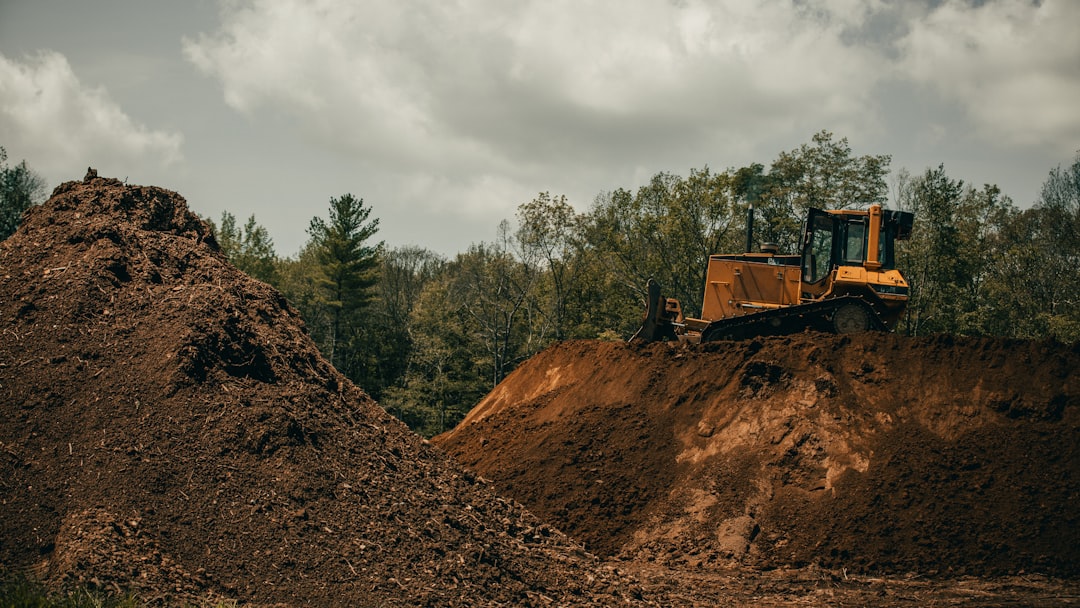
The sheer scale of earthen displacement is a constant challenge in modern infrastructure development, agriculture, and resource extraction. Moving mountains, or at least the equivalent in topsoil, sand, and rock, requires a sophisticated understanding of physics, engineering, and logistics. This article delves into the revolutionary techniques that have transformed the ability to move massive amounts of dirt, moving beyond brute force to embrace efficiency, precision, and sustainability.
The foundation of any large-scale earthmoving operation lies in the effectiveness of its excavation tools. Gone are the days when human muscle and simple levers were the primary means of breaking ground. Modern excavation technology has evolved into highly specialized and powerful machinery, capable of tackling diverse geological conditions with unprecedented speed and accuracy.
Hydraulic Excavators: The Workhorses of the Industry
Hydraulic excavators, often referred to as “diggers” or “backhoes,” have become indispensable. Their design, utilizing pressurized fluid to power hydraulic cylinders, provides immense lifting and digging force with remarkable control.
Evolution of Arm and Bucket Design
The articulated arms of modern hydraulic excavators have undergone significant refinement. Longer reach, greater articulation angles, and specialized bucket geometries allow for deeper trenches, steeper slopes, and more precise material placement. The development of quick-coupler systems enables rapid attachment and detachment of various tools, transforming a single excavator into a versatile machine capable of digging, demolition, and even material handling.
The Impact of Advanced Control Systems
Sophisticated computer-controlled hydraulic systems have revolutionized excavator operation. These systems optimize hydraulic flow, monitor machine performance, and can even be programmed for pre-defined digging paths. This not only increases efficiency but also reduces operator fatigue and enhances safety. Features like automatic boom and bucket tracking, coupled with real-time positional feedback, allow for a level of precision previously unimaginable, as if the machine itself possessed a keen eye for the job.
Bucket-Wheel Excavators: For Continuous Overburden Removal
When dealing with vast open-pit mines or large construction sites requiring the continuous removal of overburden, bucket-wheel excavators (BWs) offer a unique solution. These colossal machines are designed for high-volume, continuous excavation, acting as the lungs of a major earthmoving project, constantly breathing in material and expelling it.
Principles of Continuous Excavation
A bucket-wheel excavator features a large rotating wheel fitted with numerous buckets. As the wheel rotates, the buckets scoop up material, which is then conveyed to an internal system and often discharged onto a conveyor belt. This integrated system allows for the simultaneous excavation and transportation of material, eliminating the need for frequent repositioning of individual digging units.
Applications in Mining and Reclamation
BWs are particularly prevalent in the surface mining of coal, lignite, and oil sands, where they efficiently remove overlying layers of earth to access valuable resources. Their continuous operation also makes them suitable for large-scale land reclamation projects, where they can reshape landscapes and prepare sites for future development.
Dragline Excavators: Reaching for the Sky
For exceptionally large volumes of material at considerable depths or heights, dragline excavators offer unparalleled reach and capacity. These machines, characterized by their long booms and massive buckets, operate on a different principle than hydraulic excavators.
The Sling and Swing Mechanism
A dragline bucket is suspended from the boom by a hoist rope and is swung into position by a drag rope. The operator then “drags” the bucket towards the machine, filling it with material. Once loaded, the hoist rope lifts the bucket, and the entire boom is swung to the spoil pile or dumping location. This mechanism allows for digging at depths that would be impractical for other excavator types.
Advantages in Overburden Removal and Dredging
Draglines are commonly employed in large open-pit mines for removing overburden and in dredging operations for canals and harbors. Their ability to cast material considerable distances from the excavator’s position makes them highly effective in managing spoil.
In a fascinating exploration of the logistical challenges faced by space agencies, an article discusses how they moved millions of tons of dirt to prepare for lunar missions. This monumental task not only highlights the engineering prowess required for such endeavors but also sheds light on the intricate planning involved in establishing a sustainable presence on the Moon. For more insights into the strategies employed by the United States Space Forces in their lunar initiatives, you can read the full article here: United States Space Forces Lunar Strategy.
Innovations in Earth Transportation
Erecting a skyscraper or carving out a highway necessitates not only efficient digging but also the seamless movement of excavated material. The methods and machinery employed for transportation have seen significant advancements, emphasizing speed, capacity, and reduced environmental impact.
High-Capacity Haul Trucks: The Arteries of the Operation
The workhorse of material transportation on most large sites remains the haul truck. However, these vehicles have evolved from basic dump trucks to highly specialized, massive machines designed to maximize payload and minimize travel time.
The Rise of Articulated and Rigid Haulers
The distinction between articulated haulers, offering greater maneuverability in rough terrain, and rigid haulers, designed for straight-line hauling on prepared roads, has become more pronounced. Both types have seen dramatic increases in payload capacity, with some ultra-class trucks capable of carrying hundreds of tons of material in a single load.
Advancements in Suspension and Drivetrain Technology
Modern haul trucks feature sophisticated suspension systems that absorb the immense shocks of rough terrain, protecting both the vehicle and the cargo. Advanced drivetrain technologies, including powerful diesel-electric hybrid systems, are also being integrated to improve fuel efficiency and reduce emissions, like arteries pumping vital resources across the landscape.
Conveyor Systems: For Continuous Throughput
For exceptionally long distances or when continuous material flow is paramount, conveyor systems offer a highly efficient and often more environmentally friendly solution than trucks.
Belt Conveyors: The Backbone of Material Movement
Large-scale belt conveyor systems, often spanning miles, are a common sight in mining and large construction projects. These systems consist of robust conveyor belts supported by idler rollers, continuously transporting material from excavation points to processing areas or disposal sites.
Pipe Conveyors for Dust Control and Material Integrity
A more specialized form of conveyor, the pipe conveyor, encloses the material within a tubular belt. This design is particularly advantageous for transporting fine or dusty materials, preventing dust liberation and preserving the integrity of the material, ensuring it arrives at its destination as intended.
Rail Transport: For Extreme Distances and Volumes
When the distances are vast and the volumes truly monumental, rail transport emerges as a viable and often indispensable option.
Specialized Rolling Stock for Bulk Materials
Custom-designed railcars, known as gondola cars or hoppers, are employed to haul immense quantities of earth. These cars are designed for rapid loading and unloading, minimizing downtime.
Integrating Rail with Excavation and Processing
The strategic placement of rail lines directly adjacent to excavation sites or processing facilities streamlines the entire operation, creating a seamless flow of material from the earth to its final destination.
Revolutionizing Dirt Placement and Compaction
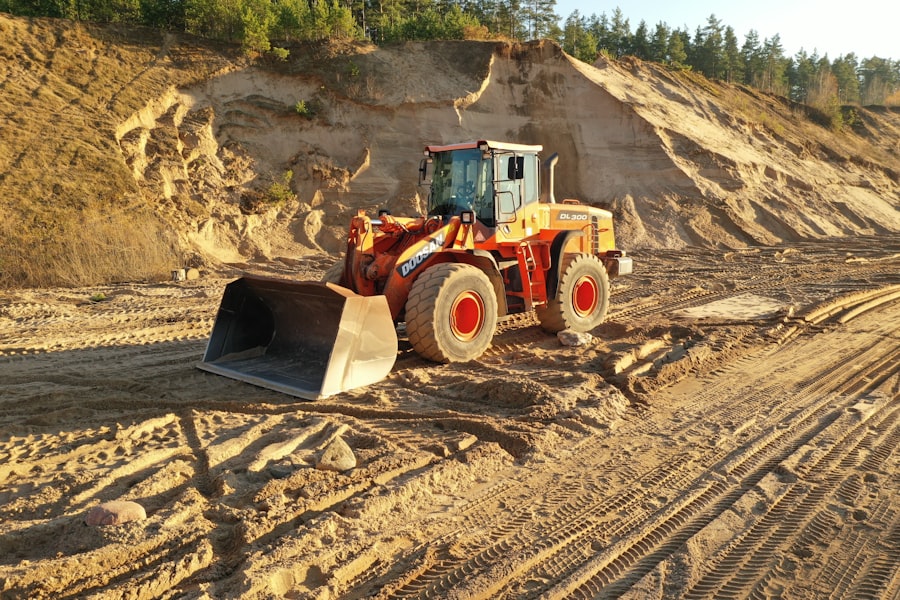
Moving dirt is only half the battle; effectively placing and compacting it to meet structural integrity requirements is equally critical. New techniques and technologies are ensuring that this displaced earth becomes a stable foundation rather than a fleeting pile.
Precision Grading with GPS and Laser Technology
The days of manual surveying and string lines for grading are largely gone, replaced by the precision offered by global positioning systems (GPS) and laser-based grading equipment.
Real-Time Positional Data for Machines
GPS receivers mounted on excavators, bulldozers, and graders provide real-time positional data, allowing operators to work with unprecedented accuracy. This data can be fed directly into the machine’s control systems, automating blade movements to achieve precise elevations and slopes. This is akin to having a digital blueprint guiding every pass of the blade.
Laser-Guided Levelling for Consistent Surfaces
Laser-based levelling systems use a rotating laser transmitter and a receiver mounted on the grading equipment. The receiver, connected to the machine’s hydraulic system, automatically adjusts the blade to maintain a consistent distance from the laser beam, resulting in remarkably flat and accurate surfaces.
Advanced Compaction Equipment
Achieving optimal soil compaction is vital for preventing settlement and ensuring the long-term stability of structures. Modern compaction equipment has become more intelligent and efficient.
Vibratory Rollers for Enhanced Density
Vibratory rollers, both smooth drum and padfoot types, are highly effective in increasing soil density. The vibrations generated help to rearrange soil particles, reducing voids and creating a more stable embankment.
Intelligent Compaction Technology
Emerging intelligent compaction technology goes a step further, incorporating GPS and accelerometers to measure and map the compaction achieved across the entire work surface. This allows for targeted compaction efforts, ensuring that all areas meet the required density specifications and preventing the over-compaction of some areas while others remain insufficiently compacted.
Sustainable Earthmoving Practices
The environmental impact of large-scale earthmoving operations is a significant concern. Revolutionary techniques are increasingly prioritizing sustainability, minimizing disturbance and maximizing resource efficiency.
Minimizing Soil Erosion and Sediment Runoff
Implementing Best Management Practices (BMPs) for Erosion Control
A cornerstone of sustainable earthmoving is the proactive implementation of Best Management Practices (BMPs) to control soil erosion and prevent sediment from entering waterways. This includes the strategic use of silt fences, sediment basins, vegetative cover, and storm drain inlet protection.
Stabilizing Slopes and Stockpiles
Techniques such as hydroseeding, mulching, and the use of erosion control blankets are employed to stabilize exposed soil surfaces, preventing wind and water erosion. Stockpiles of topsoil and other valuable materials are also managed to minimize erosion and degradation.
Reducing Fuel Consumption and Emissions
The Shift Towards Electric and Hybrid Machinery
While diesel engines still dominate, there is a growing trend towards electric and hybrid-powered earthmoving equipment. These machines offer significant reductions in fuel consumption and greenhouse gas emissions.
Optimizing Route Planning for Reduced Travel
Advanced software and telematics systems are being used to optimize haul truck routes and schedules, minimizing travel distances and idling times. This not only reduces fuel consumption but also lowers wear and tear on vehicles.
Reusing and Recycling Excavated Materials
A truly revolutionary approach involves treating excavated material not as waste, but as a valuable resource.
On-Site Processing and Reuse
Techniques like soil stabilization, where binding agents are added to improve the strength and stability of excavated soil, allow for its reuse in new construction elements. This can include road bases, fill material for embankments, and even as a component in concrete or asphalt mixtures.
Beneficial Reuse in Landscape Design and Habitat Restoration
Excavated materials can also be beneficially reused in landscape design, creating berms, contouring landforms, or restoring habitats. This approach turns what would otherwise be spoil into an asset, contributing to aesthetic and ecological goals.
In the fascinating world of large-scale construction and engineering projects, the movement of millions of tons of dirt can often be a daunting task. For instance, in Iraq, significant efforts have been made to manage the land and resources effectively amidst ongoing challenges. A related article discusses the complexities of this situation and how it ties into the broader issues of fragmentation and crisis in the region. You can read more about it in this insightful piece on Iraq’s fragmentation, which highlights the intricate balance between development and environmental concerns.
The Future of Earthmoving: Automation and Digitalization
| Metric | Value | Description |
|---|---|---|
| Total Dirt Moved | 5,000,000 tons | The total amount of dirt excavated and relocated |
| Number of Excavators | 50 | Heavy machinery used for digging and moving dirt |
| Average Load per Excavator | 100 tons/day | Average amount of dirt moved by each excavator daily |
| Number of Dump Trucks | 75 | Vehicles used to transport dirt from excavation site |
| Average Load per Dump Truck | 20 tons | Typical dirt load carried by each truck per trip |
| Total Trips Made | 250,000 | Number of trips dump trucks made to move all dirt |
| Project Duration | 12 months | Time taken to complete the dirt moving operation |
| Average Distance per Trip | 5 miles | Distance dump trucks traveled per trip |
The trajectory of earthmoving clearly points towards increased automation and digitalization. These advancements promise to further enhance efficiency, safety, and precision in moving massive amounts of dirt.
Autonomous and Semi-Autonomous Equipment
The development of autonomous and semi-autonomous construction equipment is rapidly progressing. These machines, equipped with advanced sensors, AI, and sophisticated navigation systems, can perform repetitive tasks with minimal human intervention.
Enhanced Safety and Productivity through Automation
By removing human operators from potentially hazardous environments and allowing machines to work around the clock, autonomous equipment offers the potential for dramatically increased safety and productivity.
Remote Operation and Fleet Management
The ability to remotely operate and monitor fleets of earthmoving machinery from a central command center provides unprecedented control over large-scale operations. This allows for real-time adjustments and proactive problem-solving.
Digital Twins and Data Analytics for Optimized Operations
The concept of “digital twins” – virtual replicas of physical assets and processes – is transforming how earthmoving projects are planned and executed.
Predictive Maintenance and Performance Optimization
By creating digital twins of excavators, haulers, and entire sites, operators can simulate various scenarios and analyze vast amounts of operational data. This enables predictive maintenance, identifying potential equipment failures before they occur, and optimizing the overall performance of the fleet.
Integrated Project Planning and Execution
Digital platforms that integrate design, planning, and execution data provide a holistic view of the project. This allows for more accurate cost estimations, streamlined logistics, and agile responses to unforeseen challenges. As the digital thread weaves through every aspect of the operation, the ability to manage and manipulate the physical earth becomes as precise as manipulating data on a screen. The future of moving mountains, it seems, will be as much about bytes as it is about buckets.

WATCH NOW ▶️ WARNING: They Erased The World Before Us
FAQs
1. What methods were commonly used to move millions of tons of dirt in large construction projects?
Large-scale earthmoving projects typically use heavy machinery such as bulldozers, excavators, dump trucks, and conveyor belts. Techniques like cut-and-fill, dredging, and blasting may also be employed depending on the terrain and project requirements.
2. How long does it usually take to move millions of tons of dirt?
The duration varies widely based on the project’s scale, equipment used, workforce size, and environmental conditions. Some projects can take several months to years to complete the earthmoving phase.
3. What are the environmental considerations when moving large amounts of dirt?
Environmental factors include soil erosion, dust control, water runoff management, habitat disruption, and proper disposal or reuse of excavated material. Projects often require environmental impact assessments and mitigation plans.
4. How is the volume of dirt measured in such large-scale projects?
Dirt volume is typically measured in cubic yards or cubic meters. Surveying tools, GPS technology, and 3D modeling software help calculate and monitor the amount of earth moved accurately.
5. What safety measures are important during massive earthmoving operations?
Safety measures include proper training for operators, regular equipment maintenance, clear communication protocols, use of personal protective equipment (PPE), and adherence to regulatory standards to prevent accidents and injuries.