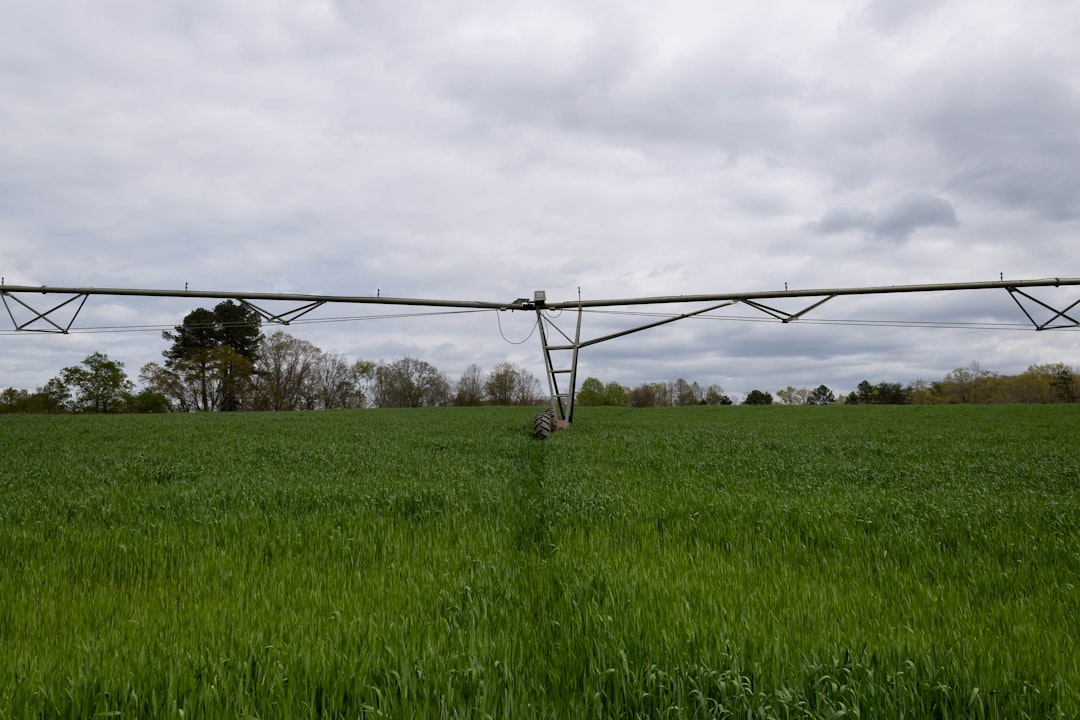
The vast, arid expanses of Central Asia, once dominated by traditional, often precarious, agricultural practices, underwent a profound transformation under Soviet rule. This seismic shift was largely driven by an ambitious and ideologically charged campaign of agricultural modernization, with Soviet irrigation projects at its very heart. These colossal undertakings, conceived and executed with immense scale and often ruthless efficiency, aimed to tame the region’s unforgiving environment, unlock its latent agricultural potential, and integrate it into the Soviet economic machine. The narrative of Soviet irrigation in Central Asia is a complex tapestry woven with threads of engineering marvel, environmental consequence, social disruption, and enduring legacy.
The Soviet leadership, particularly under Stalin, harbored a powerful vision for Central Asia: to transform it into a breadbasket and a reliable source of vital agricultural commodities, most notably cotton. The arid climate, with its scorching summers and limited rainfall, presented a formidable obstacle. The solution, as perceived by Soviet planners, lay in harnessing the region’s mighty rivers – the Amu Darya and the Syr Darya – and diverting their waters through an intricate network of canals and reservoirs to irrigate millions of hectares of previously uncultivated land. This was not merely about increasing food production; it was a grand experiment in reshaping nature itself, a testament to the Soviet belief in humanity’s ability to conquer and control the natural world for the betterment of the socialist state. The Aral Sea basin, the region’s most prominent hydrological system, became the focal point of this grand ambition.
Stalin’s Grand Design: The “Great Plan for the Transformation of Nature”
The roots of this ambitious undertaking can be traced back to the early Soviet period, particularly to Joseph Stalin’s “Great Plan for the Transformation of Nature” (Veliky Plan Pererorazhdeniya Prirody). This overarching policy aimed to fundamentally alter the Soviet landscape through large-scale afforestation, dam construction, and, crucially, irrigation. Central Asia, with its vast potential for cotton cultivation, was a prime target for this transformative agenda. The ideological imperative was clear: to demonstrate the superiority of the socialist system by achieving unprecedented agricultural output and creating a self-sufficient agricultural powerhouse. The immense human and material resources of the Soviet Union were mobilized to this end, often with little regard for the potential ecological or social ramifications.
The Amu Darya and Syr Darya: Lifelines of the Arid Land
The Amu Darya and Syr Darya, two of the world’s largest rivers flowing into the Aral Sea, were recognized as the key to unlocking Central Asia’s agricultural potential. Their waters, originating in the high mountains of the Pamirs and Tian Shan, offered a seemingly inexhaustible supply that could be channeled to irrigate the vast desert plains. The Soviet approach was to construct massive dams, reservoirs, and an extensive network of canals, transforming these natural arteries into instruments of state-controlled agriculture. The sheer ambition of these projects was staggering, requiring the mobilization of thousands of engineers, laborers, and vast amounts of machinery. The initial focus was on maximizing the cultivation of cotton, a highly profitable cash crop for the Soviet Union, and a crop that demanded significant irrigation.
Soviet irrigation projects in Central Asia have had a profound impact on the region’s agricultural practices and environmental landscape. These initiatives aimed to transform arid lands into productive farmland, but they also led to significant ecological challenges, such as the shrinking of the Aral Sea. For a broader understanding of how geography influences agricultural practices in nearby regions, you can explore the article on Afghanistan’s diverse terrain, which provides insights into the geographical factors that shape agricultural development. For more information, visit this article.
Engineering Marvels and Monumental Efforts: The Construction of the Canal Systems
The construction of the Soviet irrigation systems in Central Asia was an undertaking of immense engineering scale, characterized by both remarkable ingenuity and brutal working conditions. These projects were not merely about digging ditches; they involved the creation of complex hydraulic infrastructure capable of moving colossal volumes of water across vast distances and over varied terrain. The narrative of their construction is one of human endeavor pushed to its limits, a testament to the Soviet Union’s ability to marshal resources and manpower towards a singular, state-driven goal.
The Karakum Canal: A River Through the Desert
Perhaps the most iconic and audacious of the Soviet irrigation projects was the Karakum Canal (Karakumsky Kanal). This colossal undertaking, spanning over 1,300 kilometers, aimed to bring water from the Amu Darya to the Karakum Desert in Turkmenistan. Its construction, which began in the 1950s, was a monumental feat of engineering, involving the excavation of millions of cubic meters of earth and the construction of numerous pumping stations and reservoirs. The canal transformed vast swathes of desert into fertile agricultural land, primarily for cotton cultivation. The economic benefits for the region and the Soviet Union were initially significant, but the environmental cost, as would become increasingly apparent, was also substantial.
The Fergana Valley: Diversion for Cotton Dominance
The Fergana Valley, a fertile intermountain basin spanning parts of Uzbekistan, Kyrgyzstan, and Tajikistan, was another crucial area for Soviet irrigation efforts. Here, a complex system of canals was developed to divert water from the Syr Darya and its tributaries to irrigate extensive cotton fields. Projects like the Great Fergana Canal and the Farhad Dam were central to this effort. These projects not only increased agricultural output but also underscored the Soviet Union’s prioritization of cotton production, often at the expense of diversified agriculture or the needs of downstream regions. The intricate network of canals in the Fergana Valley became a hallmark of Soviet agricultural policy in the region.
The Role of Labor: From Volunteer Brigades to Forced Efforts
The construction of these vast irrigation systems relied heavily on labor. Initially, there were campaigns for “volunteer” brigades of Komsomol (Young Communist League) members and enthusiastic workers eager to contribute to the socialist cause. However, as projects grew in scale and urgency, the nature of labor often shifted. While not explicitly a system of Gulag labor on the scale of some earlier Soviet projects, there were instances of conscripted labor, military construction units, and significant reliance on peasant populations being mobilized for manual work. The sheer scale of excavation and construction often meant back-breaking labor under harsh conditions, with limited mechanization in the early stages.
Economic Motivations and Agricultural Transformation: The Cotton Republics
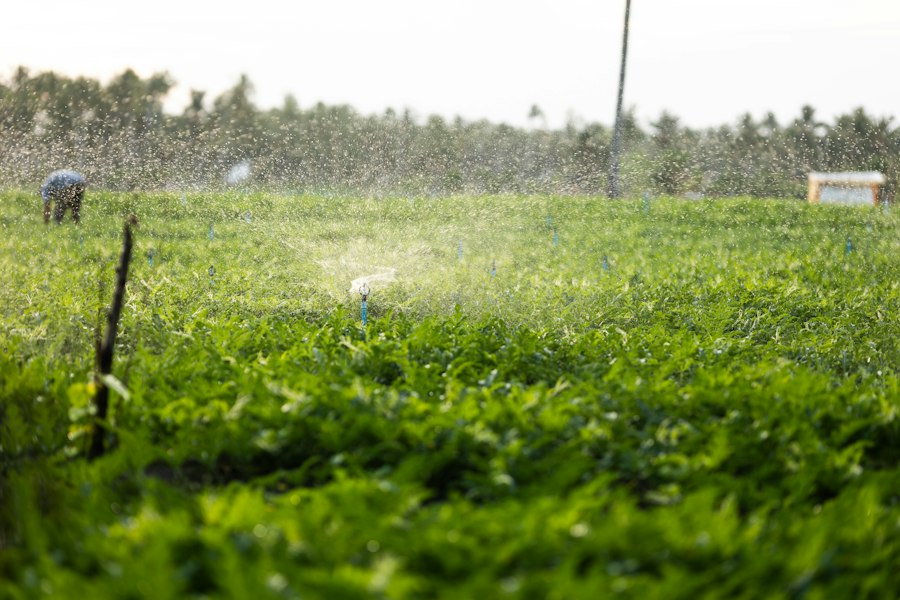
The driving force behind the Soviet irrigation projects was not purely altruistic. The economic imperative to generate revenue and secure essential raw materials for the Soviet Union was paramount. Central Asia, with its abundant sunshine and irrigable land, was envisioned as the socialist world’s premier cotton-growing region. This singular focus, while initially successful in boosting production, ultimately led to a highly specialized and environmentally unsustainable agricultural model.
The “White Gold” of Central Asia: Cotton as a Strategic Commodity
Cotton, often referred to as “white gold,” became the cornerstone of the Central Asian economy under Soviet rule. The irrigation projects were specifically designed to maximize cotton yields, turning the region into a primary supplier for the Soviet textile industry and for export. This dedication to cotton cultivation, while generating significant revenue for the Soviet Union, had profound consequences for the region’s agricultural diversity and its delicate ecological balance. The demand for cotton fueled the relentless expansion of irrigated land, pushing the limits of water availability.
Diversification’s Downfall: The Neglect of Other Crops and Industries
The intense focus on cotton meant that the development of other agricultural sectors and industries in Central Asia was often neglected. Local food production for the regional population sometimes took a backseat to the demands of the cotton monoculture. This lack of diversification made the region vulnerable to fluctuations in global cotton prices and created an over-reliance on imported food supplies. While some efforts were made to introduce other crops, they rarely received the same level of investment or priority as cotton.
The Economic Gains and Their Distribution
The economic gains from the vast cotton harvests were primarily channeled to the central Soviet government. While some infrastructure development occurred in Central Asia, and a certain level of prosperity was achieved for some segments of the population, the overall economic benefits were not always equitably distributed. The emphasis on meeting centrally dictated production quotas often overshadowed the needs and aspirations of local communities.
Environmental Catastrophe: The Unforeseen Consequences of Aral Sea Depletion
The most devastating and enduring legacy of the Soviet irrigation projects is the ecological disaster that befell the Aral Sea. The relentless diversion of the Amu Darya and Syr Darya rivers, designed to water agricultural lands, led to a dramatic shrinkage of the Aral Sea, once the fourth-largest inland body of water in the world. The consequences have been catastrophic, impacting ecosystems, human health, and economies across the region.
The Aral Sea Shrinks: A Monument to Ecological Miscalculation
The decision to divert the Amu Darya and Syr Darya rivers for irrigation was made with little consideration for the Aral Sea’s fate. As the rivers’ waters were increasingly channeled to cotton fields, the inflow into the Aral Sea dwindled. The sea, deprived of its primary water source, began to shrink at an alarming rate. Within decades, its surface area reduced by over 90%, transforming a vibrant marine ecosystem into a desolate desert of salt and contaminated sediment. This is arguably the most significant man-made environmental disaster of the 20th century.
Salinization and Desertification: The Spreading Scourge
As the Aral Sea receded, vast salt flats and toxic dust storms became a persistent reality for the surrounding populations. The exposed seabed, laden with salt, pesticides, and fertilizers from agricultural runoff, was whipped into the air by winds, spreading contamination for hundreds of kilometers. This salinization poisoned the soil, rendering it infertile, and led to widespread desertification. The once fertile lands around the Aral Sea became barren and inhospitable.
Public Health Crisis: Respiratory Illnesses and Contamination
The toxic dust storms emanating from the former Aral seabed had a devastating impact on public health. Respiratory illnesses, including bronchitis, asthma, and tuberculosis, became rampant in the region. The contamination of water sources with pesticides and other agricultural chemicals also led to increased rates of cancer, birth defects, and other serious health problems. The environmental crisis became a profound human tragedy.
The ambitious Soviet irrigation projects in Central Asia have had lasting impacts on the region’s ecology and economy, shaping agricultural practices and water management strategies. For a deeper understanding of how such large-scale initiatives can influence geopolitical dynamics, you might find it interesting to explore the article on the potential threats posed by Chinese electric vehicles to the US market. This discussion highlights the broader implications of infrastructure and resource management in a global context. You can read more about it in this related article.
The Enduring Legacy: Challenges and Hopes for the Future
| Project Name | Location | Year Started | Area Irrigated (hectares) | Main Purpose | Water Source | Impact on Agriculture |
|---|---|---|---|---|---|---|
| Qaraqum Canal | Turkmenistan | 1954 | 1,375,000 | Irrigation and water supply | Amu Darya River | Significantly increased cotton production |
| Karshi Canal | Uzbekistan | 1930s | 500,000 | Irrigation for cotton and cereals | Syr Darya River | Expanded arable land and boosted crop yields |
| Chardara Reservoir | Uzbekistan/Kazakhstan border | 1964 | Approx. 1,000,000 (irrigation command area) | Water storage and irrigation regulation | Syr Darya River | Improved water availability for irrigation |
| Shardara Canal | Kazakhstan | 1960s | 400,000 | Irrigation and flood control | Syr Darya River | Enhanced irrigation efficiency and agricultural output |
| Amu Darya Diversion Project | Uzbekistan/Turkmenistan border | 1950s | Over 1,000,000 | Irrigation expansion | Amu Darya River | Increased irrigated land but contributed to Aral Sea shrinkage |
Despite the profound environmental and social costs, the Soviet irrigation projects have left an indelible mark on Central Asia. While the damage to the Aral Sea is a stark reminder of the perils of unchecked development, the extensive canal networks and reservoirs still form the backbone of the region’s agriculture. The post-Soviet era has seen attempts to grapple with these inherited challenges, adapt to the new environmental realities, and forge more sustainable paths forward.
A Water Scarcity Crisis in the Post-Soviet Era
In the decades since the collapse of the Soviet Union, water scarcity has become an even more acute issue in Central Asia. The inherited irrigation infrastructure, often inefficient and prone to leakage, continues to consume vast quantities of water. The five Central Asian nations – Kazakhstan, Kyrgyzstan, Tajikistan, Turkmenistan, and Uzbekistan – are increasingly locked in disputes over water allocation, particularly as climate change exacerbates existing water shortages. The legacy of Soviet water management continues to shape regional geopolitics.
The Search for Sustainable Water Management and Diversification
There is a growing recognition in Central Asia of the urgent need for sustainable water management practices and agricultural diversification. Efforts are underway to modernize irrigation systems, reduce water waste, and promote drought-resistant crops. International organizations and some national governments are promoting a shift away from the historical reliance on cotton monoculture towards a more balanced and environmentally sound agricultural model. This transition is slow and faces significant economic and political hurdles.
The Aral Sea Restoration Efforts: A Glimmer of Hope
While the Aral Sea cannot be fully restored to its former glory, there have been some localized efforts to revive parts of the sea. In Kazakhstan, the North Aral Sea has seen some recovery thanks to the construction of the Kok-Aral Dam, which has helped to retain water and improve salinity levels. These efforts, though limited in scope, offer a glimmer of hope and demonstrate that some level of ecological remediation is possible. They also serve as a crucial lesson in the importance of responsible water management and the long-term consequences of environmental degradation. The story of Soviet irrigation in Central Asia is a powerful, and often cautionary, tale of humanity’s ambition to reshape nature, the immense power of engineering, and the profound, and sometimes devastating, unintended consequences that can arise from grand designs.

A Dam Brought the Aral Sea Back—But Only Part of It
FAQs
What were the Soviet irrigation projects in Central Asia?
The Soviet irrigation projects in Central Asia were large-scale initiatives aimed at increasing agricultural productivity in the region through the construction of canals, reservoirs, and irrigation systems.
When did the Soviet irrigation projects in Central Asia take place?
The Soviet irrigation projects in Central Asia took place primarily during the 20th century, with significant developments occurring in the 1930s and continuing through the 1980s.
What were the goals of the Soviet irrigation projects in Central Asia?
The goals of the Soviet irrigation projects in Central Asia were to transform the arid landscapes of the region into fertile agricultural lands, increase crop yields, and promote economic development through agriculture.
What were some of the challenges faced by the Soviet irrigation projects in Central Asia?
Some of the challenges faced by the Soviet irrigation projects in Central Asia included water scarcity, inefficient water management practices, environmental degradation, and social disruptions caused by forced resettlement of populations.
What is the legacy of the Soviet irrigation projects in Central Asia today?
The legacy of the Soviet irrigation projects in Central Asia today includes both positive and negative impacts, such as increased agricultural production but also environmental degradation, water scarcity issues, and social tensions over water resources.