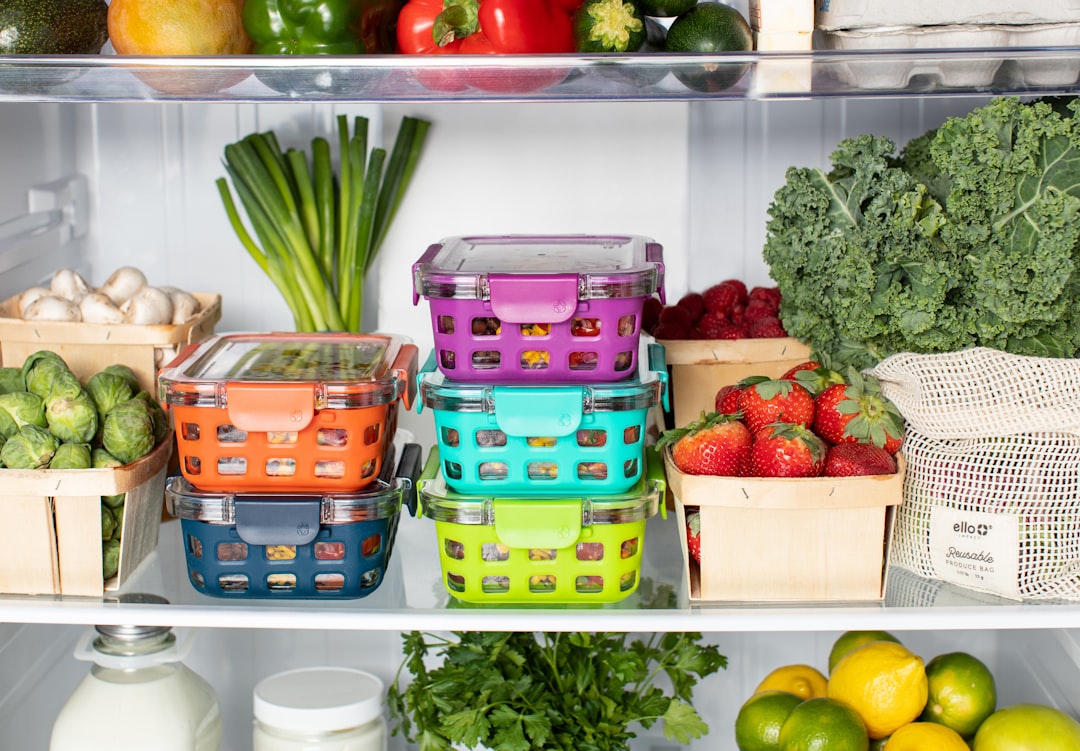
- Introduction: The Cold Chain Revolution
Refrigeration, a seemingly commonplace technology today, has irrevocably shaped the way humanity feeds itself. Before the advent of controllable cold, food spoilage was a constant, insurmountable barrier to efficient and widespread distribution. Imagine a world where fresh produce withered within days, where meat had to be consumed almost immediately after slaughter, and where transporting goods over significant distances was a gamble against the elements. This was the reality for millennia. The introduction and widespread adoption of refrigeration technology, particularly over the last century, triggered a paradigm shift, fundamentally altering every facet of the global food supply chain. It didn’t just extend shelf life; it democratized access to nutritious food, fostered global trade, spurred agricultural innovation, and even influenced urban development and lifestyle. This listicle will explore the multifaceted impact of refrigeration on food supply chains, highlighting its revolutionary role from farm to fork.
The Pre-Refrigeration Era: A World of Perishability
Prior to the widespread application of artificial cooling, food preservation methods were rudimentary and often localized. Salting, smoking, drying, pickling, and fermenting were the primary tools for extending the lifespan of food. These methods were effective to a degree but came with significant trade-offs. They often altered the flavor and texture of food, limited the variety of goods that could be preserved, and were labor-intensive. Furthermore, the inherent perishability of many staple foods meant that communities were largely reliant on local produce and seasonal availability. This led to cycles of feast and famine, limited dietary diversity, and substantial food waste.
Refrigeration has significantly transformed food supply chains by enabling the long-distance transportation of perishable goods, thereby expanding market reach and enhancing food security. For a deeper understanding of how technological advancements have influenced various industries, you might find the article on the Baalbek stone block mystery intriguing. It explores the impact of engineering and innovation throughout history, much like refrigeration has reshaped our approach to food logistics. You can read more about it here: Unraveling the Baalbek Stone Block Mystery.
The Dawn of Artificial Cooling: Early Innovations
The concept of using ice to cool food and drinks has a long history, with evidence of ice harvesting and storage dating back to ancient civilizations. However, these were passive methods, dependent on climate and season. The true revolution began with the development of mechanical refrigeration systems. Early pioneers like Oliver Evans (whose designs for refrigeration machines were developed by Jacob Perkins) and John Gorrie (who experimented with ice-making machines to cool hospital rooms) laid the groundwork. The late 19th and early 20th centuries saw rapid advancements, with the invention of practical compression refrigeration systems, paving the way for commercial and industrial applications.
The ‘Cold Chain’ Concept: A Continuous Flow of Cold
The true transformative power of refrigeration emerged with the understanding and implementation of the ‘cold chain.’ This concept refers to the uninterrupted series of refrigerated production, storage, and distribution activities, along with associated equipment and logistics, which maintain a desired low-temperature range. It’s not just about having a refrigerator; it’s about maintaining that cold environment at every step of the food’s journey from its origin to the consumer’s plate. This holistic approach minimized spoilage and ensured food quality like never before.
- From Local Markets to Global Palates: Expanding Food Accessibility
Perhaps the most profound impact of refrigeration has been its ability to shatter geographical limitations and seasonal constraints, making a vast array of foods accessible to consumers far from their point of origin and independent of the time of year. This has not only revolutionized diets but also driven significant economic and social changes.
Bridging Distances: The Transcontinental Transfer of Perishables
Before refrigeration, transporting perishable goods over long distances was an act of desperation, often resulting in significant spoilage and financial loss. The development of refrigerated transport – including refrigerated railcars, ships (reefers), and eventually trucks – changed this entirely. Products that were once only available regionally or seasonally could now be shipped across continents. This allowed for the global distribution of items like fruits, vegetables, dairy products, and meats, transforming once-exotic delicacies into everyday items for many consumers. This expansion of choice was crucial for improving nutrition and dietary diversity.
Refrigeration has revolutionized food supply chains by allowing perishable goods to be transported over long distances without spoiling, thus ensuring that consumers have access to fresh produce year-round. This transformation in food logistics not only improved the efficiency of distribution but also expanded the variety of foods available in different regions. For a deeper understanding of how technological advancements influence various sectors, you might find this article on lunar defense particularly interesting, as it explores the implications of innovation beyond just food supply.
Combating Seasonality: Year-Round Availability of Freshness
Refrigeration effectively decoupled food availability from the natural growing seasons. Farmers could invest in crops with greater confidence, knowing that their harvest wouldn’t necessarily spoil if it couldn’t be consumed or preserved immediately. Consumers, in turn, gained access to fresh produce year-round, regardless of local climate conditions. This had a significant impact on nutrition, ensuring a more consistent supply of vitamins and minerals throughout the year, and reduced the reliance on less nutritious preserved alternatives like excess salt-cured or dried goods.
Urbanization and Food Security: Feeding the Growing Cities
As populations increasingly migrated to urban centers, the challenge of feeding these concentrated populations became more acute. Refrigeration was a critical enabler of this urbanization. It allowed cities to be supplied with fresh food from rural hinterlands and even from overseas. Without the ability to store and transport food safely, large urban populations would have been impossible to sustain reliably and nutritiously. Refrigerated trucks and warehouses became the arteries feeding the metropolises, underpinning food security in densely populated areas.
Democratizing Diets: From Luxury to Commonplace
Many foods that were once considered luxuries, available only to the wealthy or those in specific regions, became accessible to a much broader population thanks to refrigeration. Seafood from distant oceans, tropical fruits, and certain cuts of meat could be kept fresh during transit and storage. This widespread access not only diversified diets but also played a role in reducing food price volatility, making a more varied and nutritious diet attainable for a larger segment of society.
- Innovations in Agriculture and Food Production: Cultivating for a Colder World
The impact of refrigeration extends far beyond the distribution network; it has actively reshaped agricultural practices, food processing techniques, and product development, leading to greater efficiency, quality, and variety.
Post-Harvest Handling: Preserving Quality at the Source
Refrigeration has revolutionized post-harvest handling practices. Immediately after harvesting, many fruits and vegetables are cooled to reduce respiration rates and slow down the degradation process. This ‘pre-cooling’ step significantly extends shelf life and preserves the nutritional value, texture, and flavor of produce. Cold storage facilities at farms and shipping hubs are now standard infrastructure, ensuring that valuable crops reach markets in optimal condition, thus reducing on-farm losses.
Dairy and Meat Processing: The Backbone of Modern Production
The dairy and meat industries are perhaps the sectors most fundamentally reliant on refrigeration. Milk and dairy products require constant chilling from the moment they are collected from the cow to prevent bacterial growth and spoilage. Similarly, meat processing plants utilize extensive refrigeration to maintain hygiene and quality throughout the slaughtering, cutting, and packaging processes. Blast chilling and freezing are essential for long-term preservation, enabling the distribution of meat products globally and year-round.
Frozen Foods Revolution: Convenience and Extended Shelf Life
The development of industrial freezing technology, a direct descendant of refrigeration, gave rise to the frozen food industry. This sector offers unparalleled convenience and extended shelf life, allowing consumers to store a wide variety of meals, vegetables, fruits, and meats for months. Frozen foods have played a crucial role in reducing household food waste and providing access to out-of-season produce and convenience meals, significantly impacting modern lifestyles and dietary habits.
Controlled Atmosphere Storage: Fine-Tuning Preservation
Building upon basic refrigeration, controlled atmosphere (CA) storage offers an even more sophisticated method of preserving produce. By precisely regulating the levels of oxygen, carbon dioxide, and nitrogen in storage environments, alongside controlled temperatures and humidity, CA storage can dramatically slow down the ripening and senescence processes in fruits and vegetables. This technology allows for the storage of certain produce, like apples, for many months, ensuring consistent availability and quality throughout the year.
- Economic Ripples and Global Trade: A Force for Economic Growth
The ability to preserve and transport perishable goods has fueled significant economic growth, creating new industries, fostering international trade, and integrating global markets in unprecedented ways.
The Rise of Agribusiness: Scale and Specialization
Refrigeration has enabled the growth of large-scale agribusinesses. With the assurance that produce can be efficiently transported and stored, farmers can focus on specialization and economies of scale. This has led to increased productivity, lower per-unit costs, and the development of sophisticated agricultural operations that cater to national and international markets. The ability to deliver consistently high volumes of quality produce has been a significant driver of modernization in agriculture.
International Trade and Globalization: A Chilled Marketplace
The global food trade would be virtually unrecognizable without refrigeration. Refrigerated shipping containers (reefers) are indispensable for transporting perishable goods across oceans. This has created a truly global marketplace for food, allowing countries to import items they cannot produce efficiently and export their surplus. This interconnectedness has led to greater economic interdependence and has fostered the growth of sectors dedicated to international logistics and trade.
Reduced Food Waste and Economic Savings: A Greener Bottom Line
While not always perfectly implemented, refrigeration significantly reduces food waste at various stages of the supply chain. By preventing spoilage during transport, storage, and retail, it translates into substantial economic savings, both for producers and consumers. This reduction in waste also has positive environmental implications, lessening the demand for resources used in producing food that is ultimately discarded.
Investment and Infrastructure: Building the Cold Backbone
The widespread adoption of refrigeration has necessitated substantial investment in cold storage facilities, refrigerated transport fleets, and energy infrastructure. This has created a robust industry dedicated to chilled logistics, employing a significant workforce and driving innovation in areas like energy efficiency and supply chain management software. The ‘cold backbone’ of the food supply chain is a testament to this ongoing investment.
- Challenges and Future Directions: The Evolving Cold Chain
Despite its revolutionary impact, the reliance on refrigeration also presents significant challenges, particularly concerning energy consumption and global equity, driving innovation towards more sustainable and accessible solutions.
Energy Consumption and Carbon Footprint: The Cooling Conundrum
Refrigeration is an energy-intensive process. The constant operation of refrigerators, freezers, and refrigerated transport contributes significantly to global energy consumption and, consequently, to greenhouse gas emissions. As the global demand for refrigerated food continues to rise, addressing the energy efficiency of refrigeration systems and exploring renewable energy sources for powering the cold chain is paramount. This includes developing more energy-efficient refrigeration units, improving insulation, and optimizing cold chain logistics to minimize energy waste.
Global Disparities and Accessibility: The Uneven Cold
While developed nations benefit from extensive and reliable cold chains, many developing countries still struggle with inadequate refrigeration infrastructure. This disparity leads to substantial post-harvest losses, limiting access to nutritious food and hindering economic development. Bridging this gap requires targeted investment in cold chain development in these regions, often through low-cost, decentralized, and renewable energy-powered refrigeration solutions.
Technological Advancements: Smarter, Greener Cooling
The future of refrigeration in food supply chains is being shaped by ongoing technological advancements. This includes the development of alternative refrigerants with lower global warming potential, advancements in insulation materials, smart sensors for real-time monitoring of temperature and humidity throughout the cold chain, and the integration of artificial intelligence and blockchain for optimizing logistics and ensuring transparency and traceability.
A Focus on Sustainability and Resilience: The Next Frontier
As climate change impacts become more pronounced, building a resilient and sustainable cold chain is critical. This involves not only reducing the environmental footprint of refrigeration but also developing systems that can withstand disruptions, such as extreme weather events. Innovative solutions for off-grid refrigeration, solar-powered cold storage, and improved food preservation techniques that reduce the reliance on constant deep chilling are all part of this evolving landscape. The pursuit of a truly sustainable and equitable global food system will undoubtedly involve further revolutionizing how we manage and utilize cold.

The Black Layer That Shouldn’t Exist
FAQs
1. What is the history of refrigeration in food supply chains?
Refrigeration in food supply chains dates back to the 19th century when ice was used to preserve food. The invention of mechanical refrigeration in the late 1800s revolutionized the way food was stored and transported, leading to the development of modern food supply chains.
2. How did refrigeration impact the food supply chain?
Refrigeration allowed for the preservation of perishable foods, enabling them to be transported over long distances without spoiling. This led to the expansion of food supply chains, allowing for a wider variety of foods to be available year-round and reducing food waste.
3. What are the benefits of refrigeration in food supply chains?
Refrigeration in food supply chains has numerous benefits, including extended shelf life for perishable foods, reduced food spoilage, increased food safety, and the ability to transport food to distant markets. It also allows for the storage of surplus food during times of abundance for use during times of scarcity.
4. How has refrigeration technology advanced in food supply chains?
Advancements in refrigeration technology have led to more efficient and environmentally friendly refrigeration systems, such as the use of natural refrigerants and energy-saving technologies. Additionally, innovations in cold chain logistics have improved the monitoring and control of temperature-sensitive products throughout the supply chain.
5. What are the future implications of refrigeration in food supply chains?
The future of refrigeration in food supply chains is likely to involve further advancements in energy efficiency, sustainability, and digitalization. This includes the use of smart refrigeration systems, blockchain technology for supply chain transparency, and the integration of refrigeration with renewable energy sources.