The Earth’s journey through geological time is a tale of constant flux, a grand narrative etched in ice, rock, and the ever-shifting boundaries of the oceans. Among the most profound transformations documented in this history are the dramatic sea-level changes that have accompanied the waxing and waning of massive ice sheets after the last Ice Age. The retreat of these colossal frozen empires did not simply signal a warming world; it unleashed a deluge of meltwater, profoundly reshaping coastlines and challenging the very concept of a stable sea level. Understanding these post-Ice Age level shifts is not merely an academic pursuit; it offers crucial insights into the sensitivity of our planet’s climate system and provides a vital context for present-day concerns about rising sea levels.
The peak of the last glacial period, often referred to as the Last Glacial Maximum (LGM), approximately 26,500 to 19,000 years ago, paints a picture of a dramatically different Earth. Vast ice sheets, stretching for thousands of kilometers, blanketed significant portions of North America and Eurasia. These continental glaciers, some reaching kilometers in thickness, acted as colossal sponges, drawing prodigious amounts of water from the oceans and locking it away in solid form. The consequences for global sea levels were stark: estimates suggest that sea levels during the LGM were as much as 120 meters lower than they are today. This lowered sea level effectively expanded continental shelves, creating land bridges that facilitated the migration of early humans and animals.
The Scale of Ice Sheet Growth
The immense volume of ice accumulated during glacial periods is difficult to fully comprehend. The Laurentide Ice Sheet, covering much of northern North America, and the Fennoscandian Ice Sheet, dominating northern Europe, represent the most significant accumulations. These ice sheets were not static entities; they grew and advanced over millennia, driven by persistent cold temperatures and ample snowfall. The sheer weight of this ice exerted immense pressure on the Earth’s crust, causing it to deform and subside, a phenomenon known as glacial isostatic depression.
Sea Level Recession and Exposed Continents
The direct consequence of water being locked up in ice was a dramatic drop in global sea levels. This global sea-level recession had several key implications:
Exposed Land Bridges
The most famous example is Beringia, the land bridge that connected present-day Siberia and Alaska. This exposed landmass served as a crucial pathway for the dispersal of flora and fauna, including humans, from Asia into North America. Similarly, other areas, such as the English Channel and extensions of continental shelves, were exposed, creating large swathes of terrestrial land.
Altered Ocean Currents and Climate
The drastically lower sea levels and the presence of massive ice sheets profoundly influenced ocean circulation patterns and global climate. Thermohaline circulation, driven by differences in temperature and salinity, may have been altered, impacting heat distribution around the globe. The vastness of the ice sheets also reflected solar radiation back into space, contributing to the frigid conditions of the LGM.
After the Ice Age, significant changes in sea levels had profound effects on coastal ecosystems and human settlements. For a deeper understanding of how historical events shape our current world, you might find the article on the impact of Executive Order 6102 and gold confiscation insightful. It explores how government policies can alter economic landscapes, much like how climate changes have reshaped geographical boundaries over time. You can read more about it here: The Impact of Executive Order 6102: Gold Confiscation.
The Great Melt: Unlocking the Water
The end of the LGM was not a gradual warming but a rapid and dramatic reversal. Beginning around 19,000 years ago, the Earth’s climate began to warm, initiating the systematic melting of these colossal ice sheets. This meltwater, released back into the oceans, caused sea levels to rise at an unprecedented rate, fundamentally altering the planet’s geography over the ensuing millennia. This period of rapid sea-level rise is known as the “Deglaciation” or the “Meltwater Pulse.”
The Magnitude of Meltwater Release
The total volume of water released from the melting ice sheets was staggering. Scientists estimate that the melting of the Laurentide and Fennoscandian ice sheets alone released enough water to raise global sea levels by tens of meters. This was not a continuous, uniform process but was characterized by periods of accelerated melting, often referred to as Meltwater Pulses, where vast quantities of ice were discharged into the oceans over relatively short geological timescales.
Meltwater Pulses: Accelerated Sea Level Rise
The identification of distinct “Meltwater Pulses” (MWPs) has been a significant development in understanding post-Ice Age sea-level changes. These pulses represent periods of rapid, often catastrophic, sea-level rise, believed to be triggered by the collapse of large ice shelves or the rapid discharge of ice from terrestrial ice sheets into the ocean. For instance, MWP-1A, occurring roughly 14,500 years ago, is estimated to have caused a sea-level rise of 20 meters in as little as 500 years – a truly dramatic rate of change.
Causes of Meltwater Pulses
The exact trigger for these rapid pulses is still a subject of scientific debate, but several hypotheses exist:
Ice Shelf Collapse
The disintegration of large floating ice shelves, particularly those buttressing vast continental ice sheets, could have led to a rapid surge of ice flow into the ocean.
Subglacial Water Release
The presence of large volumes of liquid water beneath the ice sheets could have facilitated rapid drainage, leading to increased meltwater discharge.
Ocean Warming and Ice Interaction
Warmer ocean waters penetrating beneath ice shelves and the margins of ice sheets could have accelerated melting and calving.
The Impact on Terrestrial Landscapes
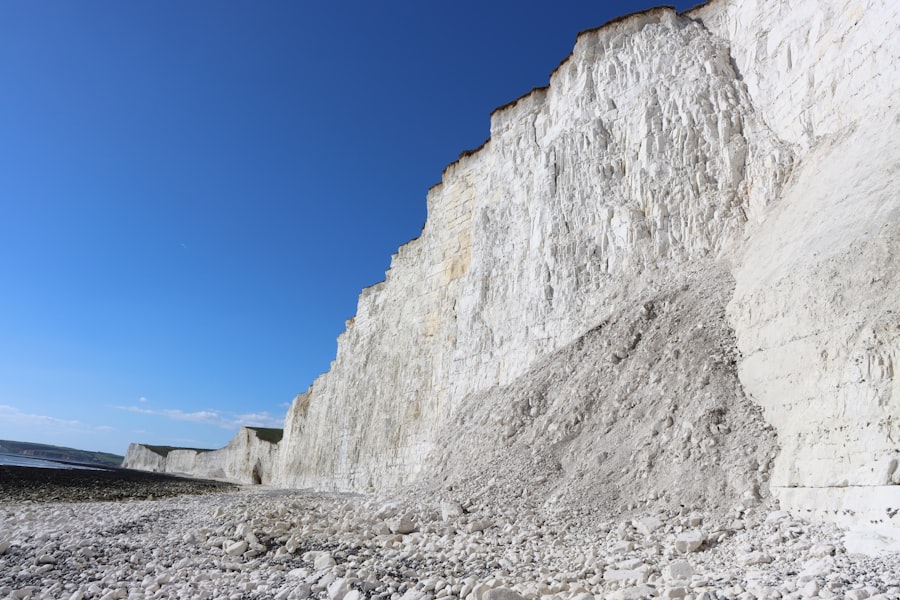
The rapid influx of meltwater transformed coastlines with astonishing speed. Areas that were once dry land were inundated, carving out new estuaries, bays, and ultimately, familiar shorelines. The erosional power of rising seas also reshaped landscapes, creating sea cliffs and depositing vast amounts of sediment.
Post-Glacial Sea-Level Rise: A Complex Picture

The sea-level rise following the LGM was not a simple, linear process. It was influenced by a complex interplay of factors, including the rate of ice melt, the isostatic adjustment of the Earth’s crust, and regional variations in oceanographic conditions. While global average sea level rose significantly, the experience of different coastal regions varied considerably.
Glacial Isostatic Adjustment (GIA)
A crucial factor in understanding post-Ice Age sea-level changes is Glacial Isostatic Adjustment (GIA). The immense weight of the ice sheets during the glacial period caused the underlying Earth’s crust to depress. As the ice melted, this weight was removed, and the crust began to rebound – a process that continues today. In areas that were once under thick ice, the land is still rising, effectively causing relative sea-level fall. Conversely, areas farther from the ice sheets experienced a forebulge, where the crust was actually pushed upwards. As the ice melted and this uplifted area relaxed, these regions now experience relative sea-level rise.
Isostatic Uplift and Relative Sea Level
The ongoing GIA is a critical element when interpreting sea-level records. In regions like Scandinavia and Canada, which bore the brunt of the ice sheets, isostatic uplift is still occurring, leading to a land rise that counteracts some of the global sea-level rise. This means that even though global sea levels have risen, some coastlines in these areas are actually experiencing a relative sea-level fall.
Forebulge Migration
The forebulge, a region of uplift surrounding the glaciated areas, also undergoes complex adjustments. As the load of the ice decreases, the forebulge migrates outwards and subsides. This migration contributes to relative sea-level rise in areas that were once at the periphery of the glacial margins.
Eustatic vs. Relative Sea Level
It is essential to distinguish between eustatic sea level (the global average sea level) and relative sea level (the sea level experienced at a specific location). Eustatic sea level is primarily controlled by the total volume of water in the oceans. Relative sea level, however, is influenced by eustatic changes plus local vertical land motion (like GIA) and changes in ocean basin volume. Therefore, a location might experience a different sea-level trend than the global average due to these local factors.
Evidence of Post-Glacial Sea Level Shifts
The story of post-Ice Age sea-level shifts is pieced together through a variety of scientific disciplines and the examination of geological and geomorphological evidence. These sources provide a consistent and compelling narrative of dramatic transformation.
Radiocarbon Dating of Ancient Shorelines
One of the most important methods for reconstructing past sea levels is the radiocarbon dating of submerged or uplifted coastlines, beaches, and marine deposits. By dating organic material (like shells or wood) found at different elevations, scientists can establish the sea level at the time of deposition. This method has been instrumental in charting the course of sea-level rise over the last 20,000 years.
Submerged Features and Archaeological Sites
The discovery of ancient human settlements, megalithic structures, and even entire submerged landscapes beneath the waves serves as powerful evidence of past lower sea levels. These finds, often dating back thousands of years, are testaments to the dramatic inundation that has occurred.
Coral Reef Terraces
Coral reefs are sensitive indicators of sea level. As sea levels rise and fall, corals grow upwards or are exposed to the atmosphere, leaving behind distinct terraces on coastlines. The study of these fossil coral reef terraces around the world provides a valuable record of past sea-level fluctuations.
Sedimentary Archives
Oceanic and lacustrine (lake) sediments, as well as continental shelf deposits, contain invaluable records of past sea levels. Changes in sediment type, the presence of marine microfossils, and the stratigraphic layering can reveal periods of inundation, exposure, and the gradual rise of the oceans.
The rise in sea levels following the Ice Age had a profound impact on coastal landscapes and human settlements, reshaping the geography of our planet. For those interested in understanding how these changes influenced ancient civilizations, a related article explores the secrets of ancient city fortifications and their responses to shifting environments. You can read more about this fascinating topic in the article on uncovering ancient city fortification secrets. This connection highlights the interplay between natural phenomena and human adaptation throughout history.
Lessons from the Past for the Future
| Time Period | Sea Level Change |
|---|---|
| 20,000 years ago | Sea levels were about 120 meters lower than today |
| 10,000 years ago | Sea levels rose by about 60 meters |
| 5,000 years ago | Sea levels continued to rise, reaching about 30 meters lower than today |
| Present day | Sea levels have risen to their current levels, with some fluctuations |
The dramatic sea-level shifts following the last Ice Age offer profound lessons for our understanding of the Earth’s climate system and its potential future trajectory. The speed and magnitude of these changes, driven by natural climate variability, serve as a stark reminder of the Earth’s capacity for rapid transformation.
The Sensitivity of Polar Ice Sheets
The post-Ice Age record highlights the profound sensitivity of the Earth’s polar ice sheets to temperature changes. The rapid melting of these massive ice bodies underscores the potential for significant sea-level rise if global temperatures continue to climb.
Anthropogenic Climate Change and Accelerated Rise
While the post-Ice Age sea-level rise was driven by natural warming, the current acceleration of sea-level rise is undeniably linked to anthropogenic greenhouse gas emissions. Understanding the mechanisms and rates of past sea-level change provides a critical baseline against which to assess the unprecedented speed of current changes and to project future scenarios.
Coastal Resilience and Adaptation
The study of how past coastal communities adapted to (or were displaced by) rising sea levels offers valuable insights for modern coastal management. Planning for future sea-level rise requires a deep understanding of historical patterns, the vulnerability of coastal environments, and the implementation of effective adaptation and mitigation strategies. The geological record of ancient, inundated coastlines serves as a silent, but potent, warning and a source of invaluable knowledge for navigating the challenges of our changing planet. The ebb and flow of ice and ocean over millennia continue to teach us about the dynamic nature of our planet and the enduring power of its natural cycles, now amplified by human influence.

When the Ice Age Ended… Everything Changed
FAQs
1. What caused sea levels to change after the Ice Age?
The main factors that caused sea levels to change after the Ice Age were the melting of glaciers and ice sheets, as well as the rebound of the Earth’s crust from the weight of the ice.
2. How much did sea levels rise after the Ice Age?
Sea levels rose approximately 120 meters (394 feet) after the Ice Age, as the vast ice sheets and glaciers melted and returned water to the oceans.
3. How quickly did sea levels rise after the Ice Age?
Sea levels rose at varying rates after the Ice Age, with some periods experiencing rapid rises due to sudden melting events, while other periods saw slower, more gradual increases.
4. What impact did the changing sea levels have on coastal areas?
The changing sea levels had significant impacts on coastal areas, leading to the submergence of low-lying areas, the formation of new coastlines, and the reshaping of coastal landscapes.
5. Are sea levels still changing today as a result of the Ice Age?
While the direct impacts of the Ice Age on sea levels have largely subsided, ongoing climate change and the melting of polar ice continue to contribute to rising sea levels today.