Rock Art Reveals Ancient Pastoralists
The rugged landscapes of the world, etched with the passage of millennia, hold silent testimonies to the lives of our ancient ancestors. Among these chronicles, rock art stands out as a particularly compelling and intimate window into the past. Far from being mere decorative scribbles, these painted and engraved surfaces offer profound insights into the beliefs, social structures, and daily realities of early human societies. For archaeologists and historians, rock art is a vital, albeit challenging, primary source, demanding meticulous interpretation and a deep understanding of the cultural contexts from which it emerged. In recent decades, the study of rock art has increasingly illuminated the lives of ancient pastoralists – people whose existence was intricately woven with the tending of livestock – revealing a complex and dynamic relationship with their environment and their animals that shaped their spiritual and material worlds.
The sheer ubiquity of rock art across continents suggests a fundamental human drive to communicate and record. From the ochre paintings of the Sahara to the petroglyphs of the Americas and the engravings of Australia, these ancient canvases have preserved images of the natural world, human figures, and abstract symbols. For researchers focused on pastoralism, specific motifs within these vast datasets have become crucial identifiers. The presence of stylized representations of cattle, sheep, goats, and their human herders, alongside depictions of corrals, migratory routes, and even scenes of animal husbandry, provides direct evidence of a pastoral lifestyle. These images are not just snapshots of animal domestication; they are narrative fragments that speak to the profound cultural significance of livestock in the lives of these early communities.
The Domestication Dividend: Animals as Central Figures
The earliest and perhaps most striking evidence of pastoralism in rock art lies in the consistent and prominent depiction of domesticated animals. While wild animals also feature, the emphasis on species like cattle, sheep, and goats signals a shift in human-animal relationships from hunting to herding. These depictions are often remarkably detailed, showcasing breed characteristics or specific anatomical features that suggest a close, observational relationship between the artists and their flocks.
Cattle: The Icons of Ancient Herding
Cattle, in particular, frequently dominate the pastoralist rock art landscape. Their sheer size and economic importance would have made them central to many pastoralist societies. Rock art often portrays them in large herds, emphasizing their collective value and the scale of pastoral operations. The artistic styles used to depict cattle vary widely, from naturalistic renderings to highly stylized geometric forms, but their presence is undeniable.
Ritual and Representation: Beyond mere Livestock
The way cattle are depicted often goes beyond simple representation. Some images show them adorned with ornaments, suggesting their involvement in ritual or ceremonial contexts. Others depict them engaged in actions that highlight their utility, such as being milked or used for traction, although such depictions are often more speculative and require careful contextual analysis. The sheer volume of cattle imagery strongly suggests that they were not just food or labor sources but also held significant symbolic and spiritual weight.
Sheep and Goats: The Ubiquitous Companions
While cattle often command attention due to their size, sheep and goats are also prevalent in pastoral rock art. Their smaller stature and adaptability to various environments likely made them essential components of smaller pastoral groups or supplementary to larger cattle-centric economies. Depictions of these animals often emphasize their gregarious nature and their role in providing milk, wool, and meat.
Herders and their Charges: The Human Element
Crucially, rock art rarely depicts domesticated animals in isolation. They are almost invariably shown in relation to human figures, who are often identified as herders. These human figures are frequently depicted with staffs, leading or guarding the animals, or engaged in activities associated with herding, such as monitoring the flock or moving them across the landscape. This consistent pairing underscores the symbiotic relationship between humans and their livestock.
Environmental Adaptations: Navigating Arid and Semi-Arid Lands
Much of the rock art associated with pastoralism is found in arid and semi-arid regions of the world. These environments present unique challenges and opportunities for herders, and their impact is often reflected in the rock art. The depictions can reveal how ancient pastoralists adapted their herding strategies to seasonal water availability, vegetation patterns, and the need to move their animals over vast distances.
Water Sources: The Lifeblood of Pastoralism
The scarcity of water in arid lands makes its proximity and accessibility paramount for pastoralists. Rock art sometimes depicts animals and human figures clustered around springs, wells, or seasonal waterholes. These scenes offer a glimpse into the daily routines and crucial decision-making processes involved in managing livestock in water-deficient environments.
Seasonal Migrations: Following the Rains
The cyclical nature of rainfall in arid regions often necessitates seasonal migrations for pastoralists seeking fresh pastures. Rock art can provide clues about these movements, with depictions of long lines of animals and herders traveling across landscapes. These images might represent specific migratory routes or the general concept of transhumance, the seasonal movement of livestock.
Landscape Management: Shaping the Environment
While pastoralism is often seen as a way of living with the landscape, it also involves a degree of active management. Rock art might indirectly reveal these practices. For example, depictions of cleared areas or what appear to be rudimentary enclosures could suggest deliberate efforts to manage grazing land or protect animals.
The “Green” Scar: Evidence of Past Vegetation
In some arid regions, rock art can even provide subtle clues about past vegetation patterns. Images of animals grazing in areas that are now barren might indicate a time when those landscapes were more fertile, allowing for a more extensive pastoral presence.
Recent studies on rock art have provided compelling evidence of ancient pastoralists and their interactions with the environment. For a deeper understanding of ancient civilizations and their remarkable achievements, you may find the article on Puma Punku insightful. This piece explores the mystery of precise cuts in stone structures, shedding light on the advanced techniques used by ancient cultures, which parallels the ingenuity seen in the rock art of pastoral societies. To read more, visit this article.
Symbols of Status and Identity: Animals as More Than Sustenance
For ancient pastoralist societies, livestock were more than just a source of sustenance; they were powerful symbols of wealth, status, and identity. The way animals are depicted in rock art often reflects these deeper cultural meanings, moving beyond purely utilitarian representations.
Adornment and Embellishment: Honoring the Herd
The embellishment of animals in rock art is a recurring theme that speaks to their elevated status. Cattle, in particular, are frequently shown with painted patterns on their bodies, necklaces, or other forms of adornment. These details suggest that the animals themselves were viewed as subjects of beautification and ceremony, not just as functional beings.
Geometric Designs: Abstracting the Sacred
The geometric patterns often painted on animals are particularly intriguing. These designs could have represented abstract concepts, tribal affiliations, or even spiritual power attributed to the animals. Their recurrence suggests a shared visual language and a ritualistic approach to animal representation.
Ritualistic Performances: Animals in Ceremonial Contexts
The presence of humans and animals in scenes that suggest dancing, music, or feasting can indicate the integral role of livestock in social and religious ceremonies. These rock art panels offer a window into the performative aspects of pastoral life, where animals were central to community celebrations and rituals.
The Value of Virility and Fertility: Prolific Depictions of Breeding
The reproductive capacity of livestock was crucial for the survival and growth of pastoralist communities. Rock art sometimes emphasizes this aspect through depictions that highlight male animals, breeding scenes, or pregnant females. These images underscore the importance of ensuring the continuation and prosperity of the herd.
Male Power: The Bull as a Symbol
The bull, with its strength and virility, is often a prominent figure in pastoralist rock art. Its depiction can symbolize power, fertility, and the continuation of the lineage. The emphasis on bulls suggests a deep understanding and reverence for the generative forces within the herd.
The Circle of Life: Depicting Reproduction
While explicit depictions of mating are rare, the presence of pregnant animals or scenes that imply nurturing and care for young animals contribute to the narrative of the life cycle of the herd. These images speak to the pastoralist’s deep connection to and understanding of the reproductive rhythms of their livestock.
Tribal Affiliations and Social Hierarchies: Animals as Markers of Belonging
In societies where livestock represented wealth, the types and number of animals owned could have played a significant role in establishing social hierarchies and tribal affiliations. Rock art may subtly reflect these dynamics.
Distinctive Markings: Identifying Ownership
The specific adornments or markings on animals could have served as a form of identification, akin to brands today, signifying ownership or belonging to a particular clan or family. While difficult to definitively prove, the recurring presence of certain motifs on specific types of animals might hint at such a system.
The Wealthy Herd: Depicting Abundance
The sheer number of animals depicted in some panels could be a visual representation of wealth and prosperity. Societies that possessed large herds would have enjoyed greater social standing and influence.
Tools and Techniques: The Artistry of the Pastoralist Hand

The creation of rock art itself reveals the ingenuity and resourcefulness of ancient pastoralists. The materials used, the methods employed, and the very act of marking stone provide insights into their technological capabilities and their relationship with the natural world.
Pigment and Palette: Sourcing the Colors of Nature
The vibrant colors seen in rock art, predominantly reds, yellows, blacks, and whites, were derived from naturally occurring minerals and organic materials. Understanding the sourcing of these pigments offers a glimpse into the geological knowledge and the extensive networks of exchange that may have existed.
Ochre: The Ubiquitous Red
Ochre, a naturally occurring clay rich in iron oxides, was the most widely used pigment for red and yellow hues. Its widespread availability made it a staple for artists across many regions. The specific geological sources of ochre could sometimes indicate trade routes or preferred gathering locations.
Other Pigments: Earthy Tones and Carbon Black
Other pigments, such as kaolin for white and charcoal or manganese oxides for black, were also employed. The careful selection and preparation of these materials highlight the artisanal skills of the artists.
Application Methods: Brushing, Blowing, and Engraving
The techniques used to apply pigments to rock surfaces varied, from direct application with fingers or brushes to more complex methods like blowing pigment through hollow reeds. The engraved petroglyphs, created by pecking, incising, or abrading the rock surface, represent a different set of skills and tools.
Brushes and Fingers: Direct Application
The most straightforward method involved using fingers or primitive brushes made from animal hair or plant fibers to apply pigments. The texture of the brushstrokes or fingerprints can sometimes be discernible in the art.
Blowing Techniques: A Sophisticated Approach
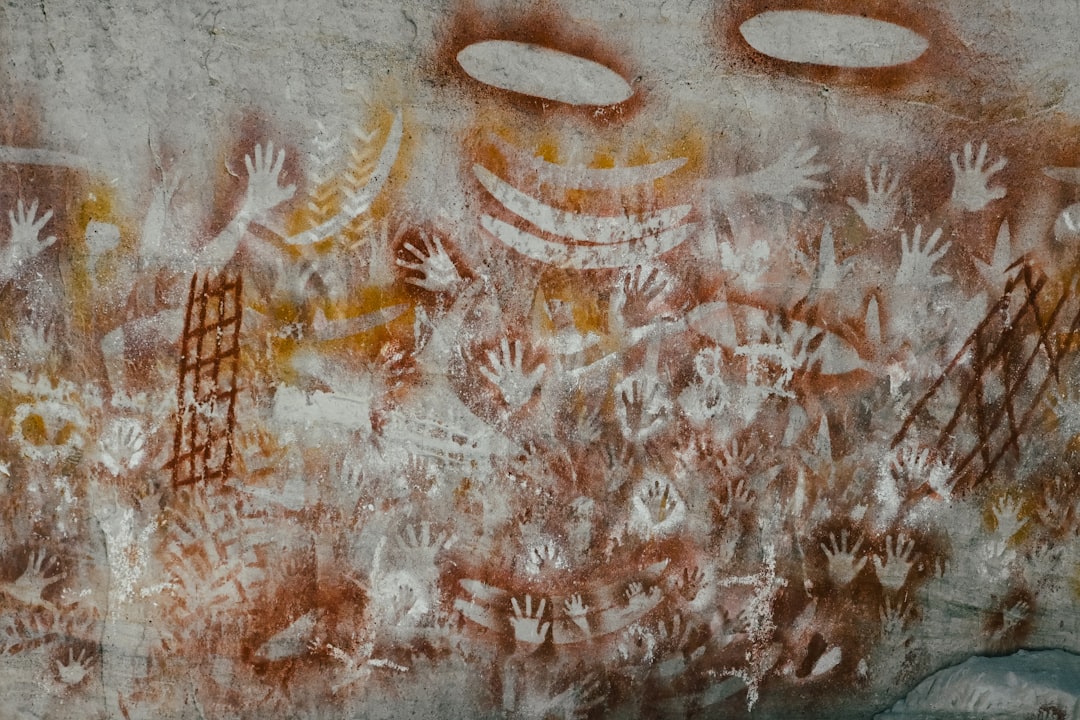
Blowing pigment through hollow bones or reeds created a stenciling effect, often used for handprints or to achieve softer, more diffused areas of color. This technique required a degree of dexterity and foresight.
Engraving: The Power of the Stone Tool
Petroglyphs, etched into the rock surface, were created using harder stone tools. The depth and precision of these engravings can reveal the skill of the artist and the type of tools available to them. Some petroglyphs are found alongside painted art, suggesting a complementary relationship between the two forms.
The Canvas of the Landscape: Choosing the Right Rock
The selection of the rock surface itself was likely a deliberate choice. Smooth, weathered rock faces, often found in sheltered locations like caves or overhangs, were preferred for painting, while more exposed surfaces might have been chosen for engraving.
Shelter and Preservation: Caves and Rock Shelters
Caves and rock shelters provided protection from the elements, helping to preserve the art for millennia. These locations may also have held cultural or spiritual significance for the communities who created the art.
Open-Air Galleries: Exposed Expressions
While sheltered sites are common, rock art is also found on exposed rock faces, exposed to the elements but often in prominent locations within the landscape, perhaps serving as public displays or markers.
Spiritual and Symbolic Worlds: Beliefs Etched in Stone

Beyond the practicalities of herding, rock art offers a profound glimpse into the spiritual and symbolic worlds of ancient pastoralists. Animals, the landscape, and human figures are often imbued with deeper meaning, reflecting their beliefs about the cosmos, the divine, and the human condition.
Totemism and Animal Spirits: The Connection to the Divine
The prominent depiction of certain animals, particularly those associated with power or specific traits, can suggest beliefs in totemism or the reverence of animal spirits. These animals might have been seen as ancestors, spirit guides, or embodiments of divine forces.
The Lion as a Symbol of Power
In some regions, the lion or other powerful predators are depicted alongside or in relation to livestock. This could represent a belief in the need to protect the herd from predators, or perhaps a more complex relationship where predators were also seen as embodying a raw, untamed power.
The Eagle as a Messenger
Birds of prey, like eagles, often feature in rock art and may have been seen as intermediaries between the earthly and spiritual realms, carrying messages to the gods.
Fertility Cults and Rituals: Ensuring the Continuation of Life
The emphasis on animal reproduction and the presence of human figures in what appear to be ritualistic settings strongly suggest the existence of fertility cults and ceremonies aimed at ensuring the abundance and prosperity of both the herd and the community.
Fertility Symbols: The Pregnant Animal
The depiction of pregnant animals or scenes emphasizing the nurturing of young animals directly links to the desire for fertility and the continuation of the species.
Ritual Dances and Offerings
Scenes that appear to depict dancing, feasting, or offerings of food or other items in the presence of animals could indicate rituals intended to appease the gods or spirits to ensure good fortune and plentiful herds.
Ancestor Worship and the Transmission of Knowledge
Rock art may also serve as a means of ancestor worship, with images of significant individuals or events preserved for future generations. The creation and interpretation of rock art could have been a way to transmit cultural knowledge, social norms, and spiritual beliefs across time.
Honoring the Elders: Depicting Revered Individuals
While less common than animal depictions, human figures with distinctive attributes or in positions of prominence could represent revered elders or ancestors, whose stories and wisdom were being preserved.
The Art of Teaching: Visualizing Skills and Stories
The act of creating and viewing rock art could have been an educational tool, teaching younger generations about the importance of livestock, the rhythms of the seasons, the dangers of the wild, and the spiritual beliefs of their ancestors.
Recent studies on rock art evidence of ancient pastoralists have shed light on the complex interactions between these communities and their environment. The intricate depictions found in various locations illustrate not only the animals they herded but also the landscapes they inhabited. For a deeper understanding of how ancient societies maximized their resources, you can explore this insightful article on ISRU technology, which discusses innovative methods that can be applied to resource management in various contexts. This connection highlights the importance of adapting to environmental challenges, much like the pastoralists did in their time. To read more, visit this article.
Enduring Legacies: Modern Interpretations and Future Discoveries
| Site Name | Location | Date of Rock Art | Description |
|---|---|---|---|
| Laas Geel | Somaliland | Estimated 5000-3000 BCE | Well-preserved rock art depicting cattle, humans, and other animals |
| Tadrart Acacus | Libya | 6000-4000 BCE | Rock art showing scenes of pastoral life and hunting |
| Drakensberg Rock Art | South Africa | Estimated 4000-1000 BCE | Depictions of cattle and human figures engaged in herding activities |
The study of pastoralist rock art is an ongoing and evolving field. As new discoveries are made and analytical techniques advance, our understanding of these ancient societies continues to deepen. The challenges are immense, but the rewards – a richer, more nuanced appreciation of our shared human past – are immeasurable.
Interdisciplinary Approaches: Combining Sciences and Humanities
Effective interpretation of rock art requires an interdisciplinary approach, drawing on expertise from archaeology, anthropology, art history, geology, and even genetics. By combining insights from these various fields, researchers can build a more comprehensive picture of the lives of ancient pastoralists.
Archaeological Excavations: Contextualizing the Art
Archaeological excavations at sites with rock art can provide crucial contextual information. The discovery of tools, animal remains, or cultural artifacts in association with rock art can help to date the art and understand the activities that took place in those locations.
Ethnoarchaeology: Drawing Parallels with Living Cultures
Studies of contemporary pastoralist societies can offer valuable insights into the potential meanings and functions of rock art. By observing the practices and beliefs of present-day herders, researchers can draw parallels that help to interpret the ancient imagery.
Digital Technologies: Preserving and Analyzing Ancient Art
The advent of digital technologies, such as 3D scanning and photogrammetry, is revolutionizing the way rock art is documented and analyzed. These technologies allow for highly detailed and accurate recordings of the art, making it accessible for study and preservation even in remote or fragile locations.
High-Resolution Imaging: Capturing Every Detail
High-resolution photography and other imaging techniques can reveal subtle details in the rock art that might be missed by the naked eye, such as faint traces of pigment or fine engraved lines.
Virtual Reconstructions: Immersive Experiences
Digital tools can be used to create virtual reconstructions of rock art sites, allowing researchers and the public to experience these ancient galleries in an immersive way, regardless of their physical location.
The Ongoing Quest: Unanswered Questions and Future Research
Despite decades of research, many questions about pastoralist rock art remain unanswered. The decipherment of complex symbolic systems, the precise dating of many sites, and the understanding of the full spectrum of meanings embedded in the art are ongoing challenges. Future research will undoubtedly continue to uncover new sites, refine our interpretive frameworks, and further illuminate the fascinating world of ancient pastoralists, whose stories continue to whisper from the stone. The rock art left behind is a testament to their resilience, their ingenuity, and their profound connection to the animals that shaped their existence and their world.

260 Ancient Graves Were Hiding in This “Empty” Desert
FAQs
What is rock art evidence of ancient pastoralists?
Rock art evidence of ancient pastoralists refers to the depiction of pastoralist activities, such as herding animals, in prehistoric rock art. This evidence provides insight into the practices and lifestyle of ancient pastoralist societies.
Where is rock art evidence of ancient pastoralists found?
Rock art evidence of ancient pastoralists can be found in various regions around the world, including Africa, Europe, Asia, and Australia. These depictions are often found in rock shelters, caves, and other natural formations.
What do rock art depictions of ancient pastoralists typically show?
Rock art depictions of ancient pastoralists often show scenes of herding and managing livestock, such as cattle, sheep, and goats. These images may also include depictions of pastoralist settlements, rituals, and daily life activities.
How do researchers interpret rock art evidence of ancient pastoralists?
Researchers interpret rock art evidence of ancient pastoralists by studying the imagery, context, and associated archaeological evidence. They also draw on ethnographic studies of modern pastoralist societies to gain insights into the meaning and significance of the rock art depictions.
What can rock art evidence of ancient pastoralists tell us about ancient societies?
Rock art evidence of ancient pastoralists can provide valuable information about the social, economic, and cultural practices of ancient pastoralist societies. It can also offer insights into the relationship between humans and animals, as well as the environmental and ecological conditions of the past.