The Genesis of Shelter: Early Humans and the Instinct for Cover
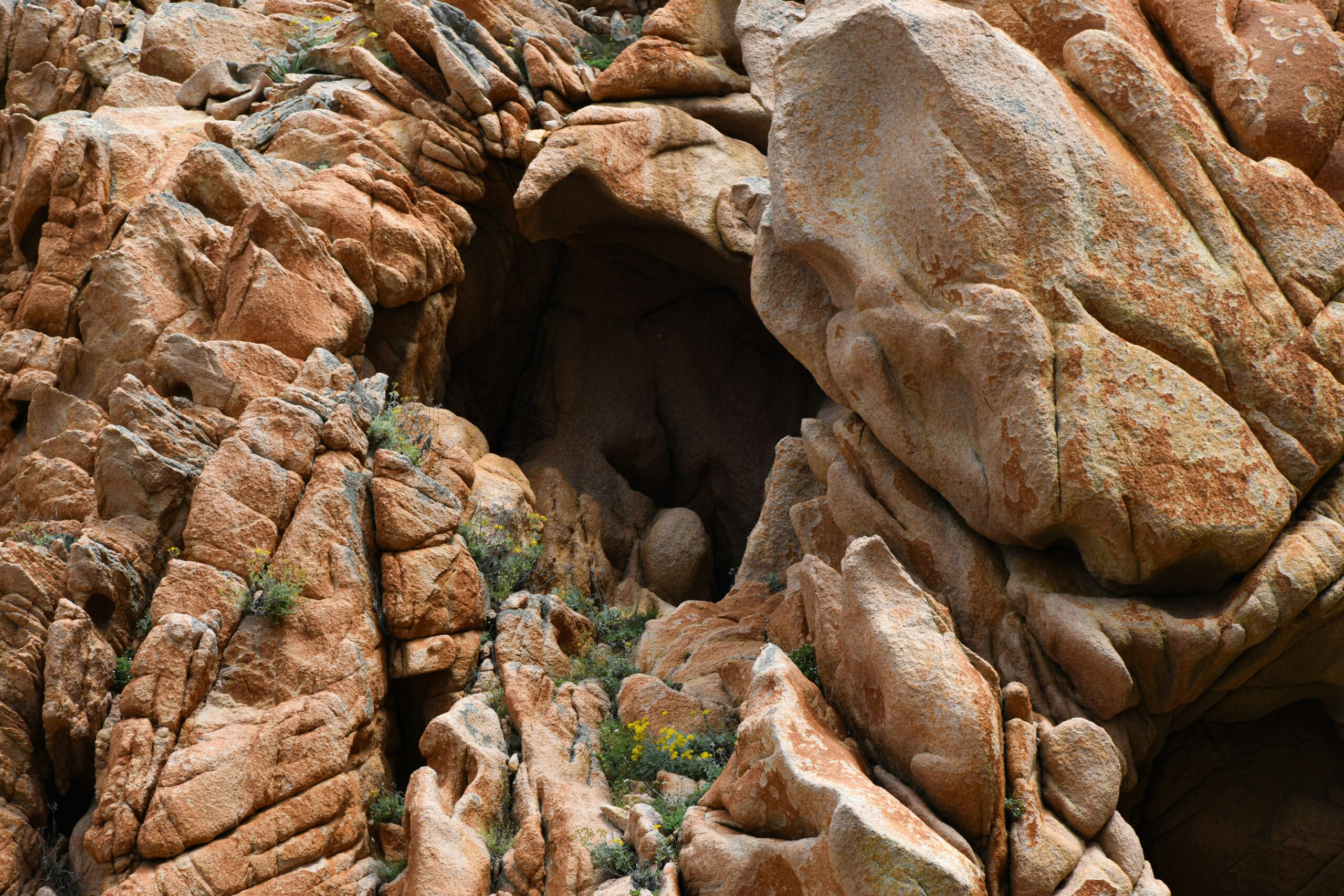
The story of prehistoric humanity is inextricably linked with the quest for survival, and at its core lay the fundamental need for shelter. Long before the advent of settled agriculture and constructed dwellings, the early hominins and their descendants found refuge in the natural architecture sculpted by the Earth itself. These rock shelters, often unassuming overhangs or shallow caves, were not merely passive locations; they were active participants in the drama of human evolution, shaping social structures, fostering innovation, and preserving the fragile embers of early culture. The selection of a rock shelter was a critical decision, influenced by a complex interplay of environmental factors, resource availability, and the innate human desire for security.
The earliest hominins, such as Australopithecus, likely relied on a combination of arboreal and terrestrial shelter. However, as bipedalism became more pronounced and tool use more sophisticated, the exploitation of geological features for protection grew increasingly important. The availability of rock shelters would have been dictated by local geology, with sedimentary and volcanic rocks often providing more suitable formations than hard crystalline igneous rocks. The morphology of the shelter itself was paramount. Wide, shallow overhangs offered protection from rain and sun without the claustrophobia of deep caves, while also allowing for easy escape and observation of the surrounding environment. Deeper caves, while offering superior protection from extreme weather and predators, presented their own challenges, including limited light, potential for ambush, and greater difficulty in maintaining sanitation. The proximity to water sources and readily available food resources – game animals, edible plants, and materials for tool manufacture – was another crucial determinant in the selection and prolonged occupation of a rock shelter. A shelter strategically located at the confluence of these necessities became a vital hub for survival.
The Natural Fortresses: Geological Factors and Environmental Advantages
The very formation of rock shelters is a testament to the slow, persistent artistry of geological processes. Weathering, the disintegration of rocks, and erosion, the transportation of these fragments, are the primary sculptors of these prehistoric refuges. Rainwater, imbued with carbonic acid from the atmosphere and soil, slowly dissolves soluble minerals within rocks like limestone, creating hollows and fissures. Freeze-thaw cycles, where water seeps into cracks, freezes, expands, and then thaws, exert immense pressure, widening these openings. Wind, laden with abrasive sand particles, can also scour away softer rock layers, leaving behind more resistant formations as protective overhangs.
The geological composition of a region heavily influenced the types of shelters available. Limestone karst landscapes, characterized by soluble bedrock, are particularly rich in caves and rock shelters. Sandstone formations, with their layered structure, can erode unevenly, creating deep overhangs and alcoves. Volcanic tuffs and agglomerates, while sometimes less resistant to erosion, can form dramatic overhangs and natural alcoves. The orientation of a shelter also played a significant role. Shelters facing south in the Northern Hemisphere would have received more sunlight, offering warmth during colder months and drying capabilities, while those facing north might have provided cooler refuge during the heat of summer. The elevation of a shelter was also considered; higher locations offered better vantage points for spotting prey and predators, and could also reduce the risk of flooding from seasonal rains or rising rivers. The presence of a defensible approach, allowing for easier monitoring and a more strategic defense against potential threats, would have also made a particular shelter more attractive.
Beyond Mere Cover: The Strategic Value of Location
The choice of a rock shelter was rarely arbitrary; it was a strategic decision rooted in a deep understanding of the landscape and its resources. A good shelter was more than just protection from the elements; it was a base from which to hunt, gather, and socialize. Its location dictated access to sustenance, the availability of raw materials for toolmaking, and the ability to observe and react to the surrounding environment. Proximity to water was non-negotiable. Rivers, streams, and natural springs provided not only drinking water but also attracted game animals, creating prime hunting grounds. The presence of fertile soil in the vicinity would have supported the growth of edible plants, and the availability of flint, chert, or obsidian deposits was crucial for the production of essential stone tools.
The accessibility of a shelter also factored into its desirability. While a deeply hidden cave might offer ultimate security, it could also be a liability if escape routes were limited or difficult to navigate, especially during times of danger. Shelters that allowed for clear lines of sight to the surrounding territory were favored, enabling early humans to detect approaching predators or the movement of herd animals from a distance. This observational advantage was critical for both defense and opportunistic hunting. Furthermore, the social dynamics of prehistoric groups likely influenced shelter selection. A shelter large enough to accommodate a family or a small band, with distinct areas for sleeping, cooking, and tool production, would have fostered communal living and the development of social bonds. The presence of multiple, interconnected shelters within a close proximity could have facilitated larger group settlements, offering both collective security and the benefits of shared resources and knowledge.
Rock shelters played a crucial role in the lives of prehistoric humans, providing them with protection from the elements and a strategic vantage point for hunting and gathering. These natural formations not only served as living spaces but also as sites for cultural expression, as evidenced by the numerous cave paintings and artifacts discovered within them. For a deeper understanding of the significance of such shelters in prehistory, you can explore a related article that discusses the broader implications of natural structures in human development. To read more, visit this article.
The Rock Shelter as a Cradle of Innovation and Culture
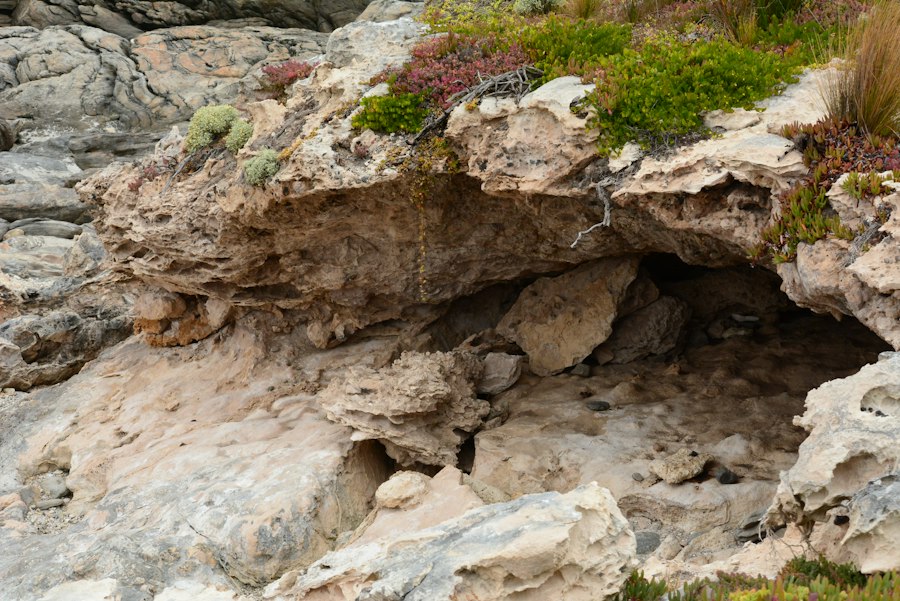
The seemingly simple act of taking refuge in a rock shelter was the catalyst for a cascade of cultural developments. Within these natural abodes, early humans were able to experiment, innovate, and transmit knowledge, laying the foundations for complex human societies. The relative safety and stability offered by these shelters allowed for the development of more sophisticated toolkits, the mastery of fire, and the emergence of artistic expression. These innovations were not isolated events but interconnected threads weaving the tapestry of prehistoric culture.
The earliest evidence of tool use by hominins, dating back millions of years, suggests a gradual refinement of techniques. In rock shelters, the consistent availability of suitable raw materials, such as flint and chert, combined with the protection from the elements, would have provided an ideal environment for honing these skills. The process of knapping stone, which involves striking one stone against another to create sharp edges, is a delicate and time-consuming endeavor. The ability to work on tools for extended periods without interruption, shielded from wind and rain, would have significantly improved the efficiency and quality of tool production. This led to the development of more specialized tools for hunting, butchering, scraping hides, and preparing food, each tailored to specific tasks.
The Hearth of Humanity: Fire, Warmth, and Social Cohesion
The control and utilization of fire was arguably one of the most transformative developments in human history, and rock shelters played a pivotal role in its mastery. The consistent presence of a fire within a shelter offered a multitude of benefits. Foremost among these was warmth, providing a crucial defense against hypothermia, especially during colder seasons and in higher altitudes. Fire also offered protection from predators; the flickering flames and the smoke deterred many dangerous animals, creating a safer living space. This newfound security allowed for longer periods of activity within the shelter, extending the working day and facilitating social interaction.
The hearth within a rock shelter became the focal point of communal life. It was around the warmth and light of the fire that stories were told, knowledge was shared, and social bonds were strengthened. This was where families huddled together for warmth, where meals were cooked and shared, and where the next day’s plans were made. The controlled use of fire also enabled the cooking of food, which made it more digestible and nutritious, potentially contributing to improved health and cognitive development. Furthermore, fire could be used to harden wooden spear points, making them more effective hunting weapons, and to clear vegetation, potentially aiding in the management of their immediate environment. The evidence of repeated hearths within many rock shelters attests to their long-term use and the importance of fire in daily life.
Whispers from the Past: The Emergence of Art and Symbolism
The walls of rock shelters, protected from the ravages of time and weather, have preserved some of the most ancient and profound expressions of human creativity. The emergence of rock art, in the form of paintings, engravings, and petroglyphs, is a testament to the development of complex thought, symbolism, and a desire to record and communicate. These artworks are not mere decorative embellishments; they offer invaluable insights into the beliefs, rituals, and daily lives of prehistoric peoples.
The pigments used in rock paintings were often derived from natural sources such as ochre (iron oxides) for reds and yellows, charcoal for black, and kaolin for white. These pigments were ground into fine powders and mixed with binders like animal fat, egg white, or plant sap. The application methods varied, from finger painting to the use of brushes made from animal hair or plant fibers, and even blowing pigments through hollow reeds onto the rock surface. The subjects of this art are incredibly diverse, ranging from detailed depictions of animals – bison, horses, deer, and mammoths – to abstract geometric patterns, human figures, and handprints. The purpose of this art remains a subject of much debate among archaeologists and anthropologists. Some theories suggest it was for magical or ritualistic purposes, perhaps to ensure successful hunts or to appease spirits. Others propose it served as a form of storytelling, historical record-keeping, or even as a way to teach younger generations about the natural world and their place within it. The placement of certain images deep within shelters, often in difficult-to-reach locations, suggests a sacred or ceremonial significance.
Preserving the Echoes: Rock Shelters as Archaeological Treasures
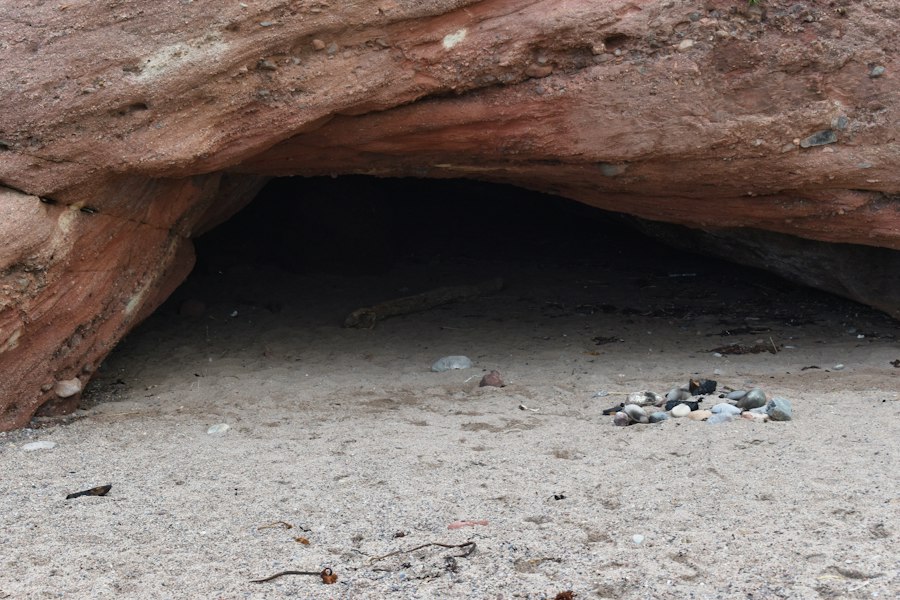
The enduring nature of rock shelters, coupled with their protected environments, has made them invaluable repositories of archaeological evidence. These sites act as time capsules, preserving fragile artifacts and organic materials that would have long since disintegrated in more exposed locations. The meticulous study of these preserved remains allows archaeologists to reconstruct the lives of our ancestors with remarkable detail.
The stratigraphy of rock shelters, the layers of sediment and occupation debris that accumulate over millennia, provides a chronological framework for understanding human activity. Each layer represents a distinct period of occupation, and within these layers, archaeologists can find a wealth of information. Tools, weapons, animal bones, plant remains, hearth ashes, and even human skeletal remains are all carefully excavated and analyzed. The distribution of these materials within a shelter can reveal how spaces were used – for cooking, sleeping, toolmaking, or storage. The presence of specific types of tools or animal bones can indicate the diet and hunting practices of the inhabitants, while the discovery of fire-hardened tools or evidence of advanced knapping techniques points to technological advancements.
Rock shelters have played a crucial role in the study of prehistoric human life, providing insight into the daily activities, social structures, and environmental adaptations of early societies. These natural formations not only served as protective dwelling spaces but also as sites for artistic expression and ritual practices. For a deeper understanding of how ancient communities interacted with their surroundings, you can explore a related article that discusses the challenges and opportunities faced by early civilizations in navigating complex environments, which can be found here.
Unearthing the Material Culture: Tools, Artifacts, and Daily Life
The artifacts recovered from rock shelters offer a tangible connection to the prehistoric past, allowing us to understand the ingenuity and resourcefulness of early humans. Stone tools, by far the most common finds, provide a window into their technological capabilities. These range from simple choppers and handaxes of the Lower Paleolithic to the more refined and specialized tools of the Upper Paleolithic, such as blades, burins (for engraving), and scrapers. The materials used for these tools, their form, and the techniques employed in their manufacture all speak volumes about the skill and knowledge of the ancient artisans.
Beyond stone, other materials, though less durable, are also sometimes preserved. Bone tools, such as awls, needles, and harpoons, indicate sophisticated woodworking, leatherworking, and fishing practices. Antler was also frequently utilized for crafting tools and decorative items. In rare instances, organic materials like wooden tools, woven baskets, or fragments of clothing have been found, offering exceptional glimpses into aspects of daily life that would otherwise be lost. The presence of beads, pendants, and other personal ornaments suggests a development of aesthetic sensibilities and a sense of identity. The careful analysis of animal bones recovered from shelters can reveal dietary habits, hunting strategies, and even the domestication of certain animals. Similarly, the identification of plant remains can shed light on foraging practices and the early stages of plant cultivation. The careful excavation and meticulous recording of the context in which these artifacts are found are crucial for accurate interpretation.
The Silent Witness: Human Remains and Social Structures
The discovery of human skeletal remains within rock shelters is of profound significance, offering direct evidence of the people who inhabited these spaces and providing insights into their physical characteristics, health, and social practices. These remains, when preserved, can reveal information about age at death, sex, diet, common diseases, injuries, and even funerary rituals.
The burial practices observed in rock shelters can vary greatly. Some individuals may have been interred within the shelter itself, perhaps in specially dug pits or within natural crevices. In other cases, bodies may have been left exposed, or cremated. The presence of grave goods, such as tools, ornaments, or food offerings, alongside skeletal remains can indicate beliefs about the afterlife or a desire to provide for the deceased in their journey to the next world. The study of these skeletal remains allows for the reconstruction of population genetics, migration patterns, and the evolution of human physiology. For example, the analysis of dental wear can reveal dietary patterns, while the examination of bone structures can provide information about physical activity levels and the prevalence of certain ailments. The communal nature of many rock shelters suggests that the deceased were likely part of a larger social group, and their burials may reflect the social status or role they held within that community.
Beyond the Obvious: The Enduring Legacy of Rock Shelters
The importance of rock shelters extends far beyond their role as temporary refuges and early laboratories of human culture. They continue to shape our understanding of human history and offer valuable lessons for the present and future. Their preservation is a critical endeavor, ensuring that these silent witnesses to our past remain accessible for scientific study and public appreciation.
The study of rock shelters has fundamentally altered our perception of early human capabilities. It has moved us away from the image of primitive beings solely focused on immediate survival to a recognition of their intellectual curiosity, their capacity for innovation, and their burgeoning cultural complexity. The sophisticated tools, the artistic expressions, and the evidence of social organization all point to a rich and dynamic prehistoric existence. This understanding is crucial for appreciating the long trajectory of human development and the deep roots of our modern societies.
A Window to Our Ancestors: Informing Modern Understanding
The insights gleaned from rock shelter excavations are fundamental to the scientific understanding of human evolution and prehistory. By piecing together the fragments of evidence – the stone tools, the animal bones, the rock art, the skeletal remains – archaeologists and paleoanthropologists can build a narrative of human development that stretches back hundreds of thousands, even millions, of years. This narrative helps us to understand how our species adapted to diverse environments, how our cognitive abilities evolved, and how complex social structures began to emerge.
Furthermore, the study of prehistoric societies can offer valuable perspectives on contemporary issues. For instance, understanding how early humans managed their resources and interacted with their environment can provide lessons for sustainable living in the present day. The development of social cooperation and communication strategies observed in these ancient groups can inform our understanding of social dynamics and conflict resolution. The enduring human drive for creativity and expression, as evidenced by rock art, speaks to a fundamental aspect of our nature that continues to manifest in diverse forms today. Rock shelters serve as tangible reminders of this long and continuous human journey.
Safeguarding the Past: Conservation and Future Research
The preservation of rock shelters is a paramount concern for archaeologists and heritage organizations worldwide. These sites are often fragile, susceptible to environmental damage, vandalism, and the impacts of tourism. Conservation efforts focus on protecting the physical integrity of the shelters, stabilizing rock surfaces, and mitigating threats from erosion, water infiltration, and human activity. Access to many sensitive rock art sites is carefully controlled, and protective barriers are often erected to prevent direct contact.
The ongoing research at rock shelters continues to yield new discoveries and refine our understanding of prehistoric life. Advances in dating techniques, such as radiocarbon dating and luminescence dating, allow for more precise chronologies of occupation. Sophisticated analytical methods, including DNA analysis of ancient human and animal remains, and isotopic analysis of teeth and bones, provide unprecedented insights into diet, migration, and health. The development of digital recording techniques, such as 3D scanning and photogrammetry, allows for the creation of detailed virtual models of sites and artifacts, facilitating research and public engagement. As new technologies emerge and as our understanding of the past deepens, rock shelters will undoubtedly continue to reveal their secrets, offering ever-clearer glimpses into the lives of our ancient forebears and the very origins of human culture.

20,000 Years Ago | The Coldest Journey in Human History
FAQs
What is a rock shelter?
A rock shelter is a shallow cave-like opening in a rock formation that provides protection from the elements. It is a natural or man-made shelter that has been used by humans for thousands of years.
Why are rock shelters important in prehistory?
Rock shelters are important in prehistory because they provide valuable archaeological evidence of past human activities, such as tool making, cooking, and art. They offer a protected environment that helps preserve artifacts and fossils, giving us insights into the lives of ancient peoples.
How do rock shelters contribute to our understanding of early human history?
Rock shelters contribute to our understanding of early human history by providing a glimpse into the daily lives, cultural practices, and technological advancements of our ancestors. The artifacts and remains found in rock shelters help archaeologists piece together the puzzle of human evolution and migration.
What types of artifacts are typically found in rock shelters?
Artifacts commonly found in rock shelters include stone tools, pottery fragments, animal bones, and rock art. These artifacts provide clues about the diet, tools, and artistic expressions of ancient peoples who inhabited or used the rock shelters.
How are rock shelters preserved and protected for future generations?
Rock shelters are preserved and protected for future generations through measures such as controlled access, monitoring, and conservation efforts. Archaeologists work closely with local communities and governments to ensure the long-term preservation of these important cultural sites.