
The Roman Empire, a colossus of antiquity, owes much of its enduring legacy not just to its formidable legions, but to the intricate and efficient logistical network that underpinned its vast dominion. Far beyond mere roads and military encampments, the Romans established a sophisticated system of logistics nodes – strategically vital locations that served as nerve centers for the movement of troops, supplies, information, and wealth. These nodes were not static fortifications but dynamic hubs, evolving to meet the ever-changing demands of expansion, administration, and defense. Understanding these key strategic network locations is crucial to appreciating the genius of Roman organization and the very foundations upon which their empire was built and maintained. They represent the silent, unsung heroes of Roman military and economic success, enabling legions to march vast distances, cities to be provisioned, and the emperor’s authority to be felt across an unprecedented expanse.
The Backbone of Empire: Defining Roman Logistics Nodes
Roman logistics nodes were far more than simple waypoints; they were the critical junctures where various arteries of the empire converged. These locations were chosen for their geographical advantages, existing infrastructure, or proximity to vital resources. They served a multifaceted purpose, acting as collection points for tribute and taxes, staging areas for military campaigns, depots for storing essential supplies, administrative centers for provincial governance, and sometimes even as nascent urban settlements that grew around their strategic importance. The success of Roman military operations, the economic prosperity of its provinces, and the very cohesion of its sprawling empire rested heavily on the effective functioning of these interconnected nodes. Without them, the legions would have been isolated, the administration paralyzed, and the empire a fragmented collection of disconnected territories.
Geographical Significance and Site Selection
The selection of a site for a logistics node was a meticulous process, often dictated by a confluence of geographical factors. Proximity to navigable rivers and coastlines was paramount, facilitating the bulk transport of goods and troops by water, which was significantly more cost-effective than overland travel. Natural harbors or the ability to construct them were highly prized. Mountain passes, when controlled and fortified, became crucial chokepoints, allowing for the regulation of trade and troop movement and providing a defensive advantage. The presence of freshwater sources was, of course, a fundamental requirement for sustaining any significant population or military presence. Furthermore, fertile surrounding lands capable of providing agricultural produce for garrisons and local populations contributed to a node’s self-sufficiency and reduced reliance on distant supply lines. The Romans possessed a keen understanding of topography and hydrography, leveraging these elements to their strategic advantage.
Functional Roles: More Than Just a Stopover
The operational scope of a Roman logistics node extended far beyond that of a simple transit point. They were multifaceted centers of activity, each fulfilling a distinct yet interconnected set of roles. These functions were not mutually exclusive and often overlapped, creating a robust and resilient network. The dynamic nature of these roles also meant that the importance and specific functions of a node could evolve over time, adapting to changing imperial needs.
Storage and Distribution Centers
At their core, logistics nodes served as essential storage and distribution centers. Vast quantities of grain, wine, olive oil, and other foodstuffs were amassed to feed the legions and civilian populations in surrounding areas. Weapons, armor, building materials, and other military equipment were also stockpiled. These depots were strategically placed to ensure a steady and reliable supply chain, minimizing the risk of shortages that could cripple military campaigns or lead to civil unrest. The sheer scale of these operations is testament to the Romans’ foresight and organizational prowess. Elaborate granaries, known as horrea, were a common feature, designed to protect perishable goods from the elements and vermin.
Military Staging and Recruitment Hubs
For military endeavors, logistics nodes acted as vital staging grounds and recruitment hubs. Legions could be assembled, trained, and provisioned before embarking on campaigns, whether to quell internal rebellions or to expand the empire’s frontiers. These locations often housed permanent garrisons that could be rapidly reinforced. The presence of a significant military contingent also contributed to the economic vitality of the surrounding region, creating demand for local goods and services. Furthermore, these nodes served as centers for the enlistment of new recruits, often drawing from the local population, thereby fostering a sense of imperial identity and participation.
Administrative and Communication Centers
Beyond military functions, logistics nodes were also critical administrative and communication centers. They served as the focal points for provincial governance, where officials collected taxes, administered justice, and managed public works. Messengers and couriers would pass through these hubs, carrying dispatches and vital information between Rome and its farthest reaches. This rapid dissemination of information was crucial for maintaining control, responding to crises, and coordinating imperial policy. In many instances, the administrative structures within these nodes would evolve into the foundations of later cities.
Roman logistics nodes played a crucial role in the efficiency of the empire’s supply chain, strategically located to facilitate the movement of goods and resources across vast distances. Understanding these historical logistics systems can provide valuable insights into modern supply chain management. For instance, the article on preparing for a potential US debt crisis discusses the importance of strategic planning and resource allocation, which parallels the logistical strategies employed by the Romans. To learn more about contemporary challenges in resource management, you can read the article here: Preparing for a US Debt Crisis: What You Need to Know.
Exemplary Logistics Nodes: Case Studies in Strategic Importance
The Roman Empire was peppered with numerous logistics nodes, each with its own unique characteristics and importance. Examining specific examples provides tangible insight into how these strategic locations functioned and contributed to the empire’s success. These case studies highlight the adaptability and foresight of Roman planning, demonstrating how different geographical and political contexts shaped the development and utilization of these critical hubs.
Ostia Antica: The Gateway to Rome
Ostia Antica, the port city of Rome, stands as perhaps the most iconic example of a Roman logistics node. Its strategic location at the mouth of the Tiber River made it the primary maritime gateway for the capital. From across the Mediterranean, ships laden with grain from Egypt and North Africa, marble from Greece, and luxury goods from the East would dock at Ostia. From there, the cargo would be transferred to smaller barges or overland transport for the final journey up the Tiber to Rome itself. The scale of activity at Ostia was immense, requiring extensive docks, warehouses (horrea), and administrative facilities to manage the flow of goods. The city’s growth and prosperity were intrinsically linked to its role as Rome’s principal logistical lifeline. Without Ostia, the burgeoning population of Rome would have been impossible to sustain.
Aquincum: A Frontier Bastion and Supply Nexus
Located on the Danube River, a crucial frontier of the Roman Empire, Aquincum served as a vital logistics node for the defense of the Pannonian provinces. It was a major military base, housing several legions and auxiliary units tasked with defending against incursions from Germanic tribes and other hostile forces. Aquincum functioned as a critical supply depot, receiving provisions and equipment from the Roman heartland and distributing them to the frontier garrisons. Its strategic position on the Danube also facilitated riverine transport for both military movements and trade. The city developed into a significant urban center, supporting the military presence with civilian infrastructure and economic activity, demonstrating how military necessity could foster civilian development.
In exploring the intricate web of Roman logistics nodes and their strategic network locations, one can draw parallels to modern defense strategies, particularly in the context of securing vital assets. A relevant article discusses the importance of safeguarding deep space assets, which can be likened to the way Romans protected their supply routes and infrastructure. For more insights on this topic, you can read about it in the article on securing satellites and defending deep space assets. This connection highlights how strategic planning has evolved yet remains a fundamental aspect of logistics throughout history.
Petra: The Desert Caravan Hub
While often celebrated for its architectural splendor, the Nabataean city of Petra, later incorporated into the Roman Empire, also served a crucial logistical role, particularly for trade routes. Situated at a crossroads of ancient caravan routes connecting Arabia, Egypt, and the Levant, Petra became a vital hub for the exchange of goods. While not a direct military node in the same vein as Aquincum, its control and integration into the Roman trade network facilitated the movement of valuable commodities such as incense, spices, and silk. Roman engineering and administrative influence can be seen in the development and protection of these trade routes, with Petra acting as a key point for tolls, resupply, and the protection of merchants.
Lutetia Parisiorum: A Gallic Crossroads
Lutetia Parisiorum, the precursor to modern Paris, exemplifies how logistics nodes developed in conquered territories. Situated at a strategic crossing point of the Seine River, it became an important center for trade and communication within Roman Gaul. Its location facilitated the movement of goods from the north of Gaul to the south and vice-versa, as well as providing a vital link in the Roman communication network. While not initially a major military stronghold, its growing importance as a trade and administrative hub led to its development and fortification, demonstrating the organic growth of these nodes.
The Infrastructure of Empire: Engineering and Organization
The effectiveness of Roman logistics nodes was underpinned by a remarkable level of engineering prowess and meticulous organization. The Romans were master builders, constructing durable and efficient infrastructure that facilitated the movement and storage of resources. Their organizational skills, honed through military experience and administrative necessity, ensured that these complex systems operated with a high degree of efficiency.
Road Networks and Paved Routes
The famed Roman road network was the essential circulatory system that connected the logistics nodes. These paved, durable roads, often engineered with sophisticated drainage systems, allowed for the rapid and reliable movement of troops, supplies, and messengers across vast distances. The roads were not merely for military use; they also facilitated trade and communication, integrating the empire economically and culturally. Each logistics node was strategically located to be accessible via these arterial roads, ensuring that resources and personnel could be channeled effectively.
Fortifications and Warehousing
Logistics nodes were often heavily fortified to protect the valuable stores of goods and personnel from raids and enemy attacks. These fortifications ranged from simple ramparts and ditches to formidable stone walls and towers. Within these secure perimeters, elaborate warehousing facilities were constructed. The horrea, mentioned previously, were particularly important for storing grain and other foodstuffs. These structures were designed with ventilation, protection from dampness, and pest control in mind, demonstrating a sophisticated understanding of food preservation.
Harbor and Riverine Infrastructure
For nodes located near water, extensive harbor and riverine infrastructure was developed. This included docks, piers, breakwaters, and canals, all designed to facilitate the loading and unloading of ships and barges. The construction of such facilities was a significant undertaking, requiring considerable engineering skill and labor. The efficiency of these maritime and fluvial links was crucial for the cost-effective transport of bulk goods, reducing the burden on overland routes and ensuring the timely delivery of essential supplies to distant provinces and the capital.
Evolution and Legacy: The Enduring Impact of Roman Logistics
The Roman Empire eventually fell, but the principles and practices of its logistical network left an indelible mark on the development of infrastructure, trade, and governance. The concept of strategically placed hubs for resource management and movement continued to influence subsequent empires and states. The very roads and some of the structures built by the Romans endured for centuries, a testament to their engineering quality and the enduring value of well-planned logistical systems.
Adapting to Changing Imperial Needs
Throughout its long history, the Roman Empire constantly adapted its logistical network to meet evolving needs. As the empire expanded, new nodes were established, and existing ones were expanded and reconfigured. The focus shifted from purely military provisioning to also encompassing the administration of vast territories and the facilitation of interprovincial trade. The development of these nodes was not static; they were dynamic entities, responsive to political changes, military threats, and economic opportunities. This adaptability was a key factor in the empire’s longevity.
The Foundations of Modern Infrastructure
The legacy of Roman logistics nodes is deeply embedded in the foundations of modern infrastructure. The principles of centralized storage, efficient distribution, and interconnected transportation networks that the Romans pioneered are still fundamental to how contemporary societies operate. The very concept of a well-managed supply chain owes a great deal to the Roman understanding of logistical imperatives. Even the names of some cities and the routes of modern roads can trace their origins back to these ancient Roman hubs.
A Lesson in Strategic Planning
The study of Roman logistics nodes offers invaluable lessons in strategic planning. It underscores the importance of understanding geography, investing in infrastructure, and developing robust organizational systems to achieve and maintain power and prosperity. The Romans demonstrated that military might is only one component of imperial success; the ability to effectively support, supply, and administer a vast territory is equally, if not more, critical. Their logistical network was not merely a functional necessity but a sophisticated instrument of imperial control and influence, a testament to their enduring genius in organization and execution.
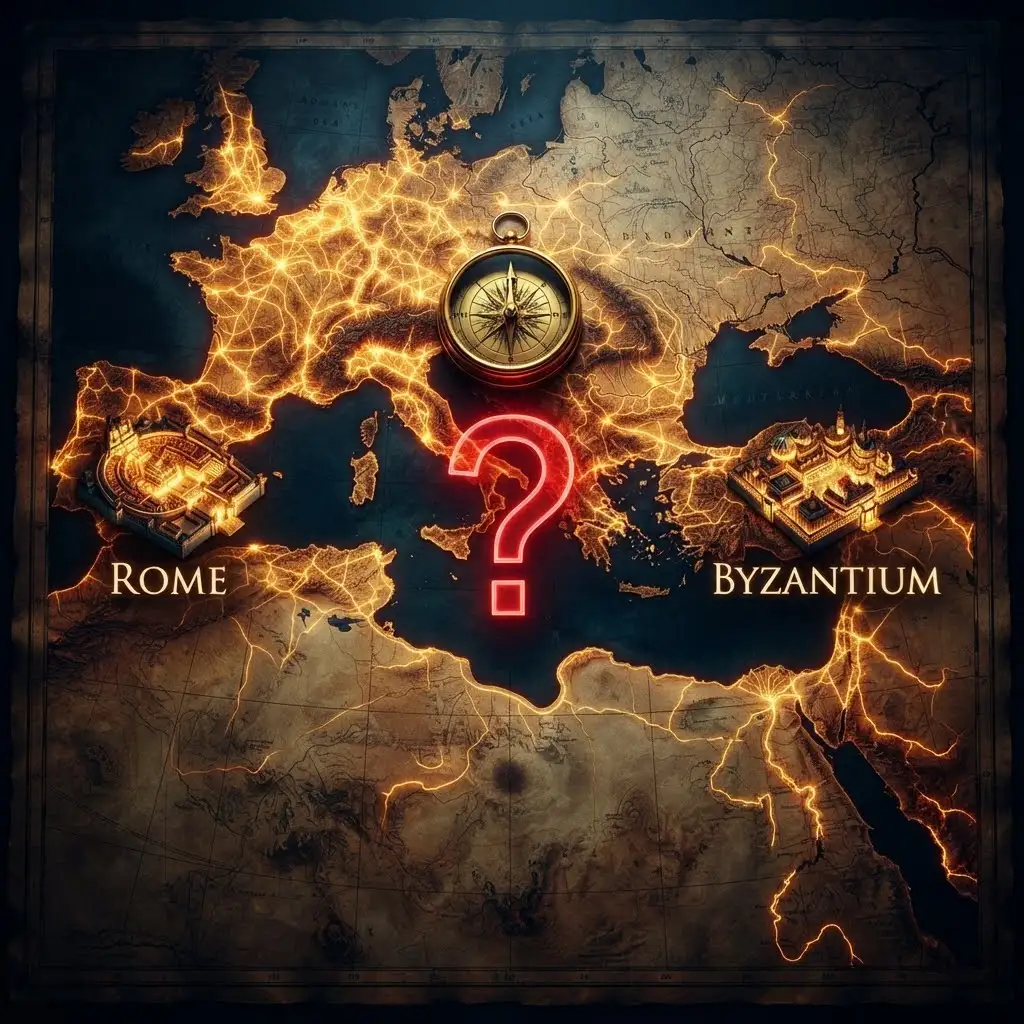
The 2.7% Statistic That Terrifies Roman Historians
FAQs
What are Roman logistics nodes?
Roman logistics nodes were strategic locations established by the Roman Empire to facilitate the movement of troops, supplies, and communication throughout their vast territories.
How were the strategic network locations of Roman logistics nodes determined?
The strategic network locations of Roman logistics nodes were determined based on factors such as proximity to key military routes, access to resources, defensibility, and the ability to support large numbers of troops.
What role did Roman logistics nodes play in the success of the Roman Empire?
Roman logistics nodes played a crucial role in the success of the Roman Empire by ensuring efficient supply lines, rapid troop movements, and effective communication, which were essential for maintaining control over their vast territories.
Can you provide examples of Roman logistics nodes strategic network locations?
Examples of Roman logistics nodes strategic network locations include cities like Rome, Constantinople, Carthage, and Alexandria, as well as military outposts along key trade routes and borders.
How did the Roman logistics nodes strategic network locations influence military tactics and operations?
The strategic network locations of Roman logistics nodes influenced military tactics and operations by allowing for quicker mobilization of troops, better coordination of supplies, and more effective communication, giving the Roman Empire a significant advantage over their adversaries.