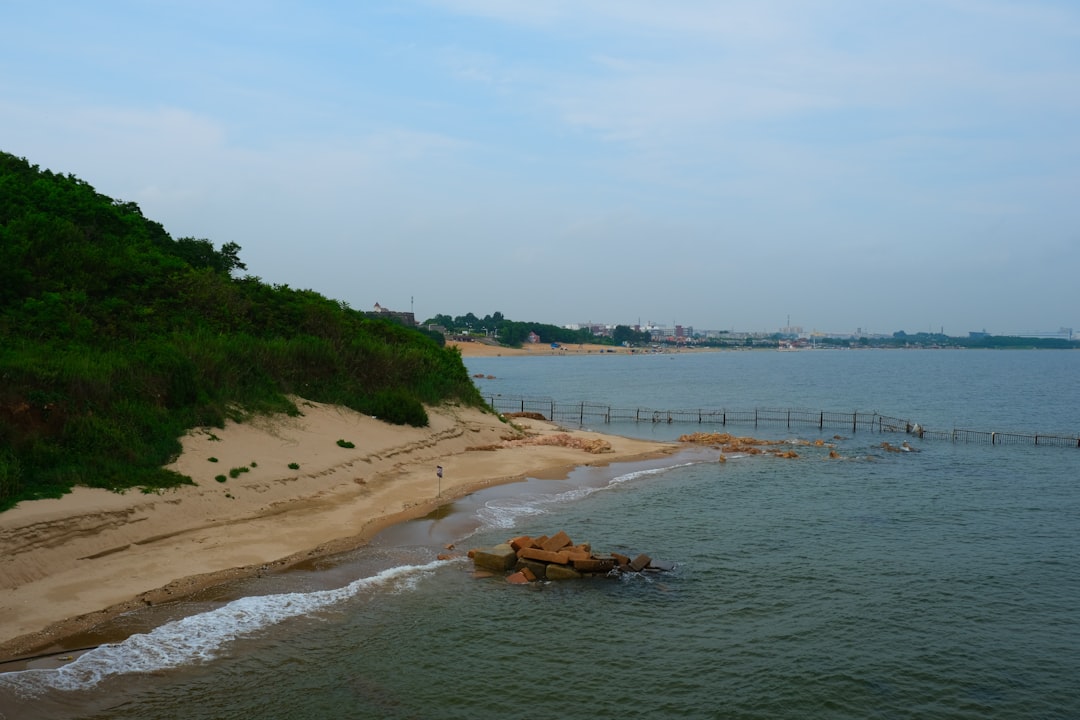
The construction of Roman coastal defenses relied heavily on the engineering prowess of its builders, and the design of Roman piers stands as a testament to this. These maritime structures, essential for trade, military projection, and the security of coastal settlements, were not monolithic entities but rather carefully orchestrated constructions. Understanding the variability and underlying principles behind Roman pier form heights in coastal works offers a valuable glimpse into their understanding of hydraulic forces, material science, and the specific environmental challenges they faced.
Roman engineering, a vast and intricate tapestry, was built upon a bedrock of practicality and innovation. Their approach to construction was not a sudden spark of genius but rather a gradual evolution, drawing upon Hellenistic traditions and adapting them to the specific needs and resources of their burgeoning empire. Maritime engineering, in particular, presented a unique set of problems that demanded robust and adaptable solutions.
The Legacy of Mediterranean Sea Lore
The Romans inherited a wealth of knowledge from earlier Mediterranean civilizations. The Phoenicians, Greeks, and Carthaginians had already established sophisticated port facilities and engaged in extensive maritime trade. Their experience with the tides, currents, and storm surges of the Mediterranean provided a foundational understanding that the Romans would further refine and expand.
The Roman Approach: From Practicality to Prowess
Roman engineering was characterized by its methodical and empirical approach. While theoretical principles were acknowledged, the emphasis was on demonstrable results and the use of readily available materials, particularly concrete. This pragmatic philosophy extended to their coastal works, where the success of a pier was measured by its longevity and its ability to withstand the relentless embrace of the sea.
The Role of Vitruvius and His Contemporaries
The writings of Roman engineers and architects, most notably Vitruvius in his De Architectura, provide invaluable insights into their construction techniques and principles. While Vitruvius may not offer precise blueprints for pier heights, his discussions on harbor construction, materials, and the forces of nature offer a conceptual framework for understanding their design considerations.
The Roman Pier, a remarkable example of ancient engineering, showcases the ingenuity of coastal works in historical maritime infrastructure. For those interested in exploring the intersection of ancient technology and its applications, a related article discusses the fascinating concept of Archimedes’ Death Ray, an ancient solar weapon that exemplifies the innovative spirit of the time. You can read more about this intriguing topic in the article available at Archimedes’ Death Ray: Ancient Solar Weapon Explained.
Factors Influencing Roman Pier Form Heights
The height of a Roman pier was not an arbitrary decision but a carefully calculated response to a confluence of environmental and functional factors. These structures were not simply built to reach for the sky but were intimately tethered to the dynamic forces of the sea and the specific purposes they were intended to serve.
Tidal Variations and Their Impact
The ebb and flow of the tides represent a fundamental force in coastal environments, and Roman engineers were acutely aware of its influence. The height of a pier at its seaward end, especially, would need to account for the maximum tidal range to ensure that vessels could dock and undock safely even at low tide.
Understanding Local Tidal Regimes
Different coastlines experience vastly different tidal patterns. Some regions, like the Atlantic coast, can have significant tidal ranges, while others, such as the Mediterranean, often exhibit much smaller variations. Roman engineers would have undertaken careful observations of local tidal behavior before committing to a specific pier height. The difference between a low and a high tide is like the difference between a gentle handshake and a firm grip; both are interactions, but one demands a more robust response.
Navigational Requirements at Different Stages of the Tide
The primary function of a pier is to facilitate the loading and unloading of ships. This process is directly impacted by the water level. Pier heights were therefore designed to provide adequate clearance for cargo and personnel when ships were moored, regardless of whether the tide was high or low. A pier that is too low at low tide becomes a muddy obstacle, while one that is too high at high tide creates an insurmountable gap for transfer.
Wave Action and Storm Surges
The sea, in its calmer moments, is a predictable partner, but in its fury, it becomes a formidable adversary. Roman piers had to contend with the erosive power of waves and the destructive force of storm surges, which can dramatically elevate water levels. The height of the pier, particularly its freeboard above the expected water level during storms, was a critical factor in ensuring its structural integrity.
Assessing Fetch and Wind Direction
The “fetch” of a body of water – the distance over which wind can blow without obstruction – plays a significant role in wave generation. Coastal areas exposed to long fetches would experience larger and more powerful waves. Roman engineers would have considered prevailing wind directions and the fetch of the sea when determining the necessary height of their piers to break the impact of incoming waves.
The Role of Crown Height in Storm Preparedness
The uppermost paved surface of a pier, often referred to as the crown, needed to be sufficiently elevated to remain above the water during even the most severe weather events. This “storm-proofing” was essential for preventing damage to the pier structure itself and for allowing continued access and emergency operations during periods of high seas. A well-designed crown acts as a defiant fist raised against the surge.
Functional Requirements of the Port
Beyond the passive forces of nature, the active demands placed upon a pier significantly influenced its design. The type of vessels utilizing the port, the nature of the cargo, and the intensity of maritime traffic all played a part in dictating the required dimensions and, consequently, the height of the pier.
Depth Requirements for Different Vessel Types
Larger, deeper-draft vessels would require a greater depth of water alongside the pier. While the pier itself might not directly control the water depth, its design, including its length and the configuration of associated breakwaters, would be engineered to maintain adequate navigable channels adjacent to it. The height of the pier was indirectly linked to ensuring safe approach and berthing by accommodating the overall port infrastructure.
The Convenience of Loading and Unloading Operations
The ease with which goods and people could be moved onto and off of ships was a paramount consideration. A pier that was too high could make this process arduous and inefficient, requiring extensive lifting equipment or lengthy gangways. Conversely, a pier that was too low could lead to repeated submersion of cargo or create difficulties in boarding. The optimal height fostered a smooth passage, like a well-oiled hinge on a well-crafted door.
Material Availability and Construction Techniques
The Roman genius for concrete, opus caementicium, was a game-changer in maritime construction. This incredibly durable and versatile material, often incorporating pozzolanic ash to resist seawater’s corrosive effects, allowed for the creation of robust and enduring structures. The feasibility and cost of achieving greater or lesser heights were intrinsically linked to the available materials and the Roman methods of construction.
The Advantage of Roman Concrete
Roman concrete possessed remarkable strength and the ability to cure underwater, making it ideal for pier construction. This allowed for the creation of solid foundations and substantial superstructures that could withstand the harsh marine environment. The aggregate used within the concrete, often carefully selected, contributed to its longevity.
Modular Construction and Incremental Height Gain
While Roman engineering was sophisticated, the methods of achieving height in piers could vary. In some instances, piers might have been built in stages, with the base constructed first and then incrementally raised as the port’s needs evolved or as more resources became available. This iterative approach allowed for adaptability and risk mitigation.
Measuring and Specifying Roman Pier Heights

Determining the precise “height” of a Roman pier requires careful definition, as these structures were not uniform linear elements. The height varied along the pier’s length and was dictated by its intended function and the prevailing environmental conditions.
The Datum of Measurement: High Water Mark and Seafloor
When discussing Roman pier heights, it is crucial to establish a consistent datum or reference point. The height of the pier is typically understood as the elevation of its uppermost surface relative to a known water level, most commonly the mean high water mark or the anticipated high tide level during storms. The seafloor, of course, represented the foundation upon which the pier was built, with underwater construction being a significant engineering feat in itself.
Freeboard Above Expected Water Levels
A primary measure of a pier’s effectiveness was its “freeboard” – the height of the structure above the expected water level. This freeboard would vary along the length of the pier, with the seaward end often designed to have a greater freeboard to combat wave action and maintain navigability. This freeboard was the pier’s silent declaration of defiance against the rising tide.
The Crown Height: A Functional Design Feature
The crown of the pier, the surface upon which activities took place, was a critical design element. Its height was determined by the need to provide a stable and accessible platform for loading, unloading, and transit. The thickness and gradient of the crown would also have been considered to ensure proper drainage and to prevent water accumulation.
Case Studies: Exemplars of Roman Pier Form Heights

Examining specific Roman coastal works provides tangible evidence of the principles discussed. While precise measurements from antiquity can be challenging to ascertain due to erosion, sedimentation, and partial destruction, archaeological investigations have revealed much about the design and scale of these structures.
The Piers of Ostia Antica: The Gateway to Rome
Ostia Antica, the ancient port of Rome, offers some of the most significant examples of Roman piers. The remains of its massive harbor, built by Claudius and Trajan, showcase sophisticated engineering designed to handle vast quantities of goods. The piers here were substantial, projecting far into the sea and demonstrating a clear understanding of the need for height to maintain navigational access and stability.
The Darsena and the Emissary Piers
The Darsena (main basin) at Ostia was flanked by large piers, some of which were monumental in scale. Their height was crucial for accommodating the larger merchant vessels of the Roman era and for providing a secure docking environment. The careful construction of these piers, often using massive concrete blocks and rubble fill, suggests a long-term vision for port development.
Evidence of Incremental Building and Repair
Archaeological evidence at Ostia suggests that some piers may have been built and modified over time. This incremental approach to height and form would have allowed the port to adapt to changing needs and technological advancements in shipbuilding.
The Piers at Caesarea Maritima: An Engineering Marvel
Herod the Great’s construction of Caesarea Maritima on the Levantine coast involved the creation of a remarkably innovative harbor, including one of the largest artificial harbors in the ancient world. The piers at Caesarea were designed to project into open seas, requiring exceptionally robust construction and careful consideration of wave action.
The Use of Submerged Concrete Blocks (Caissons)
A key feature of the Caesarea piers was the use of large, hollow, submerged concrete blocks or caissons. These were floated into position and then sunk to form the foundation of the piers. The height of the subsequent superstructures was then built upon these massive underwater bases. This technique allowed for the creation of piers in deep water and exposed locations.
The Challenges of an Exposed Coastline
Building a harbor in such an exposed location presented immense engineering challenges. The height of the piers and the protective breakwaters (like the famous mole) had to be substantial enough to withstand the full force of Mediterranean storms, demonstrating a profound respect for the power of the sea.
Smaller Coastal Installations: Uniformity and Variation
Beyond the grand imperial ports, numerous smaller Roman coastal installations and piers dotted the empire’s vast coastline. These varied in scale and complexity, reflecting local resources and specific needs. While grand pronouncements of exact heights might be elusive, the general principles of functional design and environmental responsiveness would have still applied.
Functional Piers for Fishing and Local Trade
Many smaller piers likely served more localized purposes, such as facilitating fishing fleets or supporting regional trade. Their heights would have been tailored to the smaller vessels and the less demanding conditions of their immediate environments. This is akin to a small village bridge being less imposing than a bridge spanning a major river.
Defensive Fortifications and their Maritime Access Points
Roman forts along coastlines often included jetties or piers to facilitate the landing of supplies and troops. The height of these structures would have been integrated with the defensive design of the fort, ensuring secure access while minimizing vulnerability to sea-based attacks.
The Roman Pier Form Heights coastal works have been a significant topic of discussion among engineers and environmentalists alike, as they aim to enhance coastal resilience and protect against erosion. For those interested in exploring related historical contexts, an insightful article can be found that delves into the complexities of the Civil War and its impact on infrastructure development. You can read more about this fascinating subject in the article titled Unraveling the Civil War: A Deep Analysis, which offers a comprehensive look at how past conflicts have shaped modern engineering practices.
The Enduring Legacy of Roman Pier Design
| Location | Pier Form Height (m) | Coastal Work Type | Construction Material | Year Built | Purpose |
|---|---|---|---|---|---|
| Ostia Antica, Italy | 4.5 | Harbor Pier | Travertine Stone | 1st Century AD | Ship docking and protection |
| Portus, Italy | 5.2 | Breakwater Pier | Concrete and Tufa | 2nd Century AD | Wave attenuation |
| Caesarea Maritima, Israel | 6.0 | Harbor Pier | Roman Concrete (Opus Caementicium) | 1st Century AD | Military and commercial harbor |
| Ravenna, Italy | 3.8 | Coastal Defense Pier | Brick and Stone | 3rd Century AD | Coastal erosion control |
| Leptis Magna, Libya | 4.7 | Harbor Pier | Limestone Blocks | 2nd Century AD | Trade and naval operations |
The Roman approach to pier construction, particularly their understanding of the factors influencing form height, left an indelible mark on coastal engineering. The principles they employed, driven by practicality, material innovation, and a deep respect for the forces of nature, continue to resonate in modern maritime infrastructure.
Lessons in Resilience and Adaptability
The longevity of many Roman coastal works, even in ruins, speaks to the resilience and adaptability of their designs. Their ability to withstand millennia of environmental stress offers valuable lessons for contemporary engineers grappling with the challenges of climate change and rising sea levels.
The Foundation for Future Maritime Development
The Roman legacy in maritime engineering provided a crucial foundation for subsequent developments. Their mastery of concrete, their understanding of hydraulics, and their practical approach to problem-solving paved the way for the sophisticated ports and harbors that would define later eras. The echo of their hammer blows on stone can still be heard in the rhythm of modern shipbuilding.
A Testament to Human Ingenuity Against the Elements
The Roman piers stand as enduring monuments to human ingenuity and perseverance. They are tangible reminders of a civilization that dared to build, to connect, and to thrive in the face of nature’s immense power, demonstrating that with careful planning and robust execution, even the most formidable forces can be harnessed and integrated into human endeavor.
FAQs
What is a Roman pier form in coastal works?
A Roman pier form is a type of coastal structure design inspired by ancient Roman engineering. It typically involves the use of robust, repetitive vertical supports or columns that create a stable platform extending into the water, used for docking, protection, or wave attenuation.
What are the typical heights used for Roman pier forms in coastal construction?
The heights of Roman pier forms vary depending on the specific coastal conditions, such as tidal range, wave height, and intended use. Generally, pier heights are designed to be above the highest expected water level plus additional clearance for waves and storm surges, often ranging from several meters to over 10 meters.
Why is the height of a Roman pier form important in coastal works?
The height is crucial to ensure the pier remains functional and safe during high tides, storm surges, and rough sea conditions. Proper height prevents flooding of the pier deck, reduces wave impact forces, and protects the structural integrity of the pier over time.
What materials are commonly used in constructing Roman pier forms?
Traditional Roman piers were constructed using stone and concrete. Modern adaptations often use reinforced concrete, steel, and sometimes timber, depending on environmental conditions and engineering requirements, to ensure durability and resistance to marine corrosion.
How do Roman pier forms contribute to coastal protection?
Roman pier forms can act as breakwaters or wave barriers, reducing the energy of incoming waves and protecting shorelines from erosion. Their design allows water to flow through the gaps between supports, minimizing wave reflection and promoting sediment deposition behind the structure.