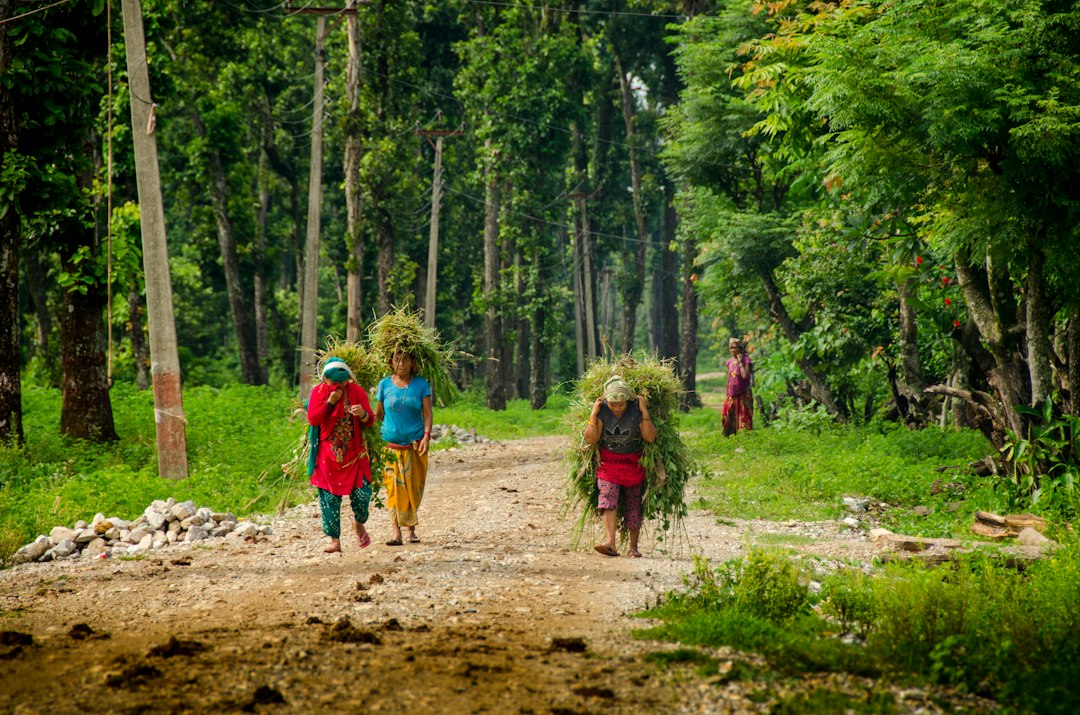
The vast, arid landscapes of Central Asia, a region historically shaped by mighty rivers and intricate irrigation systems, are now grappling with a stark reality: running dry. A compelling new documentary, “Running Dry: Central Asia’s Water Crisis,” plunges viewers into the heart of this escalating environmental and geopolitical challenge, revealing the intricate web of causes and consequences that threaten the very survival of millions. This cinematic exploration is not merely a collection of alarming statistics; it is a deeply human story, showcasing the resilience of communities, the desperation of farmers, and the rising tensions between nations vying for a dwindling resource. Through powerful visuals and intimate interviews, the film paints a vivid and urgent portrait of a region at the precipice.
The Legacy of Rivers and the Seeds of Scarcity
Central Asia’s lifeline has always been its two great rivers: the Amu Darya and the Syr Darya. Fed by the snowmelt and glaciers of the formidable Pamir and Tian Shan mountains, these waterways have historically nourished the land, enabling vast agricultural endeavors, particularly cotton cultivation, that defined the Soviet era. The documentary meticulously traces this historical context, highlighting how ambitious, and often unsustainable, irrigation projects were implemented during Soviet times. These projects, designed to maximize agricultural output, particularly cotton, for export, created a complex and deeply entrenched reliance on the river systems.
The Soviet Water Machine
The film meticulously unpacks the Soviet legacy, illustrating how the centrally planned economy prioritized resource extraction and agricultural production above environmental sustainability. Large-scale irrigation canals were dug, diverting massive quantities of water inland, often with little regard for the downstream impact. The Aral Sea, once the fourth-largest lake in the world, stands as a monumental testament to this ecological mismanagement, its dramatic shrinkage a stark visual metaphor for the region’s water woes. “Running Dry” dedicates significant screen time to the Aral Sea’s plight, showcasing its ghostly remnants and the desperate efforts to reclaim even a fraction of its former glory. The documentary emphasizes that the Soviet system, while achieving certain economic goals, sowed the seeds of the current crisis through its disregard for ecological balance.
A Legacy of Unsustainable Practices
Beyond the grand Soviet schemes, the documentary also examines the continuation of these unsustainable practices in the post-Soviet era. While national sovereignty brought new political dynamics, the underlying economic pressures and deeply ingrained agricultural methods often remained unchanged. Farmers, many of whom have generations of experience with these water-intensive crops, face immense pressure to continue their traditional livelihoods, even as the water sources diminish. The film captures the quiet desperation in their eyes as they watch their fields crack and their yields dwindle. The legacy of the past, therefore, is not just a historical footnote; it is a present-day burden that continues to weigh heavily on the region.
The Central Asia water crisis is a pressing issue that highlights the challenges faced by the region in managing its water resources amidst climate change and geopolitical tensions. For those interested in understanding the broader implications of economic instability on resource management, the article “Surviving a Dollar Crash: Financial Tips for Uncertain Times” provides valuable insights. It discusses how financial uncertainty can exacerbate resource scarcity, making it crucial to consider economic factors in the context of environmental challenges. You can read the article here: Surviving a Dollar Crash: Financial Tips for Uncertain Times.
The Accelerating Crisis: Climate Change and Growing Demand
While historical mismanagement laid the groundwork, “Running Dry” argues that the pace of the water crisis has been dramatically accelerated by the undeniable forces of climate change and ever-increasing demand. The film presents compelling scientific data and expert testimonies that paint a grim picture of a warming Central Asia. Glaciers, the crucial natural reservoirs feeding the rivers, are melting at an alarming rate, diminishing the long-term water supply. Simultaneously, a growing population and expanding economies are placing unprecedented strain on the already scarce resources.
The Melting Glaciers: A Ticking Clock
The documentary features stark visuals of retreating glaciers, their immense ice formations visibly shrinking season after season. Hydrologists and glaciologists interviewed in the film explain the science behind this phenomenon, highlighting the direct correlation between rising global temperatures and the depletion of these vital freshwater sources. The narrative emphasizes that these are not distant, abstract changes; they are immediate threats to the water security of millions who depend on the meltwater for drinking, agriculture, and industry. The film conveys a palpable sense of urgency, presenting the melting glaciers as a ticking clock for the region’s water future.
Population Growth and Economic Pressures
The growing populations of Central Asian nations, coupled with aspirations for economic development, further exacerbate the water scarcity. As more people require access to clean water and as industries expand, the demand for this finite resource intensifies. The documentary explores the challenges of balancing these competing needs, particularly in a region where agriculture remains a dominant economic sector and a primary consumer of water. The film highlights the difficult choices faced by governments and communities as they grapple with the reality of limited supply and expanding demand, a classic recipe for conflict.
The Human Cost: Livelihoods on the Brink
“Running Dry” is not an abstract academic exercise; it is a deeply human story that centers the lived experiences of those most affected by the water crisis. The film takes viewers to the parched fields of farmers, the dry riverbeds of once-plentiful streams, and the struggling communities reliant on dwindling water supplies. The personal narratives are perhaps the most powerful aspect of the documentary, humanizing the abstract concept of water scarcity and illustrating its profound impact on daily life.
Farmers Facing the Drought
The plight of farmers is a recurring theme, with the documentary showcasing their resilience, their ingenuity, and their heartbreaking struggles. We meet farmers who are forced to abandon ancestral lands, who experiment with drought-resistant crops, and who pray for rain that may never come. Their stories are a testament to the deep connection between land, water, and livelihood, a connection that is being frayed by the relentless drought. The film captures the emotional toll of watching one’s life’s work wither away due to forces beyond their control, underscoring the fragility of their existence.
Communities Deprived of Basic Needs
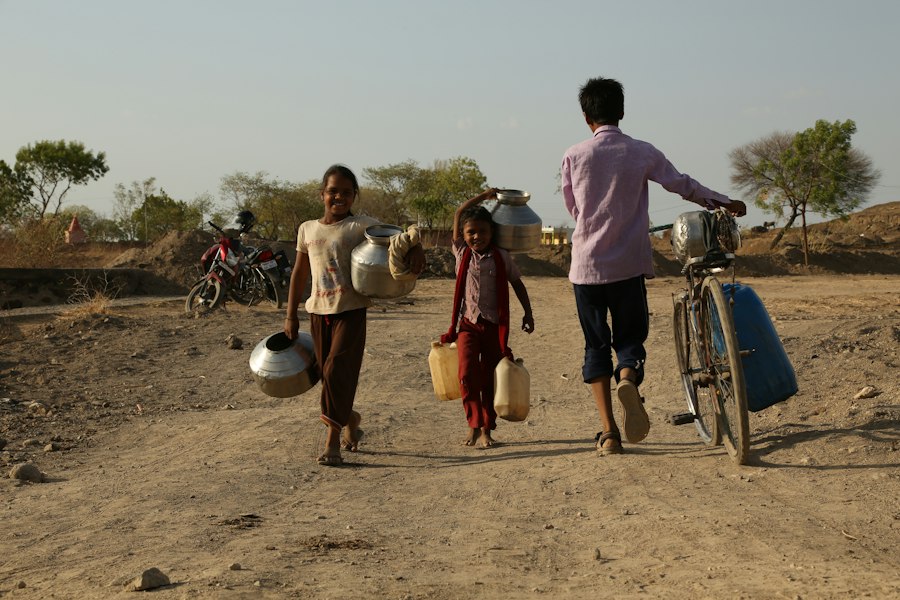
Beyond agriculture, the documentary also sheds light on the impact of water scarcity on broader communities. Access to clean drinking water becomes a luxury in many areas, forcing residents to travel long distances or to rely on contaminated sources. The film visits villages where children are disproportionately affected by waterborne diseases, where hygiene is a constant struggle, and where the basic necessities of life are compromised. These scenes are a stark reminder that water is not just an economic resource; it is a fundamental human right, one that is increasingly being denied to many in Central Asia.
Geopolitical Tensions: The Scramble for Water
The scarcity of water in Central Asia is not just an environmental or social issue; it is a potent geopolitical flashpoint. The region’s transboundary rivers mean that the actions of one nation have direct and often detrimental consequences for its neighbors. “Running Dry” delves into the complex and often fraught relationships between the upstream nations (Tajikistan and Kyrgyzstan), which control the headwaters of the Amu Darya and Syr Darya, and the downstream nations (Uzbekistan, Turkmenistan, and Kazakhstan), which are heavily reliant on the river flows for irrigation.
Upstream vs. Downstream: A Growing Divide
The documentary meticulously explains the differing priorities of upstream and downstream countries. Upstream nations, often with greater hydropower potential, seek to retain water for their own energy needs and agricultural development. Downstream nations, conversely, depend on the consistent flow of water for their vast agricultural sectors, particularly for lucrative cotton production. This fundamental divergence in interests creates a perennial source of friction, with accusations of unfair water allocation and downstream damage often exchanged. The film portrays the delicate dance of diplomacy and the constant threat of disputes escalating.
The Shadow of Regional Instability
The documentary posits that the water crisis has the potential to fuel regional instability and even conflict. As resources become scarcer and as blame is increasingly assigned, nationalist sentiments can rise, and diplomatic solutions can become more difficult to achieve. “Running Dry” interviews regional experts and policymakers who voice concerns about the potential for water-related disputes to spill over into broader security challenges, particularly in a region already grappling with other complex socio-economic and political issues. The film serves as a stark warning: unchecked water scarcity could destabilize an already volatile region.
The Central Asia water crisis has become a pressing issue, impacting agriculture, energy production, and regional stability. A related article discusses the economic implications of resource management in different contexts, highlighting how countries navigate their water needs amid growing demand. For a deeper understanding of the interconnectedness of resource management, you can read more about the economic importance of Mexico for the US in this insightful piece. This exploration sheds light on how water scarcity can influence broader economic relationships and regional dynamics. You can find the article here: economic importance of Mexico for the US.
Towards a Sustainable Future? Hope and Challenges
Despite the grim realities presented, “Running Dry” does not entirely abandon hope. The documentary also explores the efforts being made to mitigate the crisis and to build a more sustainable future for water management in Central Asia. It highlights innovative agricultural techniques, the development of new water-efficient technologies, and the ongoing, albeit challenging, diplomatic initiatives aimed at fostering cooperation.
Innovative Solutions on the Ground
The film showcases inspiring examples of communities and individuals who are actively seeking solutions. From the adoption of drip irrigation systems to the exploration of drought-resistant crops, these initiatives offer glimpses of a more water-conscious future. The documentary celebrates the ingenuity and resilience of those working to adapt to the changing environmental landscape, demonstrating that even in the face of immense challenges, human innovation can prevail. The film provides a much-needed counterpoint to the despair, showcasing the potential for positive change.
The Imperative of Regional Cooperation
Ultimately, “Running Dry: Central Asia’s Water Crisis” delivers a powerful and urgent message: the future of the region’s water security hinges on effective and equitable cooperation. The documentary concludes by emphasizing that isolated solutions are insufficient. A comprehensive and collaborative approach, involving all the nations of Central Asia, as well as international support, is essential to navigate this complex challenge. The film leaves the audience with a profound understanding of the interconnectedness of environmental, social, and geopolitical factors, and a clear call to action: the time to address Central Asia’s running dry crisis is now, before the wells run completely empty.
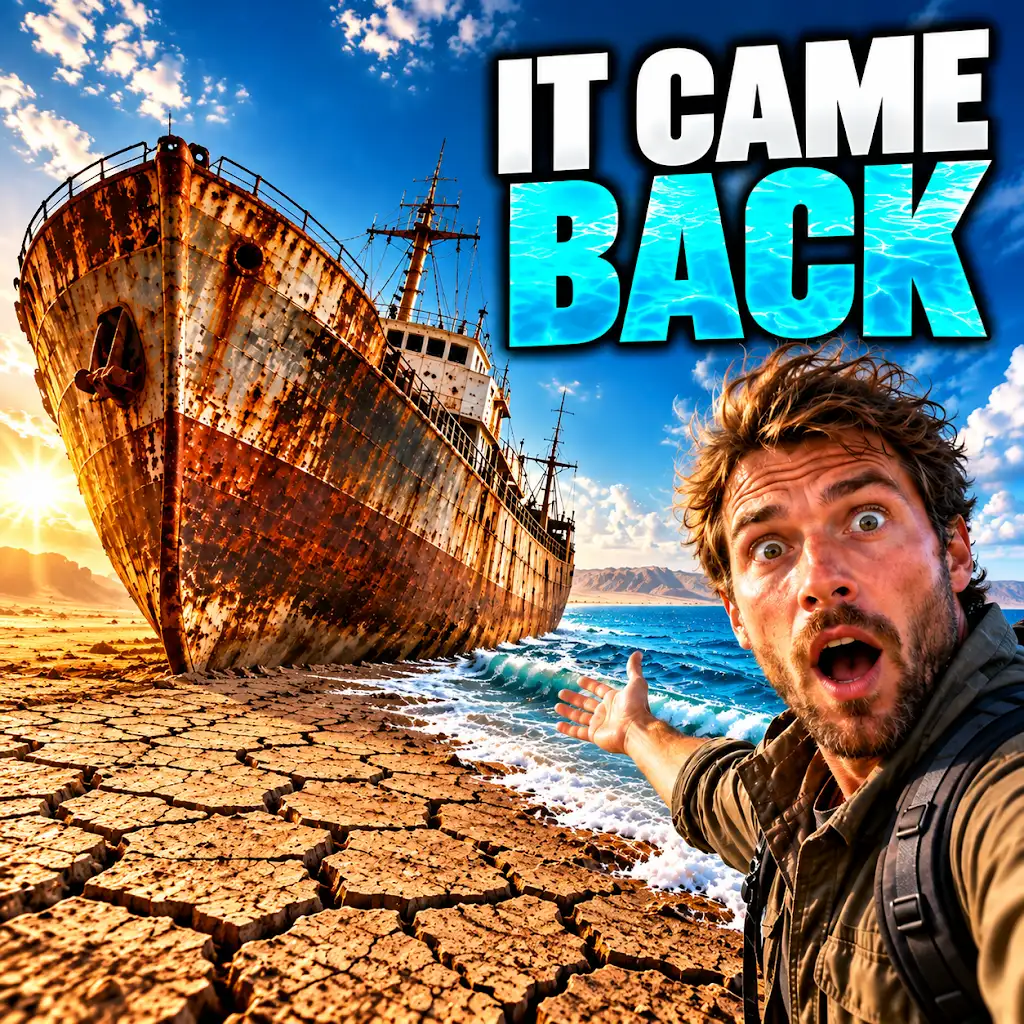
A Dam Brought the Aral Sea Back—But Only Part of It
FAQs
What is the Central Asia water crisis documentary about?
The Central Asia water crisis documentary sheds light on the severe water scarcity issues faced by countries in the Central Asia region, such as Kazakhstan, Uzbekistan, Turkmenistan, Tajikistan, and Kyrgyzstan.
Why is there a water crisis in Central Asia?
The water crisis in Central Asia is primarily due to factors such as inefficient water management practices, overuse of water resources for agriculture, climate change impacts, and the drying up of the Aral Sea.
What are the consequences of the water crisis in Central Asia?
The consequences of the water crisis in Central Asia include reduced access to clean drinking water, negative impacts on agriculture and food security, increased desertification, conflicts over water resources, and adverse effects on the environment and public health.
Who is affected by the water crisis in Central Asia?
The water crisis in Central Asia affects millions of people living in the region, particularly those in rural areas who rely on agriculture for their livelihoods. Additionally, the crisis also impacts wildlife, ecosystems, and the overall sustainability of the region.
What solutions are being proposed to address the water crisis in Central Asia?
Some proposed solutions to address the water crisis in Central Asia include improving water management practices, promoting water conservation measures, investing in sustainable agriculture techniques, implementing cross-border water agreements, and raising awareness about the importance of water conservation.