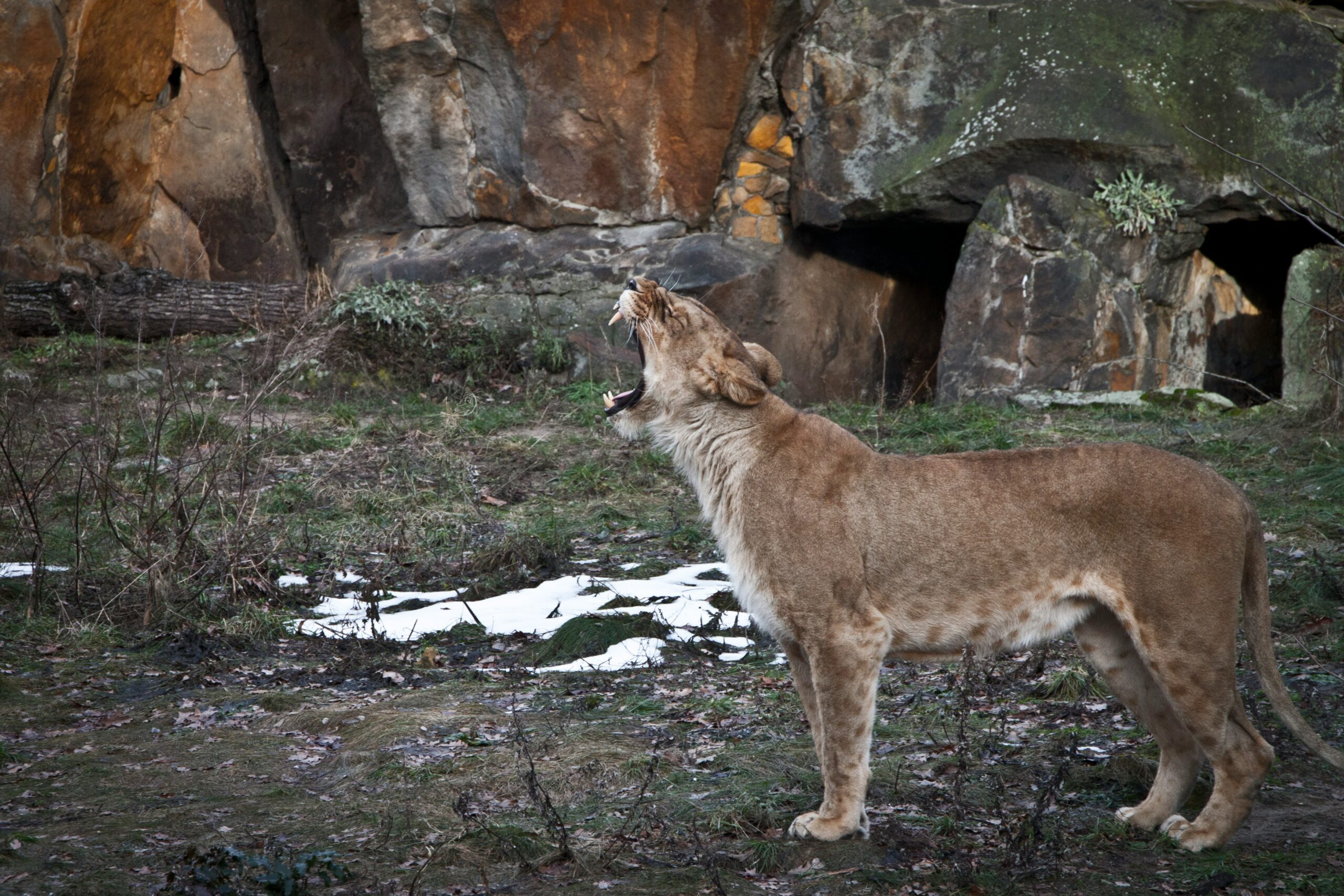
The magnificent saber-toothed cat, a creature of primal power and fearsome beauty, has long captured the human imagination. With its iconic elongated canines, it evokes images of a bygone era, a world ruled by giants and predators of immense strength. Yet, this apex predator, which once roamed continents, is now confined to the realm of paleontology and fossil displays. For centuries, the precise reasons behind the disappearance of saber-toothed cats, particularly the formidable Smilodon fatalis and its various kin, remained a subject of intense scientific debate, often attributed to a simplistic narrative of starvation or competition. However, a wave of recent discoveries and re-evaluations of existing data is painting a more nuanced and complex picture, revealing that their extinction was not a singular event but a multifaceted consequence of significant environmental and societal shifts at the close of the Pleistocene epoch.
For generations, the prevailing theory regarding the demise of saber-toothed cats revolved around the concept of a direct conflict with other predators and humanity for dwindling prey resources. This “competition hypothesis” suggested that as megafauna – the large herbivores that formed the backbone of the saber-toothed cat’s diet – began to decline, these formidable hunters, unable to adapt their hunting strategies or dietary needs, were outcompeted and ultimately starved. The presence of human ancestors, often depicted as increasingly efficient hunters, was frequently cited as a contributing factor, either by directly competing for prey or by indiscriminately hunting down the large herbivores, thereby indirectly starving the saber-toothed cats. This narrative, though intuitively appealing, has been challenged and largely superseded by a more sophisticated understanding grounded in new fossil evidence and advanced analytical techniques.
The “Starvation” Myth: Re-examining the Prey Population
The idea that saber-toothed cats starved due to a lack of prey rested on the assumption that their dietary needs were rigidly specialized and that their prey base underwent a sudden and catastrophic collapse that they could not navigate.
Evidence from the La Brea Tar Pits: A Different Story
One of the most significant shifts in understanding has come from extensive research at the La Brea Tar Pits in Los Angeles. This exceptional fossil site has yielded an unparalleled collection of saber-toothed cat specimens, alongside their prey and contemporary carnivores. Contrary to the starvation hypothesis, analyses of these fossils have revealed a remarkable consistency in the diet of Smilodon fatalis over long periods. The remains indicate that these cats were adept hunters of various large herbivores, including bison, camels, and horses. Crucially, the geological record of the La Brea Tar Pits does not show a linear decline in prey populations that directly correlates with the disappearance of Smilodon. Instead, the evidence suggests that these cats were successful predators with a diverse enough prey base to sustain them through shorter-term fluctuations.
Competition with Humans and Other Carnivores: A Reassessment
The role of competition with other carnivores, such as dire wolves and early human hunting parties, has also been re-evaluated. While competition certainly existed, new research suggests it was not the primary driver of extinction. Studies on predator-prey ratios and the diverse hunting strategies within the carnivore guild indicate that the ecosystem was sufficiently robust to support multiple large predators. The notion that humans, with their nascent tool technology at the time, could have single-handedly outcompeted the powerful saber-toothed cat for prey on a continental scale is now viewed with skepticism. The extinction of the saber-toothed cat appears to be a concurrent event with the decline of other large predators and herbivores, pointing towards a more systemic cause.
The disappearance of saber-toothed cats has long intrigued scientists and enthusiasts alike, shedding light on the complex interplay of climate change and ecological shifts during the Pleistocene epoch. For those interested in exploring another fascinating topic related to ancient mysteries, the article on the Giza Pyramid’s alignment offers intriguing insights into the architectural prowess of ancient civilizations. You can read more about this captivating subject in the article here: The Giza Pyramid Alignment Mystery.
The Unseen Hand of Climate: Environmental Transformations
Perhaps the most compelling recent revelations challenge the traditional focus on food scarcity and instead highlight the profound impact of dramatic environmental changes. The end of the Pleistocene was a period of significant climatic upheaval, and it is increasingly evident that these shifts played a pivotal role in the fate of saber-toothed cats.
Rising Temperatures and Shifting Habitats: A New Paradigm
New fossil evidence, particularly data derived from isotopic analysis of tooth enamel and bone collagen, is pointing towards climate change, specifically rising global temperatures, as a primary driver of extinction. As the last Ice Age thawed, vast swathes of land experienced a fundamental transformation of their landscapes.
The Forest to Grassland Transition: Impeding Ambush Predators
Saber-toothed cats, particularly species like Smilodon, were superbly adapted for an ambush hunting strategy. Their powerful build, combined with their signature saber-like canines, were ideal for bringing down large, often armored prey in the dense undergrowth of woodlands and forests. The end of the Pleistocene saw a widespread shift from these more closed, forested environments to increasingly open grasslands and savannas. This transition fundamentally altered the hunting grounds available to saber-toothed cats. The open terrain made their ambush tactics less effective, as prey had greater visibility and escape routes. They were essentially outmaneuvered by their changing environment, which favored predators more adapted to open-country hunting.
Impact on Prey Distribution: A Domino Effect
The changing climate also affected the distribution and availability of their preferred prey species. Megafauna that thrived in cooler, more forested environments may have struggled to adapt to the warmer, drier conditions, leading to localized declines or shifts in their ranges. This, in turn, meant that saber-toothed cats were forced to travel further or adapt to less ideal prey, increasing the energy expenditure required for survival. While not necessarily leading to outright starvation, these pressures would have significantly reduced their reproductive success and overall population viability.
The Role of Ice Age Fluctuations: Extended Coexistence and Final Exits
While Smilodon is often the poster child for saber-toothed cat extinction, other genera, such as Homotherium, had a different trajectory, offering further insights into the intricate relationship between climate and survival.
Genomic Clues from Homotherium: A Longer Shadow of Survival
Recent advancements in paleogenomics have allowed scientists to reconstruct genetic information from ancient fossils. Studies on Homotherium, a widespread and successful saber-toothed cat genus, have provided surprising evidence of their longevity in certain regions. Genomic reconstructions suggest that some populations of Homotherium may have survived in Europe for hundreds of thousands of years longer than previously estimated. This extended survival period suggests a remarkable resilience to environmental pressures, potentially allowing them to coexist with early humans for extended durations.
The Final Blow: Harsh Ice Age Conditions
However, this extended coexistence did not guarantee ultimate survival. The harsh conditions of the Ice Age, characterized by extreme cold and fluctuating resource availability, ultimately proved too much for even these adaptable predators. The extinction of Homotherium, like Smilodon, appears to have been a consequence of the broader ecological unraveling that occurred as the Pleistocene drew to a close, exacerbated by the climatic challenges of the era.
The Human Factor: A Complex Interplay

The arrival and spread of anatomically modern humans undoubtedly played a role in the extinction of saber-toothed cats, but not always in the simplistic way previously imagined. The influence was more nuanced, involving indirect impacts on prey populations and potential direct competition in certain ecological niches.
Overhunting of Large Herbivores: Depleting the Food Chain
The increasing sophistication of human hunting technologies and cooperative hunting strategies during the late Pleistocene significantly impacted the large herbivore populations that were the primary food source for saber-toothed cats.
The Extinction of the Megafauna: A Cascading Effect
The extinction of mastodons, mammoths, giant sloths, and other megafauna closely mirrored the disappearance of saber-toothed cats. This synchronicity strongly suggests a causal link. Humans, as highly effective hunters, likely contributed to the decline of these large herbivores, either through direct overhunting or by altering their habitats. As these large prey animals dwindled, the food base for saber-toothed cats became increasingly precarious. This was not simply about direct competition for a limited number of individuals but about the overall collapse of a trophic level upon which these specialized predators depended.
Competition for Scarce Resources: A Lingering Threat
While direct competition for individual prey animals might not have been the sole driver of extinction, it likely became a significant factor as prey populations became critically low. In areas where human populations were dense and hunting success high, saber-toothed cats would have faced an increasingly challenging environment in securing enough food to survive and reproduce. This was a gradual process rather than a sudden onslaught, a slow erosion of their ecological dominance.
The fascinating story of the saber-toothed cats is not just about their extinction but also about the broader ecological changes that occurred during their time. For those interested in exploring how ancient environments influenced the survival of various species, a related article delves into the intriguing concept of lost continents, specifically focusing on Antarctica. You can read more about this theory and its implications for our understanding of prehistoric life by visiting this article.
Coexistence and Conflict: A Frontier of Predators and Humans
The relationship between humans and saber-toothed cats was not always one of direct conflict but also one of coexistence, albeit often a tense one. Archaeological evidence suggests that humans and these large predators shared territories and sometimes interacted.
Archaeological Evidence: Signs of Interaction
Discoveries of human tools alongside saber-toothed cat remains, or evidence of human scavenging of predator kills, offer glimpses into their interactions. While direct evidence of humans hunting Smilodon is rare, the presence of both species in the same archaeological layers indicates they were contemporaries. The competition for territory and resources, particularly as prey became scarcer, would have inevitably led to instances of conflict or avoidance.
The Impact of Human Expansion: Pushing the Boundaries
As human populations expanded across continents, they inevitably encroached upon the territories of existing predators. This expansion could have pushed saber-toothed cats into less favorable habitats or brought them into closer proximity with human settlements and hunting grounds, increasing the likelihood of negative encounters. The narrative shifts from saber-toothed cats being the sole apex predators to them sharing their world with a new, rapidly expanding and highly adaptable species.
The Broader Picture: A Systemic Collapse

The disappearance of saber-toothed cats cannot be viewed in isolation. Their fate was intricately linked to a much larger ecological phenomenon: the widespread extinction of Pleistocene megafauna.
The Great Dying: A Pleistocene Extinction Event
The close of the Pleistocene epoch witnessed one of the most significant extinction events in Earth’s history, particularly for large mammalian species. This event, often referred to as the “Pleistocene megafauna extinction,” saw the demise of numerous species across different continents.
Synchronicity with Other Carnivores: A Shared Fate
The fact that other large carnivores, such as dire wolves and cave lions, also went extinct around the same time further reinforces the idea of a systemic cause. These predators, with their own specialized hunting niches, were also affected by the decline of their prey. Their extinction alongside saber-toothed cats suggests a shared vulnerability to the environmental and ecological pressures of the time.
Loss of Ecosystem Engineers: Reshaping the Landscape
The vanishing of large herbivores, often referred to as “ecosystem engineers” for their profound impact on vegetation and landscape structure, had ripple effects throughout the entire food web. Their grazing and browsing maintained open habitats, facilitated seed dispersal, and provided a constant source of food for numerous predators. Their absence fundamentally altered the ecological dynamics of these ancient worlds, creating environments that were no longer conducive to the survival of species like the saber-toothed cat.
The Interconnectedness of Life: A Web Unraveling
The extinction of saber-toothed cats serves as a stark reminder of the interconnectedness of life on Earth. Their disappearance was not a singular event but a consequence of a complex interplay of factors that led to the unraveling of ancient ecosystems.
Climate as the Primary Driver: A Subtle But Powerful Force
While human activity played a role, the evidence increasingly points to climate change as the primary catalyst. The profound shifts in temperature and habitat caused by the melting of glaciers created the conditions for widespread ecological instability.
The Final Nail in the Coffin: A Confluence of Pressures
The combined pressures of climate-induced habitat change, altered prey availability due to megafauna extinction (itself partly driven by humans), and direct competition with a highly adaptable and expanding human population ultimately proved too much for the specialized niche of the saber-toothed cat to withstand. Their iconic reign ended not with a whimper of starvation, but with the profound and far-reaching consequences of a planet in transition, a world reshaped by forces they could not overcome. The saber-toothed cat, a magnificent predator of a bygone era, stands as a poignant testament to the delicate balance of ecosystems and the powerful, often unforeseen, consequences of environmental and societal change.

The Black Layer That Shouldn’t Exist
FAQs
What is the current understanding of why saber toothed cats disappeared?
The current understanding is that the disappearance of saber toothed cats was likely due to a combination of factors, including climate change, competition with other predators, and the extinction of their prey species.
How did climate change contribute to the disappearance of saber toothed cats?
Climate change likely led to changes in the distribution and abundance of prey species, which in turn affected the food supply for saber toothed cats. Additionally, changes in climate may have impacted the availability of suitable habitats for these predators.
What role did competition with other predators play in the extinction of saber toothed cats?
The rise of new predators, such as early humans and other large carnivores, may have increased competition for resources and put pressure on saber toothed cats. This competition could have contributed to their decline and eventual extinction.
Were there any specific prey species that played a significant role in the disappearance of saber toothed cats?
The extinction of large herbivores, such as mammoths and ground sloths, is believed to have had a significant impact on the disappearance of saber toothed cats. These prey species were likely important sources of food for the cats, and their extinction would have affected the cats’ ability to survive.
What can the disappearance of saber toothed cats teach us about modern conservation efforts?
Studying the factors that led to the extinction of saber toothed cats can provide valuable insights into the complex interactions between predators, prey, and the environment. These insights can inform modern conservation efforts and help us better understand the potential impacts of climate change and human activities on today’s ecosystems.