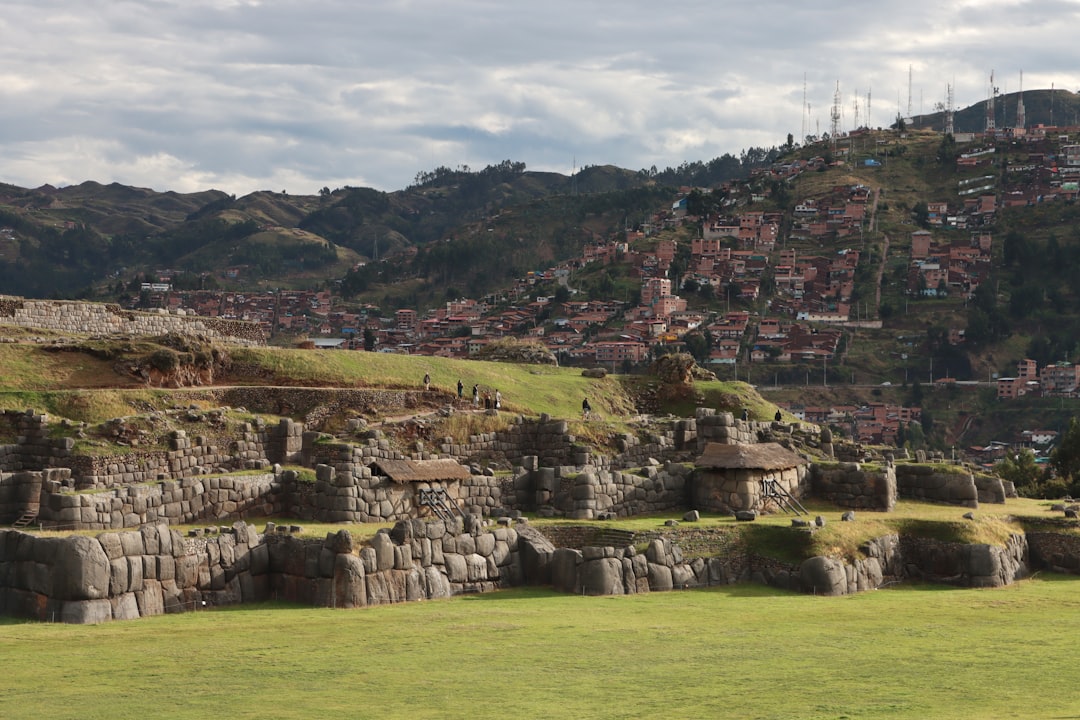
The colossal stone walls of Sacsayhuamán stand as a testament to a civilization’s ingenuity and architectural prowess, a silent sentinel overlooking the ancient Incan capital of Cusco. For centuries, these monumental structures have captivated archaeologists, historians, and travelers alike, prompting unending fascination and spirited debate. The sheer scale of the undertakings, the precision of the stonework, and the enduring mystery surrounding their construction have cemented Sacsayhuamán’s place as one of the most enigmatic archaeological sites in the world.
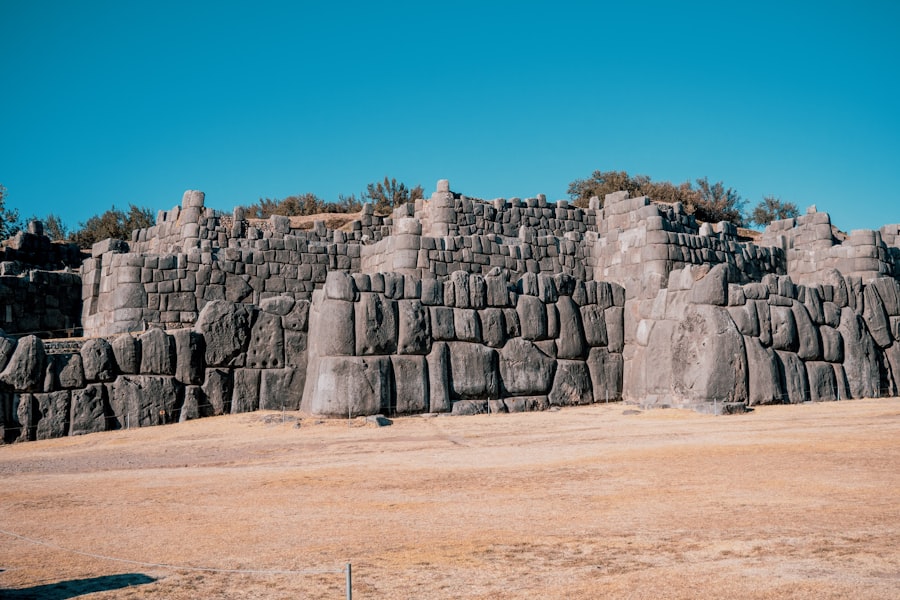
The most striking feature of Sacsayhuamán is undoubtedly its immense walls, meticulously crafted from colossal stones. These are not merely rough-hewn blocks; they are polygonal, perfectly fitted together with an almost unbelievable precision. Imagine giant, irregular puzzle pieces, each weighing many tons, somehow manipulated and shaped to interlock seamlessly, leaving no gap for even a thin blade to pass through. The sheer size of these individual stones is awe-inspiring, with some estimated to weigh over 100 tons, requiring immense organization, labor, and a sophisticated understanding of engineering to move and position.
The Polygonal Masonry: A Signature Incan Technique
The hallmark of Sacsayhuamán’s construction is its distinctive polygonal masonry. Unlike Roman or Egyptian architecture, which often relied on uniform rectangular blocks, the Incas here employed stones with irregular, multi-sided shapes. Each stone was carved and fitted with such exactitude that the joints are virtually invisible. This technique is not only aesthetically remarkable but also incredibly strong. The interlocking nature of the stones creates a flexible structure that can withstand earthquakes, a crucial consideration in the seismically active Andean region. The result is a wall that appears almost organic, as if it grew from the very earth rather than being built upon it.
Scale and Size: Beyond Human Capacity?
The dimensions of the stones are staggering. The largest blocks at Sacsayhuamán are of a magnitude that challenges common explanations of pre-industrial construction. Blocks measuring several meters in height and width, and weighing tens of tons, are commonplace. How these immense stones were quarried, transported over considerable distances, and then hoisted into place remains a central enigma. Theories range from the use of advanced leverage and ramp systems, to the exploitation of natural geological formations that aided in their movement. Regardless of the precise methods, the sheer scale of the operation speaks volumes about the Incan civilization’s organizational capacity and their ability to mobilize vast resources.
The ‘Zigzag’ Design: Strength and Symbolism
The distinctive zigzag pattern of the outer walls of Sacsayhuamán is another key element of its architectural brilliance. These distinctive crenellations, formed by the interlocking zigzag sections, are not merely decorative. They serve to reinforce the structural integrity of the fortifications. Each zigzag section can act independently to some extent, absorbing seismic shocks and preventing the entire structure from collapsing. There is also a strong argument for symbolic meaning, perhaps representing mountain ranges, rivers, or other significant natural features in the Incan worldview. The visual impact of these repeating geometric patterns is powerful, creating a sense of imposing strength and dynamism.
The impressive stone walls of Sacsayhuamán, located near Cusco, Peru, showcase the advanced engineering skills of the Inca civilization. These massive structures, built with precisely cut stones that fit together without the use of mortar, have intrigued historians and archaeologists alike. For a deeper understanding of how technological advancements can influence the rise and fall of civilizations, you can explore the article on the role of technology in societal changes at this link.
The Purpose of Sacsayhuamán: Fortress or Sacred Site?
The precise function of Sacsayhuamán has been a subject of much debate among scholars. While its imposing walls and strategic location suggest a defensive purpose, other evidence points towards a significant religious and ceremonial role. The Incas were adept builders of both utilitarian structures and sacred spaces, and Sacsayhuamán likely served multiple functions, evolving and adapting over time.
Defensive Capabilities: A Strategic Stronghold
The positioning of Sacsayhuamán atop a steep hill overlooking Cusco provided a natural defensive advantage. The steep slopes make it difficult for attackers to approach, and the immense walls would have served as a formidable barrier. The zigzag design, as mentioned, enhances its defensive capabilities by creating multiple levels of defense and making it harder to breach. Historical accounts, particularly from the Spanish Conquest, describe fierce battles fought at Sacsayhuamán, highlighting its role as a military stronghold. The strategic placement of watchtowers and the limited entry points further support the idea of a fortified settlement.
Ceremonial Center: A Place of Worship and Ritual
Beyond its military potential, Sacsayhuamán also exhibits characteristics of a significant ceremonial center. The presence of large plazas, water channels, and platforms suggests spaces for gatherings, rituals, and religious observances. The meticulous craftsmanship and the sheer effort invested in its construction point to a site of great importance, one that would have been reserved for significant events or for the veneration of deities. The Incas were deeply spiritual people, and their monumental constructions often had a dual purpose, serving both practical and sacred needs.
Royal Estate or Administrative Hub?
Some theories propose that Sacsayhuamán may have served as a royal estate or an administrative hub for the Incan Empire. Its proximity to Cusco, the imperial capital, and the presence of residential quarters and courtyards could indicate a place where royalty resided or where important government functions were carried out. The Incas were known for their efficient administration and their ability to manage vast territories, and a site of this magnitude could have played a crucial role in maintaining control and overseeing logistical operations.
The Mystery of Construction: How Were They Built?
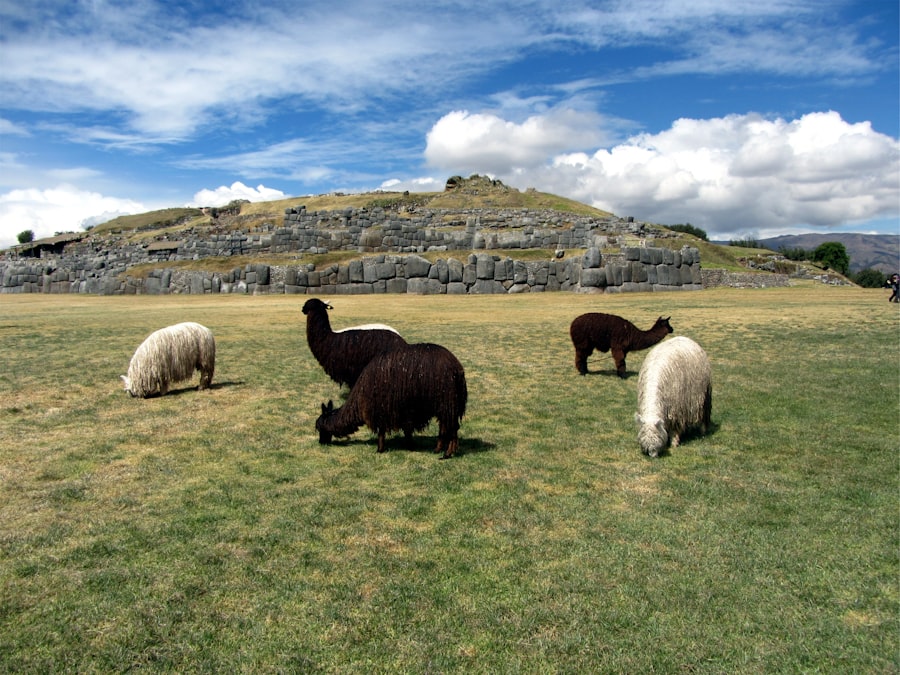
The most persistent and intriguing question surrounding Sacsayhuamán is how the Incas, without the benefit of iron tools, wheels, or beasts of burden like oxen, managed to quarry, transport, and meticulously fit these gargantuan stones. The scale of this endeavor has led to speculation and even theories bordering on the extraterrestrial or mystical. However, most scholarly explanations focus on the Incas’ remarkable ingenuity and their deep understanding of physics and engineering principles.
Quarrying Techniques: Extracting the Giants
The stones used in Sacsayhuamán were quarried from nearby hillsides, primarily from the Verdecocha quarry, located several kilometers away. The Incas employed a sophisticated method of stone extraction that involved heating the rock face with fires and then rapidly cooling it with water. This thermal shock would cause the stone to crack in a controlled manner, allowing them to break off large blocks. They also utilized stone tools and possibly wooden wedges to exploit natural fissures and guide the fracturing process. The sheer physical labor involved in this process cannot be overstated.
Transportation Challenges: Moving Mountains
Transporting these massive stones from the quarry to the construction site was a monumental undertaking. While the precise methods are debated, it is widely believed that the Incas used:
Leverage and Ropes: The Power of Combined Force
Large teams of laborers would have worked in unison, using thick ropes made from llama or alpaca wool to pull the stones. Wooden levers would have been employed to maneuver the blocks, guiding them onto prepared pathways. The incline of the terrain would have been a critical factor, with teams likely working downhill whenever possible.
Rollers and Sledges: Facilitating the Movement
The use of logs as rollers placed beneath the stones could have reduced friction and made them easier to drag. Sledges, likely constructed from wood and possibly lubricated with animal fat or mud, could also have been used to transport the stones over smoother surfaces.
Natural Slopes and Waterways: Harnessing the Environment
The Incas were astute observers of their environment and likely utilized natural slopes and even rivers, when available and navigable, to aid in the transport of exceptionally heavy stones. Some theories suggest that stones might have been floated downstream during the rainy season.
Fitting and Finishing: Precision Without Modern Tools
The most bewildering aspect is the precise fitting of the stones. Without plumb bobs, levels, or modern machinery, the Incas achieved an accuracy that would be challenging even today.
Rough Shaping and Fine-Tuning: An Iterative Process
It is believed that the stones were initially rough-shaped at the quarry and then transported to the site. There, they were further refined and meticulously fitted through a process of trial and error and expert craftsmanship. This involved rubbing stones against each other to achieve the perfect contours, a painstakingly slow but effective method.
Evidence of Hard Stone Tools: Against the Odds
While the absence of iron is a key factor in the mystery, evidence suggests they used harder stones, such as basalt and diorite, to chip away and shape the softer stones of the walls. The precise use of these harder tools and the skill with which they were applied would have been crucial.
Symbolic Meanings and Cultural Significance: More Than Just Stones
Sacsayhuamán is not merely an impressive feat of engineering; it is imbued with deep symbolic meaning and holds immense cultural significance for the Andean people and for understanding the Incan worldview.
Cosmic Alignment and Religious Beliefs: The Sky and the Earth
The Incas had a profound connection to the cosmos, and their architecture often reflected this. Sacsayhuamán’s alignment with celestial events, such as solstices and equinoxes, is well-documented. The construction may have been designed to honor their deities and to mark important astronomical cycles, reinforcing their spiritual connection to the universe. The three prominent zigzag walls could also represent the three realms of Incan cosmology: Hanan Pacha (the upper world), Kay Pacha (the present world), and Uku Pacha (the underworld).
The Serpent Motif: A Powerful Symbol
The prominent zigzag pattern of the walls is often interpreted as a representation of the serpent, a significant deity in many ancient cultures, including the Incas. The serpent, with its ability to shed its skin, symbolizes rebirth, transformation, and renewal. Its undulating form also visually echoes the mountainous landscape of the Andes.
A Repository of History and Identity: Connecting to the Past
For the indigenous communities of Peru, Sacsayhuamán is a vital link to their ancestral heritage. It stands as a tangible reminder of the power, ingenuity, and cultural achievements of the Inca Empire. It is a place of pride, a source of identity, and a site where ancient traditions are still honored.
The impressive stone walls of Sacsayhuamán, a UNESCO World Heritage site, showcase the incredible engineering skills of the Inca civilization, drawing visitors from around the globe. These massive stones, some weighing over 100 tons, were meticulously cut and fitted together without the use of mortar, demonstrating a level of craftsmanship that continues to intrigue archaeologists and historians alike. For those interested in exploring the impact of human endeavors on historical sites, a related article discusses the complexities of commercialization in various contexts, which can be found here. This connection highlights the ongoing challenges of preserving cultural heritage in an ever-evolving world.
Preservation and Modern-Day Impact: Protecting an Ancient Legacy
| Aspect | Details |
|---|---|
| Location | Cusco, Peru |
| Construction | Believed to be built by the Incas |
| Materials | Enormous limestone boulders |
| Technique | Perfectly fitted without mortar |
| Purpose | Defensive fortress |
The enduring legacy of Sacsayhuamán depends on its careful preservation for future generations. Today, the site faces challenges from both natural elements and the impact of tourism.
Conservation Efforts: Safeguarding the Structures
Archaeologists and conservationists are continuously working to protect Sacsayhuamán from erosion, seismic damage, and the effects of weathering. Techniques such as reinforcing vulnerable sections, controlling water runoff, and monitoring structural integrity are crucial for its long-term survival. The very methods of construction that made it so strong also make it susceptible to certain types of damage if not managed skillfully.
Tourism and Its Implications: Balancing Access and Preservation
Sacsayhuamán is a major tourist attraction, drawing hundreds of thousands of visitors each year. While tourism provides economic benefits to the region, it also presents challenges. Managing visitor flow, preventing damage from foot traffic, and educating tourists about responsible behavior are essential for protecting the site. Striking a balance between allowing access for people to experience this wonder and preserving its fragile integrity is an ongoing endeavor.
Ongoing Research and Discovery: Unraveling the Remaining Mysteries
Despite centuries of study, Sacsayhuamán continues to yield new insights. Ongoing archaeological research, advanced surveying technologies, and comparative studies of Incan architecture contribute to a deeper understanding of its construction, purpose, and cultural significance. Each excavation and analysis brings us closer to unraveling the remaining mysteries of this extraordinary site. The enigma of Sacsayhuamán is not a disadvantage; it is the very essence that draws us in, compelling us to learn more about the remarkable people who built it.

The Walls That Shouldn’t Still Be Standing
FAQs
What is Sacsayhuaman?
Sacsayhuaman is an Incan archaeological site located on the outskirts of Cusco, Peru. It is famous for its massive stone walls and intricate architecture.
How were the stone walls at Sacsayhuaman constructed?
The stone walls at Sacsayhuaman were constructed using massive limestone blocks that were carefully cut and fitted together without the use of mortar. The precision of the construction is a marvel of Incan engineering.
What is the purpose of the stone walls at Sacsayhuaman?
The purpose of the stone walls at Sacsayhuaman is still a topic of debate among archaeologists and historians. Some believe that the site served as a fortress, while others argue that it had religious or ceremonial significance.
What is the significance of Sacsayhuaman in Incan history?
Sacsayhuaman is considered to be one of the most important sites in Incan history. It is believed to have been a key religious and ceremonial center, as well as a strategic military stronghold.
Can visitors explore the stone walls at Sacsayhuaman?
Yes, visitors can explore the stone walls at Sacsayhuaman. The site is open to the public and is a popular tourist destination, offering stunning views of the surrounding landscape and a glimpse into the incredible architectural achievements of the Incan civilization.