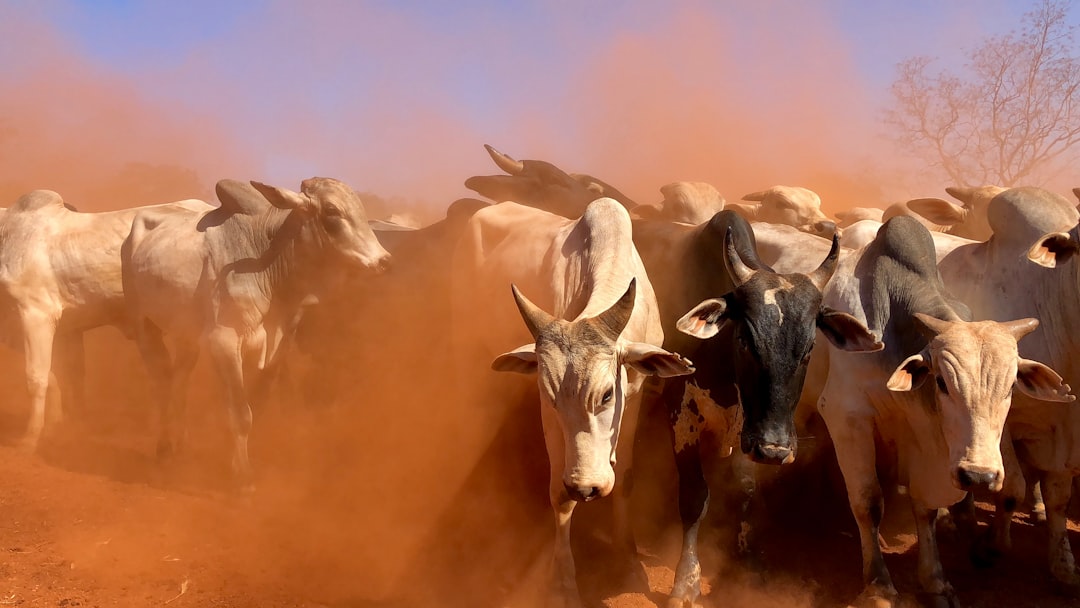
The vast, sun-baked expanse of the Sahara Desert, a landscape often perceived as an unforgiving void, has for millennia been a vibrant homeland for resilient peoples. Among these, the Saharan nomads, specifically the ancient cattle herders, stand as a testament to human adaptability and a deep, intrinsic connection with their environment. These were not simply wanderers; they were masters of a dynamic ecosystem, orchestrating their lives around the rhythm of their livestock and the scarce, precious resources of the desert. Their story is one of survival, ingenuity, and a cultural legacy etched into the very sand dunes.
The Sahara, as it is known today – a vast, arid expanse – was not always so. During the Holocene epoch, roughly 11,700 to 4,200 years ago, a period known as the African Humid Period, much of the Sahara experienced significantly higher rainfall. This transformed the region into a savanna-like environment, dotted with lakes and rivers, supporting a rich diversity of flora and fauna, including large herds of wild cattle. It was within this greener Sahara that the foundations of nomadic pastoralism were laid.
Early Domestication and the Shift to Cattle
The domestication of cattle, a process that began thousands of years before the rise of settled agriculture in many regions, played a pivotal role in the human history of North Africa. Archaeological evidence suggests that cattle were introduced to North Africa from the Near East around 7,000 years ago, or possibly even earlier. These early pastoralists, drawn by the availability of grazing land and water, began to domesticate and herd these animals, marking a fundamental shift in their subsistence strategies. Instead of relying solely on hunting and gathering in a less predictable environment, they had a mobile source of food, milk, and later, hides and labor.
The Greening Sahara: A Cradle of Civilization
The Green Sahara provided an ideal environment for the development of cattle herding. Extensive cave paintings, found in regions like the Tassili n’Ajjer in Algeria, offer vivid snapshots of this era. These artworks depict not only a lush landscape teeming with wildlife like giraffes, elephants, and hippos but also scenes of people actively engaged in herding cattle. The prominence of cattle in these depictions underscores their central role in the lives of these early Saharan inhabitants. They were not just a food source but likely held significant cultural and social importance, potentially representing wealth, status, and even religious reverence. The mobility afforded by cattle allowed these groups to follow seasonal pastures and water sources, laying the groundwork for the nomadic lifestyle that would later define their descendants in a changing climate.
The Onset of Aridification and Adaptation
The gradual drying of the Sahara, which began around 4,000 years ago, presented a profound challenge. As the rains diminished and the landscape transformed into the arid desert known today, these early pastoralists faced an existential crisis. However, rather than abandoning the region, they adapted. Their intimate knowledge of the land, honed over generations, became their greatest asset. They learned to identify and exploit the most reliable, albeit scarce, water sources – wells, oases, and seasonal wadis. Their cattle, too, began to exhibit remarkable resilience, developing adaptations to survive in harsh desert conditions. This period of aridification was not an end to Saharan life but a crucial turning point, forcing a more specialized and strategic approach to pastoralism.
Recent studies have shed light on the ancient cattle herders of the Sahara, revealing how their nomadic lifestyle adapted to the changing climate of the region. These herders played a crucial role in the development of early agricultural practices, influencing both the local ecosystem and human settlements. For more insights into how environmental changes have shaped human history, you can read about the evidence of a pole shift in Antarctica in this related article: Evidence of a Pole Shift in Antarctica.
The Nomadic Way of Life: A Masterclass in Mobility
The life of the Saharan nomads was inextricably linked to the movement of their herds. This constant migration, dictated by the availability of pasture and water, shaped every aspect of their existence, from their social structures to their material culture. Their nomadic existence was not a haphazard wandering but a carefully orchestrated strategy for survival in one of the world’s most challenging environments.
Following the Rains: The Rhythms of Migration
The primary driver of nomadic movement was the search for sustenance for their cattle. These herders meticulously tracked the patterns of rainfall, however erratic, and moved their herds to areas where ephemeral grasses and shrubs emerged. This could mean traversing hundreds of kilometers over the course of a year, moving between seasonal grazing grounds and more permanent water sources. Their knowledge of these routes, passed down through oral traditions, was encyclopedic, encompassing not only the location of water but also the subtle indicators of vegetation and the dangers of the terrain.
Water Management: The Lifeline of the Desert
Water was the most precious commodity in the desert, and the nomads developed sophisticated strategies for its management and conservation. They knew the locations of hidden wells, often dug and maintained by generations of their ancestors, and protected these vital resources fiercely. In times of severe drought, they might travel great distances to reach larger oases, their movement dictated by the desperate needs of their cattle. Their understanding of the desert’s hydrology, even if not scientifically articulated, was deeply practical and essential for their survival.
Herd Management: The Heart of Their Economy
Cattle were the cornerstone of their economy and their very identity. They managed their herds with a deep understanding of animal husbandry, breeding for resilience and milk production. The animals provided not only sustenance in the form of milk, meat, and blood (a practice sometimes employed by nomadic groups) but also vital resources for their nomadic lifestyle. Hides were used for tents, clothing, and containers. Dung, though scarce, was a valuable fuel source. The health and vitality of the herd directly translated to the well-being of the entire community.
Shelter and Dwellings: Adaptable Homes on the Move
The nomadic lifestyle demanded portable and adaptable shelters. While the specific forms varied among different Saharan groups, many utilized tents constructed from animal hides or woven mats, often supported by wooden poles. These dwellings were designed to be easily dismantled and reassembled, allowing for swift relocation. In more established encampments, particularly those near oases, more semi-permanent structures might be erected, but the core of their existence remained transient.
Social Structures and Cultural Heritage
The challenges and opportunities of desert life fostered unique social structures and a rich cultural heritage among Saharan nomads. Their communities were built on principles of cooperation, kinship, and a deep respect for tradition. Their oral traditions, rich with stories, proverbs, and songs, served as a vital means of transmitting knowledge and preserving their identity.
Kinship and Clan Systems: The Fabric of Society
Kinship was the primary organizing principle of Saharan nomadic societies. Extended families and clans formed the core units, providing a strong network of mutual support and obligation. These groups often traveled together, sharing resources and responsibilities. Decisions affecting the group were often made collectively, with elders playing a crucial role in mediating disputes and guiding the community. This emphasis on collective well-being was essential for survival in a landscape where individual efforts could easily be overwhelmed by the environment.
The Role of Elders: Guardians of Wisdom
Elders held a position of immense respect and authority within nomadic communities. Their extensive life experience, deep knowledge of the desert, and understanding of traditions made them invaluable advisors and leaders. They were the custodians of oral history, the interpreters of omens, and the arbiters of justice. Their counsel guided the community’s movements, resolved conflicts, and ensured the continuity of their way of life.
Oral Traditions: The Living Library of the Desert
In the absence of widespread literacy, oral traditions were the primary means of preserving and transmitting knowledge, history, and cultural values. Epic poems recounting ancestral journeys, proverbs offering practical wisdom, and songs celebrating the desert’s beauty and the resilience of its people were all vital components of their cultural tapestry. These narratives were performed during gatherings, around campfires, and at important ceremonies, ensuring that the lessons of the past continued to inform the present and guide the future.
Hospitality and Inter-group Relations: Navigating a Shared Landscape
Despite the vastness of the Sahara, nomadic groups often interacted with each other. Hospitality was a crucial social virtue, essential for survival and the maintenance of peaceful relations. Travelers could rely on receiving shelter and sustenance from other groups they encountered. However, competition for scarce resources, particularly water and grazing land, could also lead to conflict. These interactions were governed by complex systems of negotiation, alliances, and customary laws.
The Cattle Herders’ Legacy: Adaptations and Enduring Influence
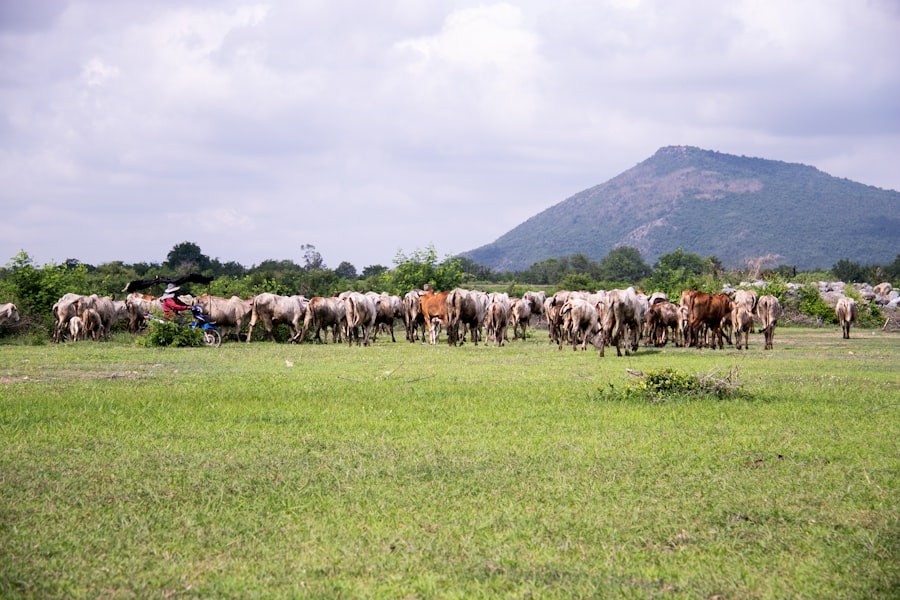
The ancient cattle herders of the Sahara left an indelible mark on the region and its subsequent inhabitants. Their profound understanding of desert ecosystems, their resilient spirit, and their specialized knowledge of cattle husbandry laid the groundwork for continued pastoralism in the Sahara. While the specific ethnic groups and their traditions have evolved over millennia, the core principles of their adaptation and ingenuity continue to resonate.
The Tuareg and Other Modern Nomadic Groups: Descendants of a Tradition
Modern nomadic and semi-nomadic groups in the Sahara, such as the Tuareg, often trace their ancestry and traditions back to these ancient pastoralists. While the challenges have changed, and their livelihoods may be more diversified today, many still maintain strong connections to their nomadic heritage. They continue to manage livestock, albeit often camels and goats in addition to cattle, and their cultural practices often reflect the enduring influence of their ancestors’ way of life. The intricate knowledge of the desert, the importance of kinship, and the value of resilience remain central to their identities.
Contributions to Desert Ecology and Management
The knowledge accumulated by generations of Saharan nomads regarding desert ecology and resource management is invaluable. They understood the delicate balance of the ecosystem and developed practices that, for centuries, allowed them to coexist sustainably with the harsh environment. Their ability to identify drought-resistant vegetation, locate hidden water sources, and manage grazing to prevent overexploitation represents a form of ecological wisdom that is increasingly relevant in the face of climate change and desertification.
The Cultural Significance of Cattle: Beyond Sustenance
The importance of cattle in Saharan nomadic culture extended far beyond their practical utility. Cattle were often symbols of wealth, status, and prestige. They played a central role in ceremonies, dowries, and as offerings in religious practices. The very identity of many groups was intrinsically linked to their herds, shaping their social structures, their oral traditions, and their worldview. The presence of cattle on the landscape was a visual representation of their prosperity and their ability to thrive in a challenging environment.
Artistic and Material Culture: Expressions of a Nomadic Existence
The nomadic lifestyle influenced the artistic and material culture of Saharan herders. Their portable possessions were often functional and beautifully crafted, reflecting their need for durability and ease of transport. Intricate leatherwork, woven textiles, and decorative metalwork adorned their tools, clothing, and dwelling accouterments. Cave paintings, as mentioned earlier, offer a window into their aesthetic sensibilities and their deep connection to the natural world and the animals they revered.
Ancient cattle herders in the Sahara played a crucial role in the development of early societies, adapting to the harsh climate and utilizing the resources available to them. Their practices not only influenced the region’s economy but also contributed to the cultural exchanges that shaped the history of North Africa. For a deeper understanding of how environmental factors have impacted human societies, you may find it interesting to explore this related article on the Piri Reis map and its implications for historical geography. Check it out here.
Challenges and the Future of Saharan Pastoralism
| Tribe | Location | Herding Practices | Livestock |
|---|---|---|---|
| Tuareg | Sahara Desert | Nomadic, moving with the seasons | Camels, goats, sheep |
| Fulani | West Africa | Semi-nomadic, following grazing patterns | Cattle, goats, sheep |
| Teda | Chad | Nomadic, following water sources | Camels, cattle, goats |
The ancient cattle herders of the Sahara, like their modern-day descendants, have always faced challenges. However, contemporary issues, including climate change, political instability, and shifts in economic patterns, present new and complex hurdles for the continuation of traditional pastoralism.
The Impact of Climate Change and Desertification
The ongoing intensification of desertification and the increasing unpredictability of rainfall pose significant threats to Saharan pastoralism. Traditional grazing grounds are shrinking, water sources are becoming more scarce, and the land’s capacity to support livestock is diminishing. This forces nomadic communities to either adapt their practices further, seek alternative livelihoods, or face displacement and the erosion of their cultural heritage.
Economic and Political Pressures
Globalization and the increasing integration of Saharan regions into national economies have also introduced new pressures. The rise of sedentary agriculture, the development of mining and tourism, and changing trade patterns can disrupt traditional nomadic routes and access to resources. Political instability and conflict in some Saharan countries further exacerbate these challenges, making mobility and security precarious for nomadic populations.
Modern Adaptations and the Search for Sustainability
Despite these challenges, many Saharan communities are actively seeking ways to adapt and ensure the sustainability of their way of life. This includes diversifying their livestock to include more drought-resistant animals like camels and goats, engaging in trade and small-scale entrepreneurial activities, and utilizing modern technologies for water management and communication. There is also a growing recognition of the importance of preserving their traditional knowledge and cultural heritage.
Preserving a Rich Cultural Legacy
The story of the Saharan nomads, particularly the ancient cattle herders, is a powerful reminder of human resilience and the profound capacity for adaptation. Their legacy is not just one of survival but of an intricate and sophisticated understanding of one of the world’s most challenging environments. As the Sahara continues to transform, the echoes of their ancient rhythms, their deep connection to their livestock, and their enduring spirit of innovation offer valuable lessons for the future of human coexistence with the natural world. Their story, etched in the sands of time, continues to inspire and inform, a testament to the enduring power of human ingenuity in the face of adversity.

260 Ancient Graves Were Hiding in This “Empty” Desert
FAQs
What is the significance of ancient cattle herders in the Sahara?
Ancient cattle herders in the Sahara played a crucial role in the development of early human societies, contributing to the spread of agriculture, trade, and cultural exchange in the region.
What evidence supports the existence of ancient cattle herders in the Sahara?
Archaeological findings, such as rock art depicting cattle and the presence of cattle bones in ancient settlements, provide evidence of the existence of ancient cattle herders in the Sahara.
How did ancient cattle herders adapt to the harsh environment of the Sahara?
Ancient cattle herders in the Sahara adapted to the harsh environment by developing specialized techniques for managing water resources, such as constructing wells and utilizing seasonal rainfall patterns.
What impact did ancient cattle herders have on the Sahara’s ecosystem?
The presence of ancient cattle herders in the Sahara likely had a significant impact on the region’s ecosystem, including changes in vegetation patterns and the introduction of domesticated plants and animals.
What can we learn from the study of ancient cattle herders in the Sahara?
Studying ancient cattle herders in the Sahara can provide valuable insights into the early development of human societies, the spread of agricultural practices, and the interactions between different cultures in ancient times.