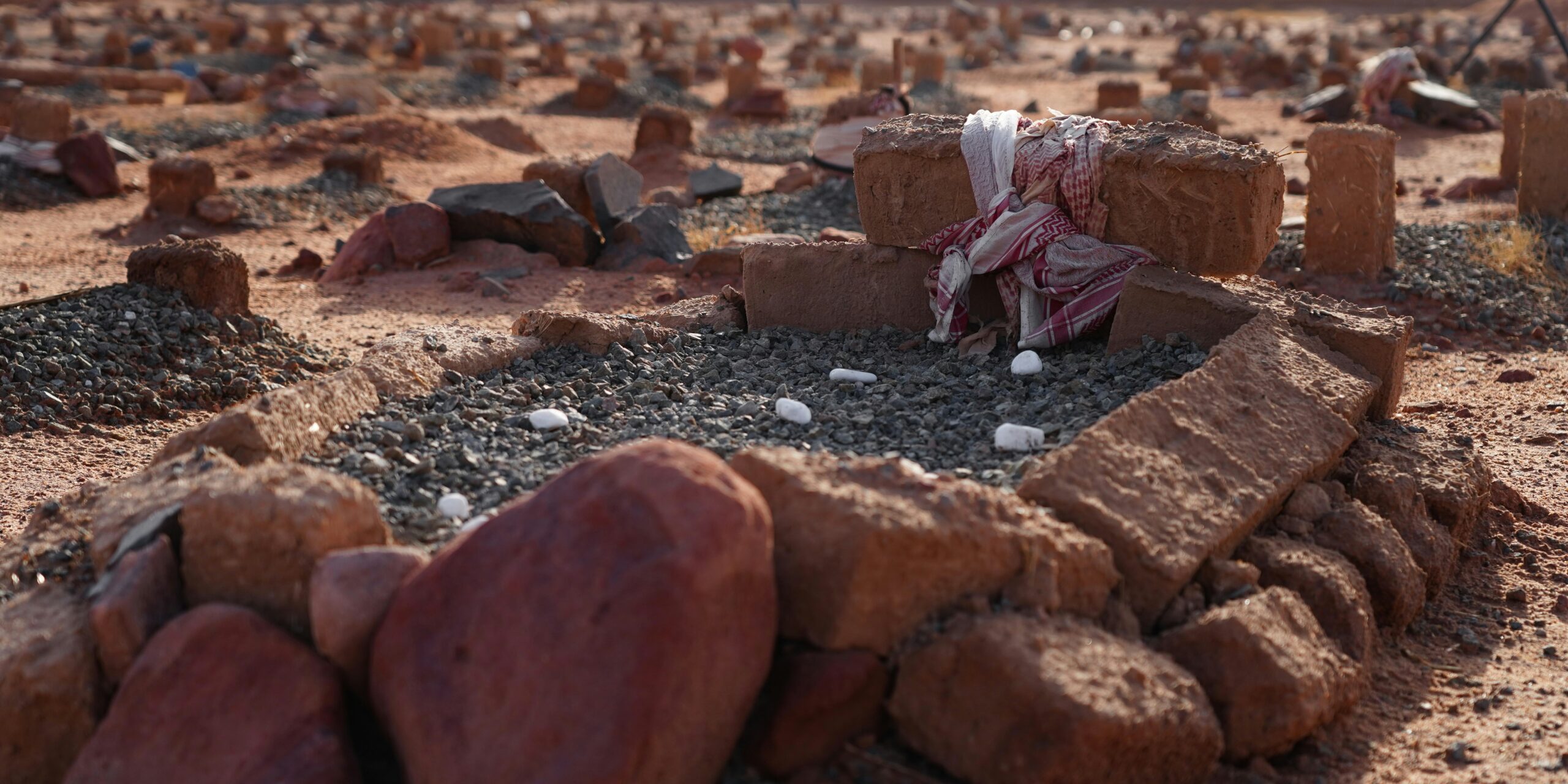
A Glimpse into the Sands of Time: The Saudi Arabian History Documentary
The Kingdom of Saudi Arabia, a land often defined by its present-day influence and religious significance, possesses a history as ancient and profound as its desert landscapes. A new documentary, “Journey Through Time and Heritage,” seeks to illuminate this rich tapestry, offering viewers an immersive exploration of the Kingdom’s origins, its pivotal role in shaping civilizations, and the enduring spirit of its people. This ambitious project, produced with meticulous research and stunning cinematography, aims not only to educate but to foster a deeper appreciation for the historical foundations upon which modern Saudi Arabia stands. The documentary unfolds as a narrative, guiding audiences from the earliest traces of human habitation to the formative years of the Saudi state, delving into the cultural, religious, and economic forces that have molded the nation.
For those interested in the rich tapestry of Saudi Arabian history, a fascinating article that explores the broader context of historical mapping is available at this link: Piri Reis and Ottoman Cartography: Mapping the World. This article delves into the contributions of Ottoman cartographers like Piri Reis, whose works not only reflect the geographical knowledge of their time but also provide insights into the cultural and political dynamics of the region, including areas that are now part of modern-day Saudi Arabia.
Echoes of Antiquity: Tracing the First Footprints

The journey begins by venturing into the deep past, meticulously excavating the earliest chapters of Saudi Arabian history. The documentary meticulously reconstructs the lives of the first inhabitants, painting a vivid picture of a land that has witnessed millennia of human endeavor. It moves beyond the popular perception of the Arabian Peninsula as a barren expanse, revealing evidence of sophisticated ancient societies and their profound connections to the environment.
Prehistoric Settlements and Early Civilizations
“Journey Through Time and Heritage” dedicates a significant portion to archaeological discoveries that have reshaped our understanding of the region’s prehistoric past. Utilizing cutting-edge imaging techniques and expert interviews with leading archaeologists, the film showcases evidence of Neolithic settlements, some dating back over 10,000 years. These findings reveal early human adaptation to the desert environment, with evidence of rudimentary agriculture, sophisticated tool-making, and complex social structures. The documentary highlights sites like Al-Magar, often referred to as the “birthplace of the desert horse,” presenting compelling evidence of early domestication and a deep understanding of animal husbandry. Viewers are taken on a visual tour of ancient rock art, deciphering symbols and narratives etched into stone, offering glimpses into the spiritual beliefs and daily lives of these ancient peoples. The film emphasizes the resilience and ingenuity of these early communities, who not only survived but thrived in what might appear to be challenging conditions, laying the groundwork for future developments.
The Crossroads of Ancient Trade Routes
The Arabian Peninsula, and what is now Saudi Arabia, has always been a crucial nexus for global trade. The documentary explores the historical significance of the incense routes, which connected the Arabian Peninsula to the Mediterranean, Mesopotamia, and even as far as India. It vividly portrays the bustling ancient cities that grew along these routes, such as Hegra (Mada’in Salih), a UNESCO World Heritage site. The film uses re-enactments and detailed CGI to illustrate the vibrant markets, the diverse array of goods traded – frankincense, myrrh, spices, textiles, and precious metals – and the cultural exchange that flourished between different civilizations. The Nabataean kingdom, with its capital in Petra (now in Jordan) but with significant presence and influence within modern Saudi Arabia, is given considerable attention. The documentary showcases the architectural marvels left behind by the Nabataeans, particularly their monumental tomb facades carved directly into sandstone cliffs at Hegra. These structures stand as testament to their engineering prowess, their artistic sensibilities, and their economic power derived from controlling these vital trade arteries. The film underscores how this strategic location fostered not just economic prosperity but also the cross-pollination of ideas, technologies, and cultural practices, contributing to a rich and layered historical heritage.
The Dawn of Islam: A Spiritual and Political Revolution

The advent of Islam in the 7th century CE marked a seismic shift in the history of the Arabian Peninsula and, indeed, the world. “Journey Through Time and Heritage” meticulously chronicles this transformative period, focusing on the life of the Prophet Muhammad, the revelation of the Quran, and the establishment of the first Islamic community in Medina. The documentary emphasizes the profound spiritual and political implications of this era, highlighting how it laid the ideological and societal foundations for the future development of the region.
The Life and Teachings of Prophet Muhammad
The documentary dedicates substantial segments to the life of Prophet Muhammad (peace be upon him), presenting a narrative that is both respectful and historically grounded. It traces his lineage, his early life in Mecca, and the momentous events leading to his prophethood. Through expert interpretations of historical texts and evocative imagery of the sacred sites in Mecca and Medina, the film brings to life the challenging early days of Islam, the persecution faced by the early Muslims, and the pivotal Hijra (migration) to Medina. The core tenets of Islam – monotheism, compassion, justice, and community – are explored, illustrating their revolutionary impact on the social and moral fabric of Arabian society. The documentary emphasizes how the teachings of Islam promoted equality, discouraged tribal feuds, and introduced a comprehensive legal and ethical framework, fundamentally altering the course of history. The film avoids sensationalism, opting instead for a scholarly yet accessible approach to understanding the spiritual and intellectual revolution that Islam represented.
The Rise of the Caliphates and the Spread of Islamic Civilization
Following the passing of Prophet Muhammad, the early Islamic community transitioned into the era of the Rashidun Caliphate, followed by subsequent dynasties like the Umayyads and Abbasids. “Journey Through Time and Heritage” effectively illustrates the rapid expansion of the Islamic empire, not merely through military conquest but through the dissemination of Islamic faith, culture, and governance. The documentary highlights the establishment of major Islamic cities such as Baghdad, Damascus, and Cordoba (though outside modern Saudi Arabia, the influence was felt), which became centers of learning, science, and art. Viewers are introduced to the concept of the Islamic Golden Age, where scholars made groundbreaking advancements in mathematics, astronomy, medicine, philosophy, and literature. The film showcases the preservation and translation of ancient Greek, Roman, and Persian texts by Muslim scholars, preventing their loss and fostering intellectual continuity. The documentary emphasizes the administrative innovations, the development of sophisticated legal systems, and the promotion of trade and economic prosperity that characterized the early caliphates, all stemming from the foundations laid in the Arabian Peninsula. The narrative gracefully connects these outward expansions to the enduring spiritual heartland of Islam, demonstrating how the Kingdom remained a focal point of the Islamic world.
The Formation of the Saudi State: Unification and Modernization
The journey through Saudi Arabian history culminates in the formation of the modern Kingdom, a process marked by visionary leadership, strategic alliances, and a relentless pursuit of national unity. “Journey Through Time and Heritage” meticulously details the arduous yet ultimately triumphant efforts to consolidate disparate tribes and regions into a unified state. This section of the documentary highlights the profound impact of the Al Saud family and their enduring commitment to establishing a strong and sovereign nation.
The First and Second Saudi States: Vision and Resilience
The documentary revisits the early attempts by the Al Saud family to forge a unified state in the Najd region, beginning in the 18th century. It portrays the ambitious vision of Muhammad ibn Saud, who, in alliance with the religious reformer Muhammad ibn Abd al-Wahhab, laid the groundwork for what would become known as the First Saudi State. The film uses historical accounts and expert analysis to describe the territorial expansion, the establishment of a coherent administrative system, and the enforcement of Sharia law based on the Hanbali school of jurisprudence. The eventual destruction of the First Saudi State by Ottoman-aligned forces is presented as a testament to the resilience of the Al Saud dynasty, who, despite setbacks, remained committed to their cause. The documentary then moves to the 19th century, detailing the efforts of Imam Turki bin Abdullah to re-establish Saudi rule, leading to the Second Saudi State. This period is characterized by a resurgence of Saudi influence in the Najd, though it too eventually succumbed to internal strife and external pressures. The film emphasizes that these early states, though transient in form, instilled a sense of shared identity and a spirit of governance that would resonate through subsequent generations. The narrative underscores the persistent ambition of the Al Saud to unite the Arabian Peninsula under a single banner.
King Abdulaziz and the Birth of the Modern Kingdom
The pivotal figure in the creation of modern Saudi Arabia is undeniably King Abdulaziz Al Saud, the founder of the Kingdom. “Journey Through Time and Heritage” dedicates significant attention to his extraordinary life and unparalleled achievements. The documentary vividly recounts his daring campaigns, his strategic brilliance in forging alliances with various tribes and regions, and his ultimate triumph in unifying the vast and diverse territories that now constitute Saudi Arabia. Viewers are taken through the key battles and diplomatic maneuvers that led to the proclamation of the Kingdom in 1932. The film highlights King Abdulaziz’s vision for a unified nation built on Islamic principles, tribal loyalty, and a commitment to progress. It explores his early efforts to establish a central government, develop infrastructure, and manage the nascent oil industry, which would soon transform the Kingdom’s economic landscape. The documentary also touches upon the challenges King Abdulaziz faced in governing such a large and geographically varied nation, including maintaining internal stability and navigating complex international relations. The narrative emphasizes his role as a visionary leader who not only unified the land but also laid the foundations for its future development, setting the stage for the rapid modernization that would follow. The film portrays him as a figure of immense historical significance, whose legacy continues to shape the Saudi Arabian state today.
In exploring the rich tapestry of Saudi Arabian history, one can gain deeper insights by examining various cultural and economic influences that have shaped the region. A fascinating article discusses the evolution of industries in different countries, which can provide context for understanding how Saudi Arabia has navigated its own economic transformations over the years. For a closer look at the impact of industrial growth on global economies, you can read more in this insightful piece about the Mexican auto industry, which highlights trends that may also resonate with Saudi Arabia’s development strategies. To learn more, visit this article.
Cultural Tapestry: Arts, Traditions, and Social Fabric
| Documentary Title | Release Year | Duration (minutes) | Main Topics Covered | Production Company | Viewer Rating (out of 10) |
|---|---|---|---|---|---|
| The Rise of Saudi Arabia | 2018 | 90 | Formation of Saudi state, Ibn Saud, oil discovery | History Channel | 8.2 |
| Saudi Arabia: The Kingdom’s Story | 2020 | 75 | Saudi culture, modernization, Vision 2030 | National Geographic | 7.9 |
| Desert Kingdom: Saudi Arabia’s Past | 2015 | 60 | Pre-Islamic history, tribal life, early Islam | BBC Documentary | 8.5 |
| Oil and Power: Saudi Arabia’s Transformation | 2019 | 85 | Oil discovery, economic growth, geopolitics | Al Jazeera English | 8.0 |
| Saudi Arabia: From Desert to Metropolis | 2021 | 70 | Urban development, social change, future outlook | Discovery Channel | 7.7 |
Beyond the grand narratives of empires and state formation, “Journey Through Time and Heritage” delves into the vibrant cultural tapestry of Saudi Arabia, exploring the enduring traditions, artistic expressions, and the intricate social fabric that define the Kingdom’s identity. The documentary seeks to showcase the richness and diversity of Saudi heritage, illustrating how it has been preserved and adapted through the ages.
Enduring Traditions and Social Customs
The documentary provides a fascinating look at the deep-rooted traditions that continue to shape Saudi Arabian society. It explores the significance of Bedouin heritage, highlighting the nomadic lifestyle, the poetry and storytelling that have been passed down through generations, and the hospitality that is a cornerstone of Arab culture. The film showcases traditional crafts, such as weaving, pottery, and embroidery, demonstrating the skill and artistry involved. Viewers are introduced to traditional clothing, music, and dance forms, illustrating their cultural importance and their role in social gatherings and celebrations. The documentary also examines the customs surrounding family life, marriage, and community, emphasizing the strong bonds and mutual respect that characterize Saudi social interactions. It sheds light on the importance of religious observance in daily life and its influence on social norms and values. The film aims to present these traditions not as relics of the past, but as living, breathing aspects of contemporary Saudi society, demonstrating their adaptability and their continued relevance.
Artistic Expressions and Architectural Heritage
Saudi Arabia boasts a rich and evolving artistic landscape, and “Journey Through Time and Heritage” explores this vibrant dimension. The documentary showcases both traditional and contemporary art forms, from the intricate calligraphy that adorns mosques and manuscripts to modern abstract paintings and sculptures that reflect the nation’s changing identity. It highlights the work of contemporary Saudi artists, writers, and filmmakers who are increasingly gaining international recognition for their unique perspectives and creative visions. The film also provides a compelling overview of Saudi Arabia’s architectural heritage, from the ancient mud-brick dwellings of Diriyah, the historical seat of the Al Saud, to the modern marvels of contemporary urban design. The UNESCO World Heritage sites, such as Al-Ula with its Nabataean tombs and ancient inscriptions, and Jeddah’s historic Al-Balad district, with its distinctive coral stone architecture, are presented with breathtaking visuals. The documentary explores how architecture has historically responded to the desert environment, emphasizing sustainability and adaptation. It also examines how modern architectural projects are blending tradition with innovation, creating structures that are both aesthetically striking and functional, reflecting the Kingdom’s ambition for the future while respecting its past. The film underscores that Saudi Arabia’s artistic and architectural heritage is a dynamic continuum, constantly being reinterpreted and reinvented by its people.
The rich tapestry of Saudi Arabian history is intricately woven with tales of ancient civilizations and cultural exchanges. A fascinating aspect of this history can be explored further in the article about the Topkapi Palace, which highlights the significance of historical maps in understanding the region’s past. You can read more about this captivating subject in the article here. This connection between geography and history offers valuable insights into how the Arabian Peninsula has shaped and been shaped by its surroundings over the centuries.
The Kingdom’s Future: Vision 2030 and Beyond
“Journey Through Time and Heritage” concludes by looking forward, exploring the ambitious plans and transformative initiatives that are shaping Saudi Arabia’s future. The documentary positions the current era of rapid development and diversification within the broader historical context of the Kingdom’s journey, highlighting how past achievements and enduring values are informing future aspirations.
Diversification and Economic Transformation
The documentary dedicates a section to Saudi Vision 2030, the Kingdom’s ambitious blueprint

Why Were Giant Camels Carved Above the Desert?
FAQs
What is the focus of the Saudi Arabian history documentary?
The documentary focuses on the rich history and cultural heritage of Saudi Arabia, exploring key events, figures, and traditions that have shaped the country over the centuries.
Who are some of the prominent historical figures featured in the documentary?
The documentary features prominent historical figures such as King Abdulaziz Al Saud, the founder of modern Saudi Arabia, as well as influential leaders, scholars, and artists who have played significant roles in the country’s history.
How does the documentary portray the evolution of Saudi Arabian society?
The documentary provides a comprehensive look at the evolution of Saudi Arabian society, highlighting the changes in politics, economy, culture, and social norms that have occurred over the years, from ancient times to the present day.
What are some of the key historical events covered in the documentary?
The documentary covers key historical events such as the unification of the Arabian Peninsula by King Abdulaziz Al Saud, the discovery of oil in the region, the establishment of the modern Saudi state, and the country’s role in the global economy and politics.
How does the documentary shed light on the cultural heritage of Saudi Arabia?
The documentary delves into the rich cultural heritage of Saudi Arabia, showcasing traditional customs, art forms, music, cuisine, and architecture that have been passed down through generations and continue to thrive in the country today.