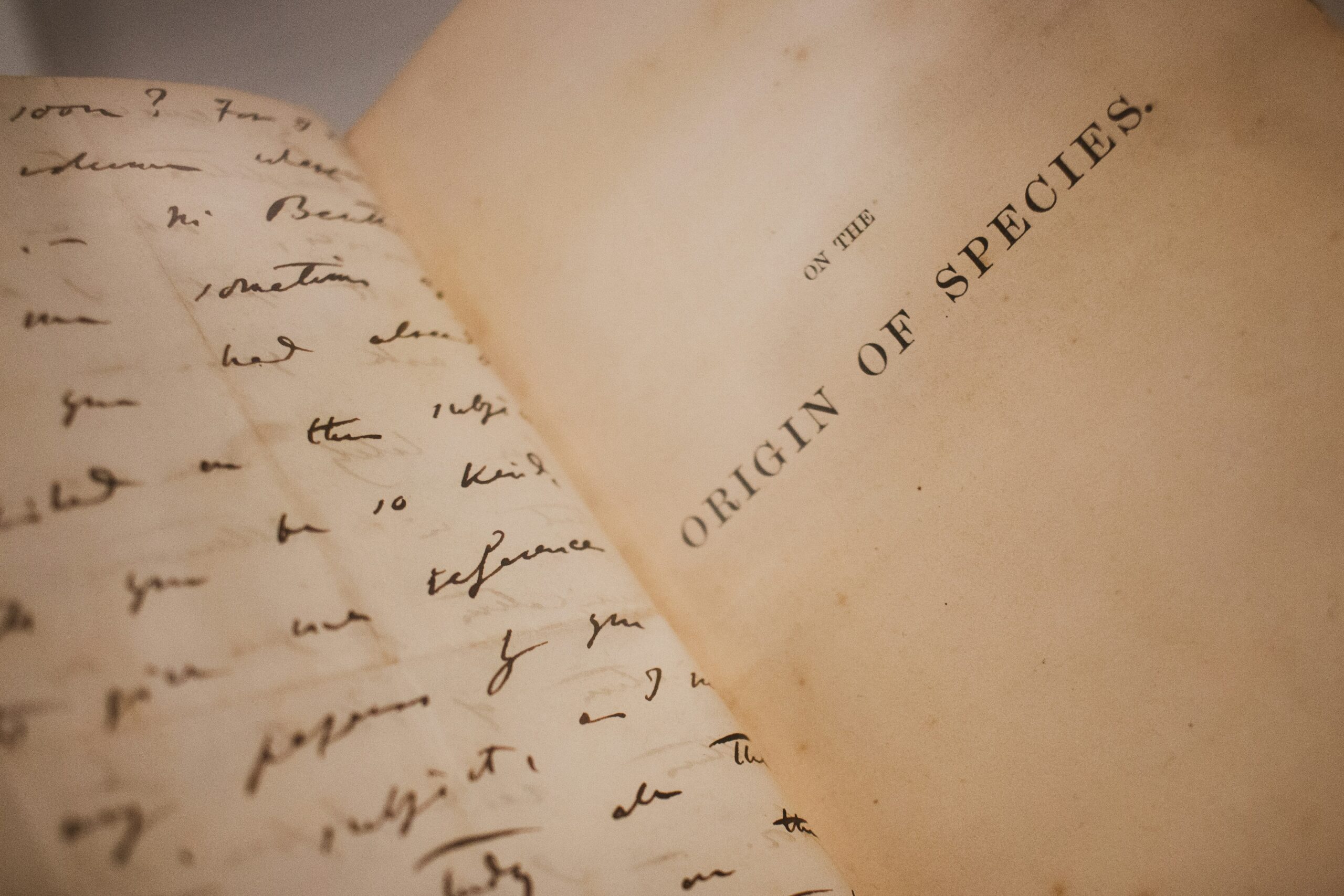
Science, often perceived as a forward-looking discipline, possesses a remarkable ability to cast its gaze backward, unearthing truths that fundamentally alter our understanding of humanity’s past. Through rigorous investigation, innovative technologies, and the persistent questioning of established narratives, scientific discoveries are constantly rewriting history, revealing lost civilizations, challenging long-held beliefs, and offering a more nuanced and complete picture of who we are and where we came from. This ongoing process of scientific exploration into the past is not merely an academic exercise; it is a dynamic and essential endeavor that enriches our present and informs our future.
The story of human evolution is a continuously unfolding narrative, painstakingly pieced together by the tireless work of paleoanthropologists. New fossil finds, coupled with sophisticated analytical techniques, have consistently pushed back the timeline of human origins and revealed a far more diverse and complex picture of our ancestral lineage than previously imagined.
Fossils as Time Capsules: New Skeletons Rewrite Evolutionary Trees
The discovery of hominin fossils in Africa and beyond has been instrumental in charting the course of human evolution. Each new find, from Australopithecus afarensis (“Lucy”) to Homo naledi, offers crucial insights into the anatomy, behavior, and timeline of our ancient relatives. These discoveries are not simply isolated finds; they are woven into a larger tapestry, allowing scientists to refine evolutionary trees, identify key transitional forms, and understand the branching patterns of our lineage.
The Shifting Sands of Early Hominin Diversity
For decades, the prevailing understanding of early hominin evolution centered on a relatively linear progression. However, the discovery of species like Ardipithecus ramidus and Australopithecus sediba has demonstrated a far greater degree of diversity and coexistence among early hominins than previously thought. These findings suggest that multiple hominin species likely roamed the Earth simultaneously, engaging in different ecological niches and potentially interacting with one another. This challenges the simplistic “ladder of progress” model and instead points to a more bush-like evolutionary landscape. Furthermore, the dating of these fossils, often achieved through radiometric dating techniques, has refined our understanding of when specific traits, such as bipedalism and tool use, emerged.
The Enigma of Homo naledi: A Late-Appearing Primitive Hominin?
The discovery of Homo naledi in the Rising Star cave system in South Africa, announced in 2015, presented a particularly intriguing puzzle. This hominin possessed a mosaic of primitive and derived traits, exhibiting a small brain size reminiscent of early australopithecines alongside more modern dental and hand features. Crucially, the dating of the Homo naledi fossils to a surprisingly recent period, between 236,000 and 335,000 years ago, has thrown a significant spanner in the works of established evolutionary timelines. This suggests that a hominin species with primitive characteristics survived much later than anticipated, potentially overlapping with the emergence of our own species, Homo sapiens. The implications of this overlap are profound, raising questions about potential interactions and competition between different hominin groups. Scientists continue to investigate the circumstances of their deposition in the cave, with some proposing deliberate caching rather than accidental death, hinting at complex social behaviors.
Genetic Echoes: Unlocking Ancestral Secrets Through DNA
While fossils provide the physical evidence of our past, ancient DNA analysis offers an unparalleled window into the genetic makeup of our ancestors, revealing migration patterns, interbreeding events, and even the biological adaptations that allowed humans to thrive in diverse environments.
Tracing Migrations: The Out-of-Africa Story Rewritten
The “Out of Africa” model, which posits that modern humans originated in Africa and then migrated out to populate the rest of the world, has long been accepted. However, ancient DNA has added immense detail and nuance to this narrative. By analyzing the genomes of ancient populations, scientists can trace the precise routes of these migrations, identify the timings of dispersal, and understand the genetic contributions of different ancestral groups to modern populations. Studies have revealed multiple waves of migration out of Africa, as well as complex interactions and gene flow between migrating Homo sapiens and archaic humans like Neanderthals and Denisovans.
The Neanderthal and Denisovan Connection: More Than Just a Fringe Encounter
For a long time, Neanderthals were caricatured as primitive brutes, distantly related but ultimately separate from the lineage that led to us. Ancient DNA has dramatically overturned this view. It is now clear that interbreeding between Homo sapiens and Neanderthals, and even Denisovans, occurred. Modern humans of non-African descent carry a small percentage of Neanderthal DNA, which has been linked to various traits, including immune responses, skin pigmentation, and even susceptibility to certain diseases. Similarly, Denisovan DNA has been found in populations across Asia and Oceania, suggesting a wider distribution and interaction with these archaic humans than previously understood. This complex genetic legacy demonstrates that our evolutionary history is not a simple branching off, but a more interconnected story of intermingling and gene exchange with our closest extinct relatives. Scientists are using next-generation sequencing to extract and analyze even more degraded ancient DNA, pushing the boundaries of what we can learn from these ancestral genomes, and potentially uncovering evidence of further archaic human groups.
The intersection of science and history often leads to groundbreaking revelations that challenge our understanding of the past. A fascinating example of this is the article titled “Uncovering Lost Maps: The Library of Alexandria’s Legacy,” which explores how modern scientific techniques are being employed to rediscover ancient knowledge and artifacts. By utilizing advanced imaging technologies and analysis methods, researchers are piecing together lost maps that were once housed in the legendary Library of Alexandria, shedding new light on historical navigation and geography. For more insights on this intriguing topic, you can read the full article here: Uncovering Lost Maps: The Library of Alexandria’s Legacy.
Lost Civilizations Found: Unearthing Forgotten Kingdoms
The earth holds secrets of civilizations that flourished and vanished, leaving behind enigmatic ruins and tantalizing clues about their existence. Archaeology, powered by advanced technologies, is continuously unearthing these lost worlds, forcing us to re-evaluate our understanding of human history and the rise and fall of complex societies.
The Power of Remote Sensing: Peering Beneath the Surface
Technological advancements in remote sensing have revolutionized archaeological exploration, allowing scientists to detect and map ancient sites without extensive excavation. This non-invasive approach can reveal buried structures, ancient agricultural systems, and even entire city layouts, providing unprecedented insights into lost settlements.
LiDAR and the Revelation of Hidden Landscapes
Light Detection and Ranging (LiDAR) technology, in particular, has been a game-changer. By using pulsed laser light to measure ranges, LiDAR can effectively “see through” dense vegetation, revealing intricate networks of ancient roads, agricultural terraces, and monumental architecture hidden beneath forest canopies. This has led to the discovery of vast urban centers and complex societal structures that were previously unknown or underestimated. For instance, LiDAR surveys in the Maya heartland have revealed an astonishing density of settlement and infrastructure, suggesting a much larger and more complex civilization than previously imagined. Similarly, LiDAR has helped to map the extent of ancient Roman settlements and fortifications, offering new perspectives on the scale of their influence and organization.
GPR and Magnetometry: Mapping Subterranean Secrets
Ground-penetrating radar (GPR) and magnetometry are other invaluable tools that allow archaeologists to map subsurface features. GPR sends radar pulses into the ground and analyzes the reflections to create detailed images of buried objects and structures, such as walls, foundations, and burial sites. Magnetometry measures variations in the Earth’s magnetic field, which can be caused by buried features like kilns, hearths, or ditches, indicating human activity. These techniques are crucial for planning excavations, identifying areas of significant interest, and understanding the spatial organization of ancient settlements without disturbing the soil unnecessarily.
Reconstructing Lives: Artifacts as Storytellers
The artifacts unearthed from archaeological sites are more than just objects; they are tangible links to the past, providing direct evidence of the lives, beliefs, and daily practices of ancient peoples. Scientific analysis of these objects can reveal their composition, origin, and function, painting a vivid picture of forgotten cultures.
Material Science Unravels Craftsmanship and Trade
The application of material science techniques to ancient artifacts unlocks a wealth of information. Spectrometry, for example, can determine the elemental composition of metals, ceramics, and pigments, revealing the techniques used in their production and the sources of raw materials. This can shed light on ancient trade networks, the sophistication of ancient craftsmanship, and the types of technologies available. For example, analyzing the isotopic composition of metals can pinpoint the origin of the ore, revealing extensive long-distance trade routes for precious commodities like tin and copper. Similarly, examining the microscopic structure of pottery can reveal the techniques used in its creation, from hand-molding to wheel-throwing, and the firing processes employed.
Isotopic Analysis: A Window into Diet, Mobility, and Health
Isotopic analysis, particularly of human and animal remains, offers profound insights into dietary habits, migration patterns, and even health conditions of past populations. By analyzing the ratios of stable isotopes (such as carbon, nitrogen, strontium, and oxygen) in bones and teeth, scientists can reconstruct ancient diets, identifying the types of plants and animals consumed and even inferring the geographical origins of individuals based on local water sources and food sources. For instance, strontium isotope ratios in teeth can indicate where an individual spent their childhood, while carbon and nitrogen isotopes can reveal their primary food sources – a diet rich in marine resources versus a predominantly cereal-based diet. This has been crucial in understanding the mobility of ancient populations and the dietary shifts that accompanied cultural changes or environmental pressures.
Rethinking Prehistory: Indigenous Knowledge and Scientific Integration

For too long, the narrative of prehistory has been dominated by European-centric perspectives and assumptions. Emerging scientific approaches are increasingly integrating indigenous knowledge systems and archaeological evidence, leading to a more inclusive and accurate understanding of ancient humanity.
The Voice of Indigenous Oral Traditions: Complementing the Archaeological Record
Indigenous oral traditions, passed down through generations, often contain accurate historical accounts of events, migrations, and societal structures that predate written records. Scientists are now recognizing the immense value of these traditions, not as folklore, but as a rich source of historical information that can complement and sometimes even direct archaeological investigations.
Collaborative Archaeology: Bridging Cultural Divides
The move towards collaborative archaeology, where researchers work closely with indigenous communities, is fostering a deeper and more respectful understanding of the past. This partnership involves recognizing indigenous ownership of ancestral lands and cultural heritage, sharing research findings, and incorporating traditional knowledge into research design and interpretation. This approach has revitalized the study of many archaeological sites, leading to discoveries that might have been missed through purely Western scientific methods. For example, in Australia, collaboration with Aboriginal elders has provided context for the understanding of rock art sites and ceremonial landscapes, revealing their deep historical and spiritual significance.
Decolonizing the Narrative: Challenging Eurocentric Biases
The integration of indigenous perspectives actively challenges the historical Eurocentric biases that have permeated archaeological and historical research. These biases often led to the dismissal of indigenous achievements, the misinterpretation of findings, and a skewed understanding of technological and societal complexity. By centering indigenous voices and knowledge, scientists are working to decolonize the narrative of prehistory, presenting a more accurate and equitable account of human ingenuity and cultural development across the globe. This includes recognizing indigenous innovations in agriculture, engineering, and social organization as equally significant to those of other cultures.
Dating the Unseen: Advanced Chronometric Techniques
Precise dating is fundamental to understanding the chronology of historical events and the development of cultures. While traditional methods have served us well, newer and more sophisticated chronometric techniques are constantly refining our ability to date ancient materials with greater accuracy.
Optically Stimulated Luminescence (OSL) Dating: Revealing Burial and Occupation Times
Optically Stimulated Luminescence (OSL) dating is a technique that measures the last time sediment grains were exposed to sunlight. This allows archaeologists to date geological layers, occupational surfaces, and even features like pits or hearths. OSL has been particularly useful in dating sites where organic materials, suitable for radiocarbon dating, are scarce or absent, expanding the temporal reach of our understanding of human occupation in various regions. For example, OSL has provided crucial dates for early human settlement in Australia and the Middle East, offering insights into the timing of these significant migrations.
Electron Spin Resonance (ESR) Dating: Unlocking the Secrets of Tooth Enamel and Minerals
Electron Spin Resonance (ESR) dating can be used to date materials such as tooth enamel, carbonates, and quartz. This method measures the accumulation of trapped electrons in crystalline materials due to natural radiation over time. ESR is particularly valuable for dating fossil teeth and bone, providing chronological frameworks for hominin evolution and early human behavior, especially in contexts where other dating methods are not applicable. It has been used to date hominin fossils that are too old for radiocarbon dating and to date geological formations associated with archaeological sites.
The Epigenetic Revolution: How Environment Shapes Our Genes Across Generations

Beyond the DNA sequence itself, a new field of science, epigenetics, is emerging as a powerful tool for understanding how environmental factors can influence gene expression and be passed down through generations, potentially leaving an imprint on our evolutionary trajectory.
Environmental Influences on Gene Expression: Beyond the Genome
Epigenetics refers to heritable changes in gene expression that do not involve alterations to the underlying DNA sequence. These changes can be triggered by environmental factors such as diet, stress, and exposure to toxins, and they can have profound effects on an organism’s development and health.
Understanding Adaptive Traits: The Case of Lactase Persistence
The ability of many human populations to digest lactose in adulthood – lactase persistence – is a classic example of a human adaptation that has been shaped by environmental factors. This trait evolved independently in several populations that domesticated dairy animals, allowing them to derive essential nutrients from milk. Scientific investigations, including population genetics and comparative genomics, have identified specific genetic mutations responsible for lactase persistence. However, epigenetics may also play a role in the regulation of this gene, suggesting a complex interplay between genetic predisposition and environmental cues in the development of adaptive traits.
Stress and Trauma: Transgenerational Inheritance of Environmental Impacts
Emerging research in epigenetics suggests that the effects of significant environmental stressors, including trauma, could potentially be passed down to future generations. Studies on both animal models and preliminary human investigations have indicated that epigenetic modifications induced by famine, war, or abuse could influence the stress response and susceptibility to certain diseases in offspring. While this field is still in its nascent stages, it opens up a fascinating dimension to understanding how historical events and ancestral experiences might have shaped the biological predispositions of contemporary populations. This research has the potential to profoundly impact our understanding of mental health, disease susceptibility, and the long-term consequences of societal upheavals.
Recent advancements in scientific techniques have led to significant revelations about historical events, prompting historians to reconsider long-held beliefs. For instance, the analysis of ancient maps, such as the Piri Reis map, has unveiled new insights into maritime navigation and exploration. A fascinating article discusses the uncovering of the source documents of the Piri Reis map, shedding light on its origins and implications for our understanding of history. You can read more about this intriguing topic in the article here.
Conclusion: The Ever-Evolving Tapestry of the Past
| Scientific Discovery | Historical Event Rewritten |
|---|---|
| DNA analysis | Revealed the true identity of historical figures |
| Radiocarbon dating | Provided more accurate timelines for ancient civilizations |
| Geological evidence | Changed our understanding of ancient natural disasters |
| Archaeological findings | Uncovered new details about ancient cultures and societies |
Science’s ongoing exploration of the past is not a static pursuit; it is a dynamic and iterative process. Each new discovery, each refined technique, adds another thread to the ever-evolving tapestry of human history. From the microscopic world of DNA to the grand scale of lost cities, science is continuously rewriting our collective story, revealing a past that is far richer, more complex, and more interconnected than we ever imagined. This continuous unveiling of past truths is essential, not only for satisfying our intellectual curiosity but also for understanding the profound influences that have shaped our present and for forging a more informed and conscious future. The past, it seems, is never truly past; it is a living, breathing entity, constantly being reinterpreted and understood through the illuminating lens of scientific inquiry.

The Ancient Computer Nobody Could Read
FAQs
What is the role of science in rewriting history?
Science plays a crucial role in rewriting history by providing new evidence, technologies, and methodologies that allow historians to reevaluate and reinterpret historical events and narratives.
How does science contribute to changing our understanding of the past?
Science contributes to changing our understanding of the past by uncovering new archaeological findings, analyzing ancient DNA, and using advanced dating techniques to provide more accurate timelines and insights into historical events and civilizations.
What are some examples of how science has rewritten history?
Examples of how science has rewritten history include the discovery of new human species such as Homo floresiensis and Denisovans, the reevaluation of ancient civilizations like the Indus Valley Civilization, and the reinterpretation of historical events such as the extinction of the dinosaurs.
What are the challenges of using science to rewrite history?
Challenges of using science to rewrite history include the potential for bias in interpreting scientific data, the limitations of available evidence, and the need for interdisciplinary collaboration between scientists and historians.
How does the rewriting of history impact our understanding of the present and future?
The rewriting of history impacts our understanding of the present and future by shaping our perspectives on human evolution, societal development, and the potential lessons and insights that can be gained from studying the past.