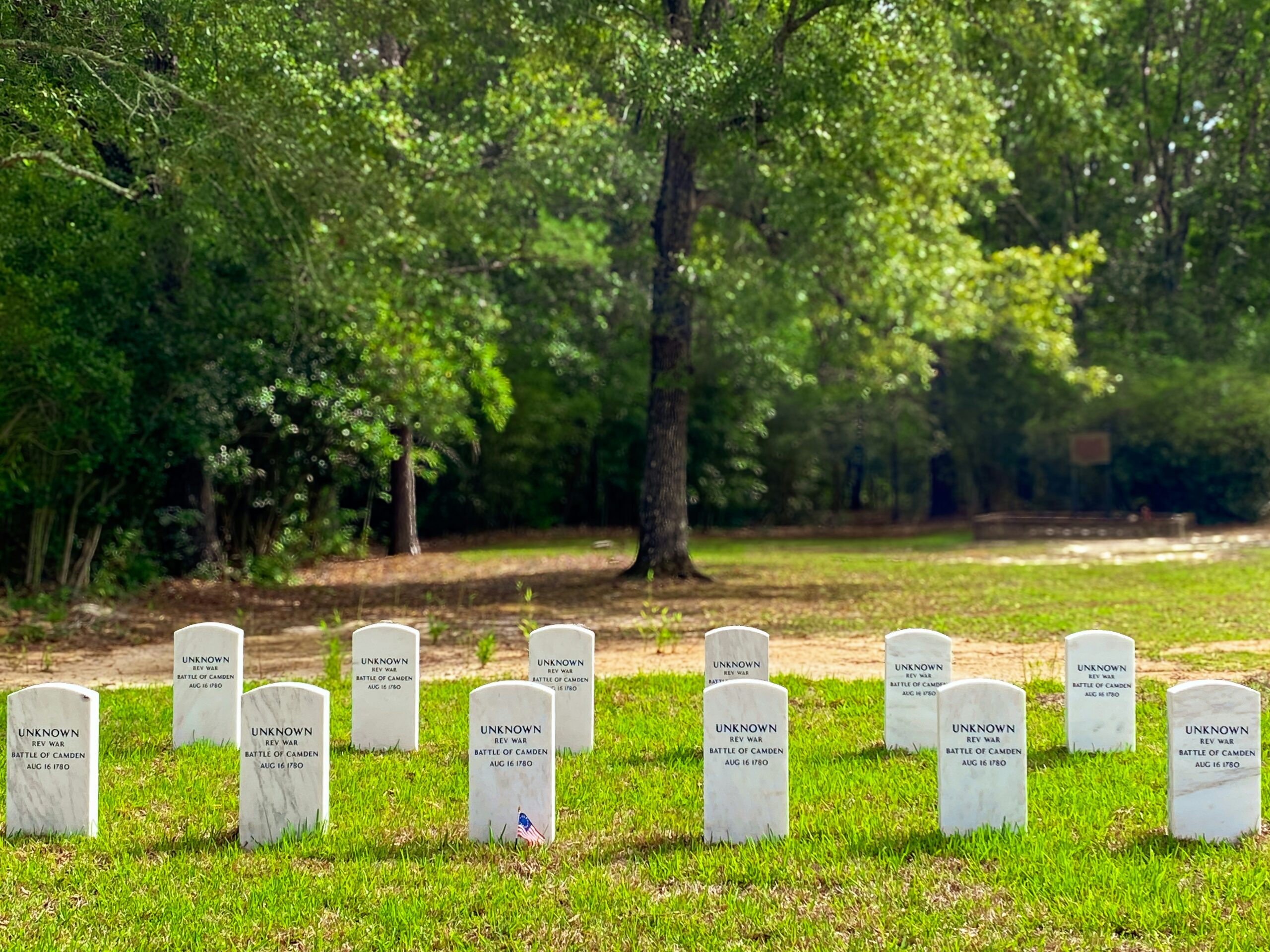
The hallowed grounds of Jamestown, Virginia, a site steeped in the very genesis of English America, have once again yielded profound historical revelations. Beneath the footprint of the iconic Jamestown Church, archaeologists have unearthed a series of clandestine burial sites, challenging long-held assumptions and painting a more nuanced picture of the early colonial experience. These discoveries, made during meticulous excavation work, speak to a darker, less understood facet of the settlement’s formative years, hinting at the desperate measures, rigid social hierarchies, and profound uncertainties that defined life and death in the nascent colony. The unearthed remains and the contexts in which they were found are not merely individual tragedies; they are fragments of a larger narrative, revealing the complex interplay of survival, status, and secrecy that characterized Jamestown’s earliest inhabitants.
The Ongoing Excavation and its Significance
For decades, the Jamestown Church, or what remains of its foundations, has served as a focal point for archaeological investigation. The site, believed to be the burial place of many of Jamestown’s most prominent figures, has been the subject of ongoing efforts to understand the evolution of the settlement and the lives of its inhabitants. Recent excavations, driven by a desire to further delineate the church’s structure and uncover any associated features, have unexpectedly stumbled upon a series of burials that diverge significantly from previously identified graves. These aren’t the neatly arranged, historically documented interments of governors and prominent settlers. Instead, they represent a more clandestine, perhaps even hurried, form of burial, raising immediate questions about who these individuals were and why they were laid to rest in such an unconventional manner.
The significance of these discoveries cannot be overstated. Jamestown, established in 1607, was the first permanent English settlement in North America. Its early history is a tapestry woven with threads of ambition, hardship, conflict, and an enduring struggle for survival. While official records, such as the writings of George Percy and Captain John Smith, offer glimpses into the lives of the colony’s leaders, the vast majority of the early settlers remain largely anonymous. These new burial sites offer a tangible connection to these forgotten individuals, providing an opportunity to reconstruct their lives, their struggles, and their ultimate fates through the scientific analysis of their remains and their burial contexts.
Unveiling the Church’s Footprint
The current archaeological efforts are intrinsically linked to a deeper understanding of the Jamestown Church itself. The original church, built of timber, was destroyed by fire in 1608. It was subsequently rebuilt and expanded, with later iterations of the structure dominating the landscape for centuries. The foundations of these successive churches have been a crucial guide for archaeologists, helping to delineate the sacred space and its surrounding environment. The recent excavations aimed to refine the understanding of the church’s precise dimensions and construction phases, seeking to answer questions about its spatial relationship to other colonial structures and its evolution over time. This meticulous work, involving the careful removal of soil layers and the documentation of every artifact, inadvertently led to the uncovering of the unexpected burial sites.
The Role of Modern Technology
Modern archaeological techniques have played a pivotal role in this revelation. Ground-penetrating radar (GPR) and magnetometry, for instance, were employed to scan the subsurface before any significant digging began. These non-invasive methods can detect anomalies in the soil, indicating the presence of buried structures, features, or even human remains, without disturbing the archaeological record. The anomalies detected beneath the church’s presumed footprint warranted further investigation, leading to the careful excavation that ultimately revealed the secret burials. The ability to digitally map and analyze these subsurface features has revolutionized archaeological practice, allowing for more targeted and efficient exploration of historical sites.
Recent archaeological discoveries at the site of the 1608 church in Jamestown have shed light on the burial practices of early settlers, revealing insights into their social hierarchies and health conditions. These findings are reminiscent of themes explored in a related article that discusses how power dynamics influenced societal responses during crises, such as famines in ancient times. For a deeper understanding of how elite control shaped survival strategies, you can read more in this article: Elite Control During Ancient Famine: Power and Privilege in Crisis.
The Nature of the Secret Burials
The term “secret burials” itself evokes a sense of intrigue and urgency. Unlike the formal burials typically associated with a prominent church or cemetery, these interments were found in positions and locations that suggest haste, discretion, or perhaps even concealment. The precise nature of these burials is still being investigated, but initial observations point towards a departure from established colonial burial customs. This raises a multitude of questions: Were these individuals victims of violence? Were they social outcasts whose deaths were not to be publicly acknowledged? Or were these burials a consequence of extreme circumstances, such as disease outbreaks or periods of intense hardship where standard burial practices were simply not feasible?
Disturbances and Unconventional Poses
One of the most striking characteristics of these newly discovered burials is the evidence of disturbance. In some cases, the remains appear to have been interred in shallow graves, lacking the careful preparation and orientation typically found in formal interments. Skeletal remains have been found in non-anatomical positions, suggesting they were placed in the ground in a hurried or unceremonious manner. This contrasts sharply with the deliberate alignment of bodies in established cemeteries, which often followed religious or social conventions. The lack of grave goods or personal artifacts commonly found with burials of higher status further reinforces the notion of an unconventional or perhaps impoverished interment.
The Absence of Formal Grave Markers
Crucially, these secret burials lack any form of formal grave marker. In colonial Jamestown, prominent individuals were often interred within the church itself or in designated burial grounds marked by headstones or other memorials. The absence of such markers for these newly discovered individuals strongly suggests they were not afforded the same social recognition or established burial rites. This absence is a silent yet powerful testament to their potential marginalization or the desperate circumstances surrounding their deaths.
Identifying the Individuals and Their Status
The identification of the individuals interred in these secret graves presents a significant challenge, but also a profound opportunity for historical reconstruction. Without clear grave markers or accompanying artifacts that definitively identify them, archaeologists must rely on a combination of skeletal analysis, contextual evidence, and potentially DNA analysis to glean information about their identities and their place within the Jamestown society. The findings from these analyses will undoubtedly shed light on the often-unseen strata of early colonial life.
Skeletal Analysis: A Window into Lives and Deaths
The skeletal remains themselves are a treasure trove of information. Forensic anthropologists can examine the bones for signs of disease, trauma, diet, and age at death. This can reveal whether individuals suffered from malnutrition, succumbed to common colonial ailments like dysentery or influenza, or experienced violent injuries. Evidence of hard labor can be detected in bone wear patterns, indicating the physical demands placed upon these individuals. The state of their teeth can also provide clues about their diet and oral hygiene. Even subtle differences in skeletal morphology can hint at ancestry.
Evidence of Violence and Trauma
Preliminary examination of some of the skeletal remains has revealed evidence of significant trauma, suggesting that violence may have played a role in the deaths of these individuals. Such findings could indicate casualties of skirmishes with Native American tribes, internal conflicts within the colony, or even acts of punishment. The precise nature and cause of such trauma are subject to further meticulous study, but their presence in these clandestine burials is particularly telling.
Signs of Disease and Malnutrition
Beyond direct trauma, the skeletal evidence may also reveal the pervasive impact of disease and malnutrition that plagued early Jamestown. High infant mortality rates, coupled with the challenges of securing adequate food supplies, meant that many settlers likely suffered from chronic health issues. The condition of their bones and teeth can offer tangible evidence of these struggles, painting a grim picture of the daily realities of survival.
Contextual Clues: Location and Associations
The location of the burials and any associated artifacts, however sparse, provide crucial contextual clues. Their proximity to the church, but outside the more formally recognized burial areas, suggests a deliberate choice of location, perhaps for reasons of secrecy or because established burial plots were unavailable or inappropriate for these individuals. The soil composition, the depth of the graves, and the presence of any fragmented items, even pottery shards or tool fragments, can offer insights into the economic status and daily activities of the deceased.
The Potential of DNA Analysis
In the future, advances in DNA analysis may offer even more profound insights. If sufficient viable DNA can be extracted from the remains, it could potentially be used to identify individuals by comparing them to known historical descendants or to profiles of populations from England during the early 17th century. While challenging given the age of the remains and the acidic soil conditions, the possibility of such direct identification remains a tantalizing prospect for archaeologists and historians alike.
Social Stratification and Marginalization in Jamestown
These secret burials are not simply isolated incidents; they are potent indicators of the social stratification and marginalization that existed within early Jamestown. The colonial society was far from egalitarian. A rigid hierarchy dictated access to resources, status, and even the manner of one’s death and burial. These clandestine interments suggest that certain individuals, for reasons of their social standing, their actions, or their perceived transgressions, were denied the dignity of a formal burial.
The Unacknowledged Poor and Laborers
It is highly probable that many of these secret burials belong to the unacknowledged poor, the laborers, and the enslaved individuals who formed the backbone of the colonial workforce but were often invisible in official historical accounts. Their lives were likely characterized by arduous labor, limited resources, and a constant struggle for survival. Their deaths, occurring in times of hardship or illness, may have been met with pragmatic rather than ceremonial burials, with their final resting places left unmarked to conserve resources or avoid the perceived burden of formal acknowledgment.
Victims of Conflict and Social Unrest
Jamestown was a volatile environment, marked by periods of intense conflict with the Powhatan Confederacy and internal strife amongst the colonists themselves. It is plausible that some of these secret burials represent individuals who met violent ends during these conflicts, their bodies hastily interred to avoid desecration or to conceal the extent of casualties. Similarly, social unrest, rebellions, or punishments for perceived crimes could have also led to clandestine burials, particularly if the individuals involved were deemed outcasts or enemies of the established order.
The Role of Secrecy and Shame
The act of burying individuals in secret could also point to societal norms surrounding shame, disgrace, or taboo. If an individual died under circumstances that brought dishonor to their family or the colony, their burial might have been intentionally obscured to avoid public acknowledgment of their transgressions or unfortunate demise. This could encompass individuals who died from stigmatized diseases, committed suicide, or were involved in illicit activities.
Recent archaeological discoveries at the site of the 1608 church in Jamestown have shed light on the burial practices of early settlers, revealing much about their lives and deaths. These findings have sparked interest in related historical inquiries, such as the exploration of ancient technologies that may have influenced their survival. For a deeper understanding of how lost ancient technologies might connect to these early colonial experiences, you can read more in this intriguing article about the subject. Check it out here.
Rethinking the Jamestown Narrative
The uncovering of these secret burials beneath Jamestown Church necessitates a re-evaluation of the traditional narrative of the early English settlement. For too long, the story of Jamestown has been largely told through the lens of its prominent leaders and documented events. These new discoveries compel a more inclusive and complex understanding, one that acknowledges the struggles, marginalization, and perhaps even the injustices faced by a significant portion of its early inhabitants.
Beyond the Elite: A More Complete Picture
The historical focus on figures like Captain John Smith, Governor George Percy, and later John Rolfe, while important, has often overshadowed the lives of the vast majority of settlers. These secret burials offer a tangible connection to these forgotten individuals, allowing us to move beyond the elite and construct a more complete picture of daily life, social dynamics, and the diverse experiences of those who toiled, suffered, and ultimately perished in the fledgling colony.
The Grim Realities of Survival
The evidence of violence, disease, and hasty interments serves as a stark reminder of the grim realities of survival in early Jamestown. The romanticized notions of exploration and empire-building often fail to capture the sheer brutality and hardship that defined life for many. These burials underscore the constant struggle against famine, disease, and conflict, a struggle that claimed the lives of countless individuals whose stories were never formally recorded.
A Legacy of Unseen Lives
Ultimately, these secret burials beneath Jamestown Church are a legacy of unseen lives. They represent individuals who, despite their contributions or their presence, were denied a recognized place in history. Through careful archaeological investigation and scientific analysis, these silent voices are finally being heard, adding crucial depth and complexity to our understanding of the very foundations of English America. The ongoing work at Jamestown continues to reveal that the story of this pivotal settlement is far richer, and at times far darker, than previously imagined.
Jamestown DNA Revealed a Family Secret Hidden for 400 Years
FAQs
What is the significance of the burials beneath Jamestown 1608 church?
The burials beneath Jamestown 1608 church are significant as they provide valuable insights into the early settlers of America and their burial practices.
How were the burials discovered beneath Jamestown 1608 church?
The burials were discovered during an archaeological excavation at the site of the Jamestown 1608 church, which is considered one of the most important historical sites in America.
What do the burials reveal about the early settlers of Jamestown?
The burials reveal information about the health, diet, and living conditions of the early settlers of Jamestown, shedding light on their daily lives and struggles.
How are the burials being studied and analyzed?
The burials are being carefully studied and analyzed by archaeologists and anthropologists using advanced scientific techniques to learn more about the individuals buried there and the historical context of the site.
What can we learn from the burials beneath Jamestown 1608 church?
By studying the burials beneath Jamestown 1608 church, we can gain a better understanding of the early colonial period in America, including the challenges faced by the settlers and the impact of European colonization on Native American populations.