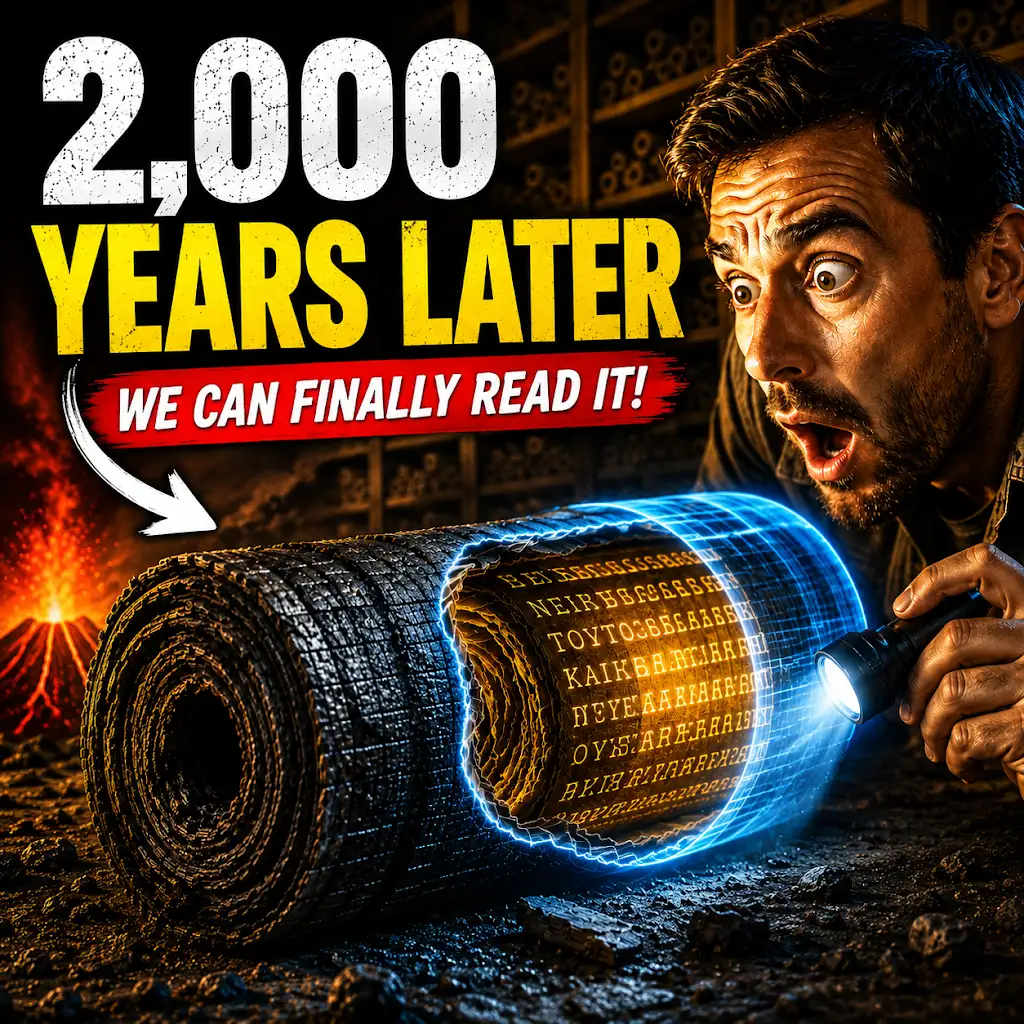
The charred remnants of Herculaneum, a Roman city tragically preserved by the fiery embrace of Mount Vesuvius, hold within them a trove of secrets that have captivated scholars for centuries. Among the most profound and tantalizing of these secrets are the Herculaneum Papyri. These aren’t ordinary scrolls; they are carbonized, brittle, and seemingly unreadable husks, yet they represent a unique window into the intellectual and cultural life of the Roman world, a world otherwise known to us through fragments and later copies. The sheer challenge of their preservation and decipherment has turned the study of these papyri into a high-stakes archaeological and philological pursuit, promising to unlock lost literary masterpieces, forgotten philosophical treatises, and intimate glimpses into ancient daily life.
The eruption of Mount Vesuvius in 79 AD was a cataclysmic event that buried Herculaneum under a deluge of volcanic ash and pyroclastic flows. Unlike Pompeii, which was primarily covered by pumice, Herculaneum was enveloped in a rapidly hardening mud, a material that, while devastating, also offered a unique form of preservation for organic materials. The intense heat from the eruption carbonized the wooden furnishings, furniture, and, crucially, the papyrus scrolls housed within the opulent villas lining the city’s streets. These scrolls, once pliable and filled with the ink of ancient thought, were transformed into brittle, charcoal-like cylinders, seemingly lost to time.
The Villa of the Papyri: A Glimpse of Intellectual Wealth
The most significant discovery of these carbonized scrolls occurred in the mid-18th century with the excavation of what became known as the “Villa of the Papyri.” This sprawling villa, believed to have belonged to Lucius Calpurnius Piso Caesoninus, the father-in-law of Julius Caesar, was a veritable library, containing hundreds of papyrus scrolls. The sheer volume of these finds immediately hinted at the intellectual prestige and scholarly pursuits of its owner and inhabitants. However, the state of the papyri presented an immediate and formidable challenge. They were not simply fragile; they were fused together by the heat, appearing as solid, unyielding blocks of carbon. The initial attempts at unrolling them were often destructive, resulting in more fragments than legible text.
Early Attempts at Decipherment: Brute Force and Delicate Touch
The early days of Herculaneum papyri research were characterized by a mix of enthusiastic excavation and often clumsy attempts at preservation and decipherment. Excavators, driven by the promise of uncovering lost ancient texts, employed methods that, by modern standards, were crude. Unrolling the scrolls often involved breaking them apart, leading to a significant loss of valuable information. The realization that these were not ordinary papyri, but rather intensely carbonized objects, slowly dawned, prompting more cautious and specialized approaches. Nevertheless, the allure of the unknown, the potential for rediscovering lost philosophical dialogues or epic poems, fueled a persistent, albeit often frustrating, endeavor.
The Evolution of Decipherment Techniques: From Brute Force to Cutting-Edge Technology
The challenge of reading carbonized papyri has been a driving force behind the development of innovative techniques. For centuries, scholars and conservators grappled with the inherent fragility and fused nature of these ancient documents. The early methods, while well-intentioned, often proved destructive, leading to the loss of precious text. The evolution of decipherment is a testament to human ingenuity and the relentless pursuit of knowledge.
Mechanical Unrolling: A Delicate Balancing Act
The initial approach to deciphering the Herculaneum papyri involved attempts at mechanical unrolling. This was a painstaking and often perilous process. Conservators would attempt to carefully separate the layers of the carbonized scroll, using fine tools and immense patience. The risk of the papyrus crumbling into dust with any misstep was ever-present. This method yielded some success, but it was slow, labor-intensive, and inevitably resulted in further fragmentation of the scrolls. Many of the scrolls that were “unrolled” in this manner exist today as collections of hundreds, if not thousands, of tiny fragments, making reconstruction a monumental task.
Chemical Treatments: A Risky but Revealing Endeavor
In later periods, chemical treatments were explored as a means to potentially soften or loosen the fused layers of the papyri, making them easier to separate. However, these methods carried significant risks. The chemicals themselves could further degrade the already fragile carbonized material, and incorrect application could lead to irreversible damage. While some chemical interventions provided limited breakthroughs, the inherent instability of the papyri made this a precarious approach, often abandoned in favor of less invasive techniques.
The Dawn of Non-Invasive Imaging: Seeing the Unseeable
The true revolution in deciphering the Herculaneum papyri came with the advent of advanced non-invasive imaging techniques. The key was to find a way to “see” the ink marks imprinted on the carbonized papyrus without physically touching or disturbing the scroll. This led to the exploration of various forms of radiation and light that could penetrate the carbonized layers and reveal the subtle differences between the papyrus and the ink.
X-ray Imaging: Illuminating the Darkness
Early forms of X-ray imaging proved to be a significant step forward. By passing X-rays through the papyrus, the denser ink, which often contained metallic elements like iron or lead, could be differentiated from the carbonized papyrus material. This allowed for the creation of images that, while sometimes grainy, showed the outlines of letters and words. However, the resolution and clarity were often limited, and the process still required careful preparation of the scrolls.
Synchrotron Radiation and Advanced Spectroscopy: Unveiling Finer Details
The most groundbreaking advancements have come with the use of synchrotron radiation and advanced spectroscopic techniques. Synchrotron light sources, which produce extremely bright and coherent X-rays, allow for much higher resolution imaging. By using techniques like phase-contrast X-ray imaging, the subtle differences in density and material composition between the ink and the papyrus can be detected with unprecedented detail.
Furthermore, techniques like X-ray fluorescence (XRF) spectroscopy can identify the elemental composition of the ink. This can help distinguish between different inks and even provide clues about the writing practices of the time. The combination of these advanced imaging and spectroscopic methods allows scholars to generate digital reconstructions of the text, effectively “reading” the papyri without ever physically unrolling them. This has dramatically increased the number of legible texts and opened up possibilities for deciphering scrolls that were previously considered irretrievably damaged.
The Content Revealed: Lost Worlds of Philosophy and Literature
The gradual decipherment of the Herculaneum papyri has been a slow and arduous process, but the rewards have been immense, offering glimpses into intellectual currents and literary traditions previously lost to history. The scrolls unearthed, primarily from the Villa of the Papyri, have predominantly focused on philosophical works, offering a richer understanding of Hellenistic thought.
Epicurean Philosophy: A Rediscovered Canon
A significant portion of the deciphered papyri are works by the philosopher Epicurus and his followers. Before these discoveries, our knowledge of Epicureanism was largely filtered through the writings of its critics, such as Cicero and Lucretius. The Herculaneum papyri have provided a direct and unfiltered source of Epicurean thought, revealing the nuances and complexities of this influential school of philosophy.
Philodemus of Gadara: The Star of the Collection
The most prolific author whose works have been recovered is Philodemus of Gadara, an Epicurean philosopher and poet who lived in the 1st century BC. His writings cover a wide range of topics, including ethics, epistemology, poetry, rhetoric, music, and even the history of philosophy. The decipherment of his extensive works has significantly reshaped our understanding of Epicurean doctrines and their development. His treatises on ethics, for instance, offer detailed explanations of the pursuit of pleasure and the avoidance of pain, not as a hedonistic indulgence, but as a path to tranquility (ataraxia). His works on poetry and music provide invaluable insights into the aesthetic theories of the Hellenistic period.
Other Epicurean Thinkers: Filling the Gaps
Beyond Philodemus, fragments of works by other Epicurean thinkers have also been identified, though often in a more fragmented state. These include texts that shed light on the everyday practices and community life of Epicurean adherents, offering a more holistic picture of the school. The sheer volume of Epicurean material suggests that the Villa of the Papyri was a center for the study and dissemination of this philosophy.
Other Philosophical Traditions: Beyond Epicureanism
While Epicureanism dominates the collection, there are also hints of other philosophical schools being represented, though less extensively. The identification of fragments that appear to relate to Stoic or Peripatetic thought suggests a broader intellectual environment within the villa. The ongoing decipherment continues to uncover unexpected connections and influences, challenging previous assumptions about the intellectual landscape of the late Roman Republic.
Literary Discoveries: Echoes of Lost Masterpieces
While philosophical texts form the bulk of the deciphered papyri, there is also the tantalizing prospect of uncovering lost literary works. The fragmented nature of some scrolls makes definitive identification difficult, but scholars remain hopeful that epic poems, dramatic works, or historical accounts from lost periods might eventually emerge from the carbonized depths. The thrill of potentially rediscovering a lost play by Sophocles or an unknown epic by Homer, while perhaps a distant hope, is what continues to drive the research.
The Herculaneum Papyri and the Reconstruction of History
The secrets held within the Herculaneum Papyri are not merely academic curiosities; they are vital pieces in the grand mosaic of reconstructing ancient history. By providing direct access to primary source material that would otherwise be lost, these scrolls offer an unparalleled opportunity to challenge, refine, and expand our understanding of the Roman world. Their decipherment acts as a bridge across time, allowing us to hear the voices of individuals who lived millennia ago.
Challenging Existing Narratives: A New Perspective
The unfiltered nature of the papyri, particularly the philosophical texts, allows scholars to directly engage with ancient ideas without the filter of later interpretations or biases. This has led to a re-evaluation of certain historical narratives. For example, the detailed exposition of Epicurean ethics has challenged the long-held perception of Epicureanism as a purely materialistic and hedonistic philosophy, revealing its more nuanced and ethical dimensions. The papyri offer a more complex and multifaceted understanding of the intellectual currents that shaped the Roman world.
Understanding Daily Life: Beyond the Elite
While the Villa of the Papyri was undoubtedly an elite residence, the content of the scrolls, even those focusing on philosophy, can offer indirect insights into the lives of the educated classes. Discussions of rhetoric, music, and poetry provide windows into the cultural pursuits and intellectual interests of the Roman aristocracy. As more papyri are deciphered, and if more papyri from other contexts are discovered, the potential to illuminate the lives of a broader spectrum of Roman society increases.
The Ongoing Quest for Lost Knowledge: A Legacy of Discovery
The Herculaneum Papyri represent a vast and largely untapped reservoir of lost knowledge. The ongoing development of decipherment technologies, coupled with dedicated scholarly effort, means that the process of unlocking these secrets is far from over. Each new legible text, each newly understood passage, adds another layer of understanding to our comprehension of the ancient world. The quest for the lost knowledge contained within these carbonized scrolls is a testament to the enduring human desire to connect with the past and to understand the origins of our own intellectual and cultural heritage.
The Future of Herculaneum Papyri Research: Continued Innovation and Interdisciplinary Collaboration
The study of the Herculaneum Papyri is a dynamic and evolving field, driven by relentless innovation in technology and an increasing emphasis on interdisciplinary collaboration. The challenges are immense, but the potential rewards continue to inspire researchers worldwide. The future promises even greater breakthroughs as new methods are developed and existing ones are refined.
The Role of Artificial Intelligence and Machine Learning
The application of Artificial Intelligence (AI) and Machine Learning (ML) is poised to revolutionize the decipherment of the Herculaneum Papyri. These technologies can be trained on existing deciphered texts and patterns to identify and predict letter formations, word fragments, and even entire words within the complex imaging data. AI can assist in the tedious process of correlating fragmented pieces, suggesting possible reconstructions, and identifying recurring linguistic structures that might be missed by human analysis alone. This has the potential to significantly accelerate the decipherment process.
Expanding the Scope: Beyond the Villa of the Papyri
While the Villa of the Papyri has been the primary source of these carbonized scrolls, the hope remains that further archaeological excavations in Herculaneum and its surrounding areas might uncover more papyri. The discovery of papyri from different social strata or from different types of buildings could dramatically broaden our understanding of Roman society, literature, and intellectual life beyond the confines of elite philosophical circles.
The Importance of Digital Humanities and Open Access
The trend towards digital humanities and open access is crucial for the future of Herculaneum Papyri research. Creating comprehensive digital databases of scanned papyri, imaging data, and deciphered texts allows for wider access and collaboration among scholars globally. This fosters a more efficient and inclusive approach to research, enabling researchers from different institutions and disciplines to contribute their expertise. Open access ensures that the knowledge gained from these precious artifacts benefits humanity as a whole.
Preserving the Legacy for Future Generations
The long-term preservation of the Herculaneum Papyri remains a paramount concern. Continued research into advanced conservation techniques that can stabilize the carbonized material and prevent further degradation is essential. The ongoing collaboration between archaeologists, conservators, philologists, physicists, and computer scientists is vital to ensure that these unique windows into the past are protected and made accessible for generations to come. The secrets within the Herculaneum Papyri are still unfolding, promising to enrich our understanding of antiquity for years to come.