Managed Aquifer Recharge (MAR) presents a proactive strategy for coastal cities grappling with the multifaceted challenges of rising sea levels, saltwater intrusion, and increasing freshwater demand. The delicate balance of freshwater reserves and the vital role of coastal aquifers are under immense pressure, and MAR emerges as a potentially powerful tool to bolster resilience. This article will explore the principles of MAR, its various applications in coastal environments, the technical considerations involved, and the crucial factors influencing its successful implementation. By understanding and strategically deploying MAR, coastal communities can begin to mend the fraying tapestries of their water security.
Managed Aquifer Recharge is a deliberate process of actively replenishing groundwater aquifers. Unlike natural recharge, which occurs through precipitation and infiltration, MAR involves engineered systems designed to direct water into the subsurface. This managed inflow serves to increase groundwater levels, enhance storage capacity, and, in coastal contexts, can create a hydraulic barrier against saltwater intrusion. Think of MAR as actively filling your water tank rather than passively waiting for the rain to do it. It’s a proactive measure to ensure a sustained supply amidst growing scarcity. The goal is not merely to add water, but to strategically manage its distribution and impact within the groundwater system, acting as an underground reservoir manager.
The Mechanisms of MAR
MAR encompasses a range of techniques, each tailored to specific geological conditions and water availability. The fundamental principle remains the same: introducing water to the subsurface in a controlled manner.
Surface Spreading Systems
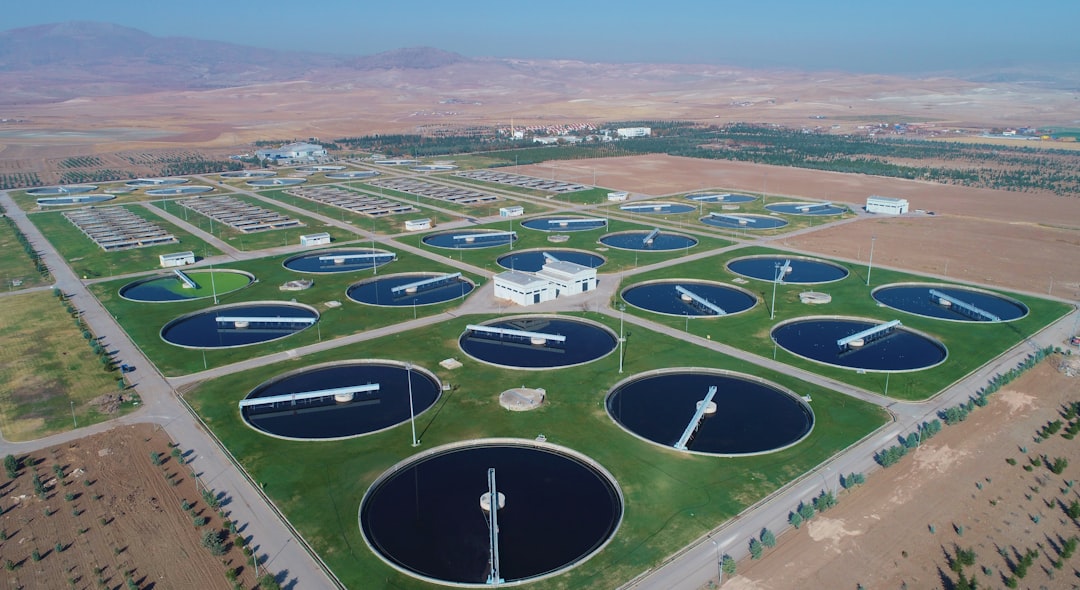
One of the most common MAR methods involves the use of surface spreading basins or infiltration ponds. These are carefully constructed land areas where water is allowed to pool and infiltrate into the ground. The design of these basins, including their size, shape, and depth, is critical to optimizing infiltration rates and minimizing clogging.
Factors Affecting Surface Spreading Efficiency
The effectiveness of surface spreading is influenced by several factors. The hydraulic conductivity of the unsaturated zone (the soil layers above the water table) dictates how quickly water can percolate downwards. Soil type, degree of compaction, and the presence of organic matter can all impede infiltration. Sedimentation, which can clog soil pores, is another significant challenge that requires regular maintenance, such as desilting and scarification of the infiltration surfaces. The quality of the recharge water is also paramount; suspended solids and biological growth can accelerate clogging and reduce the long-term performance of the system.
Subsurface Injection Systems
In situations where surface spreading is not feasible due to land constraints or unfavorable soil conditions, subsurface injection wells offer an alternative. In this method, water is pumped directly into an aquifer through specially designed wells. This approach allows for more targeted recharge and can be effective for deeper aquifers.
Well Design and Construction Considerations
The design and construction of injection wells are critical to prevent clogging and aquifer damage. Screen selection, gravel packing, and the use of appropriate materials are essential to ensure the longevity and efficiency of the well. The water injected must be pre-treated to remove suspended solids and other potential clogging agents. Backflushing and chemical treatments may also be necessary for maintenance. The geological formations surrounding the well must be able to accept the injected water without experiencing excessive pressure buildup or hydraulic fracturing.
Other MAR Techniques
Beyond spreading and injection, other MAR techniques exist, often employed in combination or for specific purposes. These can include:
Induced Riverbank Filtration
This technique involves abstracting water from a river and allowing it to infiltrate through the riverbed and bank before collection. While not strictly MAR into an aquifer in the same vein as the others, it utilizes natural infiltration processes with a managed abstraction component and can enhance water quality through soil filtration.
In-channel Recharge
This method involves building structures within a river channel, such as check dams or weirs, to slow down water flow and increase its contact time with the riverbed, thereby promoting infiltration.
Managed aquifer recharge (MAR) is becoming increasingly vital for coastal cities facing challenges related to water scarcity and rising sea levels. An insightful article that discusses the broader implications of technological advancements, including those relevant to water management, can be found at The Rise of Artificial Intelligence and Societal Collapse. This piece explores how innovative solutions, such as MAR, can play a crucial role in enhancing urban resilience and sustainability in the face of environmental changes.
Addressing Coastal Challenges with MAR
Coastal cities face a unique set of water management challenges, primarily driven by their proximity to the ocean. MAR offers a multifaceted solution, not only in augmenting freshwater supplies but also in mitigating the insidious threat of saltwater intrusion. The delicate ecological and economic balance of these regions hinges on maintaining stable freshwater resources, a task that MAR is increasingly being called upon to assist with.
Combating Saltwater Intrusion
One of the most critical applications of MAR in coastal areas is the prevention of saltwater intrusion into freshwater aquifers. As sea levels rise and groundwater is extracted, the pressure of freshwater in coastal aquifers decreases, allowing denser saltwater to move inland. This saline contamination renders freshwater unusable for drinking, irrigation, and industrial purposes, forcing communities to seek more expensive and often less sustainable alternative water sources. MAR can help create a hydraulic barrier of freshwater that pushes back against the encroaching seawater.
The Hydraulic Barrier Principle
MAR creates a raised freshwater table or a zone of actively injected freshwater within the aquifer. This elevated freshwater pressure acts as a physical barrier, preventing the lateral movement of saltwater towards the extraction wells. Imagine a dam built underground, not of stone, but of pressure. This “freshwater dam” is a crucial defense mechanism. The performance of this barrier is directly linked to the rate and volume of MAR, as well as the rate of extraction from wells located downdip from the recharge activities.
Factors Influencing Barrier Effectiveness
The effectiveness of a MAR-induced hydraulic barrier is dependent on several factors. The hydraulic conductivity of the aquifer, the anisotropy (directional variability of hydraulic conductivity) of the formation, and the geometry of the aquifer system all play a role. The rate of seawater intrusion, influenced by tidal fluctuations and pumping stresses, must also be considered. Careful modeling and monitoring are essential to ensure the barrier is adequately maintained.
Enhancing Freshwater Storage
Beyond its role as a barrier, MAR significantly enhances the storage capacity of coastal aquifers. These underground reservoirs can hold vast quantities of water, acting as natural buffers against drought and ensuring a reliable supply during periods of peak demand. In coastal regions, where land is often scarce and competing for development, utilizing existing aquifer space for water storage is an economically and environmentally sound approach. It’s like having a vast, hidden cistern, replenished by intelligent design.
The Benefits of Underground Storage
Underground storage offers several advantages over surface reservoirs. It minimizes evaporative losses, which can be substantial in hot, arid coastal climates. It also reduces the risk of contamination from surface pollutants and avoids the land-use conflicts associated with large surface impoundments. Furthermore, the stable temperature of groundwater can be beneficial for certain water treatment processes.
Augmenting Freshwater Supplies
With growing populations and increased development, coastal cities often face a growing gap between freshwater demand and available supply. MAR can help bridge this gap by artificially replenishing depleted aquifers, thereby increasing the sustainable yield of these vital resources. This is particularly important as traditional water sources become strained.
Utilizing Alternative Water Sources for Recharge
A key advantage of MAR is its ability to utilize a variety of water sources for recharge, including treated wastewater, stormwater runoff, and desalinated water. This flexibility allows coastal communities to diversify their water portfolios and reduce their reliance on single, often vulnerable, traditional sources.
Treated Wastewater as a Recharge Source
Treated wastewater, after undergoing rigorous purification processes, can be an excellent source of water for MAR. This approach offers a dual benefit: it provides a reliable source of water for recharge while also addressing the challenge of wastewater disposal. The effectiveness of treated wastewater for MAR depends heavily on the advanced treatment technologies employed to ensure pathogen removal and minimize any potential contaminants.
Stormwater and Runoff Management
Coastal areas often experience intense rainfall events, leading to significant stormwater runoff. Capturing and managing this runoff through MAR systems can prevent it from flowing into the ocean and instead direct it back into the groundwater system, effectively “recycling” this valuable resource. This can significantly augment natural recharge, especially in areas with limited perennial surface water.
Desalinated Water for Managed Recharge
In regions facing severe freshwater scarcity, desalinated seawater or brackish water can be used as a source for MAR. While the energy costs of desalination are a consideration, using desalinated water for MAR can be more cost-effective and environmentally benign than direct injection or distribution for all uses, especially when it helps to offset the need for extensive desalination infrastructure for direct supply. It provides a controlled way to “desalinate the aquifer,” rather than treating all water for direct consumption.
Technical and Engineering Considerations

Implementing a successful MAR program requires careful consideration of a wide range of technical and engineering factors. The success of such a system hinges on a deep understanding of the local hydrogeology, the quality of the recharge water, and the design and maintenance of the infrastructure. Ignoring these elements is like building a sophisticated irrigation system without first understanding the soil type and crop needs.
Hydrogeological Investigations
Thorough hydrogeological investigations are the bedrock of any MAR project. These studies involve characterizing the subsurface formations, including their stratigraphy, hydraulic properties (permeability, transmissivity, storage coefficient), and the presence of any geological barriers or faults that might influence water movement. Understanding the aquifer’s response to both natural and artificial recharge is paramount.
Aquifer Characterization Techniques
Various techniques are employed for aquifer characterization. These include borehole drilling, downhole geophysical logging (measuring electrical resistivity, gamma radiation, etc., to infer lithology and water content), pumping tests (to estimate aquifer properties), and slug tests (to gather information on localized hydraulic conductivity). Numerical modeling, using software that simulates groundwater flow, is also a crucial tool for predicting the behavior of the aquifer under MAR scenarios.
Geophysics and Remote Sensing in Hydrogeology
Advanced geophysical methods and remote sensing technologies are increasingly being integrated into hydrogeological investigations. Techniques like electrical resistivity tomography (ERT) can provide detailed subsurface imaging of aquifer structures and groundwater saturation. Satellite imagery and aerial photography can help delineate surface features influencing infiltration and groundwater discharge zones, offering a broader perspective on the aquifer system.
Modeling Aquifer Response
Once the hydrogeological properties are understood, numerical models are used to simulate the expected behavior of the aquifer under MAR. These models can predict groundwater level changes, the extent of freshwater recovery, and the effectiveness of saltwater intrusion barriers. They are instrumental in optimizing MAR system design and operational strategies, ensuring that investments are targeted effectively.
Water Quality and Treatment
The quality of the water to be recharged is a critical factor influencing the long-term success of MAR. Introducing water with high levels of suspended solids, organic matter, or chemical contaminants can lead to clogging of the aquifer pores, reducing infiltration rates and potentially degrading groundwater quality. Therefore, appropriate water treatment is often essential.
Pre-treatment of Recharge Water
The level of pre-treatment required depends on the source of the recharge water and the sensitivity of the receiving aquifer. For surface spreading, removing suspended solids through sedimentation or filtration is often sufficient. For injection wells, more advanced treatment, including disinfection and removal of dissolved organic carbon, may be necessary to prevent biofouling and chemical reactions within the aquifer.
Filtration Technologies for MAR
Various filtration technologies are employed for MAR. These include sand filtration, membrane filtration (microfiltration, ultrafiltration), and constructed wetlands. The choice of filtration technology is dictated by the characteristics of the influent water and the required effluent quality. For instance, when recharging with treated wastewater, robust membrane filtration systems are often necessary to ensure adequate removal of pathogens and dissolved constituents.
Monitoring Water Quality
Ongoing monitoring of both the recharge water and the groundwater is crucial to ensure the MAR system is performing as intended and not causing unintended adverse impacts. This involves regular sampling and analysis of water quality parameters, including physical characteristics (turbidity, temperature), chemical constituents (dissolved solids, nutrients, trace metals), and biological indicators (bacteria, algae).
Passive vs. Active Water Quality Monitoring
Monitoring strategies can range from passive sampling at strategically located observation wells to more active, real-time monitoring using in-situ sensors. The latter can provide immediate feedback on changes in groundwater chemistry, allowing for prompt adjustments to the MAR operation if necessary. This proactive approach helps prevent the escalation of any potential water quality issues.
Design and Construction of MAR Facilities
The physical infrastructure for MAR, whether it be spreading basins, injection wells, or conveyance systems, must be designed and constructed to withstand the local environmental conditions and operate efficiently over their intended lifespan. This requires careful attention to material selection, engineering calculations, and construction quality control.
Site Selection and Layout
The selection of appropriate sites for MAR facilities is a complex process that considers hydrogeological suitability, land availability, proximity to water sources and points of use, environmental sensitivities, and potential conflicts with existing land uses. The layout of spreading basins, for example, will be influenced by topography and soil characteristics to maximize infiltration.
Environmental Impact Assessments for MAR
Before construction, comprehensive environmental impact assessments (EIAs) are typically required for MAR projects. These assessments evaluate potential impacts on groundwater dependent ecosystems, surface water bodies, soil contamination, and local biodiversity. Mitigation measures are then incorporated into the project design to minimize any negative environmental consequences.
Maintenance and Operational Strategies
MAR systems, like any engineered infrastructure, require ongoing maintenance and well-defined operational strategies to ensure their long-term effectiveness. This includes regular inspections, cleaning of infiltration surfaces, repair of facilities, and adjustments to recharge rates based on monitoring data and water availability.
The Importance of Adaptive Management
Adaptive management is a vital component of MAR operations. This approach involves continuously monitoring the performance of the system and making adjustments to operational strategies based on the collected data. If monitoring reveals unexpected changes in groundwater levels or quality, operational parameters can be modified to address these issues, ensuring the MAR system remains effective and sustainable. The MAR system is not a static solution but a dynamic process.
Case Studies and Applications

Numerous coastal cities worldwide are exploring or actively implementing MAR as a core component of their water management strategies. These case studies highlight the diverse applications and proven benefits of MAR in addressing the specific challenges faced by these vulnerable regions. Examining these real-world examples provides valuable insights into the practicalities and successes of MAR implementation.
The Netherlands: Pioneering Coastal MAR
The Netherlands, a nation of reclaimed land and a long coastline, has been at the forefront of MAR development, particularly in combating saltwater intrusion in its dune aquifers, which are crucial for its drinking water supply. These coastal dune systems act as large natural filters, and MAR plays a vital role in maintaining their freshwater lens and preventing the landward movement of saline groundwater.
Dune Aquifer Recharge in the Netherlands
Coastal communities in the Netherlands have implemented MAR systems where excess surface water, often from inland canals or treated wastewater, is infiltrated into the dune aquifers. This recharge helps maintain higher freshwater levels, creating a buffer against seawater encroachment and increasing the overall water storage capacity of these vital sand formations. The Dutch have honed their MAR techniques over decades, becoming global leaders in this field.
Advanced Monitoring and Modelling in Dutch MAR
Dutch MAR projects are characterized by sophisticated monitoring networks and advanced groundwater modeling. This allows for a precise understanding of the complex interactions between recharge, groundwater flow, and saltwater dynamics in the dune systems, enabling optimized operational strategies for long-term water security.
Australia: Managing Coastal Aquifers in Arid Climates
Australia, with its vast arid and semi-arid coastline, faces significant challenges in managing its limited freshwater resources, particularly in coastal areas where saline intrusion is a constant threat. MAR is increasingly being adopted to augment supply and protect existing freshwater reserves.
Perth’s Managed Aquifer Recharge Program
The city of Perth, Western Australia, has a well-established MAR program utilizing treated wastewater for aquifer replenishment. This program not only supplements the city’s water supply but also helps to prevent saltwater intrusion into the precious coastal groundwater resources that are essential for its growth. Perth acts as a beacon for other arid coastal regions looking to secure their water future.
Public Perception and Engagement in MAR
Successful MAR implementation, especially when using treated wastewater, requires careful management of public perception and robust community engagement. Australian projects have often invested heavily in public education campaigns to build trust and acceptance for MAR technologies, demonstrating the safety and benefits of these initiatives.
California, USA: Protecting Freshwater Resources in a Water-Scarce State
California, a state frequently grappling with drought and a growing population, is increasingly turning to MAR to bolster its water security, especially along its extensive coastline. Saltwater intrusion into coastal aquifers is a significant concern for communities from San Diego to Los Angeles.
Orange County’s Advanced Water Recycling and MAR
Orange County, California, has a pioneering program that treats wastewater to a very high standard and then uses it for MAR in its coastal aquifers. This initiative creates a formidable barrier against saltwater intrusion and significantly enhances the local water supply, demonstrating a truly circular approach to water management.
Regulatory Frameworks for MAR in California
Developing robust regulatory frameworks is crucial for the widespread adoption of MAR in California. These frameworks provide guidelines for water quality, design, construction, and operation, ensuring that MAR projects are implemented safely and effectively, protecting both human health and the environment.
Managed aquifer recharge is becoming increasingly vital for coastal cities facing water scarcity and rising sea levels. A recent article discusses the historical challenges of urban planning and how ancient cities dealt with similar issues, providing valuable insights into modern solutions. For those interested in exploring this topic further, you can read about it in the article on ancient city planning disasters, which highlights the importance of sustainable water management practices. You can find it here: ancient city planning disasters.
Future Outlook and Challenges
| Metric | Value | Unit | Description |
|---|---|---|---|
| Recharge Rate | 500-1500 | m³/day per hectare | Volume of water recharged into the aquifer per day per hectare of recharge area |
| Saltwater Intrusion Reduction | 30-60 | % | Percentage reduction in saltwater intrusion into coastal aquifers after MAR implementation |
| Water Quality Improvement | 80-95 | % removal | Percentage removal of contaminants such as nitrates and pathogens through natural filtration |
| Storage Capacity | 100,000-500,000 | m³ per site | Estimated volume of water that can be stored underground at a typical MAR site |
| Cost of Implementation | 200-600 | per m³ recharged | Operational and maintenance cost for managed aquifer recharge systems |
| Recharge Method | Infiltration Basins, Injection Wells | N/A | Common techniques used for MAR in coastal cities |
| Typical Aquifer Depth | 10-50 | meters | Depth range of aquifers targeted for recharge in coastal urban areas |
| Time to Recharge | 1-3 | months | Average time for recharged water to percolate and become available in the aquifer |
The role of Managed Aquifer Recharge in securing coastal cities is poised to grow significantly in the coming decades. As the pressures of climate change and population growth intensify, MAR offers a sustainable and resilient solution to some of the most pressing water challenges. However, the widespread adoption and success of MAR are not without their hurdles.
The Growing Need for MAR
With projected sea-level rise and continued groundwater extraction, saltwater intrusion is expected to worsen in coastal regions worldwide. Coupled with increasing demand for freshwater due to population growth and economic development, the need for effective water management strategies like MAR will only become more pronounced. It is no longer a question of if MAR will be needed, but how much and how quickly it can be scaled.
Climate Change Impacts on Coastal Water Resources
Climate change exacerbates the vulnerability of coastal water resources through several mechanisms. Sea-level rise directly increases the risk of saltwater intrusion. Changes in precipitation patterns can lead to more intense droughts and floods, making natural recharge less predictable. Warmer temperatures increase evaporation rates from surface water bodies, further straining supplies. MAR offers a way to buffer against these climate-induced uncertainties.
Resilience Building Through MAR
MAR is a key strategy for building resilience in coastal communities. By augmenting freshwater supplies and protecting existing reserves from contamination, MAR enhances the ability of these cities to withstand and recover from water-related shocks and stresses, such as prolonged droughts or extreme weather events.
Challenges to Widespread MAR Implementation
Despite its promise, several challenges can impede the widespread implementation of MAR. These include:
Financial and Economic Considerations
The initial capital investment for MAR infrastructure can be substantial, requiring significant financial commitment from governments and water utilities. The long-term economic benefits, such as reduced water treatment costs and enhanced water security, often outweigh these initial costs, but securing funding can be a significant hurdle.
Cost-Benefit Analysis of MAR Projects
Rigorous cost-benefit analyses are essential to justify MAR investments. These analyses must consider not only the direct costs of infrastructure and operation but also the indirect economic benefits, such as avoiding the high costs of emergency water supplies or the economic losses associated with water scarcity.
Public Acceptance and Stakeholder Engagement
Gaining public acceptance for MAR projects, particularly those utilizing treated wastewater or altering groundwater regimes, can be challenging. Effective stakeholder engagement, transparent communication about the benefits and risks, and addressing public concerns are crucial for fostering trust and securing social license to operate.
Education and Outreach for MAR
Comprehensive education and outreach programs are essential to inform the public about the principles, benefits, and safety of MAR technologies. Highlighting successful case studies and involving community members in the planning and decision-making processes can significantly improve public acceptance.
Regulatory and Institutional Hurdles
Navigating complex regulatory landscapes and establishing clear institutional responsibilities for MAR can also be a significant challenge. Developing enabling policies, streamlining permitting processes, and fostering inter-agency collaboration are vital for efficient MAR implementation.
The Need for Integrated Water Management Policies
The effective deployment of MAR often requires integrated water management policies that consider the interconnectedness of surface water, groundwater, and wastewater. These policies should encourage water recycling and reuse, promoting a holistic approach to water resource management.
Ultimately, Managed Aquifer Recharge offers a beacon of hope for coastal cities navigating the turbulent waters of water scarcity and climate change. By intelligently harnessing the subsurface and strategically replenishing our most valuable underground reservoirs, these communities can build a more secure and sustainable water future. It is a testament to human ingenuity, transforming potential challenges into opportunities for resilience and prosperity.
FAQs
What is managed aquifer recharge (MAR)?
Managed aquifer recharge (MAR) is a process that involves intentionally infiltrating surface water or treated wastewater into underground aquifers to replenish groundwater supplies. This technique helps to store water for future use, improve water quality, and mitigate the effects of over-extraction.
Why is managed aquifer recharge important for coastal cities?
Coastal cities often face challenges such as groundwater depletion, saltwater intrusion, and limited freshwater resources. MAR helps to restore groundwater levels, prevent saltwater from contaminating freshwater aquifers, and provide a sustainable water supply to meet urban demands.
What types of water sources are used in managed aquifer recharge?
Water sources for MAR can include treated wastewater, stormwater runoff, river water, or excess surface water during wet periods. The choice depends on local availability, water quality, and treatment requirements to ensure the recharged water does not harm the aquifer.
How does managed aquifer recharge help prevent saltwater intrusion?
By increasing the volume of freshwater in coastal aquifers through MAR, the hydraulic pressure is maintained or enhanced, which acts as a barrier against the inward movement of saltwater. This helps protect freshwater supplies from becoming saline and unsuitable for consumption.
What are some common methods used for managed aquifer recharge in coastal areas?
Common MAR methods include infiltration basins, recharge wells, spreading grounds, and induced bank filtration. These techniques allow water to percolate into the ground and replenish aquifers, with the choice depending on local geology, hydrology, and urban infrastructure.