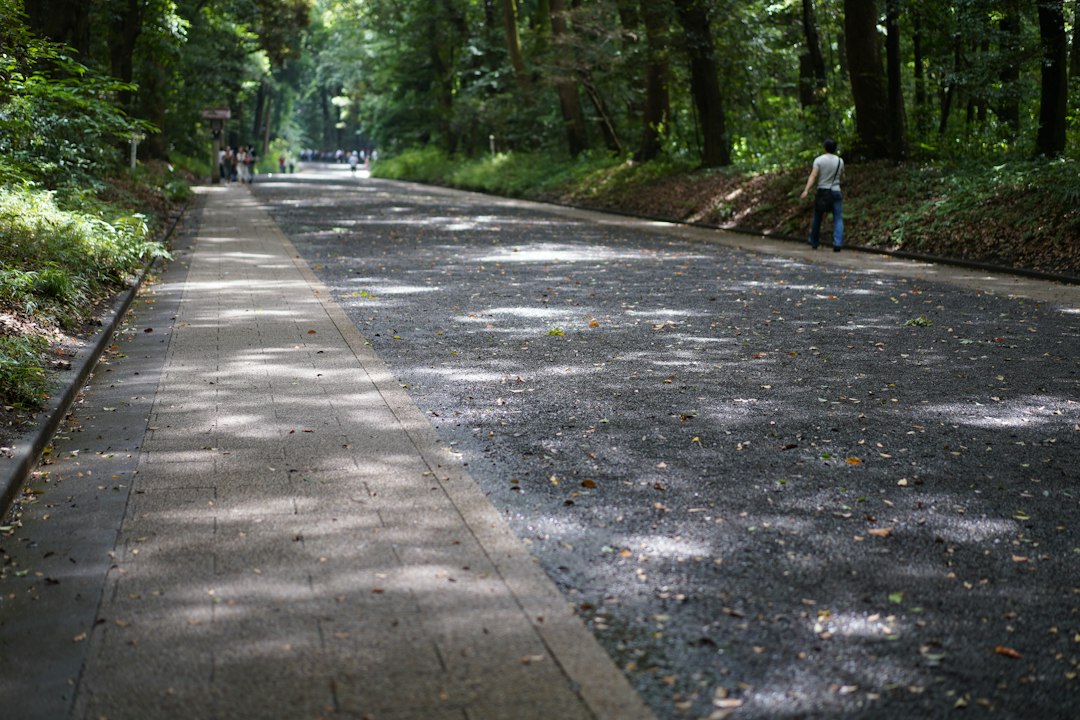
The relentless sun, a ubiquitous force shaping human civilization, has also posed a persistent challenge: heat. Across millennia and continents, ancient peoples, armed with ingenuity and an intimate understanding of their environments, developed sophisticated strategies to combat its oppressive embrace. Among these, the seemingly simple act of providing shade stands out as a fundamental, yet remarkably effective, natural cooling solution that permeated the design and fabric of ancient cities. Far from being a mere aesthetic afterthought, shade was a crucial element of urban planning, deeply intertwined with social, economic, and even spiritual life, influencing everything from architectural forms to the very rhythm of daily existence. This article will delve into the multifaceted role of shade in ancient urbanism, exploring its practical applications, the architectural innovations that facilitated it, its cultural significance, and its enduring legacy.
The necessity for shade was most acutely felt in the sun-drenched landscapes where many of the world’s earliest urban centers flourished. Regions characterized by high solar radiation and limited rainfall demanded solutions that minimized heat absorption and maximized the creation of cooler microclimates. The intense solar energy of these arid and semi-arid environments posed significant threats to human health and comfort, leading to dehydration, heatstroke, and reduced productivity. Beyond immediate physiological impacts, the constant struggle against heat also influenced the very feasibility of dense urban living.
The Physiological Impact of Solar Radiation
The human body is remarkably adept at regulating its temperature, but prolonged exposure to intense heat can overwhelm these natural mechanisms. Ancient urban dwellers, like their modern counterparts, were vulnerable to the adverse effects of direct sunlight. Elevated body temperatures could lead to fatigue, decreased cognitive function, and in extreme cases, life-threatening conditions. The need to escape this direct thermal load was a primary driver for the development of shade-providing strategies.
Combating Heatstroke and Dehydration
Heatstroke, a severe medical emergency, was a constant risk in environments without adequate shade. By providing a barrier against direct solar radiation, shade helped to maintain lower ambient temperatures, reducing the risk of overheating. Furthermore, shade offered respite from the evaporative cooling that occurs when the body sweats, thus conserving precious bodily fluids in water-scarce regions.
Enhancing Comfort and Productivity
Beyond preventing illness, shade was instrumental in enhancing overall comfort and enabling sustained activity. A shaded street or marketplace, even if still warm, was significantly more conducive to social interaction, trade, and craftsmanship than an exposed, sun-baked plaza. This improved comfort translated directly into greater productivity, allowing ancient cities to thrive.
Environmental Factors Driving Shade Strategies
The specific environmental conditions of a region played a pivotal role in shaping the approach to shade provision. Factors such as prevailing wind patterns, the intensity and angle of the sun throughout the year, and the availability of natural materials all influenced architectural design and urban planning.
Solar Angles and Seasonal Variations
The angle of the sun changes throughout the day and across seasons. Ancient builders, without the benefit of modern scientific instruments, possessed an intuitive understanding of these celestial movements. They oriented buildings and designed structures to maximize shade during the hottest parts of the day and year, often leveraging the lower angle of the sun in winter to allow for some passive solar heating while prioritizing protection from the high summer sun.
Prevailing Winds and Ventilation
While shade was paramount, ancient urban planners also recognized the importance of air circulation. In many hot climates, gentle breezes could significantly improve comfort by facilitating evaporative cooling. Shade structures were often designed to allow for natural ventilation, ensuring that air could flow through and around them, carrying away heat. This delicate balance between blocking direct sun and allowing for airflow was a hallmark of sophisticated ancient design.
In exploring the ways ancient cities adapted to their environments, one fascinating aspect is how shade played a crucial role in cooling urban areas. By utilizing trees, awnings, and architectural designs that maximized shade, these cities were able to create more comfortable living conditions despite the heat. This concept of using natural elements to regulate temperature can be seen in various cultures throughout history. For a contemporary perspective on how environmental factors continue to influence human settlements, you can read about the ongoing struggles in Sudan and how they relate to the broader context of urban planning and climate adaptation in this article: Sudan Conflict: A Continuing Struggle for Peace.
Architectural Manifestations of Shade: Form Follows Function
The provision of shade was not a singular architectural element but a pervasive design principle that informed the very morphology of ancient cities. From the scale of entire urban layouts to the intricate details of individual buildings, shade was woven into the urban fabric. This resulted in a diverse array of architectural solutions, each tailored to the specific context and needs of its inhabitants.
Urban Layout and Street Design
The macroscopic organization of ancient cities was a critical determinant of shade distribution. Narrow, winding streets, characteristic of many ancient settlements, naturally created self-shading environments. The tall buildings lining these thoroughfares would cast long shadows, effectively shielding pedestrians and ground-level activities from direct sun for significant portions of the day.
The Power of Narrow Thoroughfares
The dense urbanism of cities like ancient Rome, Athens, or the Mesopotamian metropolises often featured streets no wider than a few meters. This spatial constraint maximized the surface area of walls that could cast shadows onto the opposing side, creating a cool, sheltered pedestrian realm. The lack of wide, open avenues, common in modern cities, was a deliberate strategy to combat heat.
Courtyards and Inner Sanctuaries
In contrast to the public thoroughfares, the private spaces within ancient homes and public buildings often revolved around courtyards. These enclosed or semi-enclosed spaces provided a buffered environment, shielded from the harsh external elements. Vegetation, water features, and shaded colonnades within courtyards further enhanced their cooling effect, transforming them into oases of respite.
Building Design and Materiality
Individual buildings were also meticulously designed to maximize shade. The orientation of openings, the depth of eaves, the use of verandas, and the selection of building materials all contributed to a cooler interior environment. The very thickness of walls in many ancient structures provided thermal mass, absorbing heat during the day and releasing it slowly at night.
Deep Eaves and Overhanging Structures
Perhaps the most straightforward yet effective shade device was the extended eave. By projecting outwards from the roofline, eaves cast a shadow onto the walls and windows below, preventing direct sunlight from entering the building and heating the interior. The depth of these eaves was often calibrated to the typical solar angles of the region.
Colonnades and Porticoes
The elegant colonnades and porticoes found in many ancient public buildings and homes served a dual purpose. Structurally, they provided support for upper levels or roofs. Aesthetically, they created a shaded transition zone between the interior and the exterior, offering a cool and inviting space for circulation and social gathering. The play of light and shadow created by these architectural elements was not only functional but also contributed to the visual richness of the urban environment.
Material Choices for Thermal Regulation
The selection of building materials was also crucial. Light-colored materials, such as whitewashed plaster, reflect more solar radiation than dark materials, helping to keep surfaces cooler. Stone and adobe, common in many ancient arid regions, possess significant thermal mass, which can help to moderate interior temperatures. The careful use of these materials, combined with other shade-providing features, created buildings that were inherently more resistant to heat gain.
In exploring how shade played a crucial role in cooling ancient cities, one can draw parallels to modern urban planning strategies that prioritize green spaces and shaded areas. The importance of these elements in creating comfortable living environments is highlighted in a related article that discusses the challenges and opportunities of navigating post-colonial borders. By examining how historical practices can inform contemporary solutions, we can better understand the significance of shade in urban design. For more insights, you can read the article here.
Vegetation as a Natural Shading Element
Beyond built structures, ancient urban landscapes also incorporated vegetation as a vital element of their natural cooling strategies. Trees, gardens, and even strategically placed vines provided shade, introduced cooling through evapotranspiration, and contributed to a more pleasant and biodiverse urban environment.
Urban Groves and Public Gardens
While not as prevalent as in some later periods, evidence suggests that some ancient cities featured public gardens and tree-lined avenues. These green spaces offered welcome shade and improved air quality. The presence of water features within these gardens, such as fountains and pools, further enhanced their cooling capacity through evaporation.
Vines and Green Walls
The cultivation of climbing plants and vines on the facades of buildings offered a living shade solution. These plants could significantly reduce the amount of solar radiation reaching the building walls, thereby lowering interior temperatures. This approach also added a layer of aesthetic beauty and ecological benefit to the urban environment.
The Social and Cultural Significance of Shade

The provision of shade was not merely a matter of practical necessity; it was deeply embedded in the social and cultural fabric of ancient cities. The availability and location of shaded areas influenced social interactions, dictated the rhythm of daily life, and even held symbolic or spiritual significance.
Public Spaces and Social Gathering
Shaded plazas, porticoes, and colonnades served as vital public spaces where citizens could congregate, conduct business, and engage in social and political life. These areas were the heartbeats of ancient cities, fostering community and facilitating the exchange of ideas and goods. The comfort offered by shade made these spaces accessible and enjoyable for extended periods.
The Marketplace as a Shaded Hub
The marketplace, the economic engine of any ancient city, was invariably designed with shade in mind. Stalls were often covered, and the surrounding architecture provided protection from the sun. This allowed merchants and shoppers to conduct their transactions comfortably, even during the hottest hours of the day, ensuring the continued vibrancy of urban commerce.
The Agora and the Forum
The public squares, such as the Greek agora or the Roman forum, were central to civic life. While often vast open spaces, they were typically surrounded by porticoes, temples, and other buildings that cast shadows, making them viable for assembly, debate, and public pronouncements. The shaded areas within these forums provided crucial respite for citizens engaged in public discourse.
The Rhythm of Daily Life and Siestas
The intense heat of midday in many ancient urban environments naturally led to a diurnal rhythm characterized by activity in the cooler morning and evening hours, with a period of rest or reduced activity during the hottest part of the day. This informal “siesta” was not a sign of idleness but a pragmatic adaptation to environmental conditions, enabled by the availability of shaded interiors and courtyards.
Morning and Evening Bustle
The periods of dawn and dusk often saw the greatest activity in ancient cities. People would emerge from their shaded dwellings to engage in commerce, fieldwork, or social calls. As the sun climbed higher, activity would shift to shaded interiors or to the cooler hours of the evening.
Midday Respite and Indoor Life
The intense midday sun would drive people indoors, to the cooler confines of their homes, workshops, or public buildings with shaded courtyards. This period allowed for rest, domestic chores, or quieter forms of craft production, conserving energy and avoiding the dangers of excessive heat exposure.
Symbolic and Spiritual Meanings of Shade
In some ancient cultures, shade also carried symbolic or spiritual weight. It could represent protection, divine favor, or a sacred space. The act of providing shade could be seen as an act of benevolence or stewardship, reflecting a deep respect for the well-being of the community.
Divine Protection and Sacred Spaces
In certain traditions, shade could be associated with divine protection or a sacred presence. Temples and religious sites were often designed with shaded courtyards or porticoes, creating a tranquil and reverent atmosphere conducive to contemplation and worship, shielded from the harsh realities of the outside world.
The Metaphor of Shade in Philosophy and Religion
The concept of shade as a metaphor for protection, respite, and divine blessing can be found in various ancient philosophical and religious texts, underscoring its deep cultural resonance beyond its practical function.
Enduring Legacy and Modern Relevance

While modern technology offers a plethora of active cooling solutions, the principles of passive cooling through shade remain as relevant today as they were in antiquity. The study of ancient shade strategies offers valuable insights for contemporary urban planning and architectural design, promoting sustainability and enhancing the livability of our cities.
Lessons for Sustainable Urban Design
The emphasis on passive cooling through shade aligns perfectly with contemporary goals of sustainability and energy efficiency. By incorporating design elements that harness natural shading, cities can reduce their reliance on energy-intensive air conditioning, thereby lowering carbon emissions and operational costs.
Bioclimatic Architecture Today
Modern architects are increasingly drawing inspiration from ancient bioclimatic design principles. The creation of self-shading facades, the integration of green infrastructure, and the thoughtful design of public spaces are all echoes of the sophisticated shade strategies employed by our ancestors.
The Importance of Public Realm Comfort
Creating comfortable and inviting public spaces is crucial for fostering vibrant urban communities. By prioritizing shade in the design of streets, plazas, and parks, cities can encourage greater pedestrian activity, social interaction, and a stronger sense of place, echoing the functionality of ancient shaded gathering spaces.
The Future of Shade: Integration and Innovation
The future of shade in urban environments lies in the intelligent integration of natural and built solutions. This includes the strategic planting of trees, the development of innovative shading materials, and the intelligent design of buildings and urban layouts that prioritize passive cooling.
Green Infrastructure as a Modern Shade Solution
The widespread adoption of green roofs, vertical gardens, and urban forests represents a modern interpretation of ancient shade strategies. These green infrastructure solutions not only provide shade but also offer a host of other environmental benefits, such as improving air quality, managing stormwater, and enhancing biodiversity.
Smart Shading Technologies
Beyond passive measures, emerging “smart” shading technologies are also being developed. These can include responsive facades that adjust their shading properties based on solar intensity, or intelligent systems that deploy awnings and screens automatically. However, the fundamental principles remain the same: to deflect the sun’s rays and create cooler, more comfortable environments.
In conclusion, the ancient cities, through their inherent understanding of environmental factors and their masterful architectural adaptations, demonstrate that shade was far more than just a simple architectural element; it was a fundamental pillar of urban living. It was a crucial tool for survival in harsh climates, a catalyst for social cohesion, and a silent testament to human ingenuity. As we navigate the challenges of a warming planet, the lessons learned from these ancient urban environments offer a compelling and sustainable blueprint for creating cooler, more livable, and more resilient cities for generations to come. The humble act of providing shade, elevated to an art form by our ancestors, continues to hold immense relevance in shaping the future of our urban landscapes.

How Ancient Cities Stayed Cool Without Air Conditioning
FAQs
1. How did shade help cool ancient cities?
Shade in ancient cities helped to reduce the amount of direct sunlight and heat absorbed by buildings and streets, thus lowering overall temperatures.
2. What materials were commonly used to create shade in ancient cities?
Materials such as clay, mud bricks, thatch, and palm leaves were commonly used to create shade in ancient cities.
3. Did shade play a role in the design of ancient city layouts?
Yes, shade played a significant role in the design of ancient city layouts, with buildings and streets strategically positioned to maximize shade during the hottest parts of the day.
4. How did shade contribute to the overall comfort of residents in ancient cities?
Shade provided relief from the intense heat, making it more comfortable for residents to go about their daily activities and reducing the risk of heat-related illnesses.
5. Are there any modern-day applications of shade-cooled ancient cities?
Yes, the concept of using shade to cool urban environments is still relevant today, with cities implementing strategies such as planting trees, creating green spaces, and using reflective materials to reduce heat absorption and improve overall comfort.