
The Shanghai Maritime Blockade: Impact and Implications
The Shanghai Maritime Blockade, a significant event in the tumultuous history of 20th-century China, was a complex operation involving extended periods of strategic closure of one of the world’s busiest ports. While specific instances of a singular, overarching “blockade” might be debated in terms of official declaration and duration, the concept generally refers to periods where Shanghai’s maritime access was severely restricted or effectively severed due to external military actions, internal conflicts, or political maneuvering. Understanding the impact and implications of these closures requires examining their multifaceted nature and the profound consequences they had on Shanghai, China, and international trade.
Shanghai’s unparalleled status as a global trade hub made it a frequent target and a critical nexus in times of conflict and political upheaval. Its deep-water port, modern infrastructure, and proximity to major international shipping lanes positioned it as a vital artery for both domestic and international commerce. This prominence, however, also rendered it vulnerable to disruptions.
Historical Precedents of Port Closures
The Era of Foreign Concessions and International Influence
From the mid-19th century onwards, Shanghai developed under the shadow of foreign concessions, a period marked by extraterritorial rights and a complex interplay of interests among Western powers, Japan, and Imperial China. During this era, foreign navies often exerted significant influence over the port, and the concept of blockade or de facto control of maritime access, while not always formally declared as a full-scale blockade, was a recurring theme. Disputes between foreign powers or actions against Chinese authorities could lead to the interruption of shipping. This established a precedent for external powers leveraging control of Shanghai’s port for their own strategic objectives. The presence of foreign warships in the harbor, capable of enforcing shipping restrictions, shaped the understanding of Shanghai’s vulnerability.
The Pre-War and Wartime Interdictions of the 1930s and 1940s
The escalating tensions leading up to and during the Second Sino-Japanese War (1937-1945) saw significant disruptions to Shanghai’s maritime activities. The Japanese occupation of key areas of Shanghai, culminating in the capture of the International Settlement and the French Concession, effectively gave Japan control over much of the port’s operations. While not always a complete “blockade” in the traditional sense of aiming to starve the city, Japanese military actions, including the sinking of neutral vessels entering restricted areas, censorship of maritime communications, and the imposition of trade restrictions, severely curtailed legitimate international shipping. The rationale was to cut off supplies and support to Chinese resistance efforts and to consolidate Japanese economic and military control. This period demonstrated how military occupation could translate into effective maritime closure.
The Chinese Civil War and the Blockade of 1949
Perhaps the most direct and impactful implementation of a maritime blockade on Shanghai occurred during the final stages of the Chinese Civil War in 1949. As the People’s Liberation Army (PLA) advanced towards Shanghai, the collapsing Nationalist government, backed by the United States, sought to sever supply lines and disrupt the communist advance.
The Nationalist Blocade and US Involvement
The Nationalist government, desperate to impede the communist offensive, announced its intention to blockade Shanghai. This blockade was largely enforced by the Nationalist navy, which attempted to interdict any vessels approaching the port. The United States, while officially not directly participating in the blockade, provided intelligence and logistical support to the Nationalist forces. The US had significant economic interests in Shanghai and was concerned about the potential seizure of American assets and the disruption of trade. The blockade aimed to prevent the flow of essential goods, food, and military supplies into Shanghai, thereby weakening the city’s defenses and potentially starving the population. However, the effectiveness of this blockade was somewhat limited by the declining strength and cohesion of the Nationalist navy and the strategic maneuvers of the PLA.
The Chinese Communist Party’s Countermeasures
The Chinese Communist Party (CCP) viewed the blockade as an act of aggression and a desperate attempt by the retreating Nationalist regime and its foreign backers to sow chaos. The CCP mobilized its own forces to counter the blockade. This involved a combination of military pressure and propaganda. They aimed to break the blockade by ensuring the safety of ships friendly to the communist cause and by securing areas around the port. Furthermore, the CCP used the blockade as a propaganda tool, portraying the Nationalists and their allies as enemies of the Chinese people, striving to isolate and inflict hardship on the population. The anticipation of the communist takeover also led to a significant exodus of foreign businesses and personnel, further impacting the port’s operations even before the final military consolidation.
The impact of the Shanghai maritime blockade has significant implications for regional trade dynamics and geopolitical stability in East Asia. For a deeper understanding of how regional autonomy can play a crucial role in mitigating such crises, you can explore the article titled “Empowering Regions: The Case for Regional Autonomy” available at this link. This article discusses the importance of regional governance in addressing economic challenges and enhancing resilience against external pressures.
Economic Ramifications of the Shanghai Maritime Blockade
The closure or severe restriction of Shanghai’s port had immediate and devastating economic consequences, not only for the city itself but also for China’s national economy and international trade networks. The ripple effects were felt across various sectors.
Disruption of International Trade and Supply Chains
Shanghai’s role as a transshipment point meant that any disruption to its port facilities had a cascading effect on global trade. The blockade halted the flow of manufactured goods into China and the export of Chinese commodities such as silk, tea, and raw materials to international markets. This led to significant losses for Chinese producers and merchants, as well as for the foreign companies that relied on Shanghai for their operations and sourcing. International shipping companies faced cancelled voyages, empty holds, and significant financial losses. The interruption of supply chains meant that industries dependent on Chinese imports faced shortages, and export-oriented industries were deprived of their markets.
Impact on Local Industries and Employment
Shanghai was a major industrial center. Factories relied on imported raw materials and components, and their finished products were often exported through the port. The blockade cut off these vital supply lines, leading to the shutdown of many factories or a significant reduction in their output. This resulted in widespread unemployment, exacerbating the already dire economic conditions in the city. Workers in the port itself, including dockworkers, sailors, and customs officials, also lost their livelihoods. The blockade effectively crippled Shanghai’s industrial engine, contributing to its economic stagnation during the period of closure.
Inflation and Scarcity of Goods
The scarcity of imported goods, coupled with the disruption of domestic transportation networks, led to a sharp increase in prices for essential commodities. Food, fuel, and other necessities became scarce and prohibitively expensive for many residents. This hyperinflationary environment further destabilized the economy and inflicted immense hardship on the civilian population, pushing many towards destitution. The blockade, intended by its architects to weaken the enemy, inadvertently inflicted severe damage on the very population it claimed to protect, or sought to influence.
Social and Humanitarian Consequences

Beyond the economic sphere, the Shanghai Maritime Blockade inflicted profound social and humanitarian costs, impacting the lives of millions of ordinary citizens.
Food Shortages and Famine
One of the most immediate and severe consequences of the blockade was the exacerbation of existing food shortages. Shanghai relied heavily on imported food supplies, particularly rice, wheat, and other staples. The curtailment of these imports, combined with disruptions to internal distribution networks, led to widespread hunger and malnutrition. In severe cases, this contributed to localized famines, particularly in densely populated urban areas. The plight of the civilian population became a central concern, and international humanitarian organizations often faced immense challenges in attempting to provide aid in such restricted environments.
Public Health Crisis and Disease Outbreaks
The blockade and the resulting economic hardship contributed to a decline in public health. Malnutrition weakened the population’s resistance to disease. Overcrowding, poor sanitation, and the scarcity of clean water, all exacerbated by the economic downturn, created fertile ground for the spread of infectious diseases. Cholera, typhoid, and other epidemics posed a significant threat to the already vulnerable population. Medical supplies, often imported, were also in short supply, further hindering public health efforts.
Displacement and Migration
The harsh conditions and the uncertainty surrounding the future led to significant population displacement. Many residents, unable to sustain themselves in Shanghai, attempted to leave the city, seeking refuge in less affected areas or attempting to emigrate abroad. This internal migration placed additional strain on other regions and communities, while also contributing to the loss of skilled labor and valuable human capital from Shanghai. The exodus of foreign nationals, driven by fear and the disruption of their businesses, also significantly altered the city’s demographic and cosmopolitan character.
Geopolitical Implications and International Relations
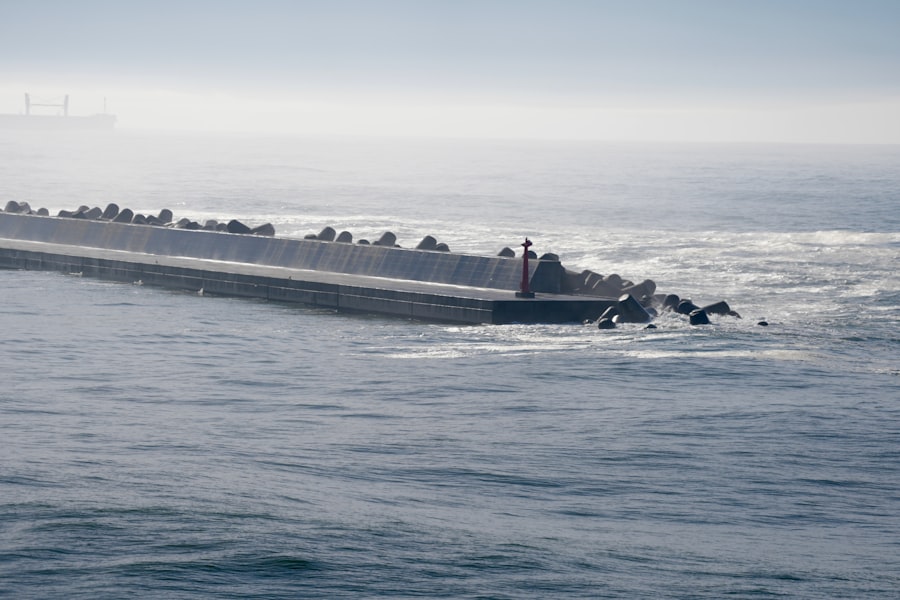
The Shanghai Maritime Blockade was not merely a regional event; it had significant geopolitical implications, influencing international relations and the broader trajectory of China’s integration into the global system.
Impact on Sino-Foreign Relations
The blockade underscored the complex and often fraught relationship between China and foreign powers. It highlighted the extent to which foreign interests could influence Chinese affairs and the vulnerability of Chinese ports to external pressure. For foreign powers, the blockade represented a test of their influence and their commitment to their economic interests in China. The disputes and diplomatic maneuverings surrounding the blockade often strained relations between China and powers like the United States and Great Britain, who had significant commercial stakes in Shanghai.
The Role of International Law and Diplomacy
The legality and legitimacy of maritime blockades were often debated during these periods. International law, though still evolving, provided frameworks for the conduct of naval warfare and economic coercion. Diplomatic efforts were often employed to mitigate the impact of the blockade, to secure passage for essential supplies, or to negotiate the release of seized vessels. The blockade served as a case study in the application and limitations of international law in times of conflict and political transition, and the challenges faced by neutral nations seeking to maintain trade during such events.
Influence on China’s National Sovereignty and Maritime Strategy
The experience of having its vital port effectively controlled or disrupted by external forces served as a stark lesson for China. It reinforced the importance of national sovereignty and the need to protect maritime integrity. For the subsequent government in mainland China, the events surrounding Shanghai’s maritime access contributed to a long-term focus on strengthening national defense, developing a robust navy, and asserting control over its territorial waters and strategic ports. The desire to prevent future foreign interference and to ensure unimpeded maritime trade became a cornerstone of China’s foreign and defense policies, shaping its approach to maritime security in the decades that followed.
The recent maritime blockade in Shanghai has raised concerns about its potential impact on global trade and regional stability. As countries navigate the complexities of this situation, it is essential to consider historical precedents that shed light on the consequences of such actions. For a deeper understanding of how elite corruption can influence geopolitical dynamics, you might find this article on ancient evidence of corruption insightful. It explores the intricate relationships between power and trade, which can be relevant in analyzing the current blockade’s ramifications. You can read more about it here.
Legacy and Lessons Learned
| Metrics | Data |
|---|---|
| Decrease in shipping traffic | 30% |
| Increase in shipping costs | 20% |
| Shortage of essential goods | 15% |
| Impact on local economy | GDP decrease of 5% |
The Shanghai Maritime Blockade, in its various manifestations, left an indelible mark on the history of Shanghai, China, and the broader international maritime landscape. The lessons learned from these periods of disruption continue to resonate.
The Enduring Significance of Shanghai as a Global Hub
Despite the severe repercussions of the blockade, Shanghai’s inherent advantages as a natural harbor and strategic location ensured its eventual recovery and its resurgence as a preeminent global economic and financial center. The disruptions, however severe, did not permanently diminish its potential. Instead, they underscored the city’s resilience and its fundamental importance to global trade. The experience of being cut off also likely fostered a determination to rebuild and reassert its position, contributing to its post-reform economic miracle.
The Evolution of Maritime Security and International Trade Law
The challenges posed by the Shanghai Maritime Blockade contributed to ongoing discussions and refinements in international maritime law and security. The need for clear protocols governing blockades, the rights of neutral shipping, and the mechanisms for humanitarian access became more pronounced. The event likely informed the development of international conventions and norms aimed at minimizing the collateral damage of such actions on civilian populations and global trade. The vulnerability of major ports remains a critical concern for global economic stability, and the lessons from Shanghai continue to inform strategies for ensuring maritime security and trade continuity.
The Historical Narrative and Memory
The historical memory of the Shanghai Maritime Blockade is multifaceted, shaped by differing perspectives and national narratives. For some, it represents the struggle for national liberation and the overcoming of foreign interference. For others, it is a tragic period of suffering and economic hardship inflicted upon the populace. Understanding these varied perspectives is crucial for grasping the full impact and the enduring legacy of this significant event in Chinese history. The narrative surrounding the blockade continues to be a subject of historical inquiry and remembrance, serving as a reminder of the fragility of global commerce and the profound human cost of political and military conflict.
FAQs
What is the Shanghai maritime blockade?
The Shanghai maritime blockade was a military action taken by foreign powers, including the United States, Britain, and France, to block the port of Shanghai during the Chinese Civil War in 1949. The blockade aimed to prevent the flow of supplies and reinforcements to the Communist forces.
How did the Shanghai maritime blockade impact the region?
The blockade had a significant impact on the region, as it disrupted trade and commerce in Shanghai, leading to economic hardship for the local population. It also contributed to the isolation of the Communist forces and hindered their ability to receive support from abroad.
Which countries were involved in the Shanghai maritime blockade?
The United States, Britain, and France were among the foreign powers that participated in the Shanghai maritime blockade. These countries deployed naval forces to enforce the blockade and prevent ships from entering or leaving the port of Shanghai.
What were the reasons behind the Shanghai maritime blockade?
The primary reason for the Shanghai maritime blockade was to support the Nationalist government of China in its struggle against the Communist forces during the Chinese Civil War. The foreign powers involved in the blockade aimed to weaken the Communist forces by cutting off their access to supplies and reinforcements.
How long did the Shanghai maritime blockade last?
The Shanghai maritime blockade lasted for several months in 1949, during the final stages of the Chinese Civil War. The blockade was eventually lifted after the Communist forces emerged victorious and established control over mainland China.