Sharks in the Sahara: How Did They Get There?
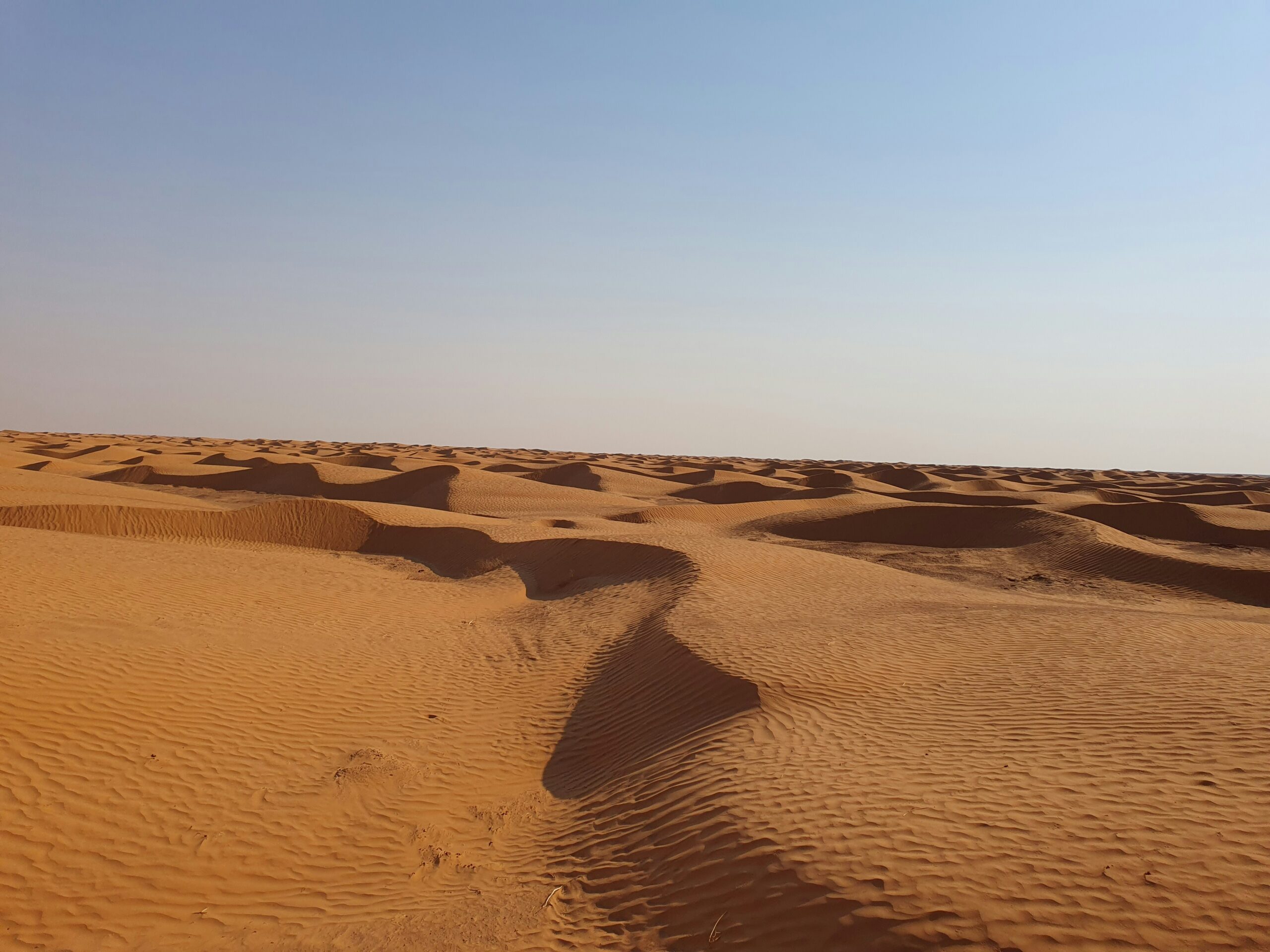
The stark, undulating sands of the Sahara Desert evoke images of endless, parched emptiness, a landscape seemingly inimical to any form of aquatic life, let alone the apex predators of the ocean: sharks. Yet, whispers and legends persist, tales of colossal cartilaginous fish somehow finding themselves stranded in this vast, arid expanse. These stories, often dismissed as fanciful exaggerations or misinterpretations, possess a kernel of truth that, when painstakingly pieced together by intrepid paleontologists and geologists, paints a surprisingly plausible, albeit ancient, picture of how sharks could indeed have roamed what is now the Sahara. The answer lies not in some miraculous modern-day oceanic incursion, but in the dramatic geological and climatic shifts that have reshaped our planet over millions of years.
The Sahara Desert as it exists today is a relatively recent geological phenomenon. For vast swathes of its history, this region was far from the desiccated wasteland we know. Instead, it was often submerged beneath ancient oceans or crisscrossed by extensive river systems, creating environments teeming with life, including marine creatures. Understanding this submerged past is the crucial first step in unraveling the mystery of sharks in the Sahara.
The Tethys Sea: A Prehistoric Ocean’s Embrace
Perhaps the most significant factor in the Saharan presence of ancient sharks was the existence of the Tethys Sea. This immense, ancient ocean stretched across the globe, occupying a vast equatorial belt and separating the supercontinents of Laurasia to the north and Gondwana to the south. Much of what is now North Africa, including large portions of the Sahara, lay within the embrace of this prehistoric sea.
The Tethys Sea’s Geographical Extent and Duration
The Tethys Sea was not a fleeting body of water; it existed for hundreds of millions of years, from the Permian period (around 250 million years ago) through to the early Cenozoic era (around 34 million years ago). Its vastness meant that its marine inhabitants were diverse and widespread. Evidence of its former presence is abundant, found in the fossilized remains of marine organisms embedded in sedimentary rocks across North Africa, the Middle East, and parts of Southern Europe and Asia. These formations, often rich in limestone, bear testament to the slow accumulation of marine sediment over eons.
Marine Biodiversity within the Tethys Sea
The Tethys Sea was a vibrant ecosystem, supporting a rich array of marine life. This included not only fish, invertebrates like ammonites and belemnites, but also, crucially, sharks. Sharks, in their diverse forms, had already evolved by the Devonian period, predating the Tethys Sea’s peak extent. They thrived in its various ecological niches, from the shallows to the deeper waters, preying on the abundant fish and other marine creatures that populated its waters.
Continental Drift and Shifting Seas
The Earth’s surface is not static. The immense tectonic plates that form the continents are constantly moving, a process known as continental drift. This slow, inexorable movement has dramatically altered the geography of our planet over geological time, and the Sahara’s history is intrinsically linked to these shifts.
Plate Tectonics and the Formation of North Africa
During the Mesozoic and early Cenozoic eras, the African tectonic plate was in a different position relative to other continents. This positioning allowed the Tethys Sea to cover vast areas that are now arid land. As the plates continued to move, particularly during the breakup of Gondwana and the subsequent collision of the African and Eurasian plates, the Tethys Sea began to recede. This retreat was not a uniform event, but rather a complex process of infilling, evaporation, and uplift.
The Gradual Retreat of the Oceans
The recession of the Tethys Sea from what is now the Sahara was a long and drawn-out process. As landmasses rose and basins filled with sediment, the oceanic waters gradually retreated. This left behind extensive marine deposits, often forming thick layers of sedimentary rock that now characterize the Saharan landscape. These ancient seabeds, rich in the fossils of their former inhabitants, are the primary source of evidence for sharks in this region.
The fascinating journey of how sharks ended up in the Sahara Desert is a testament to the power of environmental changes over millions of years. As the Earth’s climate shifted, what was once a vibrant oceanic habitat transformed into the arid landscape we see today. This remarkable transformation highlights the broader implications of environmental migration, which can significantly impact both wildlife and human communities. For a deeper understanding of these dynamics, you can read more about the effects of environmental migration in the article found here: Understanding the Impact on Communities.
Fossil Evidence: The Silent Witnesses
The most compelling argument for sharks in the Sahara comes from the tangible evidence left behind: fossils. Paleontologists have unearthed a remarkable collection of shark remains, scattered across the desert, providing irrefutable proof of their ancient presence. These discoveries are not the result of chance encounters with the occasional stranded modern shark, but rather the fossilized remnants of long-extinct species that inhabited the prehistoric oceans covering the land.
Shark Teeth: The Most Common Discoveries
Among the most frequently found shark fossils in the Sahara are teeth. Shark teeth are exceptionally durable and are often the best-preserved parts of their skeletons, which are made of cartilage rather than bone. Their serrated edges, diverse shapes, and robust enamel are readily identifiable and provide valuable clues about the species of shark that produced them.
Identification of Saharan Shark Species
Through meticulous study of these fossilized teeth, paleontologists have identified a surprising array of shark species that once swam in the waters that covered the Sahara. These include:
- Squalicorax falcatus: A formidable Cretaceous shark known for its serrated, sickle-shaped teeth, indicating a predatory lifestyle. Its presence suggests a robust marine ecosystem.
- Carcharias spp. (Sand Tiger Sharks): Fossilized teeth of these fearsome predators have been found, hinting at their ability to hunt in both coastal and offshore waters.
- Odontaspis spp. (Ragged-Tooth Sharks): Similar to sand tiger sharks, their presence indicates a marine environment with sufficient prey.
- Hybodonts: An ancient group of sharks that flourished during the Mesozoic era, their distinctive teeth are also found in Saharan fossil sites, representing a lineage long extinct in modern oceans.
- Mackerel Sharks (Lamniformes): Fossils of teeth from sharks closely related to modern great whites and makos have also been unearthed, suggesting the presence of powerful pelagic predators.
These identifications are not merely speculative; they are based on the same comparative anatomy and morphology used to classify modern sharks, allowing for a detailed understanding of the ancient Saharan marine fauna.
Stratigraphy and Dating of Fossil Sites
The geological context of these fossil finds is crucial. The layers of rock in which the shark fossils are found (the stratigraphy) allow scientists to determine the age of the fossils. Different rock formations correspond to different geological periods, from the Cretaceous period (around 145 to 66 million years ago) to the Eocene epoch (around 56 to 34 million years ago). This dating confirms that the sharks inhabited the region when it was submerged, not during its current desert phase.
Beyond Teeth: Other Fossil Remains
While teeth are the most common, other shark fossil remains have also been discovered, albeit less frequently. These provide further insights into the anatomy and biology of these ancient Saharan inhabitants.
Vertebrae and Cartilaginous Elements
Shark skeletons are composed of cartilage, which is less prone to fossilization than bone. However, in certain conditions, fossilized vertebrae and other cartilaginous elements can be preserved. These discoveries help paleontologists reconstruct the overall size and structure of these ancient sharks, offering a more complete picture than teeth alone.
Preservation in Ancient Marine Sediments
The remarkably good preservation of these fossils is due to the depositional environments. When sharks died in the ancient Tethys Sea, their bodies would sink to the seafloor. If they landed in areas with fine sediments, such as mud or silt, and were buried quickly before decomposition or scavenging could occur, they had a higher chance of fossilization. The subsequent geological processes, like lithification (the hardening of sediment into rock), preserved these remains for millions of years.
Transforming Landscapes: From Ocean to Desert

The transition of the Sahara from a marine environment to a hyper-arid desert is a testament to the Earth’s dynamic geological and climatic systems. This dramatic transformation is the reason why the sharks are no longer there, but their fossils remain as a record of what once was.
The Role of Climate Change and Aridification
Over millions of years, global climate patterns have fluctuated significantly. As the Earth’s climate shifted, vast areas that were once lush and wet became progressively drier. This aridification process, coupled with changes in atmospheric circulation patterns, led to the eventual desiccation of the Saharan region.
Shifts in Atmospheric Circulation
Changes in the Earth’s tilt and orbit, along with the configuration of continents, influence global atmospheric circulation patterns. These shifts can lead to the establishment of persistent high-pressure systems, like the one that currently dominates the Sahara, suppressing rainfall and promoting arid conditions.
Evaporation and Water Loss
As the climate became drier, the vast bodies of water that once covered the Sahara began to evaporate. Rivers that fed into these ancient seas diminished or disappeared, and the oceans themselves retreated. This process of desiccation gradually transformed the once-thriving marine ecosystems into the arid landscapes we see today.
Geological Uplift and Basin Formation
Beyond climate, geological forces also played a significant role in shaping the Saharan landscape and contributing to the disappearance of its marine inhabitants.
Uplift of the African Continent
Tectonic activity, including the collision of tectonic plates, can lead to the uplift of landmasses. As the African continent experienced such uplift, areas that were once below sea level were gradually raised, further contributing to the retreat of the Tethys Sea. This uplift also created basins that would eventually fill with terrestrial sediment.
Sedimentation and the Infilling of Basins
As the seas receded, rivers began to deposit sediment into the newly formed basins. Over millions of years, these sediments accumulated, burying the marine fossil record and forming the sedimentary rock layers that characterize much of the Sahara. This infilling process effectively sealed away the ancient marine environments, leaving behind a vast, dry expanse.
The Scientific Detective Work

Uncovering the story of sharks in the Sahara is a complex scientific endeavor that requires the collaboration of multiple disciplines. Paleontologists, geologists, and climatologists work together to interpret the clues left behind by the Earth’s history.
Field Research and Excavation
The initial step in understanding this phenomenon is through extensive fieldwork. Scientists meticulously survey vast areas of the Sahara, searching for geological formations that are likely to contain fossils. This involves identifying ancient seabeds, sedimentary rock outcrops, and areas known for their fossiliferous potential.
Identifying Fossil-Bearing Strata
Geologists play a crucial role in identifying the specific rock layers that correspond to the periods when the Sahara was submerged. They analyze the composition and structure of the rocks to determine their origin and age. This allows paleontologists to focus their searches on the most promising areas.
The Challenges of Saharan Excavation
Excavating fossils in the Sahara presents unique challenges. The extreme heat, vast distances, and often harsh terrain require specialized equipment and considerable logistical planning. Dust storms can also obscure findings, and the sheer scale of the desert makes comprehensive surveying a monumental task.
Laboratory Analysis and Interpretation
Once fossils are collected, they are brought back to laboratories for detailed analysis. This is where the true detective work begins, piecing together the fragments of ancient life.
Comparative Anatomy and Taxonomy
Paleontologists compare the fossilized shark teeth and other remains to those of known modern and extinct shark species. This comparative anatomy allows them to identify the exact species, understand their dietary habits, and infer their place in the ancient food web.
Geochemical Analysis of Sediments
Geochemical analysis of the surrounding sediments can provide further clues about the ancient environment. This includes analyzing the isotopic composition of the rocks to understand water salinity, temperature, and the overall marine conditions.
Reconstructing Ancient Ecosystems
By combining the evidence from fossils, geological formations, and geochemical analysis, scientists can begin to reconstruct the ancient ecosystems that once thrived in the Saharan region. This involves understanding the relationships between different species, the types of habitats present, and the overall environmental conditions.
The Role of Ancient River Systems
While the Tethys Sea was the primary driver of marine life in the region, ancient river systems also played a role. These rivers would have fed into the sea, bringing nutrients and influencing coastal environments. They may have also provided habitats for certain species or acted as migratory routes.
Interplay of Marine and Terrestrial Influences
The boundary between marine and terrestrial environments was likely dynamic. Fossil evidence might also reveal the presence of creatures that could tolerate brackish water or had adaptations for periods of lower salinity, indicating an interplay between these different environments.
The fascinating journey of how sharks ended up in the Sahara is intricately tied to the region’s ancient geological history and climatic changes. As the Sahara transformed from a lush, water-rich environment to the arid desert we know today, marine life, including sharks, found themselves stranded in isolated pockets of water. For a deeper understanding of how ancient civilizations harnessed natural phenomena, you might find this article on Archimedes’ death ray intriguing, as it explores the innovative ways in which ancient thinkers interacted with their environments. You can read more about it here.
Lessons from the Sands
| Location | Shark Species | Possible Explanations |
|---|---|---|
| Western Sahara | Whitetip shark, hammerhead shark | Unusual ocean currents, migration, climate change |
| Eastern Sahara | Blacktip shark, bull shark | Historical connections to ancient seas, geological changes |
The story of sharks in the Sahara is more than just a fascinating anecdote; it offers profound lessons about the Earth’s ever-changing nature and the power of scientific inquiry. It underscores the fact that landscapes are not static entities but are constantly reshaped by geological forces and climatic shifts.
A Testament to Earth’s Dynamic History
The existence of shark fossils in the Sahara is a powerful reminder that the Earth has a long and complex history. What appears to be a barren desert today was once a vibrant marine environment. This narrative highlights the impermanence of surface features and the profound transformations our planet has undergone and will continue to undergo.
Understanding Past Climates and Extinctions
The study of Saharan shark fossils contributes to our broader understanding of past climates and the patterns of extinction. By examining the types of sharks present and the conditions under which they lived, scientists can gain insights into how ancient ecosystems responded to environmental changes, providing valuable context for understanding current climate change and its potential consequences.
The Resilience and Adaptability of Life
The presence of sharks, often seen as symbols of the ocean’s power, in an environment that ultimately led to their demise, speaks to the incredible resilience and adaptability of life. While these specific species eventually vanished from the region, the underlying evolutionary processes that led to their existence and their eventual disappearance are part of a continuous, dynamic story of life on Earth.
The Ongoing Pursuit of Knowledge
The quest to understand how sharks ended up in the Sahara is an ongoing scientific endeavor. New discoveries are constantly being made, refining our understanding and uncovering even more details about this ancient chapter of Earth’s history.
Future Discoveries and Refined Theories
As exploration continues and analytical techniques advance, it is likely that more fossil sites will be discovered, and existing ones will yield even richer data. These future discoveries will undoubtedly refine existing theories and potentially reveal new aspects of Saharan paleontology and paleoecology.
Inspiring Future Generations of Scientists
The captivating story of sharks in the Sahara serves as an inspiration for aspiring scientists. It demonstrates the thrill of discovery, the importance of interdisciplinary collaboration, and the profound impact that dedicated research can have on our understanding of the natural world. It is a testament to the fact that even in the most unlikely places, the Earth holds secrets waiting to be uncovered. The silent sands of the Sahara, once thought to hold only emptiness, now whisper tales of ancient oceans and the formidable predators that once called them home.

They Found a Shark Graveyard in the Egyptian Desert
FAQs
1. How did sharks end up in the Sahara?
Sharks ended up in the Sahara due to the geological changes that occurred millions of years ago. The Sahara was once covered by a vast ocean, and as the landmass shifted, the ocean receded, leaving behind pockets of water that became isolated and eventually dried up, trapping marine life including sharks.
2. What evidence supports the presence of sharks in the Sahara?
Fossil evidence, including shark teeth and vertebrae, has been found in the Sahara desert, providing tangible proof of the presence of sharks in the region when it was covered by water.
3. What species of sharks were found in the Sahara?
The species of sharks found in the Sahara include ancient species such as the Carcharocles megalodon, as well as other prehistoric shark species that inhabited the ancient ocean that once covered the region.
4. How do scientists study the presence of sharks in the Sahara?
Scientists study the presence of sharks in the Sahara through the examination of fossilized remains, geological surveys, and the analysis of sediment layers to understand the environmental conditions that existed when the Sahara was underwater.
5. What implications does the presence of sharks in the Sahara have for our understanding of ancient ecosystems?
The presence of sharks in the Sahara provides valuable insights into the ancient ecosystems that existed millions of years ago. It helps scientists understand the biodiversity and environmental conditions of the region when it was covered by water, contributing to our understanding of Earth’s geological history.