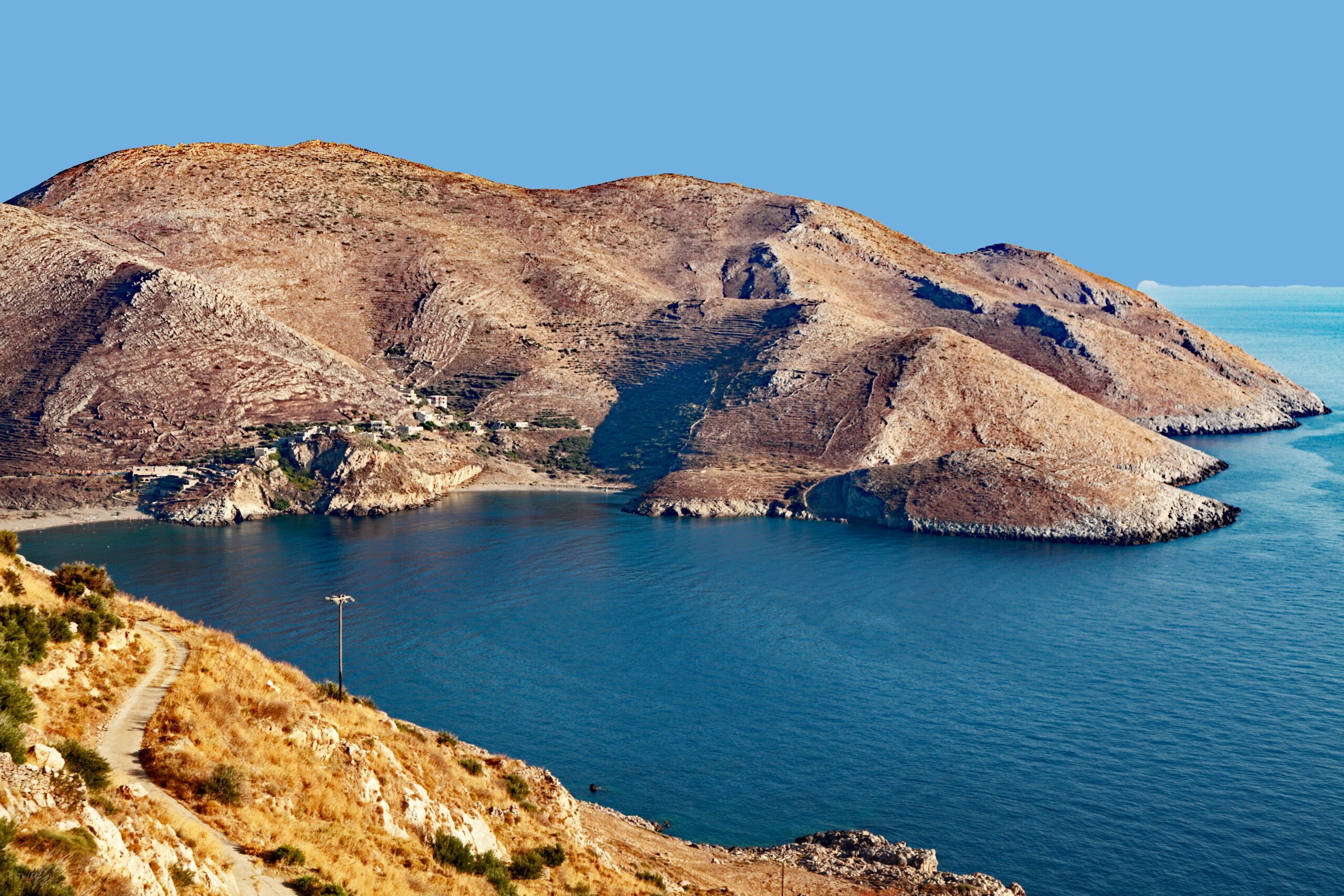
The Mediterranean Sea, a cradle of civilizations, is a region of immense geological dynamism. Beneath its azure surface lies not a stable foundation, but a complex mosaic of tectonic plates engaged in a perpetual, slow-motion dance. This article delves into the intricate mechanics of these shifting tectonic plates, exploring the forces that drive them, the consequences of their interactions, and the ongoing seismic and volcanic activity that shapes the Mediterranean landscape and poses significant challenges to its inhabitants.
The Mediterranean’s dramatic geological history is a testament to the grand forces of plate tectonics. Unlike regions dominated by a single, monolithic plate boundary, the Mediterranean is a complex juncture where multiple tectonic plates interact in a ballet of pushing, pulling, and grinding. At its heart lies the intricate interplay between the colossal African Plate, the vast Eurasian Plate, and the smaller, more dynamic microplates that pepper the region. Understanding this tectonic tapestry is crucial to comprehending the region’s seismic and volcanic character.
The African Plate’s Persistent Advance
The African Plate, a continental behemoth, is steadily moving northward. This relentless push is a primary driver of tectonic activity throughout the Mediterranean. Its northward

When the Mediterranean Became a Desert | The Messinian Salinity Crisis Explained
FAQs

What are tectonic plates?
Tectonic plates are large pieces of the Earth’s lithosphere that move and interact with each other. They are responsible for the formation of continents, ocean basins, and mountain ranges.
Where are the tectonic plates located in the Mediterranean region?
The Mediterranean region is located at the boundary of several tectonic plates, including the African Plate, Eurasian Plate, Arabian Plate, and Anatolian Plate. These plates interact in complex ways, leading to seismic activity and the formation of geological features in the region.
What are the major tectonic activities in the Mediterranean region?
The Mediterranean region experiences significant tectonic activity, including subduction zones, transform faults, and collision zones. These tectonic activities have led to the formation of mountain ranges, volcanic activity, and earthquakes in the region.
How do tectonic plates in the Mediterranean region impact the local geology and geography?
The movement and interaction of tectonic plates in the Mediterranean region have shaped the local geology and geography. This includes the formation of the Alps, the Apennines, and other mountain ranges, as well as the creation of volcanic islands such as Sicily and the Aeolian Islands.
What are the potential hazards associated with tectonic activity in the Mediterranean region?
The tectonic activity in the Mediterranean region can lead to hazards such as earthquakes, volcanic eruptions, and tsunamis. These hazards pose risks to the local population and infrastructure, and efforts are made to monitor and mitigate these risks.