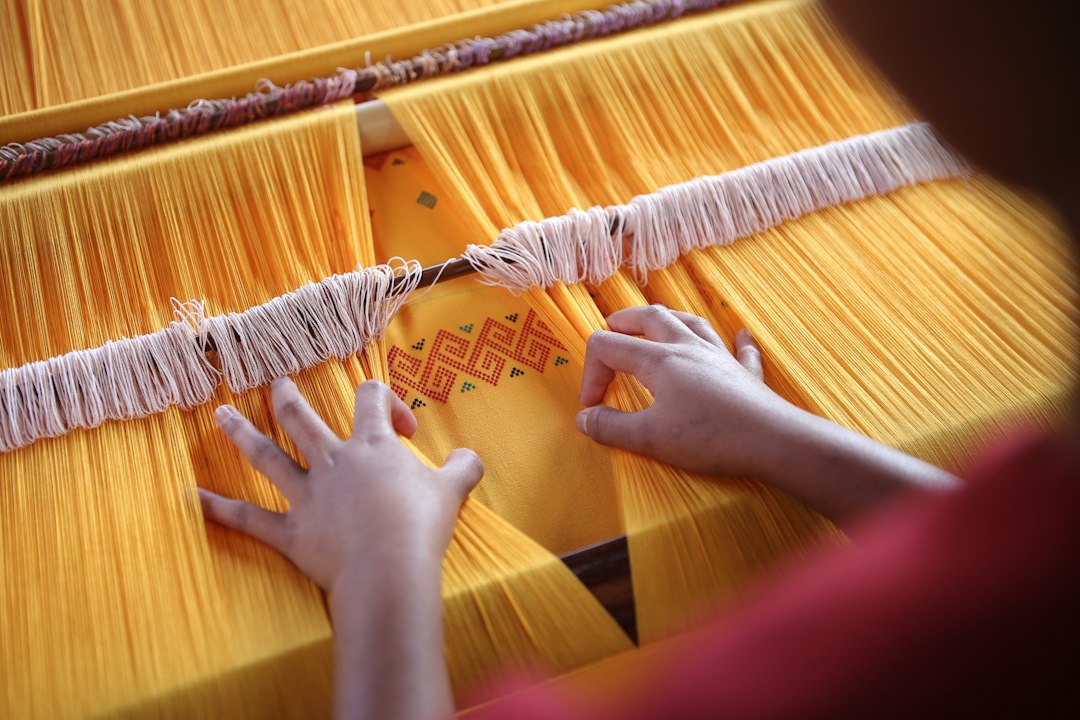
The intimate dance between bone and sinew, the silent yet potent strength drawn from animal tissues, formed the bedrock of countless ancient crafting traditions. Sinew thread, a material both humble and remarkably resilient, played an indispensable role in the survival, ingenuity, and artistic expression of early human societies. Far more than a mere string, sinew thread was a testament to observation, resourcefulness, and a deep understanding of the natural world. Its preparation and utilization were sophisticated processes, often passed down through generations, shaping everything from the tools that carved existence to the adornments that spoke of status and belief. Exploring the crafting techniques associated with sinew thread sewing unlocks a window into the daily lives, technological advancements, and cultural practices of our ancient ancestors, revealing a world woven together by the very fibers of life.
The Genesis of Strength: Sourcing and Preparing Sinew
The journey of sinew thread began long before any needle pierced a hide. It started with the careful, often arduous, process of acquiring the raw material. In ancient societies, hunting was not merely about sustenance; it was an integral part of resource acquisition, and the sinews of large game animals were a prized yield. These tough, fibrous cords, running along muscles and tendons, were essential for animal locomotion and thus possessed immense tensile strength.
Harvesting the Prime Fibers
The primary source of sinew thread was the dorsal or leg tendons of animals such as deer, elk, caribou, bison, and even large birds. The procurement itself required skill and knowledge. Hunters would aim for specific anatomical locations where the sinew was most substantial and easily extracted. Following a successful hunt, the process of sinew removal was often immediate, preventing decomposition and maximizing the quality of the material. Using sharp stone tools or rudimentary knives fashioned from bone or antler, hunters would carefully separate the sinew from surrounding muscle and connective tissue. This was a meticulous task, as damaging the fibers during extraction could significantly weaken the final thread. The length and thickness of the sinew harvested would vary depending on the animal and the specific tendon, dictating its potential applications. For instance, longer, thinner sinews might be reserved for finer sewing, while thicker ones could be employed for lashing or securing heavier objects. The sheer effort involved in obtaining this resource underscored its value and the respect afforded to the animal from which it came.
The Crucial Transformation: Cleaning and Processing
Once harvested, the raw sinew was far from ready for use. A critical series of steps was required to transform these tough, often slimy tissues into a usable thread. The initial stage involved extensive cleaning. Any remaining flesh, fat, or membranes had to be meticulously scraped away. This was often achieved by repeatedly dragging the sinew across a rough surface, such as a piece of bark or a stone, or by using sharp edges to pare away impurities. Thorough cleaning was paramount, as residual organic matter could lead to rot and compromise the strength of the thread.
Following cleaning, the sinew underwent a drying process. This was typically done in a dry, shaded area, away from direct sunlight which could make the sinew brittle. Sometimes, the sinew would be lightly pounded or rolled to flatten it and begin the separation of individual fibers. The real magic, however, lay in the preparation of the individual strands. The sinew was teased apart, painstakingly separating the mass of fibers into thinner, manageable threads. This was a labor-intensive process that required patience and dexterity. The fineness of the resulting thread was dictated by the skill of the preparer and the nature of the sinew itself. Once separated, these individual strands could be used as is, or further processed.
Softening and Strengthening: A Multifaceted Approach
The dried and separated sinew strands were often quite stiff and brittle. To make them pliable and suitable for sewing, further treatments were necessary. One common method involved soaking the sinew in water, sometimes for extended periods. This rehydrated the fibers, making them more flexible. However, prolonged soaking could also weaken them, so the duration was carefully controlled. Another technique involved rubbing the sinew with animal fat or oil. This acted as a lubricant, softening the fibers and increasing their water resistance, thus making them more durable in various environmental conditions.
In some instances, sinew might also be lightly pounded or rolled between smooth stones. This action helped to flatten the fibers and encourage their pliability. The goal was to create a thread that was both strong enough to withstand the rigors of sewing and flexible enough to pass through an eye or be manipulated by hand. The specific methods employed likely varied regionally, influenced by available resources, climate, and cultural traditions. The successful transformation of raw sinew into a functional thread was a testament to the ancient crafter’s understanding of material science, albeit an empirical one.
Sinew thread sewing played a crucial role in ancient history, particularly in the crafting of clothing and tools by early civilizations. This technique, which utilized the strong tendons of animals, allowed for durable and flexible stitching that was essential for survival in harsh environments. For a deeper understanding of how ancient societies navigated their world and the resources they utilized, you can explore the article on early mapping and discovery at Navigating the Unknown: Mapping the World Before Discovery.
The Art of the Needle: Tools and Techniques of Sinew Sewing
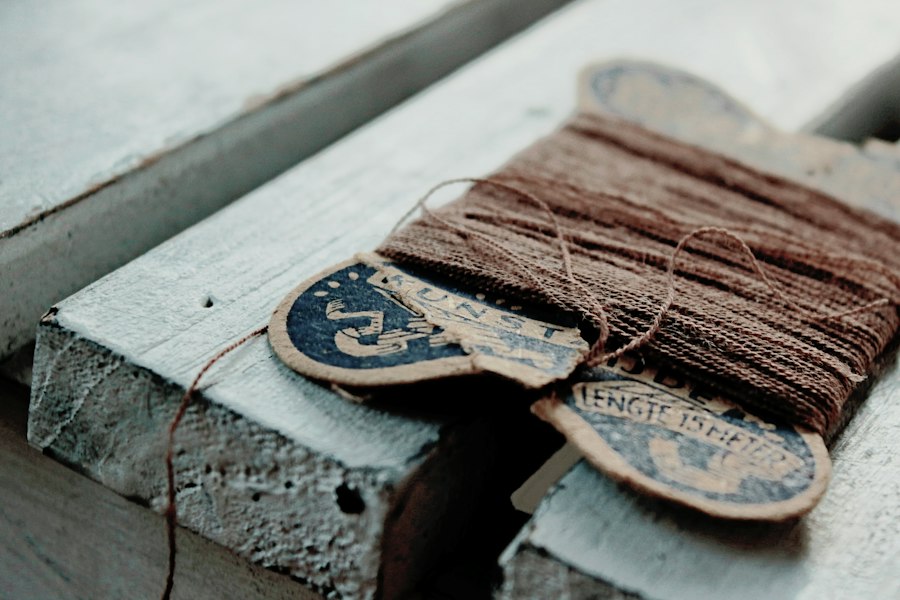
The creation of a functional sinew thread was only the first step. The true artistry lay in its application, and this was made possible by the development of specialized tools and refined techniques. The needle, a seemingly simple implement, was a marvel of ancient engineering, and the methods employed to guide the sinew thread through various materials were remarkably effective.
The Improvised Awl and the Bone Needle
While the concept of a “needle” as we understand it today, with a pre-formed eye, is a more developed idea, early sewing often began with the humble awl. Ancient awls were typically fashioned from sharp bone fragments, teeth, or sharpened stone points. These tools were used to create holes in materials like leather or hides, effectively preparing the way for the sinew thread. The crafter would then manually thread the sinew through these pre-made perforations.
As technology advanced, so too did the needle. The development of bone needles, often crafted from the leg bones of birds or small mammals, marked a significant leap forward. These needles were carefully shaped and ground to a point at one end and, crucially, a small hole or “eye” was painstakingly drilled or carved at the other. The creation of this eye was a delicate procedure, often achieved by abrading a small depression with sand and water, or by using even finer bone or stone tools. The size and shape of the eye would be adapted to the thickness of the sinew thread being used. These bone needles, though appearing rudimentary to modern eyes, were highly effective tools that enabled more intricate and secure stitching.
Mastering the Stitch: Variations for Durability and Design
The act of sewing with sinew thread was not a monolithic practice. Ancient artisans developed a repertoire of stitches, each serving a specific purpose and contributing to the overall integrity and aesthetic of the finished product. The most fundamental stitch, the running stitch, involved passing the thread back and forth through a series of holes. This was efficient and relatively strong, suitable for joining seams on garments or bags.
A more robust and common stitch in ancient contexts was the saddle stitch, or a variation thereof. In this method, the sinew thread would be passed through a hole and then back through the same hole from the opposite direction on the subsequent stitch. This effectively created a double loop with each pass, significantly increasing the seam’s strength and preventing it from unraveling if a single strand of sinew broke. This was particularly important for items that experienced significant stress, such as moccasins, pouches, or even the stitching on rudimentary shelters.
Beyond basic utilitarian stitches, evidence suggests the development of more decorative techniques. While the primary function was often structural, the inherent texture and appearance of sinew thread could also be appreciated. Certain weaves or knotting patterns, incorporated during the sewing process, could add a subtle visual element or reinforce specific areas. The ability to control the tension of the sinew and the spacing of the stitches allowed for a degree of artistry that transformed practical items into objects of personal expression.
Applications Across the Ages: From Survival to Symbolism
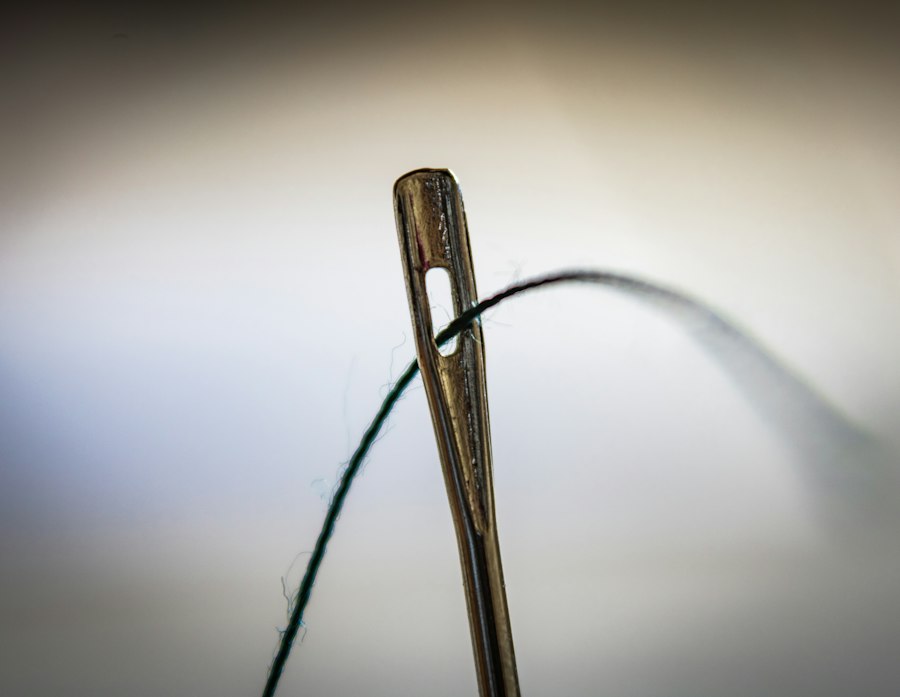
The versatility of sinew thread sewing meant it permeated nearly every facet of ancient life. Its strength and durability made it indispensable for survival, while its use also extended into the realm of adornment, ritual, and artistic expression, revealing the deep integration of this material into the human experience.
Essential for Survival: Clothing, Shelter, and Tools
The most immediate and vital application of sinew thread was in the creation and repair of essential items for survival. Clothing, primarily made from animal hides, relied heavily on sinew for its construction. The strong thread was used to stitch seams, creating durable garments that protected against the elements. Repairing tears or worn areas with sinew was a common practice, extending the lifespan of valuable clothing.
Beyond personal attire, sinew thread played a crucial role in shelter construction. In many ancient cultures, tents, tipis, and other temporary or semi-permanent dwellings were fashioned from animal skins lashed together. Sinew thread was used to sew these skins, creating watertight and wind-resistant coverings. Furthermore, it was instrumental in crafting and maintaining tools. The hafting of stone points onto wooden shafts for spears, arrows, and axes often involved wrapping the haft with sinew and then securing it with sinew thread, creating a robust bond that could withstand the impact of use. Bags, baskets, and pouches, essential for carrying food, tools, and other necessities, were also frequently constructed or reinforced with sinew stitching.
Adornment and Identity: More Than Just Functional
While practicality was paramount, sinew thread also found its way into the realm of adornment and personal expression. The natural color of sinew, often a creamy white or light tan, could be left as is, or it could be dyed using natural pigments derived from plants, berries, or minerals. This allowed for subtle variations in color and decorative potential.
Beading, a widespread art form across many ancient cultures, heavily utilized sinew thread. Small beads, fashioned from shell, bone, stone, or even clay, were strung onto sinew, creating intricate patterns for necklaces, bracelets, and decorative embellishments on clothing or ceremonial objects. The strength of the sinew ensured the longevity of these precious adornments. In some societies, the act of sewing with sinew thread might have carried symbolic meaning, perhaps representing the binding together of communities, the connection to the natural world, or the passage of knowledge from one generation to the next. The careful crafting of these items, whether purely functional or decorative, spoke volumes about the identity, status, and beliefs of the individuals and groups who created them.
Ritual Objects and Ceremonial Significance
The use of sinew thread extended into the spiritual and ceremonial lives of ancient peoples. Objects created for ritual purposes, such as masks, effigies, or sacred regalia, often incorporated sinew stitching. The durability of the thread ensured that these important artifacts would endure for generations, maintaining their sacred function.
The very act of preparing and sewing with sinew might have been imbued with ritualistic significance. Certain traditions may have dictated specific times for harvesting sinew, particular methods of preparation, or even prayers or incantations associated with the sewing process. This practice connected the crafter directly to the animal, the natural cycle of life and death, and the spiritual forces believed to govern the world. The subtle yet strong connection created by sinew thread in these objects served as a tangible link between the earthly and the divine, reinforcing the spiritual framework of the society.
Regional Variations and Cultural Adaptations
The techniques and applications of sinew thread sewing were not uniform across the ancient world. Geographic location, available resources, and distinct cultural traditions led to a fascinating array of adaptations and innovations in how this versatile material was utilized.
Adapting to Environment: From Arctic to Savannah
In colder, more northern regions, such as the Arctic, sinew was an exceptionally valuable commodity. The scarcity of plant-based fibers meant that animal sinew was often the primary material for sewing, lashing, and repairing everything from kayaks and tents to parkas and boots. The need for waterproof and durable seams in extreme conditions likely led to highly refined techniques for preparing and stitching with sinew, often combined with animal fats to enhance water resistance. For instance, the Inuit people developed sophisticated methods for preparing sinew for sewing, often splitting it into extremely fine strands for delicate work and using a beeswax-like substance for waterproofing.
In contrast, in warmer regions where a wider variety of plant fibers might have been available, sinew might have been reserved for tasks requiring its unique strength and elasticity. For example, in areas with abundant fibrous plants, simpler plant-based threads might have sufficed for basic clothing, while sinew would be the material of choice for the strong stitching required for hunting equipment or the construction of sturdy shelters and tools. The abundance or scarcity of specific animal species in a region would also dictate the type and thickness of sinew available, influencing the scale and nature of its use.
Distinctive Styles and Specialized Crafts
Across different cultures, the aesthetic and functional aspects of sinew sewing developed unique characteristics. In some societies, a focus on intricate decorative patterns might have emerged, perhaps using finely split sinew for delicate beadwork or embroidery. In others, the emphasis might have been on the sheer strength and longevity of the stitching, leading to robust, almost architectural construction methods for objects like baskets or armor.
The specialized crafts that emerged also reflected these regional differences. For example, the development of complex netting and weaving techniques for fishing or trap construction might have relied heavily on the strength and availability of sinew. Similarly, the creation of intricate leatherwork, embellished with intricate sinew stitching and beadwork, would have been a testament to the fine motor skills and artistic vision of particular cultural groups. Examining these regional variations provides valuable insight into the ingenuity and adaptability of ancient peoples in harnessing the power of the natural world.
Sinew thread sewing played a crucial role in ancient history, particularly in the crafting of clothing and tools by various cultures. This technique not only showcased the ingenuity of early artisans but also highlights the importance of materials available in their environments. For those interested in exploring the broader implications of historical craftsmanship and its impact on society, a related article discusses the decline of literacy after the Dark Ages and its various factors and consequences. You can read more about this fascinating topic here.
The Enduring Legacy: Echoes in Modern Craft and Archaeology
| Period | Region | Material Used | Typical Uses | Durability | Notable Artifacts |
|---|---|---|---|---|---|
| Upper Paleolithic (40,000 – 10,000 BCE) | Europe, Siberia | Animal sinew (tendon fibers) | Clothing, shelter construction, tool binding | High tensile strength, flexible | Denisova Cave sewing needles with sinew thread |
| Neolithic (10,000 – 4,500 BCE) | Near East, Europe | Processed sinew, sometimes combined with plant fibers | Garments, fishing nets, basketry | Improved durability due to processing | Çatalhöyük textile fragments |
| Bronze Age (3,300 – 1,200 BCE) | Mesopotamia, Egypt | Treated sinew threads | Armor stitching, ceremonial clothing | Very durable, resistant to wear | Egyptian linen garments with sinew reinforcement |
| Iron Age (1,200 BCE – 600 CE) | Europe, Asia | Refined sinew threads | Military gear, footwear, leather goods | High tensile strength, water-resistant | Scythian leather armor |
| Indigenous Cultures (Various periods) | North America, Australia | Raw and processed sinew | Clothing, weaponry, ceremonial items | Flexible and strong | Native American sinew-threaded moccasins |
While modern synthetic materials have largely replaced sinew thread in many applications, its influence and the techniques developed for its use continue to resonate. The study of ancient sinew sewing provides invaluable insights for archaeologists, anthropologists, and even modern craftspeople.
Archaeological Evidence: Unraveling Past Practices
The archaeological record is replete with evidence of sinew thread sewing. Fragmentary bone needles, awls, and meticulously stitched leather or hide artifacts offer tangible proof of these ancient practices. The analysis of these materials, through techniques such as radiocarbon dating and microscopic examination, allows researchers to date the use of sinew, understand the types of animals utilized, and reconstruct the specific sewing techniques employed. Traces of sinew itself, sometimes preserved in anaerobic conditions, can be analyzed to understand its preparation and treatment.
The presence and style of sinew stitching on artifacts can also provide clues about trade networks, cultural exchange, and the level of technological development of a particular society. For instance, the discovery of specific stitching patterns in a region where they were not traditionally used might indicate influence from another culture. The meticulous study of these seemingly small details allows archaeologists to build a richer, more nuanced understanding of past human lives.
Modern Echoes: Inspiration for Contemporary Artisans
In contemporary times, there is a resurgence of interest in traditional crafting techniques, and sinew sewing has found a new audience. Modern artisans, seeking to connect with ancestral practices or to achieve a unique aesthetic, are rediscovering the value of sinew thread. This often involves meticulous research into historical methods and experimentation with traditional tools and materials.
Contemporary crafters might use sinew for historical reenactments, the creation of museum-quality replicas, or for artistic projects that aim for authenticity and a connection to the past. The challenges of working with a natural material like sinew, its inherent variability, and the patience required for its preparation and use offer a rewarding experience for those who seek a deeper engagement with their craft. This revival not only preserves ancient knowledge but also allows for its interpretation and continuation in new and exciting ways, demonstrating the enduring power and beauty of this ancient technique.

Life 20,000 Years Ago: How Humans Survived the Ice Age
FAQs
What is sinew thread sewing?
Sinew thread sewing is a technique used in ancient history where tendons or ligaments from animals, known as sinew, are used as thread to sew materials together.
Which ancient civilizations used sinew thread sewing?
Ancient civilizations such as the Native Americans, Egyptians, and Vikings are known to have used sinew thread sewing in their textile and leatherwork.
Why was sinew thread preferred over other materials for sewing in ancient times?
Sinew thread was preferred in ancient times for sewing due to its strength, durability, and resistance to moisture, making it ideal for creating sturdy and long-lasting stitches.
What types of items were commonly sewn using sinew thread in ancient history?
In ancient history, sinew thread was commonly used to sew items such as clothing, footwear, bags, tents, and even boats due to its strong and reliable nature.
How was sinew thread prepared for sewing in ancient times?
In ancient times, sinew thread was prepared by carefully separating and drying the tendons or ligaments from animals, then twisting and waxing the sinew to create a strong and flexible sewing material.