The Echoes of Tatanka Iyotake: Unearthing Sitting Bull’s Family Oral History
The name Sitting Bull, or Tatanka Iyotake in Lakota, resonates through history not just as a warrior and spiritual leader, but as a patriarch whose influence stretched far beyond the battlefield. While public records and historical accounts offer glimpses into his life, the true depth of his legacy is most vibrantly preserved within the oral traditions of his family. These are not mere anecdotes; they are carefully curated narratives, passed down through generations, weaving a rich tapestry of lived experience, cultural values, and unwavering resistance. This article delves into the intricate world of Sitting Bull’s family oral history, exploring how stories are preserved, the themes they encompass, and the profound impact they continue to have on descendants and the broader understanding of Lakota heritage.
Sitting Bull, a prominent leader of the Hunkpapa Lakota Sioux, has a rich family oral history that reflects the traditions and struggles of Native American life. For those interested in exploring the broader context of Native American history and the impact of significant events on indigenous communities, the article “The Year History Stood Still When the Wind Ceased” provides valuable insights. This piece delves into the historical narratives that shape the identities of Native peoples, making it a compelling read for anyone looking to understand the complexities of oral histories and their significance. You can read the article here: The Year History Stood Still When the Wind Ceased.
Preserving the Threads: The Art of Oral Tradition
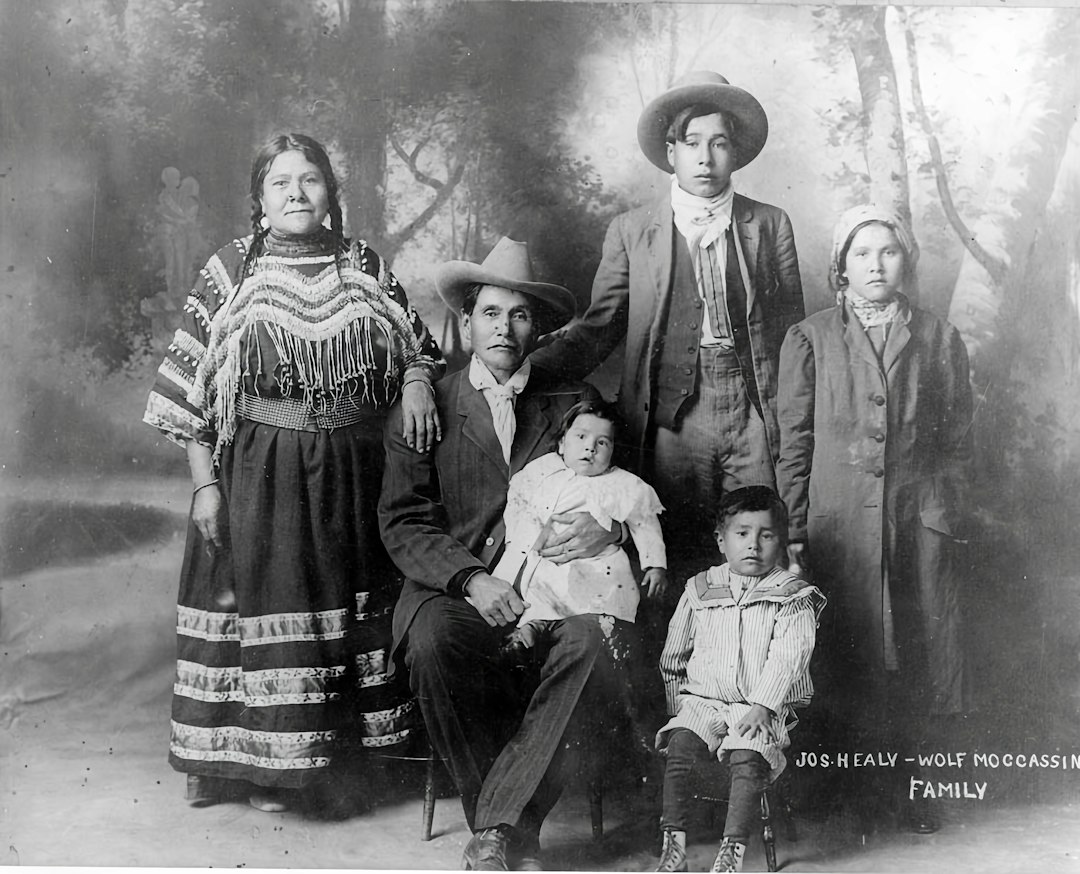
The transmission of knowledge and memory within Indigenous cultures, particularly among the Lakota, has historically relied on the spoken word. For Sitting Bull’s family, this tradition became an essential tool for maintaining their identity and honoring their ancestors in the face of immense historical pressures. The oral history surrounding Sitting Bull is a living testament to this enduring practice, a carefully guarded inheritance passed from elders to younger generations.
The Role of Elders as Storykeepers
At the heart of Sitting Bull’s family oral history are the elders, the revered custodians of ancestral wisdom. They are the living libraries, their minds filled with the sagas, teachings, and personal accounts that form the bedrock of the family’s collective memory. For these elders, storytelling is not a passive act; it is a sacred duty, a commitment to ensuring that the voices of their ancestors are never silenced. They meticulously recall details, intonations, and the emotional weight of each event, understanding that a single word misplaced can alter the meaning of a profound lesson. The act of recounting these stories is often imbued with ritual, performed during gatherings, council meetings, or even intimate family moments, creating an atmosphere of reverence and shared purpose. The elders act as guides, not just narrators, interpreting the nuances of the stories for younger ears, ensuring that the moral and spiritual underpinnings are understood. Their personal connection to the stories, often having heard them from their own elders, lends an unparalleled authenticity to their accounts. This deep, personal investment in the narratives makes them dynamic and potent, capable of inspiring pride, resilience, and a profound sense of belonging.
Methods of Transmission and Retention
The methods employed by Sitting Bull’s family to preserve their oral history are as sophisticated as they are varied. Beyond the direct recitation by elders, these traditions are reinforced through various means designed to ensure accuracy and longevity. Song and dance often serve as mnemonic devices, embedding key events and figures in memorable melodies and movements. Each step, each rhythmic beat, can represent a significant moment or a crucial aspect of a narrative. Furthermore, visual aids, such as ledger art, which gained prominence after the conflicts, sometimes served to complement oral accounts, providing a visual anchor for the stories being told. These drawings, often created by individuals who lived through these tumultuous times, would be explained and elaborated upon by the elders, their visual elements triggering memories and adding another layer of sensory experience to the oral tradition. The concept of “remembering” in Lakota culture extends beyond simple recall; it is an active engagement with the past, a conscious effort to keep its lessons alive and relevant. This active retention involves not just memorizing facts but internalizing the spirit and intent of the stories, allowing them to be adapted and applied to contemporary challenges. The communal nature of gatherings also plays a vital role, as multiple family members hear the same stories, creating a shared understanding and a collective responsibility for their preservation. Discrepancies are often discussed and resolved within the community, ensuring a coherent and agreed-upon version of events.
Adaptation and Evolution of Narratives
While the core tenets of Sitting Bull’s family oral history remain steadfast, the narratives are not static. They have evolved organically over time, adapting to new contexts and the changing needs of the younger generations. This adaptation is not a distortion but a dynamic reinterpretation, ensuring the enduring relevance of the ancestral wisdom. Elders understand that the world their grandchildren inhabit is different from the one Sitting Bull experienced. Therefore, they frame the stories in ways that resonate with contemporary concerns, drawing parallels between historical struggles and present-day challenges. For instance, stories of resistance against oppression might be used to illustrate the importance of cultural preservation in the face of modern assimilation pressures. The emphasis shifts from the literal retelling of past battles to the underlying principles of courage, perseverance, and spiritual fortitude. This evolutionary aspect ensures that the oral history remains a living, breathing entity, capable of providing guidance and inspiration for generations to come. The process involves careful consideration of how to convey the essence of a story without losing its historical integrity, a delicate balance that skilled storykeepers master.
Themes of Resilience and Resistance: Stories of a Leader’s Life

The oral histories of Sitting Bull’s family are permeated with themes of unwavering resilience and staunch resistance, reflecting the turbulent times they endured. These narratives offer a powerful counterpoint to dominant historical narratives, providing an intimate and deeply personal perspective on the struggles for survival and self-determination.
The Strength of Spiritual Conviction
A recurring and profoundly important theme in the family’s oral history is Sitting Bull’s deep spiritual conviction. This was not merely a personal faith but the guiding force behind his leadership and his unwavering stance against the encroachment of the U.S. government. Stories recount his visions, his connection to the Great Spirit, and how these spiritual insights informed his decisions, even those with dire consequences. The Sun Dance, a central spiritual ceremony, features prominently in these narratives, described not as a mere ritual but as a profound act of sacrifice and communion with the divine, undertaken for the well-being of his people. Family members recall how Sitting Bull’s spiritual strength provided solace and guidance during times of immense hardship, including forced relocations, starvation, and the devastating loss of life. His ability to maintain his faith and inspire it in others is a testament to the power of spiritual grounding in the face of overwhelming adversity. These stories often emphasize that his resistance was not driven by hatred or conquest, but by a profound duty to protect his people and their way of life, a duty rooted in his spiritual beliefs. The details of his visions, often enigmatic to outsiders, are understood within the family as divine mandates, reinforcing the legitimacy of his actions and the sacredness of their cause.
Defiance in the Face of Injustice
The oral histories vividly portray Sitting Bull’s defiant spirit in the face of systemic injustice. They detail his refusal to sign treaties that he believed were fraudulent or detrimental to his people, his unwavering stance against forced assimilation policies, and his leadership during the pivotal Battle of the Little Bighorn. These accounts offer a nuanced understanding of his motivations, moving beyond simplistic portrayals of a war chief to reveal a strategic thinker and a protector deeply committed to his nation’s sovereignty. The stories are often filled with accounts of negotiations, his sharp intellect in challenging the pronouncements of government officials, and his unwavering refusal to compromise on fundamental principles of Lakota autonomy. The family’s narratives highlight instances where Sitting Bull chose to endure hardship and exile rather than submit to terms that would undermine their identity and their land. These stories serve as a powerful reminder of the courage required to stand against overwhelming odds and the enduring importance of self-determination. The family often recounts the pride they feel in his unwavering stance, even when it led to immense suffering, emphasizing that their integrity was paramount.
The Burden of Leadership and Sacrifice
The weight of leadership and the immense personal sacrifices made by Sitting Bull are palpable in the family’s oral traditions. Stories frequently depict the difficult decisions he had to make, the constant threats he faced, and the personal toll these burdens took. The exile in Canada, the eventual surrender, and the tragic assassination are recounted with a profound sense of sorrow, but also with an unwavering understanding of the context in which these events unfolded. Family members share anecdotes that reveal Sitting Bull’s compassion for his people, his efforts to provide for them even in the direst circumstances, and his personal grief over the losses they endured. These stories underscore the concept of selfless leadership, where the leader’s well-being is secondary to the survival and preservation of their community. The oral histories humanize Sitting Bull, portraying him not as an untouchable icon, but as a man who bore immense responsibility and made profound sacrifices for his people, a burden that was deeply felt and often articulated in private moments that have since become treasured family accounts.
The Personal Touch: Beyond the Public Persona
While historical accounts often focus on Sitting Bull the leader, the family’s oral histories offer an invaluable glimpse into his personal life, revealing the man behind the legend. These intimate details provide a more complete and humanizing portrait, enriching our understanding of his character and his relationships.
A Father and a Family Man
Sitting Bull’s family oral histories emphasize his role as a father and a devoted family man, a dimension often overlooked in public accounts. Stories recount his interactions with his children, his teachings to them, and the love he held for his wives and extended family. These narratives provide a tender counterpoint to the images of a fierce warrior, revealing a man who found solace and strength within his domestic sphere. The details of daily life, the shared meals, the lullabies sung, and the playful moments, are meticulously preserved, painting a picture of a loving patriarch who nurtured his family amidst the chaos of their existence. The family emphasizes that his commitment to his people was an extension of his commitment to his own family, illustrating a holistic understanding of responsibility and belonging. These personal anecdotes offer a profound insight into his motivations and the values he sought to instill in the next generation, values of love, loyalty, and community.
Humor and Humanity in Hardship
Contrary to the somber portrayals often associated with his era, Sitting Bull’s family oral histories frequently highlight his sense of humor and his capacity for lightheartedness, even in the darkest of times. These anecdotes reveal a man who understood the importance of joy and levity as coping mechanisms, and who used humor to uplift his people. Stories might recount witty remarks, playful teasing, or humorous observations that diffused tension and fostered a sense of camaraderie. This humanizing aspect demonstrates that even in the face of immense suffering and oppression, the human spirit’s capacity for joy and connection remained unbroken. The inclusion of these lighter moments serves to underscore the resilience of the human spirit and the importance of maintaining one’s humanity, even when confronted with dehumanizing circumstances. These stories offer a valuable lesson in finding moments of lightness and laughter as a form of resistance and survival.
Everyday Wisdom and Teachings
Beyond grand pronouncements and strategic decisions, Sitting Bull’s family oral histories are rich with instances of everyday wisdom and practical teachings. These are the lessons imparted in quiet moments, the observations on nature, the advice on how to live a good life according to Lakota values. They might include teachings on the importance of honesty, respect for all living things, the interconnectedness of all beings, and the responsibilities of each individual within the community. These small but significant pieces of advice form the ethical and moral compass for his descendants. The family recalls how Sitting Bull would use parables and analogies drawn from nature to illustrate his points, making his teachings accessible and memorable. These are not abstract philosophical concepts, but practical guidelines for living a meaningful and honorable life, deeply rooted in their cultural understanding of the world.
Sitting Bull’s family oral history provides a profound insight into the life and legacy of this iconic leader, highlighting the importance of land and its preservation for future generations. This theme resonates with contemporary discussions about land ownership and investment, as seen in a related article that explores the benefits of purchasing farmland. By understanding the historical significance of land, we can appreciate its value not only as a resource but also as a vital part of cultural heritage. For more information on the smart investment of farmland, you can read the article here: buying farmland.
The Enduring Legacy: Connecting Past and Present
| Metric | Details |
|---|---|
| Family Name | Sitting Bull |
| Tribal Affiliation | Hunkpapa Lakota Sioux |
| Oral History Sources | Family elders, tribal historians, recorded interviews |
| Key Themes | Leadership, resistance, spirituality, cultural traditions |
| Generations Covered | 4+ generations (19th century to present) |
| Languages Used | Lakota, English |
| Preservation Methods | Storytelling, recorded interviews, written transcriptions |
| Notable Family Members | Sitting Bull (Tatanka Iyotake), descendants involved in cultural preservation |
| Historical Events Covered | Battle of Little Bighorn, reservation life, cultural revival |
The oral histories of Sitting Bull’s family are not merely relics of the past; they are living conduits that connect generations and inform the present. Their continued telling and preservation serve a vital purpose in maintaining cultural identity and fostering a sense of continuity.
Strengthening Cultural Identity and Belonging
For the descendants of Sitting Bull, the family oral histories are fundamental to their cultural identity and their sense of belonging. These stories provide a direct link to their ancestors, grounding them in a rich heritage of resilience, spiritual strength, and profound connection to their land. By hearing and retelling these narratives, younger generations develop a deep understanding of who they are and where they come from, fostering pride and a strong sense of self. This shared history acts as a powerful unifying force within the family and the wider Lakota community, reinforcing collective identity in an ever-changing world. The stories offer a narrative of survival and triumph, instilling a sense of purpose and belonging that is crucial for navigating the complexities of modern life.
Informing Contemporary Lakota Life and Activism
The wisdom and lessons embedded within Sitting Bull’s family oral history continue to inform contemporary Lakota life and activism. The spirit of resistance, the commitment to self-determination, and the deep respect for tradition that characterized Sitting Bull’s life are actively drawn upon by current generations. These oral traditions provide a powerful framework for understanding and addressing contemporary challenges, from environmental protection to cultural revitalization. The narratives serve as a source of inspiration and guidance, reminding activists of the courage and perseverance of their ancestors. By understanding the historical context of their struggles, contemporary Lakota people are better equipped to advocate for their rights and preserve their cultural heritage for future generations. The stories are not just historical accounts; they are blueprints for continued resilience and advocacy.
Bridging Gaps and Fostering Understanding
The dissemination of Sitting Bull’s family oral history, when shared respectfully and with proper attribution, can also play a crucial role in bridging gaps and fostering understanding between different cultures. By offering an authentic and intimate perspective on Indigenous history and experience, these stories challenge prevailing stereotypes and misconceptions. They humanize historical figures and provide a more nuanced and complex understanding of the past. This sharing is not about appropriation, but about creating opportunities for genuine dialogue and mutual respect. When these stories are heard and understood by non-Indigenous audiences, they contribute to a broader appreciation of the richness and depth of Indigenous cultures and the enduring impact of historical injustices. This exchange can lead to greater empathy and a more informed collective understanding of history.
The Future of the Echoes: Ensuring Continuity
The continued vitality of Sitting Bull’s family oral history depends on proactive efforts to ensure its transmission to future generations. The challenges are significant, but the commitment to preserving this invaluable legacy remains strong.
The Role of Education and Mentorship
Education and mentorship are paramount in ensuring that Sitting Bull’s family oral history continues to echo through time. Formal educational settings, where appropriate, can introduce younger generations to these narratives, but the most impactful transmission often occurs through direct mentorship from elders and knowledgeable family members. This involves not just reciting stories, but actively engaging younger individuals in the process, encouraging them to ask questions, to internalize the lessons, and eventually, to become storykeepers themselves. Mentorship fosters a sense of responsibility and ownership, empowering the next generation to carry the torch of their ancestral knowledge. This process involves creating spaces for intergenerational dialogue and shared learning experiences.
Digital Preservation and Accessibility
In the modern era, digital technologies offer new avenues for preserving and disseminating Sitting Bull’s family oral history. While the spoken word remains central, the creation of audio and video recordings, digital archives, and online platforms can help to capture these narratives for posterity and make them more accessible to a wider audience, including those who may be geographically distant from the family. However, this digital preservation must be approached with utmost respect and cultural sensitivity, ensuring that the integrity and sacredness of the stories are maintained. The goal is to augment, not replace, traditional methods of transmission, ensuring that the human element and the spiritual connection remain central to the process. Careful consideration must be given to consent and ownership when digitizing and sharing these deeply personal accounts.
The Ongoing Process of Remembering
Ultimately, the survival of Sitting Bull’s family oral history is an ongoing process of remembering. It is a conscious and collective effort by the family and the wider Lakota community to honor their ancestors, to learn from their experiences, and to carry forward their legacy. It requires dedication, commitment, and a deep understanding of the profound importance of these stories. The echoes of Tatanka Iyotake, carried in the voices of his descendants, continue to resonate, offering lessons of strength, resilience, and enduring love for generations to come, a testament to the power of family, tradition, and the indelible human spirit.

The Sitting Bull DNA Test: What Did It Actually Prove?
FAQs
What is the significance of Sitting Bull in Native American history?
Sitting Bull was a prominent leader and spiritual figure of the Lakota Sioux tribe who played a key role in resisting the encroachment of white settlers on Native American lands. He is best known for his leadership in the Battle of the Little Bighorn against General Custer’s forces.
How has the oral history of Sitting Bull’s family been preserved?
The oral history of Sitting Bull’s family has been passed down through generations by word of mouth, storytelling, and traditional ceremonies within the Lakota Sioux tribe. Efforts have also been made to document and record these oral histories for future generations.
What are some common themes found in Sitting Bull’s family oral history?
Common themes found in Sitting Bull’s family oral history include stories of resilience, spirituality, cultural traditions, and the struggles faced by Native American communities in the face of colonization and oppression.
How has the oral history of Sitting Bull’s family influenced contemporary Native American culture?
The oral history of Sitting Bull’s family has served as a source of inspiration and cultural pride for many Native American communities. It has helped to preserve traditional knowledge, values, and teachings that continue to be passed down to younger generations.
Are there any challenges in preserving and sharing Sitting Bull’s family oral history?
Challenges in preserving and sharing Sitting Bull’s family oral history include the loss of fluent speakers, the impact of colonization on traditional storytelling practices, and the need for ongoing efforts to document and protect these valuable cultural narratives.