The lives of Paleolithic nomadic tribes were intricately woven with a complex social structure that, while lacking written records, can be inferred through archaeological evidence, comparative anthropology, and the study of contemporary hunter-gatherer societies. These early human groups, characterized by their mobile lifestyle dictated by the seasonal availability of resources, developed intricate systems of roles and hierarchy to ensure survival, cooperation, and the continuation of their lineage. Their social fabric was not a rigid, stratified system like those found in later agricultural societies, but rather a more fluid and adaptable framework built on kinship, experience, and contribution.
The Foundation of Kinship and Community
At the heart of Paleolithic social organization lay the family and extended kinship group. These were the primary units of cooperation, shared responsibility, and emotional support. The nomadic lifestyle necessitated a strong emphasis on collective action, and kinship provided the most reliable and deeply ingrained basis for such collaboration. The nomadic band, often numbering between 20 to 50 individuals, was typically composed of several related families. This close-knit structure facilitated the sharing of essential tasks, the protection of vulnerable members, and the transmission of knowledge across generations.
The Importance of Family Units
Within the larger band, the nuclear or extended family served as the fundamental building block. Parents were responsible for the upbringing and education of their children, teaching them vital survival skills such as tool-making, hunting techniques, plant identification, and tracking. The division of labor within families was likely influenced by biological realities and societal norms, though these were probably more flexible than in later periods. Women, often bearing and nursing infants, would have focused on gathering edible plants, processing food, crafting clothing and tools from natural materials, and caring for the young. Men, generally possessing greater physical strength, would have taken the lead in hunting larger game, a riskier but often more rewarding endeavor. However, this division was not absolute. Evidence suggests that women also participated in certain types of hunting, particularly smaller game or cooperative drives. The success of the entire band depended on the effective functioning of these family units, each contributing its specialized knowledge and labor to the collective good.
The Extended Kinship Network
Beyond the immediate family, the extended kinship network provided a broader safety net and a wider pool of potential mates and allies. This network likely encompassed aunts, uncles, cousins, and more distant relatives, all of whom were bound by shared ancestry and mutual obligation. Marriage, while often arranged to strengthen alliances between different bands, was also a personal affair that cemented these kinship ties. The ability to rely on a wider network of kin was crucial for survival, especially during times of scarcity or inter-group conflict. If one family experienced misfortune, others would step in to provide support. Conversely, shared resources and pooled labor allowed for more ambitious undertakings, such as coordinated hunts of large game or the defense of a territory. The concept of reciprocity was likely deeply ingrained, with individuals and families expected to contribute to the group and to receive support in return. This intricate web of relationships fostered a strong sense of belonging and mutual dependence, vital for the resilience of these mobile communities.
The social structure of a Paleolithic nomadic tribe is a fascinating topic that sheds light on the dynamics of early human societies. These tribes were often organized around kinship and cooperation, with roles defined by age and gender, which helped ensure survival in their harsh environments. For a deeper understanding of ancient social structures and their implications, you can explore the article titled “The Day of Two Suns: Ancient History Unveiled” available at this link.
Roles and Responsibilities: A Division of Labor

The survival of a nomadic Paleolithic tribe was contingent upon a well-defined, albeit fluid, division of labor. Every individual had a role to play, contributing to the collective well-being of the band. These roles were not static and could evolve based on age, experience, aptitude, and the specific needs of the group at any given time. While generalizations are difficult, certain patterns of specialization likely emerged, driven by the practical demands of their environment and lifestyle.
The Guardians of Knowledge and Tradition
Elders, those who had survived the rigors of life and accumulated a wealth of experience, held a revered position within Paleolithic societies. They were the repositories of ancestral knowledge, the keepers of oral traditions, stories, and myths that explained the world, their place within it, and the lessons learned from past generations. Their wisdom was invaluable in navigating the complexities of their environment. Elders would have been instrumental in teaching hunting strategies, identifying edible and medicinal plants, understanding weather patterns, and remembering the migratory routes of animals. Their advice would have been sought after in decision-making processes, ensuring that the band benefited from the cumulative wisdom of its history. The transmission of this knowledge was not merely utilitarian; it also served to foster a shared cultural identity and a sense of continuity with their ancestors. This role highlights that leadership was not solely based on physical prowess but also on accumulated wisdom and the ability to guide the group through a deep understanding of their world.
The Skilled Artisans and Toolmakers
The creation and maintenance of tools were fundamental to survival in the Paleolithic. A significant portion of the band’s success depended on the quality and efficiency of their stone tools, bone implements, and projectile weapons. Certain individuals likely possessed a particular aptitude for flintknapping, the art of shaping stone tools with remarkable precision. These skilled artisans, often referred to as toolmakers, would have been responsible for producing a variety of implements, from basic hand axes and scrapers to more complex projectile points and blades. The quality of their craftsmanship directly impacted the effectiveness of hunting, food processing, and shelter construction. This specialization would have required extensive practice and a deep understanding of different stone types and their properties. Beyond toolmaking, other individuals might have specialized in the preparation of hides, the crafting of clothing and shelters from natural materials, or the creation of ropes and nets. These skills, honed through dedicated practice, were essential for the overall functionality of the band.
The Hunters and Gatherers: Providers of Sustenance
The primary responsibility of sustenance fell upon the hunters and gatherers. Hunting, particularly for larger game, was a communal effort that often involved elaborate planning, tracking, and coordinated attacks. The most successful hunters, those with superior tracking skills, physical strength, and knowledge of animal behavior, would have played a crucial role in providing meat, a vital source of protein and fat. However, hunting was a dangerous pursuit, and the success rate could be variable. Gathering, typically undertaken by women and children, provided a more consistent source of nutrition in the form of fruits, berries, roots, nuts, and seeds. These individuals possessed an intimate knowledge of the local flora, understanding which plants were edible, medicinal, or toxic, and when and where to find them. The balance between hunting and gathering was critical. A successful band ensured a steady supply of food through the combined efforts of both groups, demonstrating a sophisticated understanding of resource management and a reliance on the diverse contributions of all its members.
The Fluidity of Hierarchy and Leadership
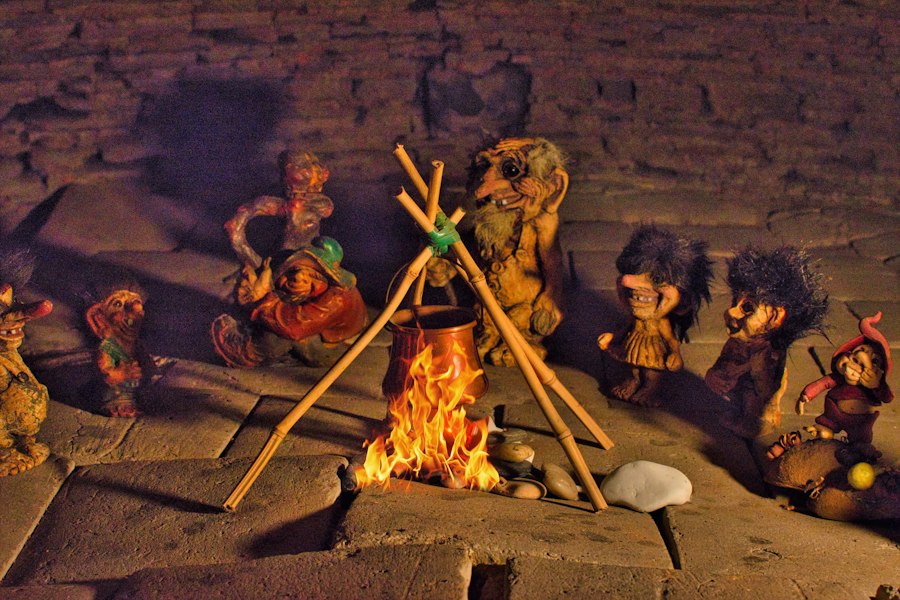
Paleolithic societies did not exhibit the rigid, stratified hierarchies characteristic of later civilizations. Instead, leadership and status were generally more fluid and context-dependent. While some individuals likely held greater influence due to their age, experience, skill, or charisma, power was not concentrated in a permanent ruling class. Instead, leadership often emerged organically and shifted based on the specific demands of a situation.
Emergent Leadership in Action
In situations requiring immediate decision-making, such as during a hunt or when facing a threat, individuals with demonstrated expertise or courage would naturally take the lead. A skilled hunter might direct a communal hunt, while a brave warrior might organize the defense of the band. This emergent leadership was based on competence and the ability to inspire confidence in others. It was a form of situational authority that dissolved once the immediate crisis passed. This meant that different individuals could lead in different contexts, fostering a more distributed form of influence within the group. The effectiveness of this system lay in its adaptability, allowing the band to respond swiftly and efficiently to the ever-changing challenges of their environment. The prestige associated with these leadership roles was earned through actions and contributions, not inherited or permanently held.
The Role of Consensus and Persuasion
Decision-making within Paleolithic nomadic tribes was likely a more communal process, with a strong emphasis on consensus-building. While elders and experienced individuals would offer their counsel, ultimate decisions were probably reached through discussion and agreement among the adult members of the band. Persuasion, rather than coercion, would have been the primary tool for influencing group opinion. Individuals who could articulate compelling arguments, demonstrate foresight, or appeal to the collective good would have been more successful in shaping the group’s direction. This participatory approach fostered a sense of ownership over decisions and ensured that the needs and concerns of various members were considered. The lack of overt displays of authority or formal structures of command suggests a society where individual agency was valued, and collective agreement was paramount for maintaining social cohesion.
Status Through Contribution and Generosity
Social status in Paleolithic societies was likely earned through a combination of factors, including skill, experience, generosity, and contribution to the group’s welfare. Individuals who consistently provided for the band, whether through successful hunting, skilled craftsmanship, or the sharing of knowledge, would have garnered respect and admiration. Generosity was likely a highly valued trait, as sharing resources, especially during times of scarcity, strengthened social bonds and ensured the survival of the less fortunate. A skilled healer, for instance, would have held considerable prestige due to their ability to alleviate suffering and improve the health of the band. Similarly, individuals who demonstrated bravery in defending the group or resourcefulness in finding new food sources would have been highly regarded. This system of status acquisition fostered a culture of mutual support and encouraged individuals to strive for excellence in their contributions to the collective.
Cooperation and Conflict Resolution
The precarious existence of nomadic Paleolithic tribes demanded a high degree of cooperation. Yet, like any human society, conflicts were inevitable. The mechanisms for managing these disputes were crucial for the band’s internal harmony and continued survival.
The Necessity of Collective Action
The nomadic lifestyle itself was a powerful driver of cooperation. The pursuit of large game, the gathering of scarce resources, the construction of temporary shelters, and defense against predators or rival groups all necessitated coordinated effort. Without effective cooperation, survival would have been a near impossibility. Sharing of food, division of labor, and mutual protection were not merely acts of altruism but essential survival strategies. This constant reliance on one another fostered a deep sense of interdependence and social cohesion. The success of the entire group hinged on the ability of its members to work together, anticipate each other’s needs, and support one another through challenges. This inherent need for collaboration likely shaped their social norms and expectations, prioritizing group solidarity above individualistic pursuits.
Mechanisms for Maintaining Harmony
Despite the emphasis on cooperation, interpersonal friction and disagreements were bound to arise. In the absence of formal legal systems or law enforcement, the resolution of conflicts likely relied on informal mechanisms. These could include mediation by elders or respected individuals, public shaming or ostracization for severe transgressions, and potentially, though rarely, physical retribution. The primary goal would have been to restore harmony within the band and prevent disputes from escalating into violence that could jeopardize the group’s survival. The fear of ostracization, effectively a death sentence in a nomadic environment, would have been a powerful deterrent against antisocial behavior. Restoring balance and maintaining the social fabric were paramount, ensuring that the band could continue its migratory journey and face external threats with unity.
The social structure of a Paleolithic nomadic tribe is fascinating, as it reveals how early humans organized themselves in small, mobile groups to adapt to their environment. These tribes often relied on cooperation and shared resources, which fostered strong social bonds and a sense of community. For a deeper understanding of how ancient societies interacted with their surroundings, you might find it interesting to explore the implications of historical maps, such as the one discussed in this article about Antarctica. You can read more about it here.
The Transmission of Culture and Social Norms
| Aspect | Description | Typical Metrics |
|---|---|---|
| Group Size | Number of individuals in a tribe | 20-50 members |
| Leadership | Type of leadership or decision-making | Informal, consensus-based |
| Division of Labor | Roles based on age, gender, and skill | Hunters (mostly men), gatherers (mostly women), toolmakers |
| Kinship Structure | Family and clan relationships | Extended family groups, clan-based |
| Mobility | Movement patterns for resources | Nomadic, seasonal migration |
| Social Bonds | Methods of maintaining group cohesion | Sharing food, rituals, storytelling |
| Conflict Resolution | Ways to handle disputes | Negotiation, mediation by elders |
| Resource Sharing | Distribution of food and tools | Communal sharing, reciprocity |
The perpetuation of Paleolithic societies depended on the effective transmission of knowledge, skills, and social norms from one generation to the next. This cultural transmission was a continuous process embedded in the daily lives of the band members.
Learning Through Observation and Imitation
The primary mode of learning for young Paleolithic individuals was through observation and imitation. Children would have spent countless hours observing their parents and other adults performing essential tasks. They would have mimicked the actions of toolmakers, learned hunting strategies by watching experienced hunters, and absorbed knowledge about plants and animals through their elders’ demonstrations. This experiential learning was highly effective in imparting practical skills necessary for survival. Storytelling, a vital component of oral tradition, also played a crucial role in transmitting cultural values, historical narratives, and ethical principles. These stories, often imbued with moral lessons, helped to shape the understanding of right and wrong, reinforcing the social norms that governed the band’s behavior.
The Role of Ritual and Ceremony
While direct evidence of elaborate Paleolithic rituals is scarce, it is highly probable that various forms of ceremony and ritual played a significant role in reinforcing social bonds, marking important life transitions, and imparting cultural understanding. These could have included rites of passage for adolescents entering adulthood, communal feasting following successful hunts, or gatherings that celebrated the changing seasons. Such events provided opportunities for collective expression, reinforced shared beliefs and values, and strengthened the sense of community. They served as powerful mechanisms for transmitting intangible aspects of culture, such as spiritual beliefs, social etiquette, and a collective identity, ensuring that the traditions and values of the ancestors were carried forward. The shared experiences of these rituals would have solidified the group’s cohesion and their understanding of their place within the larger natural and spiritual world.
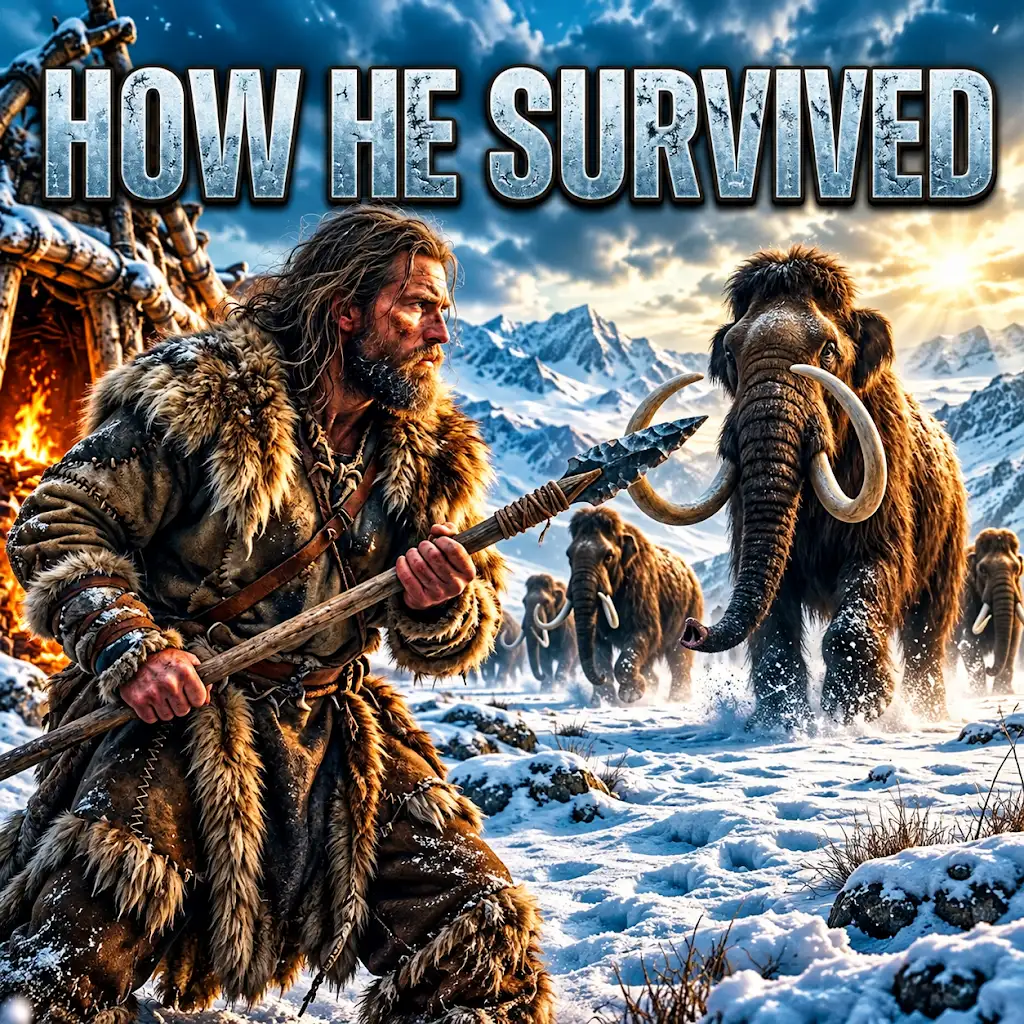
Life 20,000 Years Ago: How Humans Survived the Ice Age
FAQs
What was the social structure of a Paleolithic nomadic tribe like?
In a Paleolithic nomadic tribe, the social structure was typically egalitarian, with no formal hierarchy. Decisions were often made collectively, and individuals had relatively equal status within the group.
How did gender roles play out in a Paleolithic nomadic tribe?
In many Paleolithic nomadic tribes, gender roles were often more fluid compared to later societies. Both men and women participated in hunting, gathering, and other activities essential for survival.
What role did elders play in the social structure of a Paleolithic nomadic tribe?
Elders in a Paleolithic nomadic tribe were highly respected for their wisdom and experience. They often served as advisors and mediators in conflicts, helping to maintain harmony within the group.
Did Paleolithic nomadic tribes have any form of leadership?
While Paleolithic nomadic tribes did not have formal leaders or rulers, individuals with specific skills or knowledge, such as skilled hunters or healers, may have held influence within the group. Leadership was often situational and based on merit.
How did social structures in Paleolithic nomadic tribes contribute to their survival and adaptation?
The egalitarian social structure of Paleolithic nomadic tribes allowed for cooperation, resource sharing, and collective decision-making, which were essential for their survival in challenging environments and their ability to adapt to changing conditions.