The Arctic wind howls across the stark, snow-dusted landscape of Svalbard, a harsh yet breathtaking archipelago perched between mainland Norway and the North Pole. Here, amidst glaciers and polar bears, lies a curious and poignant testament to a bygone era: the abandoned Soviet mining town of Pyramiden. It is a place where time seems to have stopped, a frozen legacy of ambition, industry, and the ideological fervor of the Soviet Union.
The story of Pyramiden is inextricably linked to the Soviet Union’s strategic and economic ambitions in the Arctic. Driven by a desire for resource independence and a geopolitical presence, the USSR cast its gaze upon Svalbard, an island group rich in coal deposits. The Norwegian archipelago, though sovereign territory of Norway, had a long history of international exploitation, with various nations allowed to mine its mineral wealth. This provided the Soviet Union with the legal framework to establish its own operations.
The Promise of Coal
The primary allure of Svalbard for the Soviets was its abundant coal reserves. The archipelago, particularly its western regions, was known to be exceptionally rich in high-quality coal. For a nation heavily reliant on coal for its industrial and energy needs, securing these deposits represented a significant strategic advantage. The Soviet government envisioned Pyramiden as a vital hub for extracting this valuable resource, contributing to the nation’s economic might.
Geopolitical Considerations
Beyond economics, the establishment of Soviet settlements on Svalbard also carried significant geopolitical weight. The presence of a Soviet town, complete with infrastructure and a sizable population, served as a tangible symbol of Soviet influence in the High Arctic. In the context of the Cold War, such outposts were not merely industrial ventures but strategic pawns, demonstrating national presence and asserting territorial claims in a region of increasing global interest.
The Birth of a “Model” Town
Pyramiden was not just intended to be a functional mine; it was conceived as a socialist utopia, a shining example of Soviet life transplanted to the unforgiving Arctic. The town was meticulously planned and constructed to embody the ideals of Soviet society, offering its residents a comfortable and culturally rich existence, far removed from the perceived deprivations of capitalist societies. This vision of a self-contained, prosperous community was a key element of its foundational ideology.
The history of the Soviet mining town on Svalbard offers a fascinating glimpse into the geopolitical dynamics of the Arctic region during the Cold War. As nations vie for influence in these remote areas, understanding the historical context becomes crucial. For a deeper exploration of international relations and strategies that can be applied in such complex environments, you can read the article on key strategies for success in navigating international relations at this link.
Life in the Frozen Frontier: A Community Shaped by Isolation
Life in Pyramiden was defined by its extreme isolation, its harsh climate, and the unique social dynamics forged within its closed-off community. Residents were, for the most part, drawn from across the Soviet Union, their lives intertwined by the shared experience of living and working in this remote corner of the world.
The Daily Grind of Mining
The heart of Pyramiden’s existence was its coal mine. Thousands of miners toiled daily in the depths of the earth, extracting the black gold that fueled the Soviet economy. The work was arduous and dangerous, a constant battle against the elements and the inherent risks of underground extraction. Yet, for many, it represented a steady job, a chance to contribute to the national effort, and the promise of a better life.
A Self-Sufficient Society
To sustain its population and maintain the illusion of a thriving Soviet society, Pyramiden was designed to be largely self-sufficient. It boasted a range of amenities that were considered luxuries in many parts of the Soviet Union. These included a cinema, a library, a sports hall, a swimming pool, a hospital, and even a greenhouse to provide fresh produce. The aim was to create a complete social ecosystem, where residents could work, live, and play without needing to rely on the outside world.
The Role of the Palace of Culture
A prominent symbol of Pyramiden’s ambition was its grand Palace of Culture. This imposing building was the social and cultural epicenter of the town, hosting concerts, theatrical performances, film screenings, and various clubs and recreational activities. It was intended to foster a sense of community and provide intellectual and artistic stimulation, reinforcing the Soviet ideal of a well-rounded citizen.
Education and Childcare
Recognizing the importance of families, Pyramiden also provided comprehensive childcare facilities and schools. Children were educated in the Soviet system, learning about their nation’s history, ideology, and scientific advancements. The presence of families added a layer of normalcy and domesticity to the otherwise stark environment, creating a sense of belonging and continuity.
The Shadow of Isolation
Despite the efforts to create a vibrant community, the pervasive isolation of Pyramiden was an undeniable reality. Residents were often separated from their families for extended periods, and contact with the outside world was limited. This isolation could foster a strong sense of camaraderie and mutual reliance among the inhabitants, but it also contributed to the feeling of being cut off from the rest of humanity.
The Inevitable Decline: Economic Shifts and Soviet Collapse

The seemingly permanent presence of Pyramiden, built on the bedrock of Soviet power, was ultimately vulnerable to the shifting tides of history and economics. The town’s fortunes were inextricably linked to the Soviet Union itself, and its eventual demise was a direct consequence of the USSR’s dissolution and the subsequent economic realities.
The Declining Profitability of Coal
As the Soviet Union grappled with economic stagnation in its later years, the profitability of the Pyramiden mine began to decline. The cost of extraction in the harsh Arctic environment, coupled with fluctuating global coal prices, made the operation increasingly unsustainable. The Soviet economy, once a powerhouse, was struggling to maintain its vast industrial enterprises, and resource extraction in remote locations like Svalbard became a luxury it could no longer afford.
The Collapse of the Soviet Union
The most significant factor in Pyramiden’s downfall was the dismantling of the Soviet Union in 1991. With the USSR gone, the centralized economic planning and the vast state subsidies that had supported the town evaporated. The newly independent Russian Federation inherited a complex and broken economy, and maintaining remote outposts like Pyramiden was no longer a priority.
The Transition to a Market Economy
The transition to a market economy in Russia presented a stark contrast to the centrally planned system that had sustained Pyramiden. Without state backing, the coal mine struggled to compete with more cost-effective operations elsewhere. The economic rationale for its continued existence withered away, leaving its future in doubt.
The Decision to Abandon
The decision to close down Pyramiden was not immediate but a gradual process driven by mounting economic pressures and a lack of strategic interest. The Norwegian government, as the sovereign power of Svalbard, also played a role in the eventual decision to cease Soviet mining operations. Ultimately, the cost of maintaining the town and its infrastructure, coupled with the dwindling returns from the mine, made its abandonment inevitable.
A Frozen Museum: Pyramiden’s Post-Soviet Existence
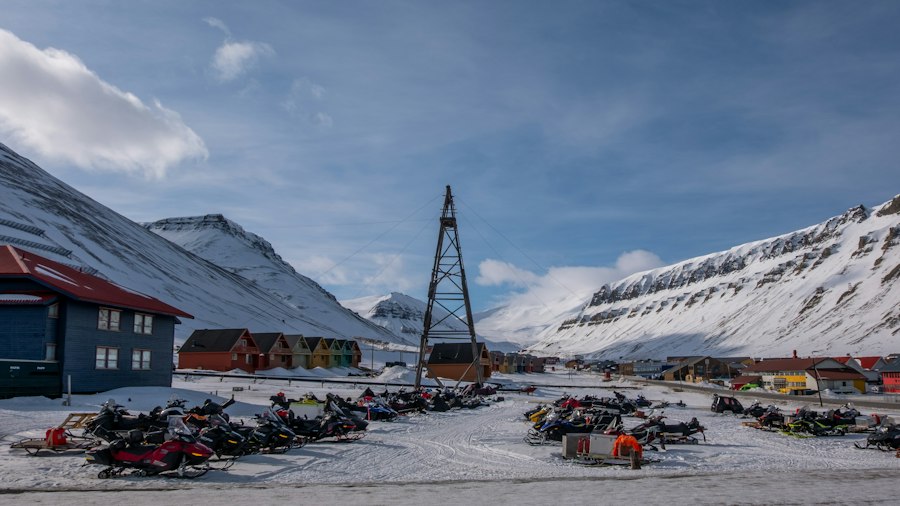
Today, Pyramiden stands as a ghost town, a hauntingly preserved relic of the Soviet era. Its abandonment has, ironically, turned it into a unique kind of museum, a snapshot of a specific time and place frozen in time by the Arctic chill.
The Silent Streets and Empty Buildings
Walking through Pyramiden is an uncanny experience. The streets are silent, save for the wind and the crunch of snow underfoot. Buildings, once filled with life and activity, now stand empty, their interiors a testament to the hasty departure of their inhabitants. The remnants of Soviet life – posters, furniture, tools, and personal belongings – are scattered throughout, offering glimpses into the lives of those who once called this place home.
The Iconic Lenin Statue
Dominating the central square is a prominent bronze statue of Vladimir Lenin, the founding father of the Soviet Union. His gaze, eternally fixed towards the north, serves as a powerful symbol of the ideological force that drove the creation and sustenance of Pyramiden. The statue’s presence is a constant reminder of the political context in which the town was built and ultimately abandoned.
The Communal Apartments and Houses
The communal apartments, where many miners and their families lived, still contain the traces of their former occupants. Beds remain unmade, tables are set with spectral meals, and personal effects lie where they were left. These scenes evoke a sense of suddenness, as if the residents simply vanished, leaving their lives behind in their haste to depart.
The Arctic’s Preservation Power
The extreme Arctic climate has played a crucial role in preserving Pyramiden. The perpetual cold has prevented decay and decomposition, keeping the buildings and their contents remarkably intact. This natural preservation has transformed the town into an open-air museum, a living testament to a lost way of life.
The Effects of the Elements
While the cold has preserved much, the elements are slowly taking their toll. Snow drifts accumulate inside buildings, ice forms on windows, and the relentless wind erodes surfaces. Yet, the overall structure and the essence of the town remain remarkably well-preserved, offering a unique window into the past.
The Lure of the Ghost Town
Pyramiden has become a significant tourist attraction, drawing visitors from around the world eager to experience its unique atmosphere and historical significance. Guided tours allow visitors to explore the town’s deserted buildings, learn about its history, and marvel at the resilience of human endeavor in such an unforgiving environment.
Responsible Tourism and Conservation Efforts
With the increase in tourism, there is a growing emphasis on responsible visitation and the preservation of Pyramiden’s delicate ecosystem. Efforts are made to minimize the impact of visitors on the town and its surroundings, ensuring that this frozen legacy can be appreciated for generations to come.
The Soviet mining town on Svalbard, known for its intriguing history and remote location, has captured the interest of many historians and adventurers alike. This unique settlement offers a glimpse into the life of miners during the Cold War era, showcasing how communities adapted to harsh Arctic conditions. For those interested in exploring more about the rich narratives surrounding isolated places, you might find this article on the lore of the Elder Scrolls particularly fascinating, as it delves into the mysteries and history of another captivating universe. You can read more about it here.
The Enduring Significance: A Frozen Legacy of Ideals and Ambition
| Metric | Data |
|---|---|
| Name | Pyramiden |
| Location | Svalbard Archipelago, Norway |
| Founded | 1910 (by Sweden), acquired by Soviet Union in 1927 |
| Primary Industry | Coal Mining |
| Peak Population | Approximately 1,000 residents (1980s) |
| Abandoned | 1998 |
| Current Status | Tourist destination and heritage site |
| Climate | Arctic tundra, average temperature -6°C (21°F) |
| Time Zone | Central European Time (CET) UTC+1 |
Pyramiden is more than just an abandoned mining town; it is a powerful symbol of human ambition, ideological conviction, and the ephemeral nature of grand political projects. Its silent streets and empty buildings whisper stories of a past that continues to resonate.
A Monument to Soviet Aspirations
The town stands as a tangible monument to the Soviet Union’s aspirations of global influence and its belief in the power of socialist ideals to shape society. It represents a bold, albeit ultimately unsustainable, attempt to recreate a controlled and prosperous community in one of the world’s most extreme environments.
A Lesson in History and Resilience
Pyramiden offers a poignant lesson in history, illustrating the rise and fall of empires and the impact of economic and political shifts on human settlements. It also highlights the remarkable resilience of the human spirit, evidenced by the lives people carved out in such a challenging setting.
The Human Element in History
Beyond the grand narratives of politics and economics, Pyramiden reminds us of the individual lives lived within its confines. The scattered personal belongings, the faded photographs, and the silent echoes of laughter and hardship offer a deeply human perspective on history.
The Arctic’s Unchanging Majesty
In contrast to the transient nature of human endeavors, the Arctic landscape of Svalbard remains a constant, its majestic beauty indifferent to the rise and fall of human settlements. Pyramiden, nestled within this vast and ancient wilderness, serves as a stark reminder of humanity’s fleeting presence on the planet.
The Polar Bears’ Reign
Today, the true inhabitants of Pyramiden are the polar bears, who roam freely through its deserted streets. Their presence underscores the return of nature to a place once dominated by human industry, a poignant symbol of the enduring power of the wild.
A Legacy of Intrigue and Reflection
The frozen legacy of Pyramiden continues to intrigue and inspire. It invites reflection on the nature of progress, the cost of ambition, and the enduring power of memory. As the Arctic continues to draw global attention for its resources and strategic importance, the silent specter of Pyramiden serves as a potent reminder of the past, a frozen chapter in the ongoing story of human interaction with this remarkable and unforgiving frontier.
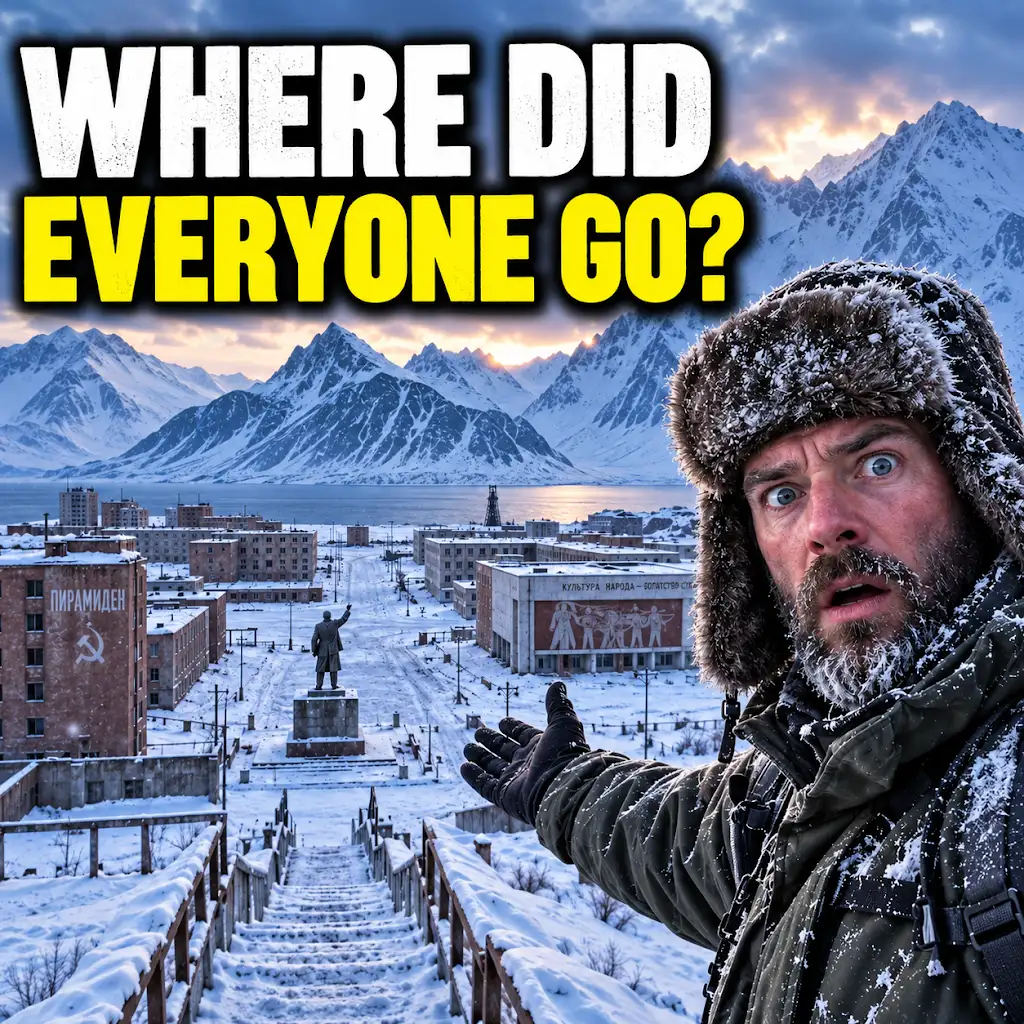
Why Did the Soviet Union Abandon This Arctic City?
FAQs
What is the history of the Soviet mining town on Svalbard?
The Soviet mining town on Svalbard, known as Pyramiden, was established in 1927 by the Soviet Union. It was a coal mining settlement located on the archipelago of Svalbard in Norway.
Why was the Soviet mining town on Svalbard abandoned?
Pyramiden was abandoned in 1998 due to the decline in coal prices and the collapse of the Soviet Union. The town was left virtually untouched, with buildings, infrastructure, and personal belongings left behind.
What is the current state of the Soviet mining town on Svalbard?
Today, Pyramiden is a ghost town that is visited by tourists and researchers. The buildings remain intact, giving visitors a glimpse into life in a Soviet mining town during the Cold War era.
Are there any tours available to visit the Soviet mining town on Svalbard?
Yes, there are guided tours available to visit Pyramiden. Tourists can explore the abandoned buildings, learn about the town’s history, and see the unique Arctic landscape surrounding the settlement.
What is the significance of the Soviet mining town on Svalbard?
The Soviet mining town on Svalbard serves as a historical and cultural landmark, showcasing the industrial and political history of the Arctic region. It also highlights the impact of coal mining on the environment and the challenges of living in a remote Arctic location.